
AFib and Heart Rhythms
What Is a Long Qt Syndrome?
Discover Long QT syndrome: learn about its causes, symptoms, and the risks of sudden cardiac events, plus understand how it's managed to protect heart health.
Find guides to AFib, irregular rhythms, slow or fast heartbeats, and skipped beats.
Discover Long QT syndrome: learn about its causes, symptoms, and the risks of sudden cardiac events, plus understand how it's managed to protect heart health.

Wolff Parkinson White Syndrome explained: Understand this heart condition, its causes, symptoms, and how it's diagnosed and managed to find clarity.
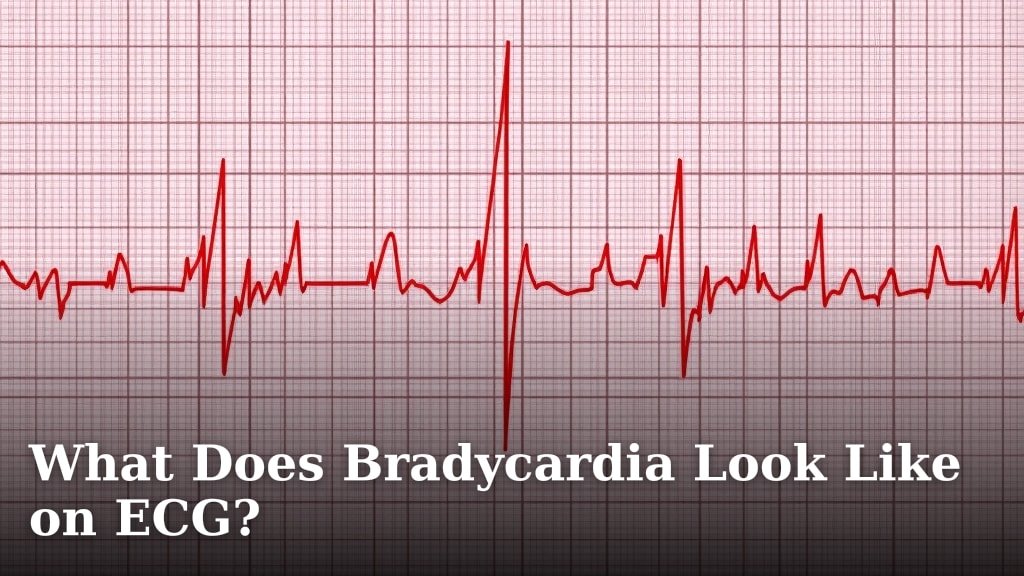
Understand what bradycardia looks like on ECG. Learn to identify slow heart rhythms and their key features on an electrocardiogram.
Learn to spot normal vs abnormal heart rhythm strip patterns. Understand key ECG features to identify potential cardiac issues.
Minimize false AFib alerts on your ECG monitor. Learn common causes and practical tips to improve accuracy and gain peace of mind.
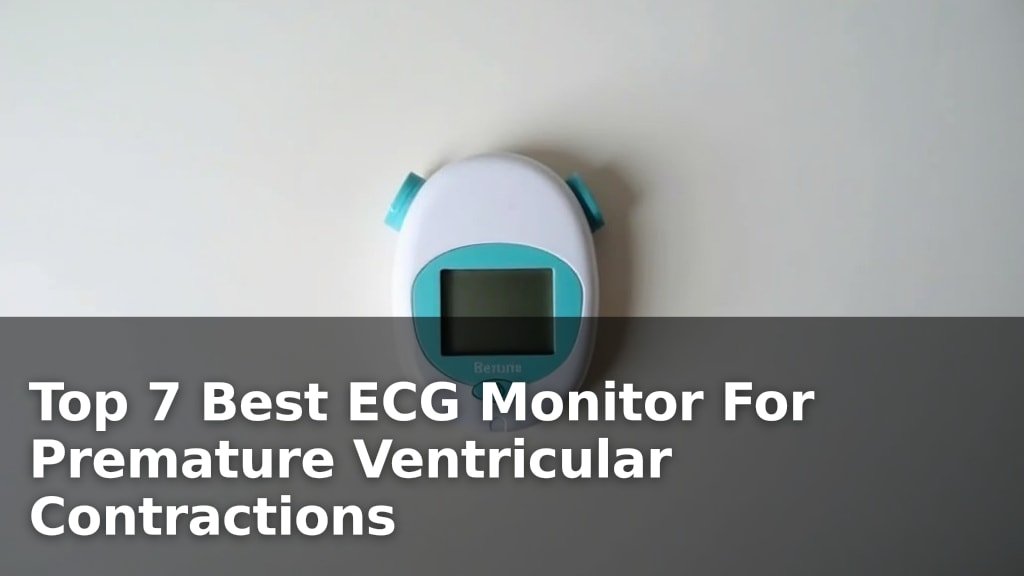
Discover the top 7 best ECG monitors for premature ventricular contractions. Our fresh, hands-on guide helps you find the right device.
Find the best ECG monitor for PVC tracking. Our fresh, hands-on guide reviews 7 top picks to help you monitor your heart's rhythm effectively.
Discover the top 7 best ECG monitors for SVT monitoring. Our fresh, hands-on review helps you find the right device for your needs.

home ECG monitor for AFib patients: learn how home readings may support rhythm tracking, their limits, and what doctors may recommend. See what to expect.

Discover the risks of untreated AFib, including stroke, heart failure, and other serious health issues. Learn how timely treatment can protect your well-being.
An irregular rhythm on your ECG could signal various conditions. Learn what it means and the next steps to understand your heart health.

Is AFib life threatening if untreated? Learn about the serious risks of untreated AFib, including stroke, and discover how management can improve your health.

Occasional skipped heartbeats are common, but when should you worry? Learn what causes them and when to seek medical advice.

AFib symptoms without a monitor: learn possible signs, why symptoms alone cannot confirm AFib, and when to seek care. See what to expect. Read the guide.
Discover the top 7 best ECG monitors with irregular heartbeat alerts. Our fresh, hands-on review helps you find the perfect device for peace of mind.

healthy heart rhythm pattern: learn what a regular rhythm may look like, common changes, and when to discuss a result. See what to expect. Read the guide.

heart rate too high for AFib: learn how symptoms and pulse readings guide next steps and when urgent care may be needed. See what to expect.
Discover the top 7 best ECG monitors with automatic AFib alerts. Our fresh, hands-on picks help you find the perfect device for peace of mind.

Learn how to check for irregular heartbeat at home with simple, practical methods. Empower yourself with knowledge to monitor your heart health effectively.

premature ventricular contraction (PVC): learn what an early beat is, possible causes and symptoms, and when to seek medical advice. See what to expect.

Understand SVT (Supraventricular Tachycardia). Learn its causes, symptoms, and how it's diagnosed and treated for better health management.
Uncover what bradycardia is, its causes, symptoms, and potential treatments. Understand this slow heart rate condition for better heart health.

Concerned about a fast heart rate? Learn what tachycardia is, its causes, symptoms, and when to seek medical attention for better heart health.

Discover the best ECG monitor for AFib. Compare top devices, features, and accuracy to make an informed choice for your heart health.
ECG monitor shows AFib? Learn what steps to take, from contacting your doctor to understanding treatment options, for your heart health.
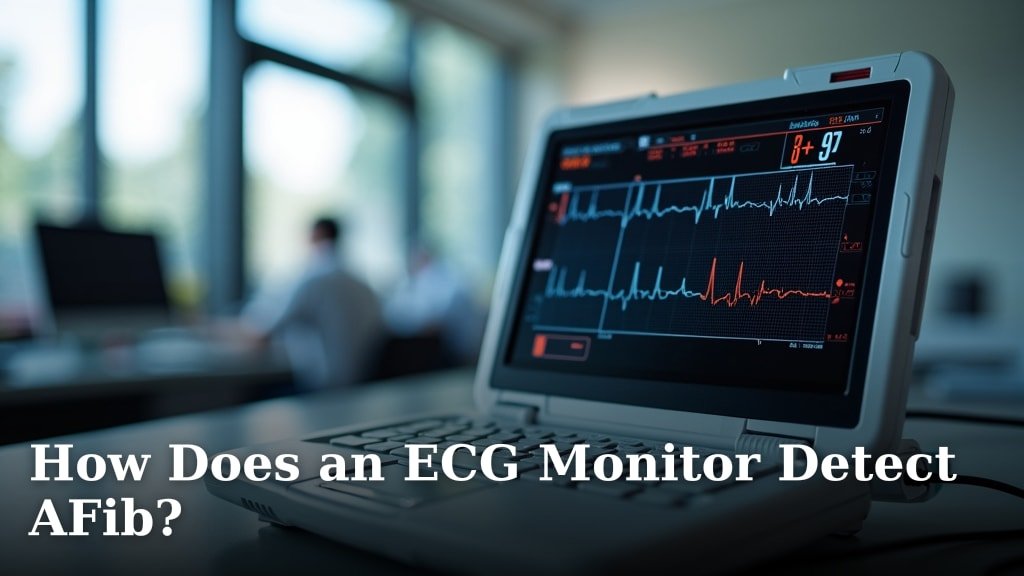
Discover how an ECG monitor detects AFib by analyzing electrical signals of your heart. Understand the technology that helps identify this irregular rhythm.
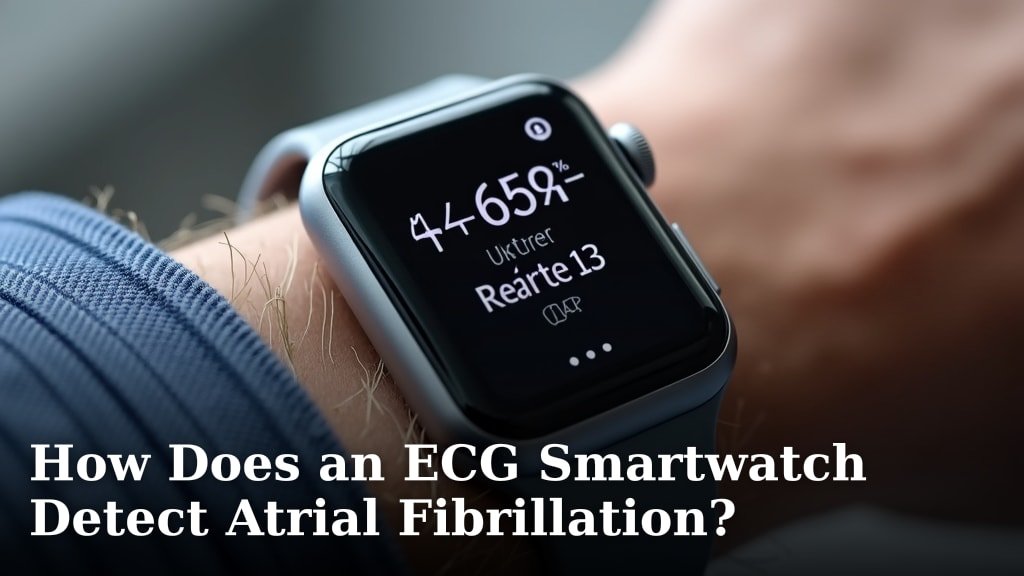
ECG smartwatch AFib detection: learn how watch recordings check for irregular rhythm, what results mean, and their limits. See what to expect.

Discover the 7 best home EKG machines for arrhythmia. Our hands-on review helps you find the right device for managing your heart health.

causes of AFib episodes: review common triggers and health factors, and learn what patterns to discuss with your doctor. See what to expect.
Uncover how smartwatches detect AFib, what their readings mean, and the limitations of these personal devices in monitoring your heart health.

Ever feel your heart skip a beat? Learn the common causes, when to worry, and simple strategies to maintain a healthy, steady rhythm.
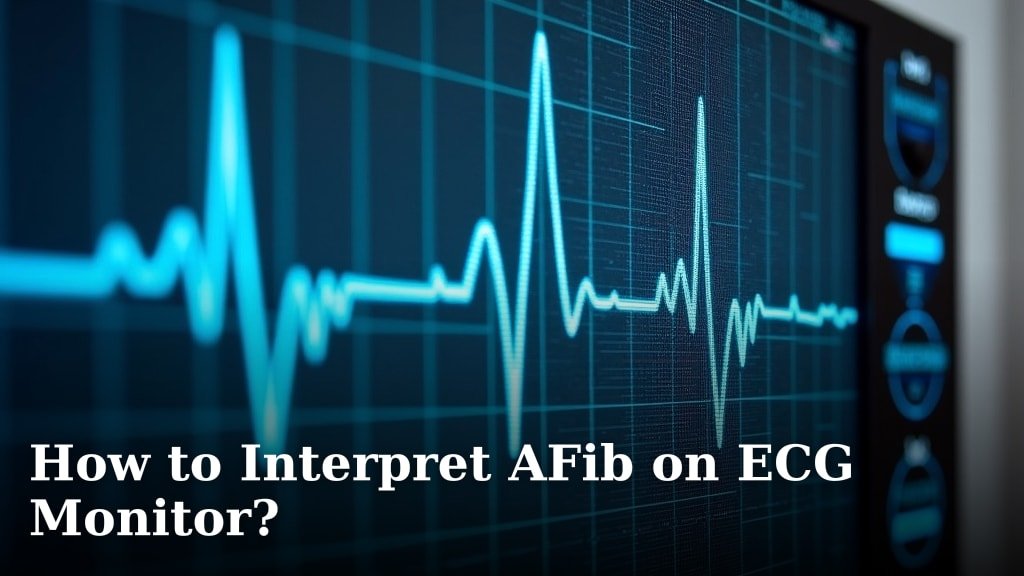
Understand AFib on your ECG monitor. Learn key characteristics, rhythm, and rate to accurately interpret atrial fibrillation readings with confidence.

Discover the 7 best ECG monitors for arrhythmia in our fresh, hands-on review. Find the perfect device to help you monitor your heart health effectively.
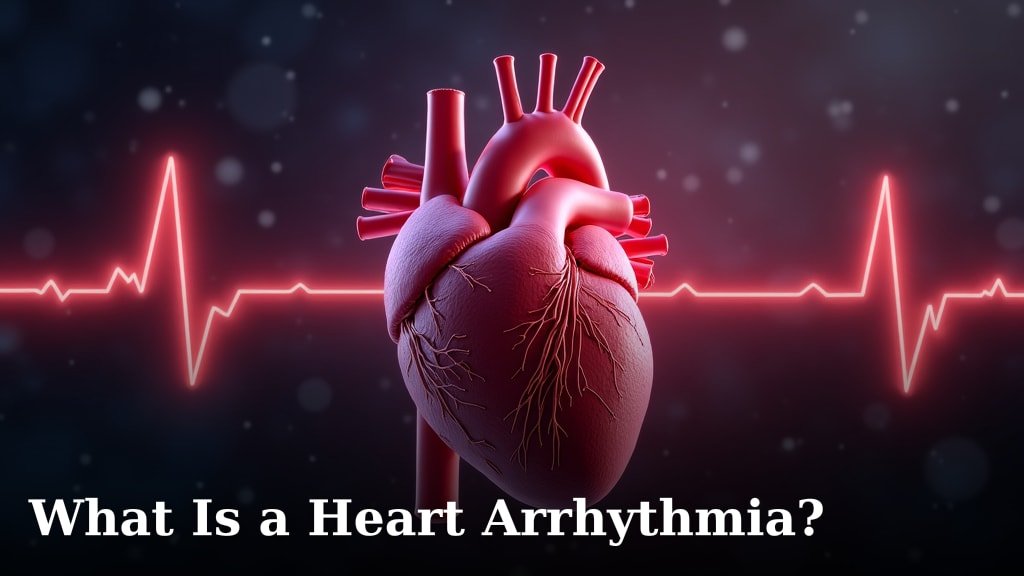
Understand heart arrhythmia: learn what causes irregular heartbeats, common types, symptoms to watch for, and how it's diagnosed. Find clarity and answers.
Discover the common causes of an irregular heartbeat, from lifestyle factors to underlying conditions. Understand what might be affecting your heart's rhythm.

Discover the 7 best personal EKG devices for atrial fibrillation. Our fresh, hands-on review helps you find the perfect monitor for your heart health.

Learn what atrial fibrillation (AFib) is, its symptoms, and causes. Understand this common heart rhythm disorder and how it impacts your health.

Discover the 7 best EKG monitors for AFib detection. Our hands-on review helps you choose the right device to monitor your heart health effectively.

ECG monitors for AFib detection: compare ways to record heart rhythm and features that can help track possible AFib. See what to expect. Read the guide.
QTc monitoring is critical for medications because many drugs can dangerously prolong your heart’s electrical reset time, potentially causing
Early AFib detection can prevent strokes, heart failure, and other life-threatening complications by catching irregular heartbeats before they become dangerous.
A junctional rhythm on EKG shows absent P waves or inverted P waves that appear before, during, or after the QRS complex, with a heart rate typically between
A delta wave is an abnormal electrical pattern on an EKG that shows as a slurred upstroke before the main heartbeat spike, indicating a condition called
Sick sinus syndrome shows specific EKG signs including slow heart rates below 60 beats per minute, irregular rhythms, and long pauses between heartbeats.
Heart blocks on EKG show as delayed or missing electrical signals between the heart’s upper and lower chambers, appearing as prolonged PR intervals or
SVT (Supraventricular Tachycardia) appears as a heart rate above 150 beats per minute with narrow QRS complexes on an ECG, often starting and stopping suddenly.
A PAC (Premature Atrial Contraction) is an extra heartbeat that starts in your heart’s upper chambers before your regular heartbeat is due.
Sinus arrhythmia appears on your EKG as a heart rhythm that speeds up when you breathe in and slows down when you breathe out, creating an irregular but
Wolff-Parkinson-White syndrome creates a distinctive delta wave pattern on EKG readings, appearing as a slurred upstroke at the beginning of the QRS complex.
Yes, an EKG can detect ectopic beats including PVCs (premature ventricular contractions) and PACs (premature atrial contractions). These irregular heartbeats
Common EKG findings for atrial fibrillation include an irregularly irregular heart rhythm and the absence of clear P waves on the electrocardiogram strip.
A bundle branch block on your EKG appears as a widened QRS complex (wider than 120 milliseconds) with specific wave patterns that show delayed electrical
A PVC (premature ventricular contraction) on your home EKG strip appears as a wide, bizarre-looking beat that comes early and disrupts the normal heart rhythm
EKG for tachycardia reveals heart rates above 100 beats per minute through characteristic patterns on the electrocardiogram tracing.
An EKG for bradycardia shows a heart rate below 60 beats per minute with normal electrical patterns but slower timing intervals between heartbeats.
A normal heart rhythm on a chart shows a regular pattern with consistent P waves, QRS complexes, and T waves repeating at steady intervals.
Your EKG device can detect atrial fibrillation (AFib) even when you feel completely normal because this heart rhythm disorder often produces no noticeable
Normal sinus rhythm on an EKG shows a heart rate between 60-100 beats per minute with consistent P waves before each QRS complex and regular spacing between
silent AFib and home EKG: learn how a home recording may find an irregular rhythm and why it cannot confirm a diagnosis. See what to expect.
Yes, home EKG devices can detect bigeminy, which appears as an abnormal rhythm where every other heartbeat is a premature ventricular contraction (PVC).
PVC vs. PAC on EKG: learn how these early beats differ on a tracing and why a clinician should interpret results. See what to expect. Read the guide.
Home EKG devices can potentially detect signs of Long QT Syndrome, but their accuracy varies significantly depending on the device type and your specific
EKG devices can accurately check pulse regularity and detect irregular heartbeats like atrial fibrillation with clinical-grade precision.
Detecting Wolff-Parkinson-White on an EKG requires looking for a short PR interval (less than 0.12 seconds) and a delta wave that creates a slurred upstroke
Atrial flutter shows up on an EKG strip as regular sawtooth waves between 240-340 beats per minute with a consistent pattern that looks like sharp peaks and
EKG for SVT shows a narrow QRS complex with a heart rate typically between 150-250 beats per minute, helping doctors quickly identify supraventricular
Signs of an irregular heartbeat on your EKG include abnormal spacing between beats, missing P waves, and unusual rhythm patterns that deviate from the normal
Yes, your EKG can detect skipped beats by capturing the electrical activity when your heart misses or adds an extra beat, showing up as irregular patterns on
Using your EKG to find AFib triggers involves tracking your heart rhythm patterns before, during, and after potential trigger events like stress, caffeine, or
QTc interval results at home: learn what the measurement means, how to read a report, and why results need clinical context. See what to expect.
You can measure your heart rhythm while sleeping using wearable devices like smartwatches, chest straps, or under-mattress sensors that continuously monitor
bundle branch block EKG patterns: learn what causes delayed signals, how patterns differ, and what an EKG may show. See what to expect. Read the guide.
A heart block is an electrical problem where signals from your heart’s upper chambers (atria) don’t properly reach the lower chambers
PAC stands for premature atrial contraction, while PVC means premature ventricular contraction – both are extra heartbeats that occur earlier than
A PVC is a premature ventricular contraction – an extra heartbeat that starts in your heart’s lower chambers and happens earlier than your normal
normal sinus rhythm: understand what it means, how it may appear on an ECG, and what the reading can show. See what to expect. Read the guide.
Tachycardia is a condition where your heart beats faster than 100 beats per minute while at rest. This rapid heart rate can cause symptoms like chest pain,
Bradycardia is when your heart beats slower than 60 beats per minute at rest. This condition can be normal for athletes or cause symptoms like dizziness and
Atrial fibrillation (AFib) is an irregular heart rhythm where your heart’s upper chambers beat chaotically instead of in sync with the lower chambers.
An arrhythmia is an irregular heartbeat that occurs when your heart beats too fast, too slow, or with an uneven rhythm. Your heart’s electrical system
The SA node is your heart’s natural pacemaker that creates electrical signals to make your heart beat. It sits in the right atrium and controls your
Portable AFib monitors use advanced sensors to detect irregular heartbeats by analyzing your heart's electrical signals through ECG technology that tracks
Normal sinus rhythm is when your heart beats in a regular pattern between 60-100 beats per minute, starting from the sinoatrial (SA) node.