Can an EKG Detect Ectopic Beats? (PVCs/PACs)
On this page (9 sections)
Yes, an EKG can detect ectopic beats including PVCs (premature ventricular contractions) and PACs (premature atrial contractions). These irregular heartbeats show up as distinct patterns on EKG tracings that doctors can easily identify. A repeating pattern of extra beats is called bigeminy.
Modern EKG devices, including portable home monitors, are quite good at catching these extra beats when they happen during the recording period.
What Are Ectopic Beats?
Think of your heart like a perfectly timed orchestra. Most of the time, every beat follows the same rhythm. But sometimes, an early beat jumps in before it should.
That’s an ectopic beat. It’s basically your heart skipping ahead in the song.
Your heart has its own electrical system. The normal beat starts in the top chambers (atria) and travels down. Ectopic beats start somewhere else entirely.
PVCs vs PACs: The Key Difference
PVCs start in your heart’s lower chambers (ventricles). PACs begin in the upper chambers (atria).
Both feel similar to you. You might notice a flutter, skip, or thump in your chest. Some people don’t feel them at all.
How EKGs Spot Ectopic Beats
EKGs are like lie detectors for your heart rhythm. They pick up every electrical signal your heart makes.
When I researched how this works, I found that ectopic beats create very specific patterns. They look different from normal beats on the EKG strip.
What PVCs Look Like on EKG
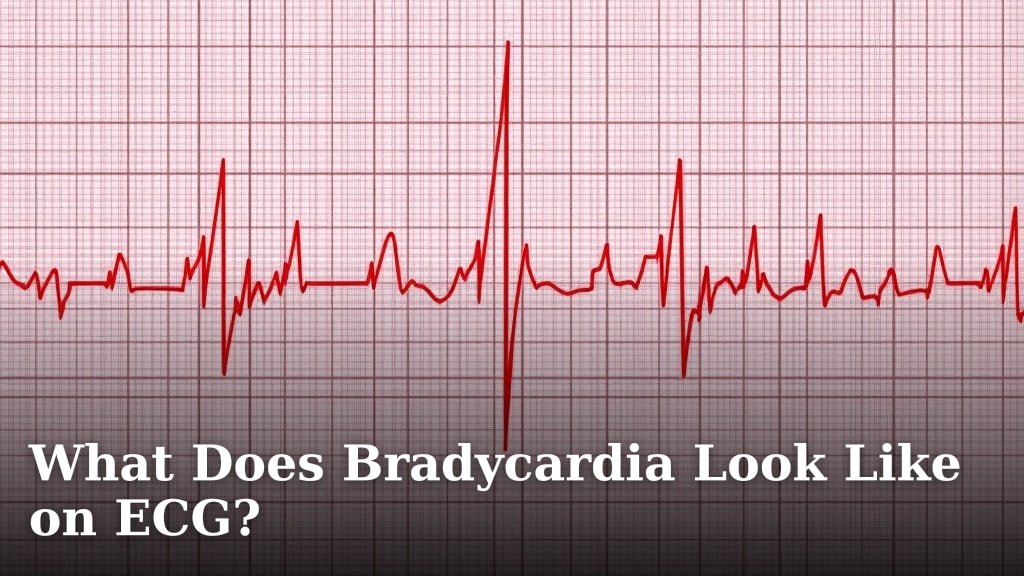
PVCs show up as wide, bizarre-looking beats. They’re much broader than your normal heartbeats.
You’ll see them pop up earlier than expected. Then there’s usually a long pause before the next normal beat.
The Compensatory Pause
After most PVCs, your heart takes a little break. This pause helps reset the rhythm back to normal.
On the EKG, this looks like a longer space between beats. It’s totally normal and actually shows your heart is working correctly.
What PACs Look Like on EKG
PACs are sneakier. They often look almost normal but show up too early.
The shape might be slightly different. Sometimes the P wave (the first part of the heartbeat) looks odd or comes from the wrong direction.
Types of EKG That Catch Ectopic Beats
Not all EKGs are created equal when it comes to finding these irregular beats.
Standard 12-Lead EKG
This is the classic EKG you get at the doctor’s office. It records for about 10 seconds.
If you have ectopic beats during those 10 seconds, it’ll catch them. But many people have irregular beats that come and go.
Holter Monitors
These portable devices record your heart for 24-48 hours. You wear them like a small recorder while you go about your day.
I found research showing Holter monitors catch way more ectopic beats than short EKGs. That makes sense – more recording time means better chances of catching irregular beats.
Event Monitors
Event monitors work for weeks or months. You press a button when you feel symptoms.
Some newer versions record continuously and save data automatically when they detect problems.
Home EKG Devices
Apple Watches, AliveCor devices, and similar gadgets can spot some ectopic beats. They’re getting pretty good at this.
But they’re not as detailed as medical-grade EKGs. Think of them as helpful screening tools rather than diagnostic devices.
How Accurate Are EKGs for Ectopic Beats?
EKGs are extremely good at detecting ectopic beats when they happen during the recording.
The challenge isn’t accuracy – it’s timing. Your irregular beats might not show up during the brief recording period.
Factors That Affect Detection
Several things influence whether your EKG will catch ectopic beats:
- How often your irregular beats happen
- Length of the recording
- Quality of the electrode connection
- Your activity level during recording
- Stress, caffeine, or other triggers
What Triggers Ectopic Beats?
From what I read in cardiology research, many things can set off these extra beats.
Common Triggers
Caffeine tops the list for many people. That morning coffee might be causing those heart flutters.
Stress and anxiety are huge triggers too. Your body releases hormones that can make your heart more irritable.
Other Common Causes
- Lack of sleep
- Alcohol
- Dehydration
- Low potassium or magnesium
- Certain medications
- Smoking
When to Worry About Ectopic Beats
Most ectopic beats are harmless. Many experts say occasional PVCs and PACs are normal parts of life.
But some situations need medical attention. If you have a lot of ectopic beats with chest pain, dizziness, or fainting, that’s different.
Treatment Options for Ectopic Beats
Treatment depends on how bothersome your ectopic beats are and what’s causing them.
Lifestyle Changes First
Most doctors start with the basics. Cut back on caffeine. Get better sleep. Manage stress.
I found studies showing these simple changes help many people reduce their ectopic beats significantly.
Stress Management Techniques
Deep breathing exercises work well. So does regular exercise, though you might need to avoid intense workouts at first.
Some people find yoga or meditation helpful for reducing heart rhythm problems.
Medical Treatments
If lifestyle changes don’t help enough, doctors have other options.
Beta-blockers can reduce ectopic beats in some people. These medications slow your heart rate and reduce irritability.
Living with Ectopic Beats
The good news? Most people with ectopic beats live completely normal lives.
Yes, they can be annoying. That fluttering feeling isn’t fun. But they’re rarely dangerous in healthy hearts.
Monitoring Your Symptoms
Keep track of when you notice irregular beats. What were you doing? What had you eaten or drunk?
This information helps your doctor figure out triggers and treatment options.
When to Call Your Doctor
Most ectopic beats don’t require emergency care. But call your doctor if you have:
- Chest pain with irregular beats
- Dizziness or fainting
- Shortness of breath
- Very frequent irregular beats (more than 6 per minute)
Future of EKG Technology
EKG technology keeps getting better at catching ectopic beats.
Newer devices use artificial intelligence to spot patterns. Some can predict when irregular beats might happen.
Wearable Devices
Smartwatches and fitness trackers are becoming more sophisticated. They’re not replacing medical EKGs, but they’re getting closer to professional quality.
Continuous monitoring through wearables might become the standard way to track heart rhythm problems.
Conclusion
EKGs are excellent tools for detecting ectopic beats like PVCs and PACs. Whether you use a medical-grade device or a home monitor, these irregular heartbeats show up clearly when they happen during recording.
The key is getting enough recording time to catch your irregular beats. If you’re having symptoms, longer monitoring periods give you and your doctor the best chance of finding answers.
Remember, most ectopic beats are more annoying than dangerous. Work with your healthcare team to find the right monitoring approach and treatment plan for your situation.
Can home EKG devices like Apple Watch accurately detect PVCs and PACs?
Home EKG devices can detect many ectopic beats, but they’re not as detailed as medical-grade equipment. They’re great for screening and tracking patterns, but you’ll still need professional EKGs for complete diagnosis and treatment planning.
How many ectopic beats per day is considered normal?
Most people have some ectopic beats daily without knowing it. Generally, fewer than 100 PVCs per day is considered normal for healthy people. However, what matters more is how you feel and whether you have other heart problems.
Why do I only feel ectopic beats when I’m resting?
You’re more likely to notice ectopic beats when you’re quiet and relaxed because there are fewer distractions. The irregular beats might happen during activity too, but you don’t notice them when you’re busy or moving around.
Can stress alone cause ectopic beats even in a healthy heart?
Yes, stress is one of the most common triggers for ectopic beats in otherwise healthy people. Stress hormones can make your heart more irritable and prone to extra beats. Managing stress often reduces the frequency of these irregular rhythms.
Do I need to avoid exercise if I have frequent ectopic beats?
Most people with ectopic beats can exercise safely, but you should check with your doctor first. Some people find that certain types or intensities of exercise trigger their irregular beats, while others feel better with regular moderate activity.