What Happens If Your ECG Shows an Irregular Rhythm?
On this page (9 sections)
- Understanding Your Irregular ECG Rhythm Results
- What Does “Irregular Rhythm” Actually Mean?
- Common Reasons for an Irregular ECG Rhythm
- What Your Doctor Will Do Next
- Types of Irregular Rhythms You Might Hear About
- When to Seek Immediate Medical Attention
- Making Sense of Your ECG Results: A Checklist
- Conclusion
- Frequently Asked Questions
If your ECG shows an irregular rhythm, it doesn’t automatically mean you have a serious heart problem. It often means your heart is beating in a way that’s not perfectly regular, and your doctor will want to figure out why. Sometimes it’s harmless, but other times it can signal a condition needing medical attention.
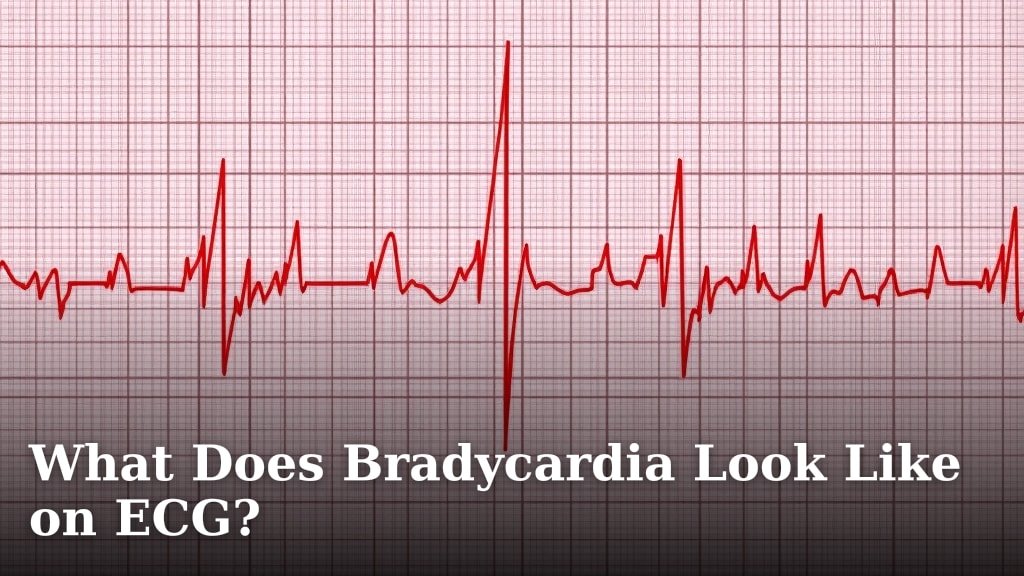
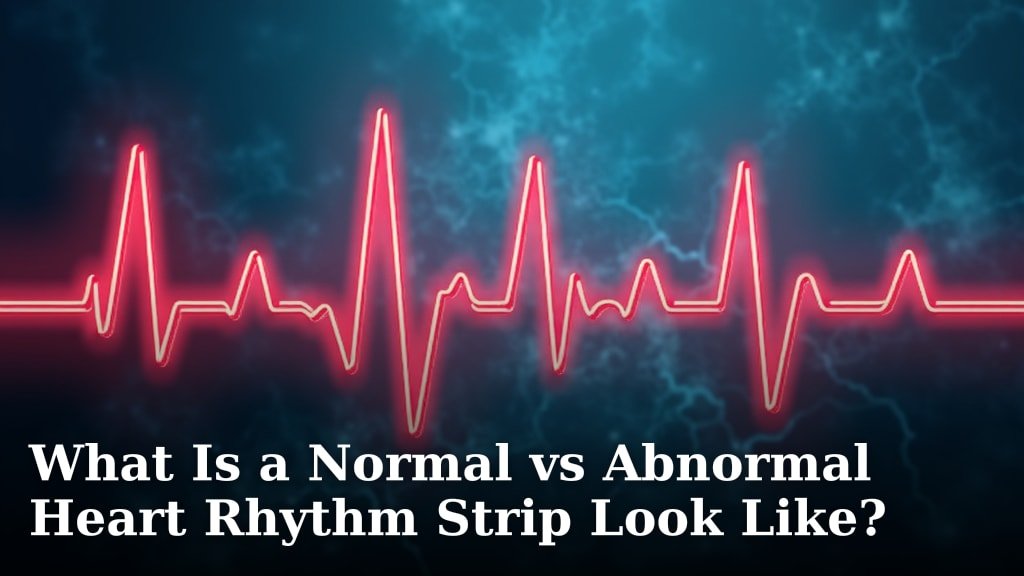
An irregular heartbeat, also called an arrhythmia, means your heart might be beating too fast, too slow, or with an **unpredictable pattern. Many factors can cause this, from everyday things like stress to underlying heart conditions. Understanding what your ECG results mean is the first step to managing your heart health**.
- Irregular ECG results can mean many things, not always serious.
- Your doctor will investigate the cause of the irregular rhythm.
- Possible causes range from simple to complex heart conditions.
- It’s important to discuss your ECG with your healthcare provider.
- Prompt evaluation helps ensure the best course of action for your health.
Let’s walk through what an irregular ECG rhythm typically signifies and what your next steps might be.
Understanding Your Irregular ECG Rhythm Results
So, your electrocardiogram (ECG) showed an irregular rhythm. Take a deep breath. It’s understandable to feel concerned, but this result doesn’t immediately paint a dire picture. It simply means your heart’s electrical signals aren’t following their usual, steady beat. Think of it like a drummer who sometimes misses a beat or adds an extra one. Your doctor needs to listen to that rhythm and figure out why it’s off.
The good news is that many irregular rhythms are benign, meaning they don’t cause harm. Sometimes, lifestyle factors or temporary conditions can cause your heart to beat irregularly. But it’s also true that some irregular rhythms can be a sign of a heart condition that needs attention. The key is a thorough evaluation by your healthcare provider.
What Does “Irregular Rhythm” Actually Mean?
An irregular heart rhythm, medically known as an arrhythmia, covers a wide range of heart rate issues. It means your heart’s electrical system isn’t working quite right. This can manifest in a few ways: Understanding the importance of early detection for irregular rhythms like AFib is crucial for long-term heart health.
- Too Fast (Tachycardia): Your heart is beating more than 100 times per minute while at rest.
- Too Slow (Bradycardia): Your heart is beating less than 60 times per minute while at rest.
- Irregularly Irregular: Your heart rate is unpredictable, speeding up and slowing down without a clear pattern. This is often the most common finding when someone says their ECG showed an “irregular rhythm.”
The ECG machine records the electrical impulses that tell your heart when to beat. When these impulses are disrupted, the rhythm becomes irregular. Many things can cause these disruptions, and pinpointing the cause is your doctor’s main goal.
Common Reasons for an Irregular ECG Rhythm
It’s important to remember that your heart can be influenced by many things, both inside and outside of your body. Here are some common culprits for an off-beat rhythm that your doctor might consider:
Lifestyle and Temporary Factors
Sometimes, your heart just needs a moment to settle down. These factors are often easily managed:
- Stress and Anxiety: Feeling overwhelmed or worried can definitely make your heart skip a beat or race. Your body releases adrenaline, which speeds things up.
- Caffeine and Nicotine: These stimulants can affect your heart’s electrical activity. Even moderate amounts can sometimes trigger an irregular rhythm in sensitive individuals.
- Alcohol Consumption: “Holiday heart syndrome” is a real thing, where excessive alcohol intake can lead to atrial fibrillation or other arrhythmias.
- Dehydration: Not having enough fluids can affect your blood pressure and electrolyte balance, indirectly influencing your heart rhythm.
- Lack of Sleep: Being tired can make your body more prone to irregular heartbeats.
- Certain Medications: Some prescription and over-the-counter drugs can have side effects that include arrhythmias. Your doctor will review your current medications.
Underlying Medical Conditions
Other times, an irregular rhythm might point to a more persistent health issue that needs treatment. Your doctor will look for these:
- High Blood Pressure (Hypertension): Over time, high blood pressure can strain your heart muscle, affecting its ability to beat regularly.
- Coronary Artery Disease (CAD): When the arteries supplying blood to your heart narrow, it can lead to heart muscle damage and arrhythmias.
- Heart Valve Problems: If your heart valves aren’t working correctly, they can cause blood to flow backward or get stuck, forcing your heart to work harder and potentially beat irregularly.
- Thyroid Problems: An overactive or underactive thyroid gland can significantly impact your heart rate and rhythm.
- Electrolyte Imbalances: Minerals like potassium, sodium, and magnesium are vital for electrical signaling in your body, including your heart. An imbalance can disrupt this.
- Sleep Apnea: This common sleep disorder can cause oxygen levels to drop during sleep, stressing your heart and leading to arrhythmias.
- Heart Failure: When your heart can’t pump blood efficiently, it can lead to various rhythm disturbances.
What Your Doctor Will Do Next
Receiving an irregular ECG result is just the beginning of a diagnostic process. Your doctor’s main goal is to understand the cause and determine if any treatment is needed. They won’t just look at the ECG; they’ll consider your whole health picture.
Gathering More Information
To get a clearer picture, your doctor will likely:
- Ask About Your Symptoms: Are you feeling palpitations (a fluttering or pounding sensation), dizziness, shortness of breath, chest pain, or fatigue? Or are you feeling completely fine? This information is very important.
- Review Your Medical History: They’ll ask about any existing health conditions, past heart problems, and family history of heart disease.
- Perform a Physical Exam: Listening to your heart with a stethoscope, checking your pulse, and measuring your blood pressure are standard steps.
- Order Further Tests: Depending on your initial findings, they might recommend more specific tests.
Common Diagnostic Tests
These tests help provide a more detailed look at your heart’s activity and structure:
- Holter Monitor: This is a portable ECG device you wear for 24-48 hours, or sometimes longer. It continuously records your heart rhythm, capturing events that might not happen during a short clinic ECG.
- Event Monitor: Similar to a Holter, but you activate it only when you feel symptoms. It records a longer period of heart activity around the time you feel symptoms.
- Echocardiogram (Echo): This is an ultrasound of your heart. It shows the size and shape of your heart chambers and how well your heart muscle is pumping and your valves are working.
- Stress Test: You’ll exercise on a treadmill or stationary bike while your ECG is monitored. This shows how your heart responds to physical activity and can reveal arrhythmias that only appear during exertion.
- Blood Tests: These can check for electrolyte imbalances, thyroid problems, or markers of heart strain or damage.
The type of tests your doctor orders will depend on your individual situation, including your symptoms and the specific pattern of irregularity seen on your ECG.

Types of Irregular Rhythms You Might Hear About
While an ECG can show many patterns, a few common types of irregular rhythms are often discussed. Your doctor will use specific terms to describe what they see, but understanding these general categories can be helpful:
Premature Beats
These are extra, early heartbeats that interrupt the regular rhythm. They can feel like a skipped beat or a thump in your chest. Common types include premature atrial contractions (PACs) and premature ventricular contractions (PVCs).
We found that many people experience occasional PACs and PVCs without any underlying heart disease. They can be triggered by stress, caffeine, or fatigue. However, if they happen very frequently or are associated with symptoms, further investigation is warranted (American Heart Association).
Atrial Fibrillation (AFib)
This is a very common type of irregular rhythm where the upper chambers of your heart (atria) beat chaotically and rapidly. Instead of a coordinated squeeze, the atria quiver. This can lead to an irregular and often fast ventricular rhythm.
AFib is important because it can increase your risk of stroke, as blood can pool in the quivering atria and form clots. Your doctor will discuss strategies to manage this risk, which may include blood thinners and medications to control your heart rate or rhythm.
Supraventricular Tachycardia (SVT)
This is a general term for rapid heart rhythms that start in the upper chambers of the heart (above the ventricles). Episodes can be sudden and feel like a very fast, regular heartbeat. They often start and stop abruptly and can cause dizziness or lightheadedness.
SVT episodes are usually not life-threatening but can be very unsettling and bothersome. Treatments often involve techniques to slow the heart rate, medications, or sometimes procedures to correct the electrical pathway causing the rapid rhythm.
Heart Block
This occurs when the electrical signals from the upper chambers to the lower chambers of your heart are slowed down or blocked. There are different degrees of heart block. Sometimes it’s a mild delay, and other times the signal might not get through at all, leading to a slow heart rate.
The symptoms can range from none to dizziness, fainting, or shortness of breath, depending on the severity. If the heart block is significant, a pacemaker might be recommended to ensure your heart beats at an appropriate rate.
When to Seek Immediate Medical Attention
While many irregular rhythms are not emergencies, there are times when you should not wait to see your doctor. If your irregular heartbeat is accompanied by any of the following, call emergency services (like 911 in the US) or go to the nearest emergency room:
- Severe chest pain or pressure
- Sudden shortness of breath
- Dizziness or feeling faint
- Confusion or changes in mental state
- Fainting (syncope)
These symptoms could indicate a more serious underlying issue, such as a heart attack or a dangerous arrhythmia, that requires immediate medical intervention.
Making Sense of Your ECG Results: A Checklist
Here’s a quick checklist to help you navigate your irregular ECG result and discussions with your doctor:
- Understand the specific term your doctor used for the irregularity (e.g., AFib, PVCs).
- Discuss your symptoms openly, even if they seem minor.
- Inquire about recommended tests and why they are needed.
- Ask about lifestyle factors that might be contributing.
- Clarify the potential risks associated with your specific rhythm.
- Confirm the treatment plan and any medications prescribed.
Taking an active role in understanding your heart health is the most effective way to manage any irregularities and ensure you receive the best possible care.
Conclusion
An irregular ECG rhythm doesn’t automatically mean your heart is in trouble. It’s a signal that your doctor needs to investigate the specific cause. We’ve seen that this irregularity can stem from simple lifestyle factors like stress or caffeine, or it could point to underlying conditions. Your doctor will use your symptoms, medical history, and further tests to understand your unique situation. The most important step now is to schedule a follow-up with your healthcare provider. Open communication and further evaluation are key to ensuring your heart stays healthy.
Frequently Asked Questions
Will an irregular ECG result always mean I need medication?
Not necessarily. Your doctor will determine if medication is needed based on the cause and severity of your irregular rhythm. Many irregular rhythms are managed with lifestyle changes alone, while others might require medication to control heart rate, prevent clots, or manage an underlying condition.
Can I still exercise if my ECG showed an irregular rhythm?
This depends on the type of irregularity and your doctor’s assessment. Some irregular rhythms are unaffected by exercise, while others might require caution or specific guidance. Always discuss your exercise plans with your doctor before resuming or starting a new routine.
How long does it take to find out the cause of an irregular ECG rhythm?
The timeline can vary greatly. Some causes are identified during your initial doctor’s visit, while others require wearing a monitor for a few days or undergoing more specialized tests. Your doctor will give you an estimate based on your individual situation.
What’s the difference between an irregular rhythm and an arrhythmia?
These terms are often used interchangeably. “Arrhythmia” is the medical term for any abnormal heart rhythm, which can include heartbeats that are too fast, too slow, or irregular. An ECG showing an “irregular rhythm” is simply one way an arrhythmia might present itself.
Can stress cause a dangerous irregular heart rhythm?
While stress can certainly cause palpitations or temporary irregular beats that feel concerning, it typically doesn’t cause inherently dangerous arrhythmias on its own in a healthy heart. However, stress can worsen existing heart conditions, so managing stress is always beneficial for overall heart health.