What Is Bradycardia?
On this page (6 sections)
Bradycardia is a slow heart rate. It means your heart beats fewer than 60 times per minute when you’re resting. This might sound scary, but it’s not always a problem.
Your heart rate can change for many reasons, like your fitness level or medications. We found that a slow heart rate is normal for some people. But sometimes, bradycardia can signal an underlying health issue.
- What bradycardia means for your heart.
- When a slow heart rate is normal.
- When to talk to your doctor about it.
- Possible causes and common symptoms.
You might be wondering if your slow heart rate is something to worry about. Let’s walk through what bradycardia is and what it could mean for you.
Understanding a Slow Heart Rate
A slow heart rate, or bradycardia, means your heart beats less than 60 times a minute. This isn’t always a cause for alarm. Many things can make your heart beat slower.
Think of your heart like an engine. It has a natural pacemaker that sends out electrical signals. These signals tell your heart muscles when to contract, creating a heartbeat. When these signals slow down, so does your heart rate.
What Your Heart Rate Says About You
Your heart rate is a simple measure of your overall health. It tells us how efficiently your heart is working. A good heart rate varies from person to person.
For most adults, a normal resting heart rate falls between 60 and 100 beats per minute. But this is a general guideline. Your individual “normal” might be different.
We found that things like your age, activity level, and even stress can affect this number. So, don’t compare your rate too closely with others.
When a Slow Heart Rate is Normal
Sometimes, bradycardia is perfectly normal and even a sign of good health. Have you ever noticed athletes often have very slow heart rates? We found that’s common.
Athletes and highly fit individuals often have resting heart rates in the 40s or 50s. Their hearts are so strong and efficient that they don’t need to work as hard to pump blood. This is called “athletic heart syndrome” (Mayo Clinic).
Also, during sleep, your heart rate naturally dips. It’s your body’s way of conserving energy and resting. Some medications can also slow your heart rate down without causing harm.
Signs and Symptoms of Bradycardia
While some slow heart rates are normal, others can cause symptoms. These symptoms appear when your brain and body aren’t getting enough oxygen-rich blood. Your heart isn’t pumping enough blood to meet your body’s needs.
Common Symptoms to Watch For
If your bradycardia is causing problems, you might notice certain signs. These can be mild at first, then become more bothersome. It’s like a car running low on gas – it might sputter a bit before it stops.
- Fatigue or tiredness: You might feel unusually weary, even after a good night’s sleep.
- Dizziness or lightheadedness: Feeling like you might faint is a common symptom.
- Fainting or near-fainting spells (syncope): This is more serious and requires immediate attention.
- Shortness of breath: You might feel winded doing everyday tasks.
- Chest pains: This can be a sign that your heart isn’t getting enough blood.
- Confusion or memory problems: Your brain needs a steady supply of oxygen.
Not everyone experiences all these symptoms. You might have just one or two. The severity can also vary greatly.
When to Seek Medical Attention
If you experience any of the symptoms above, especially if they are new or getting worse, it’s wise to talk to your doctor. We found that early diagnosis can prevent more serious issues down the road.
If you faint, have severe chest pain, or struggle to breathe, call 911 immediately. These are signs of a medical emergency.
Even if your symptoms are mild, a chat with your doctor can offer peace of mind. They can help determine if your slow heart rate is normal for you or if it needs further investigation.
What Causes Bradycardia?
Bradycardia can stem from a variety of causes. Sometimes it’s a simple fix, other times it points to an underlying condition. Understanding the causes helps you and your doctor figure out the best approach.
Disruptions in the Heart’s Electrical System
Your heart has its own internal electrical system. This system controls the timing of your heartbeats. If something goes wrong with these electrical signals, your heart rate can slow down.
- Sick sinus syndrome: This is a malfunction of the heart’s natural pacemaker. It sends out electrical signals too slowly or irregularly (NIH).
- Heart block: This occurs when electrical signals from the upper chambers of your heart don’t reach the lower chambers as they should. It’s like a traffic jam in your heart’s wiring.
These conditions are more common as we get older. They often require medical intervention to regulate heart rhythm.
Other Medical Conditions and Factors
It’s not just electrical problems that can cause bradycardia. Many other health issues and external factors can contribute to a slow heart rate. We found that sometimes it’s a domino effect from another health concern.
Here’s a quick look at other potential causes:
| Category | Specific Cause | Description |
|---|---|---|
| Heart Conditions | Heart attack or heart disease | Damage to heart tissue can affect electrical pathways. |
| Thyroid Issues | Hypothyroidism | An underactive thyroid gland slows down your metabolism, including heart rate. |
| Electrolyte Imbalance | High potassium levels | Imbalances in minerals can interfere with heart function. |
| Medications | Beta-blockers, calcium channel blockers | Common heart and blood pressure drugs can intentionally slow the heart. |
| Sleep Disorders | Sleep apnea | Pauses in breathing during sleep can affect heart rhythm. |
| Infections | Myocarditis | Inflammation of the heart muscle can impact its electrical system. |
Your doctor will consider all these possibilities when investigating your slow heart rate. It’s like being a detective, looking for clues to find the root cause.
Diagnosing Bradycardia
If you’re experiencing symptoms, your doctor will want to find out why. Diagnosing bradycardia usually involves a few straightforward steps. The goal is to understand your heart’s rhythm and identify any underlying problems.
The Diagnostic Process
Your doctor will start by asking about your medical history and any symptoms you’re having. They’ll also perform a physical exam. This helps them get a general idea of your health.
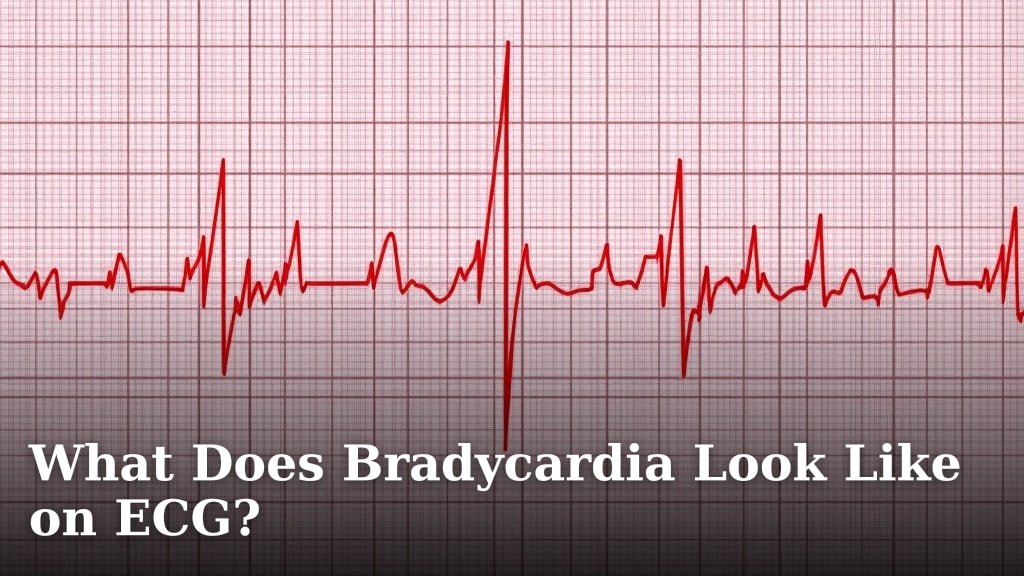
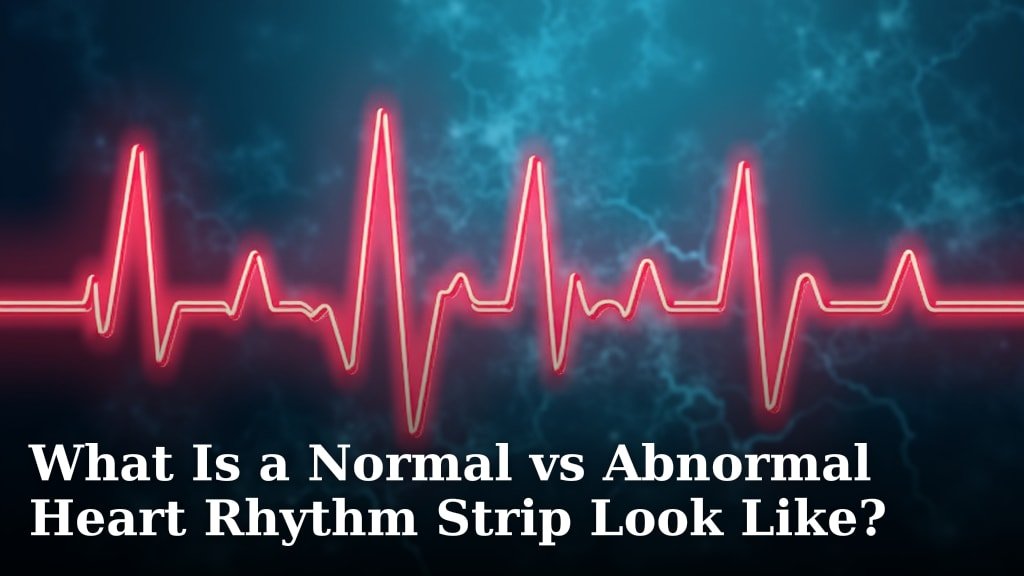
The main tool for diagnosis is an electrocardiogram (ECG or EKG). This quick, painless test records your heart’s electrical activity. It can show if your heart is beating too slowly or irregularly (American Heart Association).
Monitoring Your Heart
Sometimes, a standard ECG might not catch a slow heart rate if it happens off and on. In these cases, your doctor might suggest at-home monitoring:
- Holter monitor: You wear this portable device for 24 to 48 hours. It continuously records your heart’s activity as you go about your day.
- Event recorder: This device is worn for longer periods. You activate it only when you feel symptoms.
- Implantable loop recorder: For very infrequent symptoms, a small device can be placed under your skin. It records your heart’s rhythm for up to three years.
These monitors give your doctor a much clearer picture of your heart’s behavior over time. It’s like having a little spy on your heart to catch any irregular moments.
Additional Tests Your Doctor Might Order
Depending on the initial findings, your doctor might recommend other tests. These can help pinpoint the exact cause of your bradycardia.
- Blood tests: To check for thyroid problems, electrolyte imbalances, or infections.
- Stress test: To see how your heart responds to exercise.
- Sleep study: If sleep apnea is suspected as a cause.
Each test provides a piece of the puzzle. Together, they help your doctor develop a complete understanding of your condition. We found that a thorough diagnosis is key to effective treatment.
Conclusion
Understanding bradycardia means recognizing that a slow heart rate isn’t always a problem. We found that for many, especially athletes, it’s a sign of a strong, efficient heart. However, it’s also important to be aware of the signs and symptoms that suggest your slow heart rate might be due to an underlying issue. Your body often gives clues when something isn’t quite right.
If you’re experiencing symptoms like fatigue, dizziness, or shortness of breath, or if you simply have concerns about your heart rate, don’t hesitate. Talk to your doctor. They can help you determine what your slow heart rate means for your health and guide you on the best path forward.
Frequently Asked Questions
Can bradycardia be cured?
Whether bradycardia can be “cured” depends on its cause. If it’s due to a medication, adjusting the dose might resolve it. If it’s caused by an underlying condition, treating that condition can often help. For some, a pacemaker might be needed to regulate the heart’s rhythm.
Is a resting heart rate of 50 bpm dangerous?
A resting heart rate of 50 bpm isn’t automatically dangerous. For very fit individuals or during sleep, it can be perfectly normal. However, if you’re experiencing symptoms like dizziness or fatigue at this rate, it’s wise to get it checked by a doctor to rule out any issues.
Can stress cause a slow heart rate?
While stress typically causes your heart rate to speed up, chronic stress can sometimes lead to vagal nerve overactivity. This nerve helps regulate your heart rate, and its overstimulation can potentially contribute to a slower heart rate. It’s less common than stress-induced rapid heart rates, but it can happen.
How do doctors treat symptomatic bradycardia?
Treatment for symptomatic bradycardia focuses on its cause. This might involve adjusting medications, treating an underlying thyroid problem, or addressing sleep apnea. If the heart’s electrical system is the primary issue and causes significant symptoms, a permanent pacemaker is often the most effective solution.
Can diet affect my heart rate?
Yes, your diet can indirectly affect your heart rate. Nutritional deficiencies, such as low potassium or magnesium, can impact heart function and rhythm. Eating a balanced diet rich in essential nutrients supports overall heart health, which can contribute to a healthy heart rate.