What Is a Healthy Heart Rhythm Pattern?
On this page (8 sections)
A healthy heart rhythm pattern means your heart beats at a steady, regular pace, usually between 60 and 100 times per minute when you’re at rest. This consistent beat ensures your body gets the oxygen-rich blood it needs without any wasted effort. It’s like a well-oiled machine, efficiently pumping blood throughout your system. A healthy rhythm is a sign that your cardiac electrical system is working just right.
When your heart’s electrical signals fire off correctly, they create this predictable tempo. This allows the heart chambers to contract and relax in perfect coordination. Maintaining this rhythm is vital for overall health. Many things can affect it, from your lifestyle to underlying health conditions. We’ve researched the key factors that contribute to a strong and steady heartbeat.
- A healthy heart rhythm beats between 60-100 times per minute at rest.
- This regular beat ensures efficient blood flow and oxygen delivery.
- It relies on your heart’s electrical system working smoothly.
- Factors like lifestyle and health can influence your heart’s rhythm.
Ready to understand what makes your heart sing a steady tune? Let’s dive into the details of a healthy heart rhythm pattern and what it means for you.
“`htmlUnderstanding Your Heart’s Beat: What’s Normal?
So, what does a healthy heart rhythm pattern really look like? Think of your heart as a finely tuned engine. A healthy rhythm means this engine is running smoothly, consistently, and without skipping a beat. Most of the time, for adults, this means your resting heart rate falls between 60 and 100 beats per minute.
This range is generally considered normal and healthy for most people when they are at rest. It ensures your body gets enough oxygen-rich blood without overworking your heart. It’s the rhythm of a heart that’s functioning well, efficiently sending blood to all your vital organs.
The Electrical Symphony Inside Your Chest
Your heart has its own built-in electrical system. This system is responsible for sending signals that tell your heart muscles when to contract and relax. It’s like a conductor leading an orchestra, ensuring every instrument plays at the right time.
How the Electrical Signals Work
The main pacemaker of your heart is called the sinoatrial (SA) node. It’s located in the upper chamber of your heart. The SA node generates an electrical impulse that travels through your heart. This impulse causes your atria (the upper chambers) to contract first.
Then, the signal reaches another area called the atrioventricular (AV) node. The AV node acts like a gatekeeper, briefly pausing the signal. This pause allows your ventricles (the lower chambers) to fill with blood. After the pause, the signal travels down to the ventricles, causing them to contract and pump blood out to your body.
What Makes a Rhythm “Normal”?
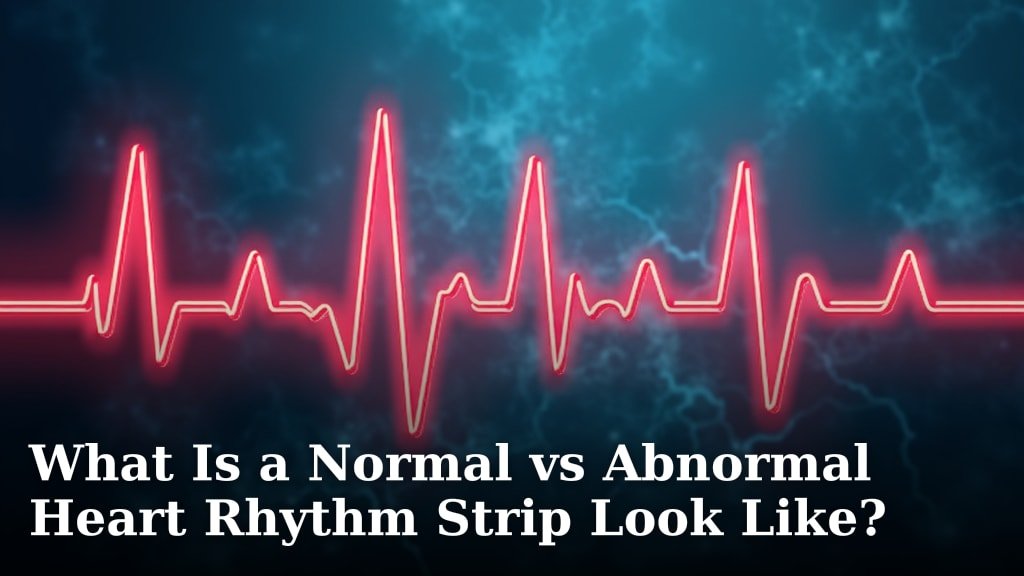
A normal heart rhythm, also known as a normal sinus rhythm, follows this electrical pathway perfectly. The SA node fires regularly, and the signals travel smoothly through the rest of the heart. This results in that steady, consistent heartbeat we talked about.
When this electrical symphony is playing in harmony, your heart beats in a predictable pattern. It’s not just about the speed; it’s also about the regularity and the sequence of contractions. Research from the American Heart Association highlights that this coordinated electrical activity is key to effective pumping (American Heart Association).
Factors That Keep Your Heartbeat Steady
Several things can influence your heart rhythm. Some are within your control, while others might be related to your overall health. Maintaining a healthy rhythm often means paying attention to these influences.
Your Lifestyle Choices Matter
What you do every day can have a big impact. A healthy lifestyle supports a healthy heart. This includes regular exercise, a balanced diet, and managing stress.
- Exercise: Regular physical activity can strengthen your heart muscle. A stronger heart can pump more blood with each beat. This often leads to a lower resting heart rate, which is a good sign.
- Diet: Eating a diet rich in fruits, vegetables, and whole grains is beneficial. Limiting processed foods, salt, and unhealthy fats supports cardiovascular health.
- Stress Management: Chronic stress can affect your heart. Finding healthy ways to cope, like meditation or deep breathing exercises, can help keep your heart calm.
- Sleep: Getting enough quality sleep is vital for your body’s repair processes, including heart health.
Underlying Health Conditions
Sometimes, health conditions can disrupt your heart’s natural rhythm. It’s important to be aware of these.
- High Blood Pressure: When your blood pressure is consistently high, it puts extra strain on your heart. Over time, this can affect its ability to beat regularly.
- Thyroid Problems: Both an overactive and underactive thyroid can lead to heart rhythm disturbances. Your thyroid hormones play a role in regulating your heart rate.
- Diabetes: Diabetes can damage blood vessels and nerves, including those that control your heart. This can increase the risk of arrhythmias, which are irregular heartbeats.
- Sleep Apnea: This condition, where breathing repeatedly stops and starts during sleep, can put stress on your heart and affect its rhythm.
Many experts agree that managing these conditions well is a cornerstone of maintaining a healthy heart rhythm (National Institutes of Health).
When to Be Concerned: Recognizing Irregular Heartbeats
While a steady beat is ideal, most people experience occasional skipped beats or a slightly faster heart rate when exercising. However, there are times when an irregular heartbeat, or arrhythmia, might signal a problem.
What Does an Arrhythmia Feel Like?
You might notice a fluttering in your chest, a feeling of your heart skipping beats, or a pounding sensation. Sometimes, you might feel like your heart is beating too fast or too slow. These sensations can be unsettling.
It’s important to know that not all arrhythmias are dangerous. However, if you experience them frequently or they are accompanied by other symptoms, it’s wise to consult a healthcare professional. Symptoms like shortness of breath, dizziness, chest pain, or fainting are more serious and require immediate attention.
Common Types of Arrhythmias
There are many types of arrhythmias. Some are quite common and usually harmless, while others can be more serious.
- Premature beats: These are extra, early heartbeats that can feel like a skipped beat or a strong thump. They often occur in healthy hearts.
- Tachycardia: This means a heart rate that is too fast. There are different types, such as supraventricular tachycardia (SVT) and atrial fibrillation (AFib).
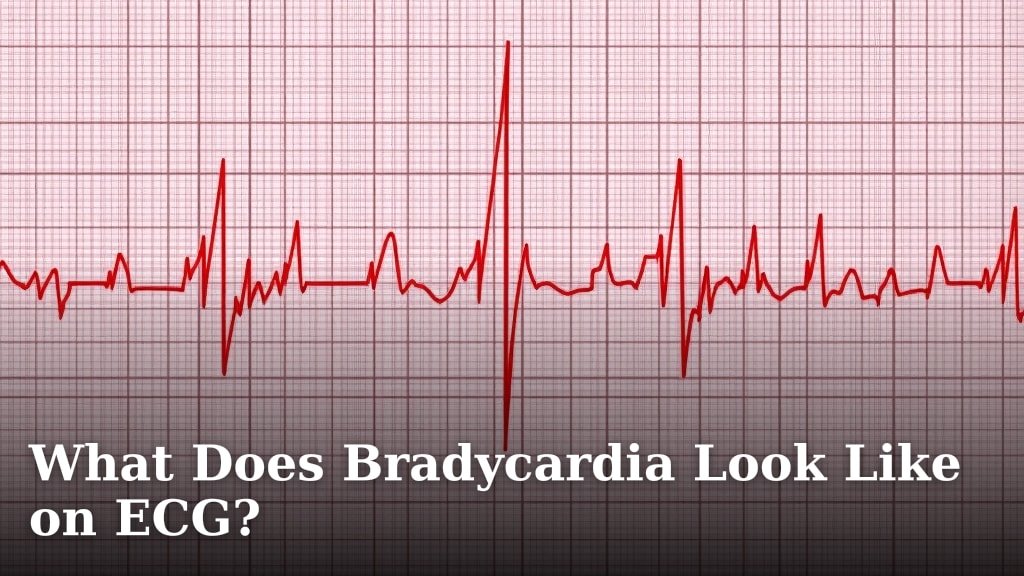
- Bradycardia: This is a heart rate that is too slow.
We found that conditions like atrial fibrillation are quite common, especially as people age. Guidelines from reputable sources like the Mayo Clinic suggest that even if you don’t feel symptoms, it’s still important to discuss any persistent rhythm changes with your doctor.
How Your Heart Rhythm is Assessed
If you’re concerned about your heart rhythm, your doctor has ways to check it. These assessments help determine if your heart is beating normally and efficiently.
Electrocardiogram (ECG or EKG)
This is the most common test. It records the electrical activity of your heart. Small sensors (electrodes) are placed on your skin. The ECG machine then creates a visual tracing of your heart’s electrical signals. It can quickly show if your rhythm is regular or irregular.
Holter Monitor
For more continuous monitoring, a Holter monitor might be used. This is a portable ECG device that you wear for 24 to 48 hours, or sometimes longer. It records your heart’s activity over that period, helping to catch rhythm changes that might not show up on a standard ECG.
Event Monitor
Similar to a Holter monitor, an event monitor is worn for a longer time, sometimes weeks. You activate it when you feel symptoms. This helps doctors link your symptoms directly to your heart’s electrical activity at that moment.
Maintaining a Healthy Heartbeat: Your Checklist
Keeping your heart rhythm healthy is an ongoing process. Here’s a simple checklist to help you stay on track:
- Monitor your resting heart rate: Know what’s normal for you.
- Eat a heart-healthy diet: Focus on whole foods and limit processed items.
- Stay physically active: Aim for regular, moderate exercise.
- Manage stress effectively: Find your calm.
- Get enough quality sleep: Aim for 7-9 hours per night.
- Attend regular check-ups: Discuss any heart concerns with your doctor.
By focusing on these areas, you’re actively supporting your heart’s ability to maintain a strong and steady rhythm, which is a wonderful foundation for your overall well-being.
“`Conclusion
Understanding your heart’s rhythm is key to your overall well-being. A healthy heart beats steadily between 60 and 100 times per minute at rest, thanks to its efficient electrical system. Factors like your lifestyle, diet, and managing existing health conditions all play a role in keeping this rhythm strong.
Don’t ignore signs of an irregular heartbeat, and remember that regular check-ups are your best defense. Take these steps to nurture your heart: monitor your pulse, eat well, stay active, manage stress, and prioritize sleep. Your heart works hard for you, so give it the care it deserves by scheduling your next doctor’s appointment to discuss your heart health.
Frequently Asked Questions
What is a normal resting heart rate for an adult?
For most adults, a normal resting heart rate falls between 60 and 100 beats per minute. This range indicates your heart is efficiently pumping blood when you are at rest. You can check yours by feeling your pulse at your wrist or neck.
Can stress really affect my heart rhythm?
Yes, stress can definitely impact your heart rhythm. When you’re stressed, your body releases hormones that can temporarily increase your heart rate and blood pressure. Chronic stress can contribute to more significant heart rhythm issues over time.
How does diet impact heart rhythm?
A heart-healthy diet supports a steady rhythm. Eating plenty of fruits, vegetables, and whole grains, while limiting salt and unhealthy fats, helps maintain healthy blood pressure and reduces strain on your heart. Certain nutrient deficiencies can also affect heart function.
Is a fluttering feeling in my chest always a sign of a problem?
Not always. Occasional skipped beats or a fluttering sensation can happen in healthy hearts and might be triggered by things like caffeine or excitement. However, if these feelings are frequent, accompanied by dizziness or chest pain, it’s best to consult a doctor.
How often should I have my heart rhythm checked by a doctor?
If you have no known heart issues, regular check-ups as recommended by your doctor are usually sufficient. However, if you experience symptoms like palpitations, shortness of breath, or dizziness, you should seek medical advice sooner to get your heart rhythm assessed.