How Does an ECG Smartwatch Detect Atrial Fibrillation?
On this page (5 sections)
An ECG smartwatch detects atrial fibrillation (AFib) by monitoring your heart’s electrical activity. It uses sensors to record an electrocardiogram, or ECG, right from your wrist. This recording helps identify irregular heart rhythms that could indicate AFib.
These smartwatches are not diagnostic tools on their own. They help you track your heart health and share important data with your doctor. Think of it as a helpful assistant that can alert you to potential issues, allowing for earlier conversations with healthcare professionals about your heart.
TL;DR:
- ECG smartwatches monitor heart electrical activity.
- They can identify irregular rhythms associated with AFib.
- The watch records an ECG directly from your wrist.
- This technology aids in early detection, not diagnosis.
- It helps you share important heart data with your doctor.
You might be wondering exactly how this tiny device manages such a complex task. Let’s walk through how an ECG smartwatch detects atrial fibrillation step by step.
Understanding How Your ECG Smartwatch Detects AFib
Your ECG smartwatch uses some clever technology to keep an eye on your heart. It’s like having a tiny, personal heart monitor right on your wrist. This device isn’t just telling time; it’s actually recording the electrical signals your heart produces.
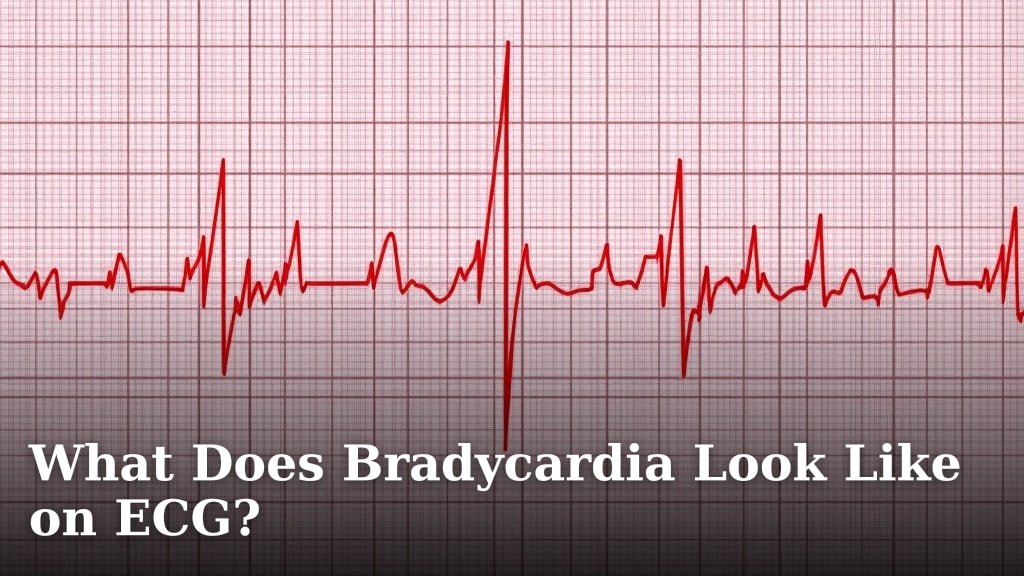
When your heart beats, it generates electrical impulses. An ECG, or electrocardiogram, is simply a recording of these impulses. Your smartwatch has sensors that can pick up these tiny electrical changes from your skin.
The Science Behind the Sensors
So, how does a watch manage this? Most ECG smartwatches use a combination of electrodes. You typically place a finger from your opposite hand on the watch’s crown or bezel. This creates a closed circuit across your body.
One electrode on the back of the watch touches your wrist, and the other is where you place your finger. This allows the watch to measure the electrical difference between these two points. It’s this tiny electrical conversation that tells the watch what your heart is doing.
What Exactly is an ECG Recording?
When you take an ECG recording with your smartwatch, it’s capturing the rhythm and strength of your heart’s electrical activity. Think of it like a microphone listening to your heart’s internal drumbeat. It looks for patterns.
A normal heart rhythm, often called a sinus rhythm, has a very regular, predictable pattern. Your smartwatch is trained to recognize this pattern. It also knows what to look for when things are a little off.
Spotting Irregular Rhythms: The AFib Signature
Atrial fibrillation, or AFib, changes that predictable heart rhythm. Instead of a steady beat, the upper chambers of your heart (the atria) beat chaotically and irregularly. This leads to an irregular and often rapid heartbeat.
Your smartwatch’s algorithms are designed to detect these specific irregularities. It’s looking for a lack of a clear P-wave (which represents atrial contraction) and an irregular R-R interval (the time between heartbeats).
How Algorithms Interpret the Data
The raw electrical signals from your heart are just squiggly lines to us. But for your smartwatch, they are data points. Sophisticated algorithms, developed by medical experts, analyze these data points in real-time.
These algorithms compare your current heart rhythm to known patterns of AFib and normal sinus rhythm. If the watch detects a consistent pattern that matches AFib, it will then alert you. It’s like a tiny detective constantly reviewing your heart’s performance.
The Role of “On-Demand” vs. “Passive” Monitoring
Many ECG smartwatches offer two main ways to monitor your heart rhythm for AFib:
- On-Demand ECG: This is when you manually initiate an ECG recording. You open the app, place your finger, and hold still for 30 seconds or so. This gives you a clear snapshot of your heart’s activity at that moment.
- Passive Background Monitoring: Some smartwatches also continuously monitor your heart rate in the background. They look for signs of irregularity, like an unexpectedly high or low heart rate, or a consistently erratic pulse. If something unusual is detected, they might prompt you to take an on-demand ECG.
Both methods are useful, but they serve different purposes. On-demand gives you immediate insight, while passive monitoring acts as a continuous safety net.
What Happens When Your Smartwatch Detects a Potential Issue?
If your ECG smartwatch detects an irregular rhythm that suggests AFib, it won’t just keep it a secret. It will likely send you an alert. This alert is usually a notification on your watch and phone, letting you know that a potential AFib episode has been detected.
It’s important to remember that this alert is not a diagnosis. It’s a signal to take the next step. Think of it as a smoke detector. It tells you there might be fire, but it doesn’t tell you if it’s a burnt toast or a real emergency.
Understanding the Alert Message
When you get an alert, the message will usually be clear. It might say something like, “Irregular Rhythm Notification: AFib Possible.” It will also likely advise you to contact your doctor. This is the most crucial part of the process.
Many smartwatches also allow you to save or export the ECG recording directly from the app. This is incredibly helpful for your doctor, as it provides them with the actual data the watch collected.
Preparing for Your Doctor’s Visit
If you receive an AFib alert, preparing for your doctor’s visit can make the most of your appointment. We found that bringing the following information is particularly helpful (American Heart Association):
- The exact date and time of the alert(s).
- Any symptoms you were experiencing when the alert occurred (e.g., palpitations, dizziness, shortness of breath).
- How often you’ve received these alerts.
- The actual ECG recording from your smartwatch, if possible.
- A list of any medications you are currently taking.
Your doctor will use this information, along with other diagnostic tests, to determine if you truly have AFib. They might order a 12-lead ECG, a Holter monitor (a wearable ECG that records for a longer period), or other tests.
The Advantages and Limitations of ECG Smartwatches
These smartwatches offer some incredible benefits, but it’s also important to understand their limitations. They are a tool, not a complete medical solution.
Key Benefits for Your Heart Health
Here’s why many people find ECG smartwatches so helpful:
| Benefit | Description |
|---|---|
| Early Detection | Can catch AFib episodes that might otherwise go unnoticed, especially if you don’t have noticeable symptoms. |
| Peace of Mind | Regular monitoring can reassure you about your heart health. |
| Data for Your Doctor | Provides concrete data that you can share with your healthcare provider for more informed discussions. |
| Convenience | Easy to use at home or on the go, without needing a separate medical device. |
| Empowerment | Gives you an active role in monitoring your own health. |
Many experts say that this technology can empower individuals to take a more active role in their health monitoring (Mayo Clinic). It’s a way to be proactive about potential issues.
Important Limitations to Keep in Mind
While beneficial, ECG smartwatches are not perfect. Keep these points in mind:
Checklist for Smartwatch ECG Use:
- Not a diagnostic tool; it flags potential issues.
- May produce false positives or false negatives.
- Not for everyone, especially those with pre-existing heart conditions.
- Can be affected by movement or poor contact.
- Doesn’t replace regular check-ups with your doctor.
- Designed for adults, not generally for children.
False positives can cause unnecessary worry, while false negatives might delay diagnosis. It’s all about using the technology wisely and in consultation with your doctor.
For example, if you have a known heart condition, your doctor might recommend more specialized monitoring equipment. Your smartwatch is a great general wellness tool, but it shouldn’t replace prescribed medical devices.
Conclusion
You now understand how an ECG smartwatch works its magic to monitor your heart. It uses sophisticated sensors and algorithms to detect potential signs of AFib by analyzing your heart’s electrical patterns. This technology provides an early warning system, giving you valuable data to discuss with your doctor.
While incredibly helpful for tracking your heart health and offering peace of mind, remember that your smartwatch is a screening tool, not a medical diagnostician. If you receive an alert, always follow up with your healthcare provider. Your proactive approach, combined with professional medical advice, is your best strategy for maintaining a healthy heart.
Frequently Asked Questions
Can an ECG smartwatch detect all types of heart conditions?
No, an ECG smartwatch is primarily designed to detect atrial fibrillation (AFib) and general irregular heart rhythms, including premature atrial contractions. It is not equipped to identify all heart conditions, such as heart attacks or other complex arrhythmias.
How accurate are ECG smartwatch readings for AFib?
Research suggests that ECG smartwatches can be highly accurate in detecting AFib when used correctly. However, factors like movement, poor contact, or certain existing heart conditions can affect their accuracy. Always confirm any alerts with a medical professional.
Do I need a doctor’s prescription to use an ECG smartwatch?
No, you do not need a doctor’s prescription to purchase or use an ECG smartwatch. These devices are available for general wellness monitoring. However, any alerts or concerns should always lead to a consultation with your doctor.
What should I do if my smartwatch constantly alerts me about irregular rhythms?
If your smartwatch frequently alerts you to irregular rhythms, you should schedule an appointment with your doctor promptly. Bring all the data and recordings from your watch to help them evaluate your condition and determine the next steps.
Can children use ECG smartwatches for heart monitoring?
ECG smartwatches are generally designed and validated for adult use, not children. A child’s heart rate and electrical signals differ from adults, making the watch’s algorithms less reliable for pediatric monitoring. Always consult a pediatrician for children’s heart health concerns.