What Is the Best ECG Monitor for AFib?
On this page (3 sections)
The best ECG monitor for AFib depends on your needs. For quick, on-the-go checks, a wearable device or personal ECG recorder is often ideal. If you need more detailed data and medical oversight, a doctor-prescribed patch monitor or hospital-grade device might be better.
Managing Atrial Fibrillation (AFib) can feel overwhelming. You want to monitor your heart rhythm effectively. Luckily, many excellent ECG devices are available today. We found options ranging from simple consumer devices to more advanced medical-grade monitors.
- Understand your monitoring needs.
- Explore consumer wearables and personal ECGs.
- Learn about doctor-prescribed patch monitors.
- Consider the features that matter most to you.
- Find the right balance of convenience and accuracy.
Let’s walk through the different types of ECG monitors. We’ll help you understand which one could be the right choice for your AFib management.
Finding the Right ECG Monitor for Your AFib Management
You’re looking for an ECG monitor that fits your life. We understand. The “best” monitor isn’t a one-size-fits-all answer. It’s about finding what works for your specific needs. Think about your lifestyle, your doctor’s recommendations, and how much detail you need. Let’s break down your options.
Understanding ECG vs. EKG: What’s the Difference?
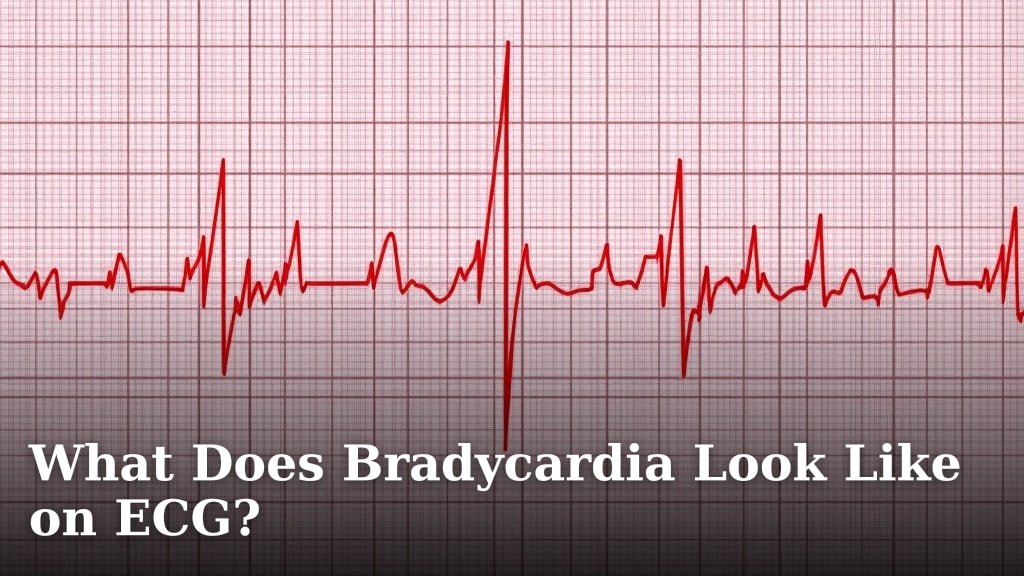
Before we dive in, let’s clear up a common question. You might hear “ECG” and “EKG” used interchangeably. Are they the same? Yes, they are! “ECG” stands for electrocardiogram, which comes from English. “EKG” comes from the German word Elektrokardiogramm. Both refer to the exact same test. They both record your heart’s electrical signals. Don’t worry about the different letters; they mean the same thing for your heart health.
Consumer-Friendly Options: Wearables and Personal ECG Devices
Many people find these devices incredibly helpful. They offer convenience and peace of mind. You can check your heart rhythm anytime, anywhere. Imagine being able to take an ECG reading when you feel a symptom. You can also learn about AFib signs without a monitor. This can provide valuable data for your doctor.
Wearable Smartwatches and Rings
Smartwatches are everywhere these days. Many leading brands now include an ECG function. You simply place your finger on the watch’s crown or sensor. Within 30 seconds, it records your heart rhythm. Some even offer continuous heart rate monitoring. This can alert you to irregularities. Smart rings are a newer option. They offer similar tracking in a more discreet design. They can track your heart rate, oxygen levels, and sometimes even take an ECG. This makes them ideal for discreet, everyday use.
- Pros: Always with you, easy to use, integrates with other health data, often stylish.
- Cons: Not always medical-grade accuracy, can be expensive, battery life concerns.
Portable Personal ECG Devices
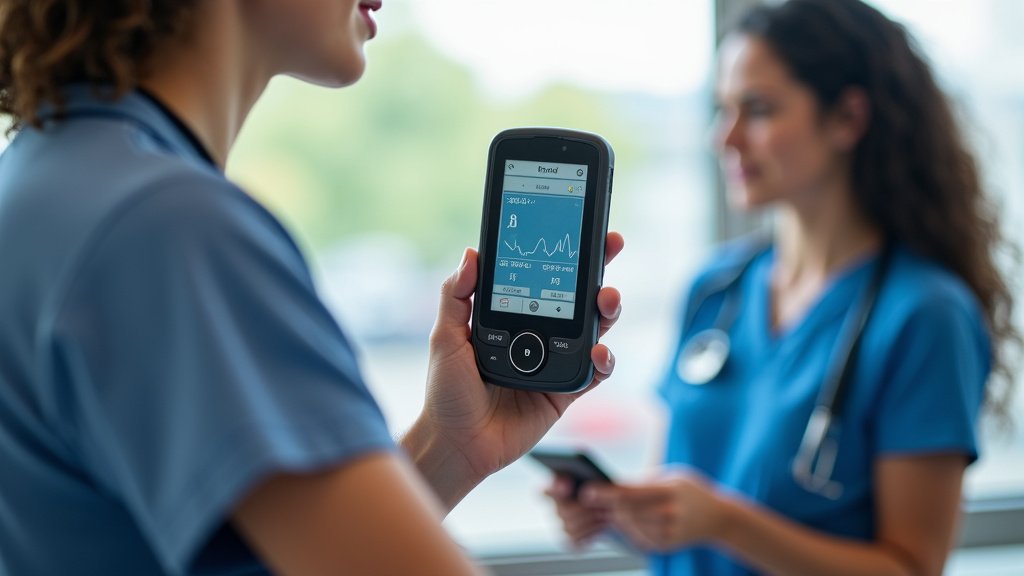
These are small, handheld gadgets. They are designed specifically for taking ECGs. Think of them as a miniature, personal heart monitor. You typically place your fingers or chest on the device. It then records a single-lead ECG. Many models connect to your smartphone. This allows you to save and share your readings. They are more focused than smartwatches. This often means they provide more reliable single-lead ECG data (American Heart Association).
- Pros: Focused on ECG, often more affordable than smartwatches, easy to share data with doctors.
- Cons: Another device to carry, not continuous monitoring, can feel less intuitive for some.
Medical-Grade Solutions: Doctor-Prescribed Monitors
Sometimes, your doctor needs more detailed information. This is where medical-grade monitors come in. These devices are often used for a specific period. They provide in-depth data that consumer devices might miss. They offer a clearer picture of your heart’s activity over time.
Holter Monitors
A Holter monitor is like a little detective for your heart. You wear it for 24 to 48 hours. It’s a small, portable device with electrodes attached to your chest. It continuously records every heartbeat. This helps doctors catch irregular rhythms that might not happen often. It’s great for symptoms that come and go. Think of it as a detailed diary of your heart’s electrical activity. Many people find it a little cumbersome but very useful for diagnosis.
- Pros: Comprehensive 24-48 hour recording, excellent for intermittent symptoms, diagnostic gold standard.
- Cons: Wires and electrodes can be inconvenient, can’t shower or swim, limited to short durations.
Event Recorders
Event recorders are similar to Holter monitors but used for longer periods. You wear them for weeks or even months. The difference? They only record when you activate them. You press a button when you feel a symptom. Or, some models can automatically detect an irregular rhythm. This is perfect for rare or infrequent AFib episodes. It’s like having a camera ready for those fleeting moments of trouble.
- Pros: Ideal for infrequent symptoms, worn for longer periods, activated by you or automatically.
- Cons: Requires patient cooperation to press button, still involves electrodes, can be less detailed than continuous monitors.
Patch Monitors
Patch monitors are a newer, more comfortable option. They are small, adhesive patches you wear on your chest. These patches can record your heart rhythm for up to 14 days or longer. They offer continuous monitoring without wires. You can often shower and go about your daily life. They combine the best of Holter and event monitors. They are discreet yet provide extensive data. Many patients find these much easier to tolerate (Cleveland Clinic).
- Pros: Wireless and discreet, continuous long-term monitoring, allows normal activities.
- Cons: Adhesion can be an issue for some skin types, still requires placement and removal, can be costly.
Key Features to Consider for Your ECG Monitor
When choosing, think about what truly matters to you. What will make using the device easy and effective? Here’s a quick checklist to guide you:
- Accuracy: Does it provide reliable readings?
- Ease of Use: Is it simple to operate for you?
- Portability: Can you take it with you easily?
- Battery Life: How long does it last on a single charge?
- Data Sharing: Can you easily send results to your doctor?
- Cost: Does it fit your budget, including subscriptions?
Here’s a simple comparison of some common types you might encounter:
| Monitor Type | Key Benefit | Best For |
|---|---|---|
| Wearable (Smartwatch/Ring) | Always on hand, discreet | Daily checks, general heart awareness |
| Personal Handheld ECG | Focused, easy data sharing | On-demand checks, symptom capture |
| Holter Monitor | Continuous short-term detail | Diagnosing frequent symptoms |
| Patch Monitor | Continuous long-term, comfortable | Diagnosing infrequent symptoms, ongoing monitoring |
Consulting Your Doctor is Always Best
We’ve talked about many options. But your doctor is your most important resource. They know your medical history. People managing diabetes can also compare options in our guide to ECG monitors for people with diabetes. They understand your specific AFib condition. Always discuss your monitoring needs with them. They can recommend the most appropriate device for you. Sometimes, a combination of devices might even be best. For example, you might use a personal ECG for daily checks and a prescribed monitor for detailed insights. Your doctor’s guidance ensures you’re getting the right kind of monitoring.
Conclusion
Choosing the best ECG monitor for AFib is a personal journey. We’ve seen that your ideal device balances convenience, accuracy, and your unique lifestyle. Whether it’s the constant data from a smartwatch, the focused readings of a personal ECG, or the in-depth oversight of a doctor-prescribed monitor, there’s an option for you. Your goal is to find what helps you and your doctor manage your heart health most effectively. Discuss these choices with your healthcare provider to ensure you select the monitor that truly fits your needs.
Frequently Asked Questions
What is the main difference between a consumer ECG device and a medical-grade one?
Consumer ECG devices offer convenience for personal tracking and early detection. They can provide useful information for your doctor. Medical-grade devices, often prescribed, undergo stricter regulatory approval. They are designed for diagnostic accuracy and are typically used to confirm or rule out conditions based on comprehensive data.
Can a smartwatch accurately detect AFib?
Many smartwatches can detect signs of AFib and alert you to potential irregularities. They are a good screening tool for many people. However, these readings should always be confirmed by a medical professional using a diagnostic ECG. Our guide to interpreting AFib on an ECG covers what a device alert can mean. They are not intended to replace a doctor’s diagnosis.
How often should I use my personal ECG monitor if I have AFib?
The frequency depends on your doctor’s recommendations and your symptoms. Some people use them daily for peace of mind. Others use them when they feel a symptom or on a schedule set by their care team. Always follow your doctor’s specific advice.
Are there any ongoing costs associated with personal ECG monitors?
Sometimes, yes. While the device itself is a one-time purchase, some apps or services linked to personal ECG monitors might require a subscription. This subscription can unlock features like advanced data analysis, cloud storage, or sharing capabilities. Check these details before you buy.
Can I shower or swim while wearing a Holter monitor or patch monitor?
Generally, you cannot shower or swim with a Holter monitor because of its wires and electrodes. Check our guide to swimming with an ECG monitor for device-specific considerations. Patch monitors are often designed to be water-resistant, allowing you to shower with them. Always confirm the specific instructions for your device with your doctor or the device manufacturer.