
Understanding ECG Results
What Is St Segment Elevation?
Learn what ST segment elevation is, its potential causes, and what it signifies for heart health. Understand this important ECG indicator.
Learn what ECG lines, readings, leads, intervals, and common results mean.
Learn what ST segment elevation is, its potential causes, and what it signifies for heart health. Understand this important ECG indicator.
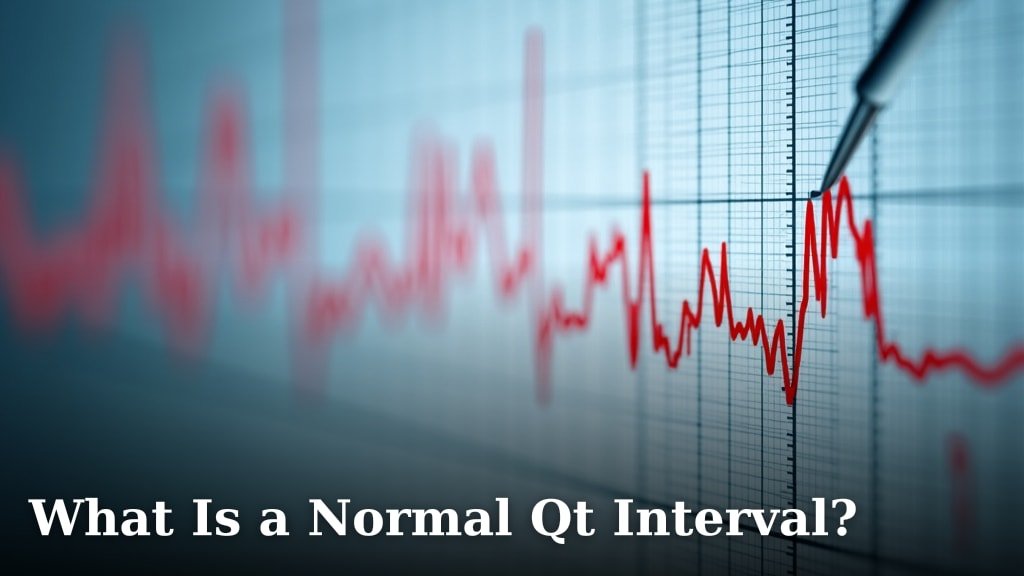
Understand what a normal QT interval is for heart health. Learn the typical range and why it matters for your well-being.

Confused by varied test results? Discover the common factors causing different readings each time you test and gain clarity.

Learn how to fix unclassified ECG reading errors with this guide. Understand common causes and find solutions to improve accuracy.

multiple ECG leads vs. one lead: learn how extra views capture heart activity from different angles and what that adds to a reading. See what to expect.

Preparing for your first ECG test at home? Learn what to expect, how to prepare, and understand the results to ease your concerns.

An abnormal ECG reading can be concerning. Learn what it means and the essential steps to take next for your heart health.

An inconclusive ECG reading can be concerning. Learn what it means and the next steps your doctor may recommend to get a clear diagnosis.
Learn how to ensure your ECG monitor is accurate. Understand key factors and signs to trust your readings for reliable heart health monitoring.

Understand your ECG reading. Learn what a normal ECG looks like and what signs to watch for to gain peace of mind about your heart health.

Understand the key differences between a 6 lead ECG and a 12 lead ECG to better interpret cardiac readings and gain essential diagnostic insights.
Discover how accurate home ECG monitors are compared to hospital EKGs. Learn what to expect and when to seek professional medical advice.

Learn how long a home ECG reading should take for accurate results. Understand the ideal duration for your heart health monitoring.

Wondering how long it takes to get ECG results? Learn about typical turnaround times and factors that influence them to understand your diagnosis timeline.
Discover the most accurate home ECG device for reliable heart health monitoring. Learn what to look for and find the best option for your needs.
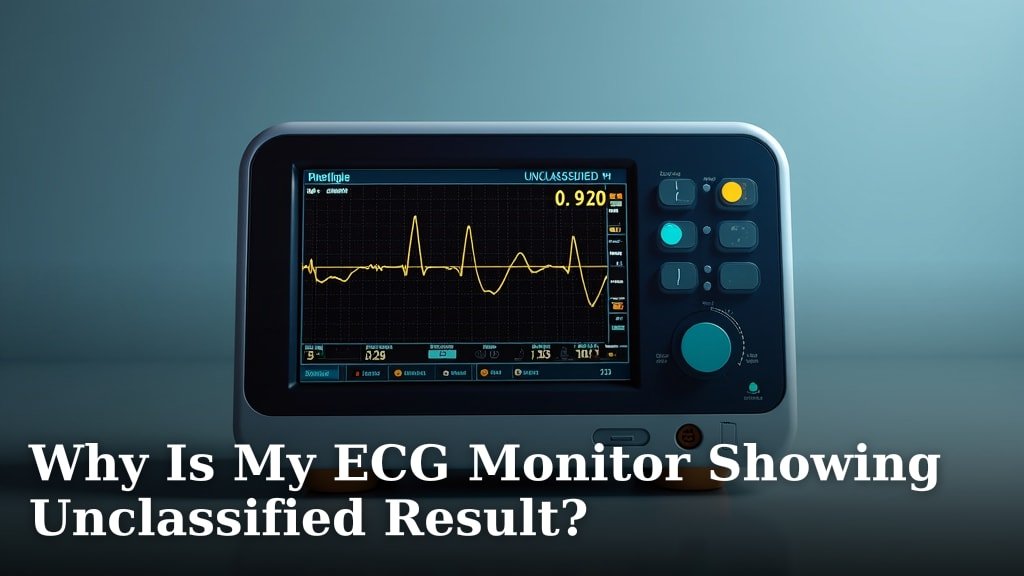
Is your ECG monitor showing an unclassified result? Understand common reasons for this outcome, from user error to device issues, and what steps to take next.
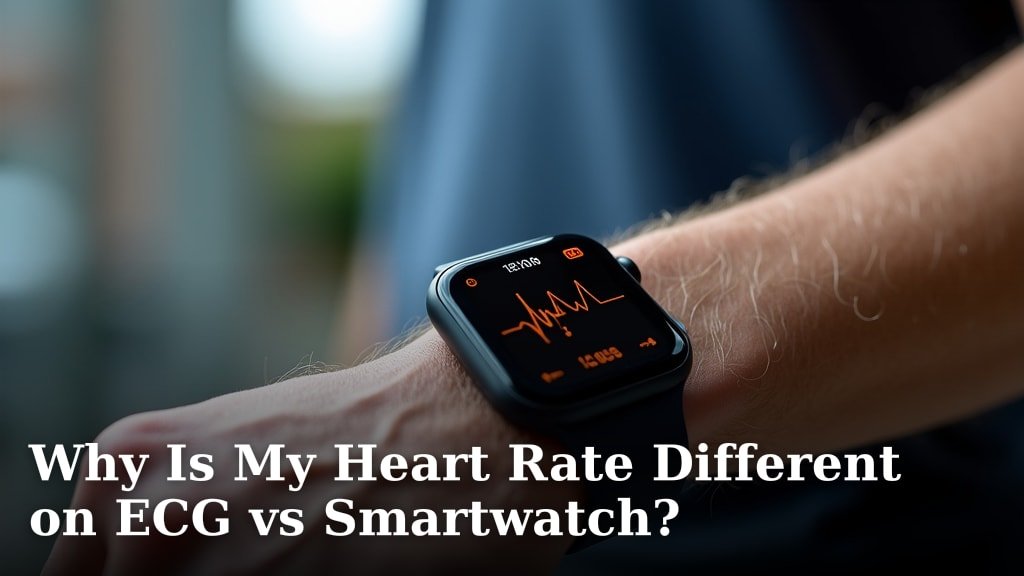
Confused why your heart rate differs on ECG vs smartwatch? Learn the key reasons behind these discrepancies and understand your heart data better.
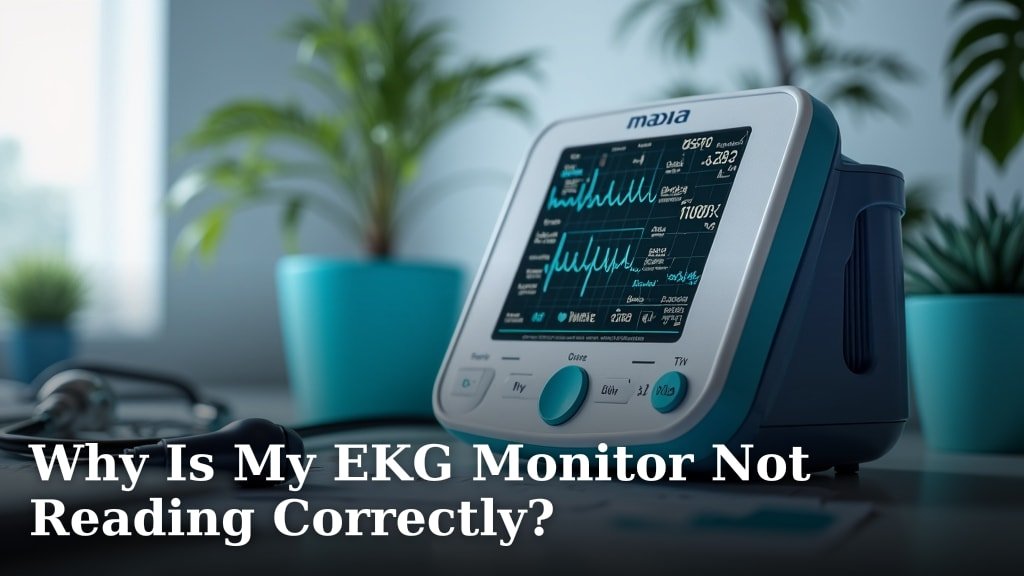
Is your EKG monitor not reading correctly? Learn common causes like electrode issues, movement, and device malfunctions to get accurate heart data.

Curious about exercise and your heart? Learn if you can take an ECG reading while exercising and what crucial insights it provides for your health.
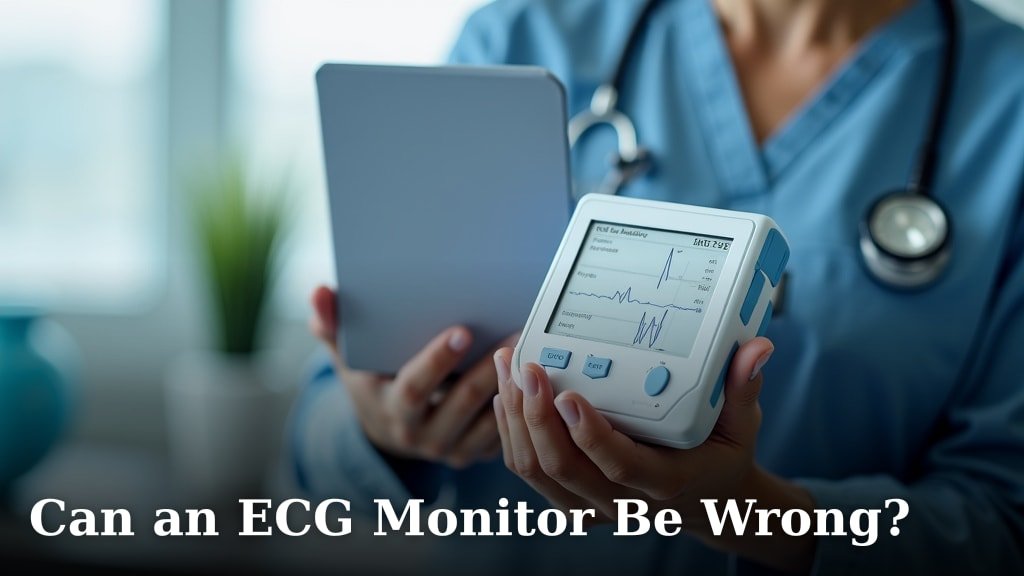
Can an ECG monitor be wrong? Learn common reasons for inaccurate readings, how they're identified, and when to seek further medical advice.

Is a 6 lead ECG better than a single lead? Uncover the differences, benefits, and limitations of each to make informed decisions about your heart health.
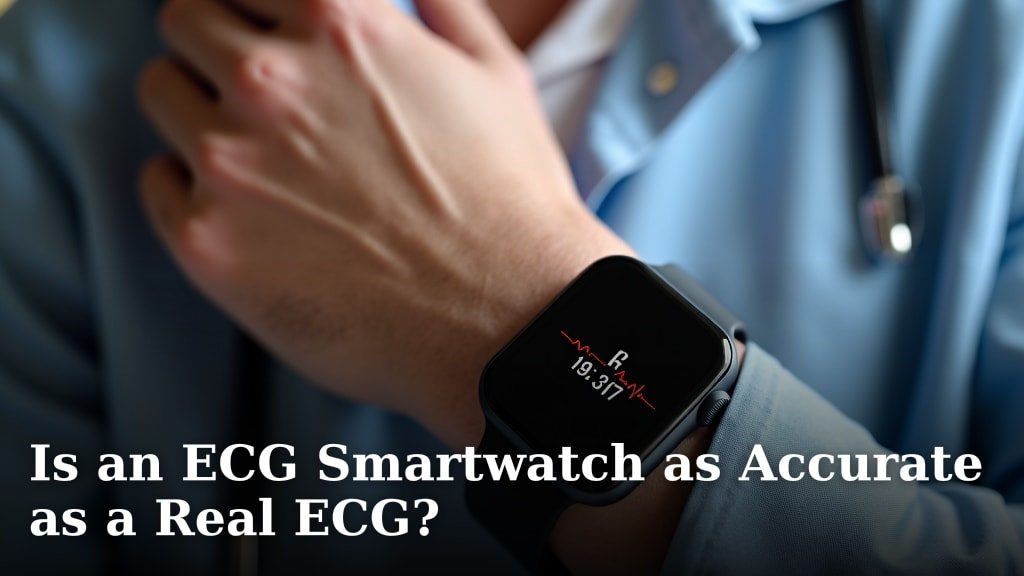
Curious about ECG smartwatches? Discover how they compare to a real ECG. Uncover their accuracy and limitations to make informed health decisions.

Wondering, "Is a personal ECG monitor accurate?" Discover the truth about their precision and how they can empower your heart health.
Demystify your heart's rhythm. Learn how to read an EKG at home with our guide, understanding key waveforms and what they mean for your health.

taking an ECG reading correctly: follow setup and electrode placement steps, avoid common errors, and improve recordings. See what to expect.

Demystify the 6 lead ECG. Learn what it is, how it works, and its benefits for heart health monitoring and early detection.

Uncover what a single lead ECG is, its purpose, and how it differs from a 12-lead. Understand this vital heart monitoring tool and what it reveals.

Understand what is considered an abnormal ECG, from common variations to serious issues. Learn to interpret results and when to seek medical advice.
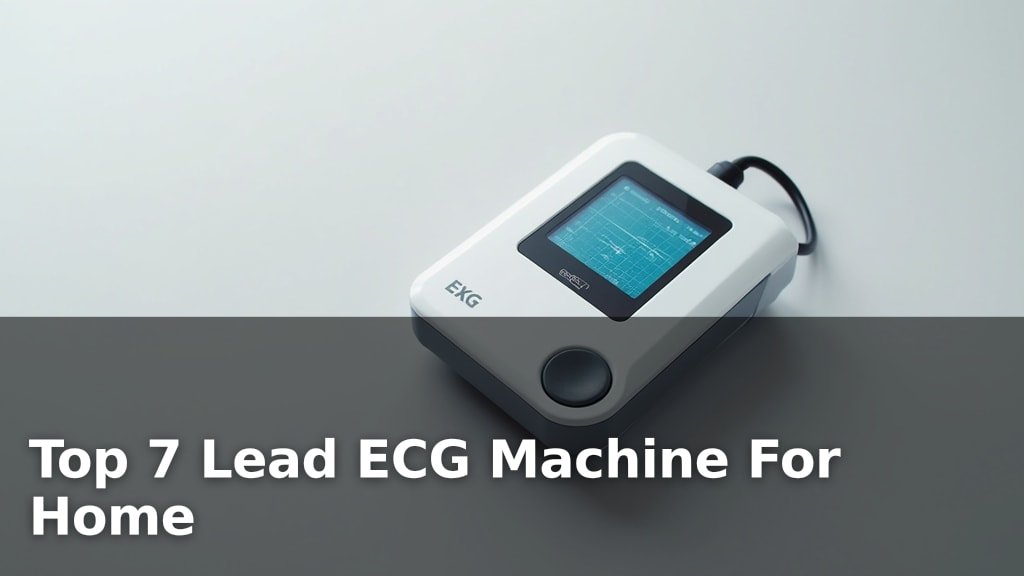
Discover the 7 best lead ECG machines for home use. Our fresh, hands-on review helps you find the perfect device for monitoring your heart health.
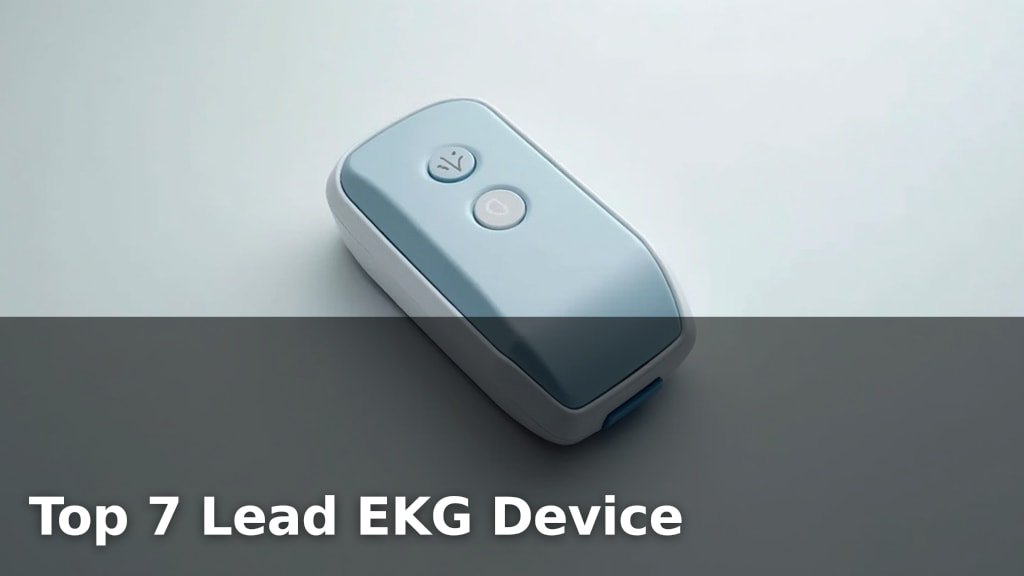
Discover the top 7 Lead EKG devices with our fresh, hands-on review. Find the perfect EKG device to suit your needs and budget.

Unlock the mysteries of your heart's electrical activity. Learn how to read an ECG strip and understand its vital rhythms with this guide.

Understand what a normal EKG result reveals about your heart health. Learn key indicators and when to seek medical advice for peace of mind.

Discover the top 7 lead ECG monitors with our fresh, hands-on reviews. Find the perfect device to accurately track your heart health needs.

Understand what is a normal ECG reading, from heart rhythm to wave patterns. Learn what these results mean for your heart health.

Discover what an ECG test is used for. Understand how this common diagnostic tool helps assess heart health and detect potential issues.

Unlock the secrets of single-lead ECGs. Discover how this vital heart monitoring tech works to provide essential health insights.
Home EKG devices are tested for accuracy through rigorous clinical trials comparing their readings to hospital-grade ECG machines, with most consumer devices
home EKG vs. ER care: learn what a home reading can show and which symptoms need urgent medical attention. See what to expect. Read the guide.
The 12-lead EKG remains the gold standard because it provides a complete view of your heart's electrical activity from 12 different angles, detecting problems
Your EKG changes when you breathe because breathing affects your heart’s rhythm through the nervous system and blood flow patterns.
cardiac axis on EKG: understand what the direction describes, how it is estimated, and why clinicians interpret it. See what to expect. Read the guide.
Tall T waves on EKG can signal hyperkalemia (high potassium levels), a serious condition that needs quick medical attention.
A flat line on EKG can result from loose electrodes, electrical interference, or machine problems - not just cardiac arrest.
Yes, a low battery can affect EKG accuracy by causing signal distortion, incomplete readings, and device malfunctions that compromise your heart rhythm
U wave on EKG: learn where this small wave appears, what it may mean, and why results need clinical context. See what to expect. Read the guide.
You can learn basic ECG interpretation, but you should never rely solely on your own analysis for medical decisions without professional guidance.
Finger-clip EKG devices typically achieve 85-95% accuracy compared to medical-grade equipment, while chest-strap EKG monitors generally deliver 90-98%
EKG artifacts: recognize common tracing errors, learn what may cause them, and improve recording quality. See what to expect. Read the guide.
A normal ST segment appears as a flat, horizontal line on an ECG that connects the QRS complex to the T wave, sitting at the same level as the baseline
To measure the RR interval on an EKG strip, find two consecutive R waves and count the number of large squares between their peaks, then multiply by 0.20
The J-point on your EKG reading is the spot where the QRS complex ends and the ST segment begins, appearing as a small junction between these two important
Home EKG devices can detect some heart rhythm problems, but they’re not good enough for complete medical diagnosis and shouldn’t replace
An inverted T wave on an EKG happens when the T wave points downward instead of upward, often indicating heart muscle problems or blood flow issues.
Normal P wave amplitude ranges from 0.5 to 2.5 millimeters (0.05 to 0.25 millivolts) in standard EKG leads, with the tallest waves typically seen in leads II
The number of ECG leads you need depends on your purpose: 1-lead for basic heart rhythm monitoring, 6-lead for intermediate cardiac assessment, and 12-lead
You can calculate heart rate from an EKG strip by counting the number of R-waves (the tall spikes) in a 6-second strip and multiplying by 10, or by measuring
Yes, your EKG can appear upside down if the limb leads are placed incorrectly, with the most common mistake being swapping the left and right arm electrodes.
Yes, home EKG devices can give false positives due to movement, poor contact, or device limitations. These incorrect readings happen when the device shows
Wandering baseline on EKG happens when the baseline shifts up and down during recording, creating wavy lines that make reading the heart rhythm difficult.
Smartwatch ECG accuracy ranges from 85-95% compared to doctor EKGs, which are considered the gold standard for heart rhythm detection.
normal QT interval by gender: learn how QT ranges can vary, what affects the measurement, and why interpretation needs context. See what to expect.
QRS duration on your EKG measures how long it takes electrical signals to travel through your heart’s lower chambers, with normal duration being 80-100
A normal PR interval on an EKG measures between 0.12 to 0.20 seconds (120-200 milliseconds), representing the time it takes for electrical signals to travel
A wavy EKG line usually means electrical interference or poor electrode contact is disrupting your signal. Most wavy patterns can be fixed by checking your
EKG devices measure your heart’s electrical activity while pulse oximeters count heartbeats through blood flow changes, which can create different heart
EKG paper squares follow the 0.04-second rule, where each small square represents 0.04 seconds of time on the horizontal axis.
Most home EKG devices are 85-95% accurate for detecting basic heart rhythm problems, but they’re not as precise as hospital-grade machines.
An “inconclusive” EKG result means the test couldn’t provide a clear reading of your heart’s electrical activity due to technical
Home EKG devices cannot reliably detect Brugada syndrome because this condition often shows normal heart rhythms during routine monitoring.
Yes, an EKG can detect signs of an enlarged heart by showing specific changes in electrical patterns, though it's not always 100% accurate for all cases.
Call a doctor after a home EKG test if you see irregular rhythms, chest pain symptoms, or readings that look different from your normal pattern.
You should worry about an EKG result if you see abnormal heart rhythms, signs of heart attack, or dangerous electrical patterns that suggest serious cardiac
A successful home EKG test requires proper preparation, correct electrode placement, staying still during recording, and understanding when to seek medical
EKG accuracy depends on proper device calibration, lead placement, and regular maintenance – most consumer devices achieve 95-99% accuracy when used
To switch leads on your portable EKG device, power off the unit first, then gently disconnect the old lead wires by pressing the connector tabs and pulling
Proper positioning for a resting ECG test requires you to lie flat on your back with arms relaxed at your sides and legs uncrossed.
A loose EKG lead causes inaccurate readings, false alarms, or complete signal loss – check for visible gaps, poor waveforms, or error messages on your
interpreting EKG lines: learn what common waves and shapes represent and why a clinician reads the full tracing. See what to expect. Read the guide.
You can calibrate a home ECG by cleaning the electrodes, placing them correctly on your skin, and running the device’s built-in calibration function
Using a finger-touch EKG is simple: place your fingers on the designated electrodes for 30 seconds while staying still and relaxed.
best position for a 1-lead ECG: learn whether sitting or lying down can help you get a steadier recording. See what to expect. Read the guide.
Reading an EKG strip at home involves identifying the basic heart rhythm patterns by looking at the P waves, QRS complexes, and T waves on the printed readout
EKG artifact can be fixed by ensuring proper skin preparation, secure electrode placement, and keeping the patient still during recording.
Getting a clear ECG reading requires proper electrode placement, staying still during the test, and ensuring your skin is clean and dry before starting.
EKG lead placement requires positioning electrodes on specific anatomical landmarks to capture accurate heart rhythm data. Proper lead placement follows
The heart’s electrical system consists of specialized cells that create and conduct electrical impulses to coordinate your heartbeat through the
An inverted T wave on your ECG may signal heart problems, but it’s not always dangerous and can appear in healthy people too.
ST segment elevation on an ECG is a warning sign that shows your heart muscle isn't getting enough blood, often during a heart attack.
T wave abnormality appears when the electrical recovery phase of your heartbeat shows unusual patterns on an ECG, often indicating heart muscle stress or
The QRS complex on your EKG shows how electricity moves through your heart’s main pumping chambers, with each wave representing a different part of this
The P wave is the first wave on your EKG strip that shows your heart’s upper chambers (atria) contracting to push blood into the lower chambers.
heart electrical signals: follow how signals travel through the heart and coordinate each heartbeat with a visual guide. See what to expect.
Smartwatch ECG features can detect some heart rhythm problems, but they're not as accurate as medical EKG machines used by doctors.
A 12-lead ECG is a heart test that uses 12 different electrical views to check your heart's rhythm, detect problems, and diagnose conditions like heart
purpose of an ECG: learn what the test records, why a doctor may order it, and what it can help evaluate. See what to expect. Read the guide.
EKG waves P, QRS, and T represent the electrical activity of your heart during each heartbeat, with P showing atrial contraction, QRS showing ventricular
ECG leads are the sensors or electrodes that attach to your body to measure electrical activity from your heart. They capture the heart’s electrical
EKG and ECG are exactly the same thing – they both refer to electrocardiograms, which are tests that record your heart’s electrical activity.
ECG vs. EEG: understand how an ECG records heart signals while an EEG measures brain activity. See what to expect. Read the guide. Find clear steps.
1-Lead ECG devices capture basic heart rhythm data with one electrode pair, while 6-Lead ECG systems provide detailed heart analysis from six different angles
An ECG measures your heart’s electrical activity through sensors placed on your skin, recording the rhythm, rate, and strength of electrical signals as
ECG vs. EKG: learn why the names refer to the same test and how the heart recording works. See what to expect. Read the guide. Find clear steps.
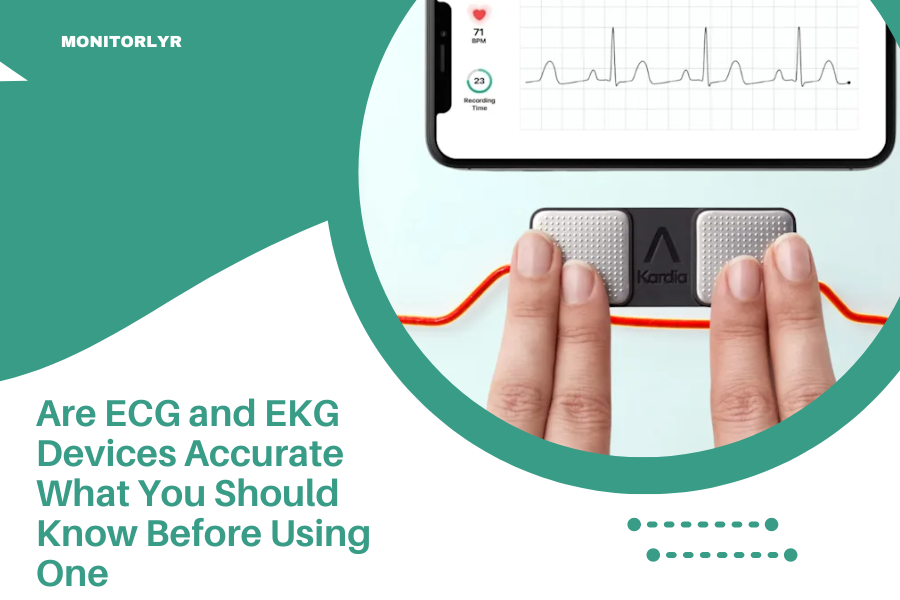
ECG and EKG device accuracy: see what home readings can show, what can affect them, and where their limits are. See what to expect. Read the guide.