What Causes AFib Episodes?
On this page (3 sections)
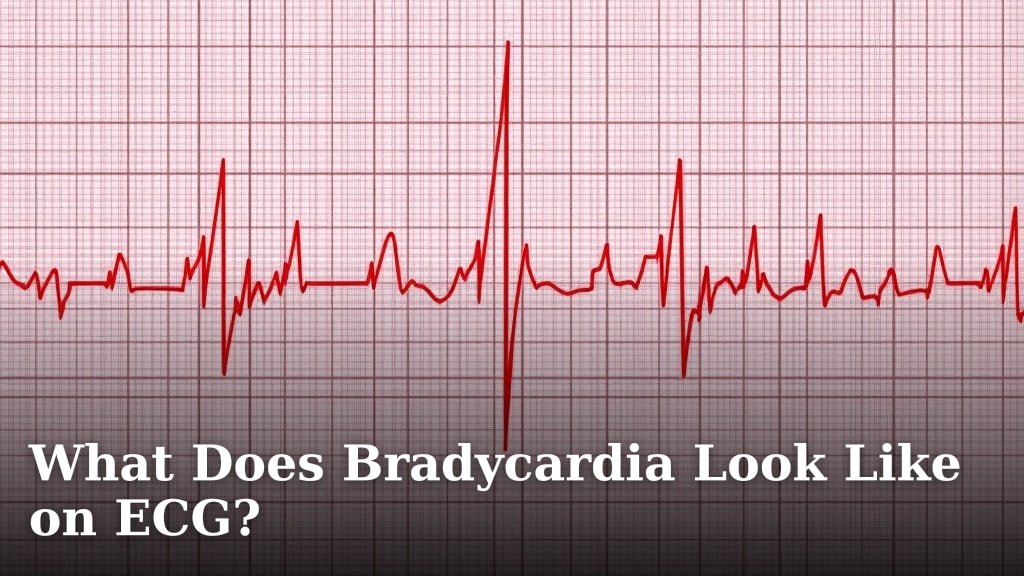
AFib episodes happen because of disorganized electrical signals in your heart’s upper chambers. These signals make your atria quiver instead of beating normally. This irregular rhythm can cause noticeable symptoms and requires attention.
Many things can trigger these episodes, from underlying health issues to daily habits. We found that understanding these triggers is a key step in managing the condition. You might be wondering, what causes your AFib to act up?
- AFib episodes are caused by chaotic heart signals.
- Triggers can be health problems or lifestyle factors.
- Common causes include high blood pressure and sleep apnea.
- Stress, alcohol, and caffeine can also play a role.
Let’s dive into the common culprits and less obvious factors that contribute to AFib episodes, helping you better understand your heart’s rhythm.
Understanding the Roots of AFib Episodes
AFib episodes stem from a chaotic electrical communication within your heart. These disruptions cause the upper chambers (atria) to quiver rapidly instead of contracting smoothly.
Think of your heart like a well-orchestrated band. Normally, a natural pacemaker sets the rhythm. With AFib, a rogue musician starts playing out of sync. This throws the whole performance off, leading to an irregular, often fast, heartbeat.
Primary Triggers: Common Causes We See
Many factors can act like an unexpected gust of wind, setting off an AFib episode. Some are chronic health conditions you manage every day. Others are more immediate, like lifestyle choices.
Underlying Health Conditions
Your overall health plays a big role in your heart’s stability. Certain medical conditions put extra strain on your heart, making it more prone to AFib. These are often things you might already be monitoring with your doctor.
-
High Blood Pressure: This is a major player. When your blood pressure is consistently high, your heart has to work harder. Over time, this extra effort can stretch and damage the heart’s chambers, particularly the left atrium. This creates an environment where electrical signals can misfire more easily (American Heart Association).
-
Heart Disease: Conditions like coronary artery disease, heart attack, or heart failure weaken the heart muscle. A weakened heart is less efficient and more susceptible to electrical irregularities. Any structural change in the heart can be a trigger.
-
Obesity: Carrying excess weight stresses your entire cardiovascular system. Obesity is linked to higher blood pressure, sleep apnea, and other issues that directly contribute to AFib. It’s a complex chain reaction that impacts heart health.
-
Sleep Apnea: This condition causes repeated pauses in breathing during sleep. These pauses lead to drops in blood oxygen and surges in blood pressure. Both can strain the heart and trigger AFib episodes. Many people with AFib also have undiagnosed sleep apnea.
-
Thyroid Disorders: An overactive thyroid gland (hyperthyroidism) can speed up your metabolism and heart rate. This increased activity can sometimes push your heart into an AFib rhythm. Getting thyroid levels balanced often helps manage this risk.
-
Diabetes: Uncontrolled blood sugar levels can damage blood vessels and nerves over time. This damage can affect the heart’s electrical system, increasing your risk for AFib. Managing diabetes is key for overall heart health.
Lifestyle and Environmental Factors that Can Spark AFib
Beyond chronic conditions, your daily habits and surroundings can also act as direct triggers. These are often things you have more immediate control over. What might seem like a harmless habit to one person could be a strong trigger for another.
Dietary and Substance Triggers
What you put into your body can have a surprisingly direct impact on your heart’s rhythm. You might notice certain foods or drinks consistently precede an episode. Keeping a trigger diary can be very helpful here.
-
Alcohol: Even moderate alcohol consumption can trigger AFib in some individuals. It’s often called “holiday heart syndrome” because episodes can occur after binge drinking or during festive occasions. Alcohol can disrupt the heart’s electrical pathways.
-
Caffeine: While moderate caffeine intake is generally safe for many, some people with AFib are very sensitive to it. Large amounts of coffee, energy drinks, or even some teas can act as a stimulant, potentially causing an irregular heartbeat.
-
Nicotine: Smoking or using other nicotine products significantly increases your risk of AFib. Nicotine is a stimulant that raises heart rate and blood pressure, putting extra stress on your heart. Quitting smoking is one of the best things you can do for your heart.
-
Certain Foods: Less common, but some people report AFib triggers from specific foods like highly processed items, those high in sodium, or very large meals. The exact link isn’t always clear, but individual reactions can vary widely.
Stress and Emotional Impact
Your mind and body are deeply connected. High levels of stress and strong emotions can certainly influence your heart rhythm. We often see a direct correlation between stressful events and AFib episodes.
-
Emotional Stress: Intense stress, anxiety, or even sudden excitement can release adrenaline and other stress hormones. These hormones act like a jolt to your heart, sometimes pushing it into AFib. Finding healthy ways to manage stress is incredibly important.
-
Physical Stress: Overexertion during exercise, especially if you’re not conditioned, or strenuous physical activity can also trigger an episode. While regular exercise is generally good for the heart, knowing your limits is key. Illnesses like the flu or pneumonia can also put physical stress on your system.
You might be wondering, how can you tell if something is truly a trigger or just a coincidence? It takes careful observation and sometimes a little detective work.
Less Obvious Contributors and Risk Enhancers
Sometimes, the causes aren’t as clear-cut as a specific health condition or a drink. There are other elements that can create a fertile ground for AFib to develop or for episodes to occur. Think of them as subtle influences that build up over time.
-
Age: Simply getting older increases your risk of AFib. As your heart ages, its electrical system can become more prone to glitches. It’s a natural part of the aging process for many.
-
Family History: If close family members have AFib, you might be more likely to develop it yourself. Genetics can play a role in how your heart’s electrical system is wired.
-
Surgery or Illness: Recovering from major surgery or battling an infection can temporarily put stress on your body. This can sometimes trigger new AFib or worsen existing AFib (Cleveland Clinic).
-
Certain Medications: Some over-the-counter and prescription medications can sometimes trigger AFib as a side effect. Always discuss any new symptoms with your doctor, especially when starting new medications.
-
Dehydration: Not drinking enough water can affect your body’s electrolyte balance. Electrolytes like potassium and sodium are crucial for proper heart function. An imbalance can sometimes upset the heart’s rhythm.
Why Understanding Your Triggers Matters
Knowing what sets off your AFib episodes is like having a personalized roadmap to better management. It empowers you to take proactive steps. For example, if you know stress is a trigger, you can focus on relaxation techniques.
You might find that your triggers are unique to you. What affects one person may not affect another. This is why self-observation is such a powerful tool in your AFib journey. We’ve found that tracking your symptoms and what you were doing beforehand can reveal valuable patterns.
Recognizing Your Personal AFib Triggers
How do you pinpoint what’s causing your episodes? It takes a bit of self-awareness and sometimes a diary. We suggest becoming a detective of your own heart’s rhythm.
| Trigger Category | What to Look For | Potential Action |
|---|---|---|
| Diet & Drink | Did I consume caffeine, alcohol, or a large meal before an episode? | Reduce or eliminate suspected items. Note reactions. |
| Physical Activity | Was I overexerting myself? Was I dehydrated? | Adjust exercise intensity. Stay hydrated. |
| Emotional State | Was I feeling highly stressed, anxious, or angry? | Practice stress-reduction techniques (meditation, deep breathing). |
| Health Status | Was I feeling sick (cold, flu)? Was my sleep disrupted? | Prioritize rest and recovery. Manage underlying conditions. |
| Medication Use | Did I start a new medication or change a dose? | Discuss with your doctor about potential side effects. |
This table is a general guide, of course. Your body is unique, and so are its responses. That’s why personalized observation is so essential.
Your AFib Trigger Checklist: A Quick Reference
To help you keep track, here’s a small checklist. Consider if any of these commonly apply to you. This isn’t a diagnostic tool, but a prompt for discussion with your healthcare provider.
-
Do you frequently experience high levels of stress or anxiety?
-
Do you consume more than a moderate amount of alcohol or caffeine?
-
Have you been diagnosed with high blood pressure, heart disease, or sleep apnea?
-
Do you have a family history of AFib?
-
Are you currently battling an infection or recovering from surgery?
-
Have you noticed a pattern with specific foods or physical exertion?
By carefully monitoring these aspects, you can start to paint a clearer picture of what influences your heart’s rhythm. Sharing this information with your doctor is a crucial step in managing your AFib effectively.
Conclusion
Understanding what causes your AFib episodes is a powerful step towards better heart health. You’ve learned about common triggers, from underlying health conditions like high blood pressure and sleep apnea to lifestyle factors such as stress, alcohol, and caffeine.
Pinpointing your personal triggers through careful observation and tracking can truly make a difference. We encourage you to use this knowledge. Start a trigger diary, discuss your findings with your doctor, and work together to create a personalized management plan. Your proactive approach can lead to fewer episodes and an improved quality of life.
Frequently Asked Questions
Can dehydration really cause AFib?
Yes, dehydration can sometimes contribute to AFib episodes. It can disrupt your body’s electrolyte balance, which is vital for proper heart function. Maintaining good hydration helps your heart maintain a stable rhythm.
Is it possible to have AFib without any noticeable symptoms?
Absolutely. Some people experience “silent AFib” where they don’t feel any symptoms, even during an episode. This is one reason regular check-ups are important, especially if you have risk factors.
If I manage my triggers, can my AFib go away completely?
Managing triggers can significantly reduce the frequency and severity of AFib episodes. While it might not make AFib “go away” if it’s a chronic condition, it’s a key part of controlling it and improving your heart’s stability. Always follow your doctor’s treatment plan.
Are energy drinks particularly bad for people with AFib?
Energy drinks are often high in caffeine and other stimulants. For many with AFib, these can be potent triggers, increasing heart rate and electrical instability. It’s generally wise to avoid them if you have AFib or are prone to arrhythmias.
How quickly can a trigger cause an AFib episode?
The timeframe can vary widely among individuals. Some triggers, like a sudden burst of stress or a large amount of alcohol, can lead to an episode within minutes or a few hours. Other triggers, like chronic conditions, build up risk over time.