How to Identify SVT (Supraventricular Tachycardia)
On this page (11 sections)
- What Is SVT and Why Should You Care?
- Recognizing SVT Symptoms in Your Body
- How Doctors Identify SVT on ECG/EKG Tests
- Simple Ways to Check Your Heart Rhythm at Home
- What Triggers SVT Episodes?
- When to Seek Medical Help for SVT
- Professional Tests Doctors Use
- Simple Techniques to Stop SVT Episodes
- Long-term Management Strategies
- Living with SVT: Practical Tips
- Conclusion
SVT (Supraventricular Tachycardia) appears as a heart rate above 150 beats per minute with narrow QRS complexes on an ECG, often starting and stopping suddenly.
You can identify SVT by recognizing its characteristic rapid, regular rhythm, a fast heart rate that originates above the heart’s ventricles and typically causes symptoms like palpitations or dizziness.
What Is SVT and Why Should You Care?
Think of your heart as a well-tuned orchestra. When SVT happens, it’s like the conductor suddenly speeds up the tempo to double time without warning.
SVT is a type of abnormal heart rhythm where your heart beats too fast. The “supraventricular” part means the problem starts above your heart’s main pumping chambers.
Most SVT episodes aren’t life-threatening. But they can make you feel awful and disrupt your daily life.
Who Gets SVT Most Often?
SVT can happen to anyone at any age. Research shows it affects about 2.3 per 1,000 people (Cleveland Clinic).
Young adults and middle-aged people see it most often. Women experience SVT slightly more than men.
Recognizing SVT Symptoms in Your Body
Your body gives you clear signals when SVT strikes. Listen to what it’s telling you.
The Most Common Warning Signs
- Heart palpitations that feel like racing or pounding
- Sudden onset of rapid heartbeat
- Chest discomfort or tightness
- Shortness of breath
- Dizziness or lightheadedness
- Sweating without physical activity
How SVT Feels Different from Normal Heart Racing
Regular exercise makes your heart beat faster gradually. SVT is different.
With SVT, your heart rate jumps from normal to very fast in seconds. It’s like flipping a light switch instead of using a dimmer.
When SVT Becomes Dangerous
Most SVT episodes are uncomfortable but not dangerous. Watch for these serious signs:
- Chest pain that feels crushing or severe
- Fainting or near-fainting
- Severe shortness of breath
- Episodes lasting longer than 30 minutes
How Doctors Identify SVT on ECG/EKG Tests
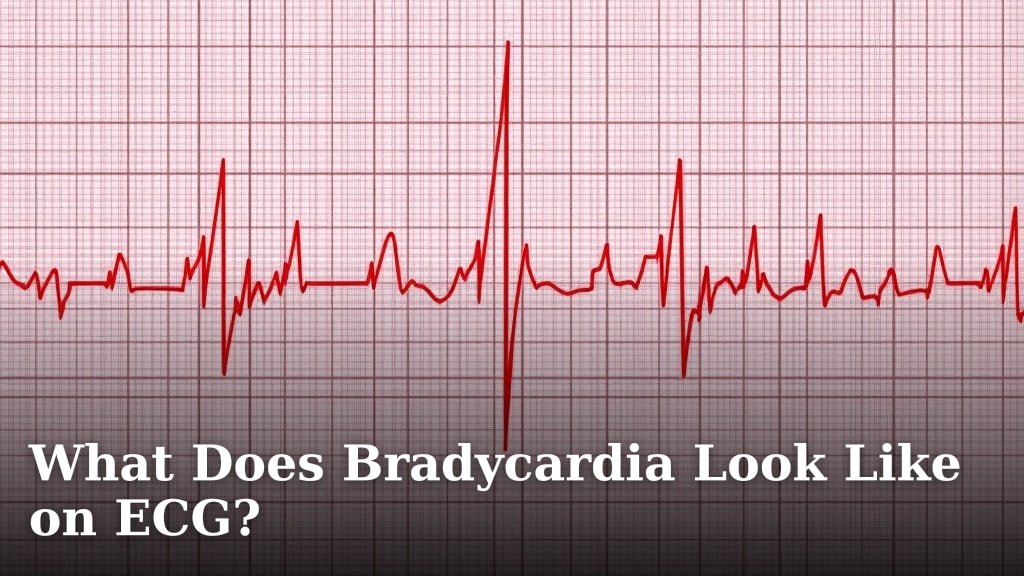
An ECG is like taking a snapshot of your heart’s electrical activity. It shows doctors exactly what’s happening.
Key ECG Features That Scream SVT
When I researched SVT patterns, I found that doctors look for specific clues on the ECG printout.
Heart Rate Patterns
SVT typically shows heart rates between 150-250 beats per minute. Normal resting heart rate is 60-100 beats per minute.
The rhythm usually looks very regular, like a metronome keeping perfect time.
QRS Complex Appearance
The QRS complex represents your heart’s main pumping action. In SVT, these complexes look narrow and normal-shaped.
This narrow appearance helps doctors tell SVT apart from other fast heart rhythms.
Different Types of SVT on ECG
Not all SVT looks the same on an ECG. Here are the main types doctors see:
AVNRT (AV Nodal Reentrant Tachycardia)
This is the most common type. The ECG often shows no clear P waves, or P waves hidden in the QRS complexes.
AVRT (AV Reentrant Tachycardia)
With this type, you can usually see P waves that come after the QRS complexes.
Atrial Tachycardia
P waves appear before each QRS complex, but they look different from normal P waves.
Simple Ways to Check Your Heart Rhythm at Home
You don’t need fancy equipment to get useful information about your heart rhythm.
The Pulse Check Method
Place two fingers on your wrist, just below your thumb. Count the beats for 15 seconds and multiply by four.
During SVT, you’ll feel a very fast, regular pulse that’s usually over 150 beats per minute.
What Normal vs. SVT Pulse Feels Like
A normal pulse feels like gentle, regular tapping. SVT feels like rapid machine-gun fire under your fingers.
Using Smartphone Apps and Wearable Devices
Many smartphones can detect heart rhythm using their cameras and flashlights. Popular apps can give you a rough heart rate reading.
Smartwatches and fitness trackers also monitor heart rhythm. They can alert you when your heart rate gets unusually high.
Limitations of Home Monitoring
Home methods give you useful clues, but they can’t replace professional medical testing. They might miss important details or give false readings.
What Triggers SVT Episodes?
Understanding your triggers helps you avoid future episodes. Common triggers vary from person to person.
Physical Triggers
- Caffeine from coffee, tea, or energy drinks
- Alcohol consumption
- Dehydration
- Lack of sleep
- Intense physical exercise
Emotional and Mental Triggers
- High stress levels
- Anxiety attacks
- Sudden emotional shock
- Panic situations
Medical Conditions That Increase SVT Risk
Certain health conditions make SVT more likely to happen:
- Thyroid problems
- Heart disease
- High blood pressure
- Sleep apnea
When to Seek Medical Help for SVT
Knowing when to get help can prevent complications and give you peace of mind.
Emergency Situations
Call 911 right away if you experience:
- Severe chest pain
- Trouble breathing
- Fainting
- Heart rate over 200 beats per minute
When to Schedule a Doctor Visit
Make an appointment if SVT episodes happen regularly or interfere with your daily activities.
Your doctor can run tests to confirm the diagnosis and discuss treatment options.
Professional Tests Doctors Use
Medical professionals have several tools to diagnose SVT accurately.
12-Lead ECG
This standard test gives doctors a complete picture of your heart’s electrical activity from 12 different angles.
Holter Monitor
You wear this portable device for 24-48 hours. It records every heartbeat during your normal daily activities.
Event Monitor
Unlike a Holter monitor, you activate this device when you feel symptoms. It’s useful for catching occasional episodes.
Electrophysiology Study
For complex cases, doctors might recommend this specialized test. They insert thin wires into your heart to study its electrical system in detail.
Simple Techniques to Stop SVT Episodes
You can often stop SVT episodes using simple maneuvers that reset your heart’s rhythm.
Vagal Maneuvers
These techniques stimulate your vagus nerve, which can slow your heart rate naturally.
The Valsalva Maneuver
Take a deep breath and bear down like you’re having a bowel movement. Hold for 10-15 seconds, then release suddenly.
Cold Water Face Immersion
Splash very cold water on your face or hold your breath and put your face in cold water for a few seconds.
Other Helpful Techniques
- Cough forcefully several times
- Massage your carotid artery gently (only if taught by a doctor)
- Lie down and elevate your legs
Long-term Management Strategies
Managing SVT involves both preventing episodes and knowing how to handle them when they occur.
Lifestyle Changes That Help
Small changes in your daily routine can make a big difference:
- Limit caffeine intake
- Stay well-hydrated
- Get regular, quality sleep
- Manage stress through relaxation techniques
- Avoid known triggers
Medical Treatment Options
From what I found in medical literature, doctors have several treatment approaches (Mayo Clinic):
Medications
Beta-blockers and calcium channel blockers can prevent SVT episodes or slow your heart rate during episodes.
Catheter Ablation
For frequent episodes, this procedure can cure SVT by destroying the abnormal electrical pathway causing the problem.
Living with SVT: Practical Tips
Having SVT doesn’t mean you can’t live a normal, active life. You just need to be smart about it.
Exercise and Physical Activity
Regular exercise is usually fine with SVT. Start slowly and listen to your body.
Avoid sudden, intense bursts of activity that might trigger episodes.
Work and Daily Activities
Most people with SVT can work normally. Just be prepared with techniques to manage episodes if they happen.
Consider telling trusted colleagues about your condition so they can help if needed.
Conclusion
Identifying SVT starts with recognizing its telltale signs: a sudden, rapid heartbeat above 150 beats per minute that begins and ends abruptly. Whether you’re checking your pulse at home or looking at an ECG, the key features remain consistent – a fast, regular rhythm with narrow QRS complexes that originates above the heart’s ventricles.
Remember that while SVT can feel scary, it’s usually not dangerous. Learning to identify it empowers you to take appropriate action, whether that’s using vagal maneuvers at home or seeking medical care when necessary. With proper recognition and management, you can live confidently with SVT and maintain an active, fulfilling life.
Can SVT happen during sleep?
Yes, SVT can occur during sleep, though it’s less common than during waking hours. You might wake up with a racing heart, sweating, or feeling anxious. Sleep-related SVT often connects to sleep apnea, caffeine consumed late in the day, or stress.
Is SVT hereditary or genetic?
Some types of SVT can run in families, particularly those associated with extra electrical pathways in the heart. If you have family members with SVT or sudden cardiac events, mention this to your doctor as it may influence your treatment plan.
Can pregnancy trigger SVT episodes?
Pregnancy can increase SVT frequency due to hormonal changes, increased blood volume, and physical stress on the heart. Most SVT during pregnancy is manageable, but you should work closely with both your cardiologist and obstetrician for proper monitoring.
How long do typical SVT episodes last?
Most SVT episodes last anywhere from a few minutes to several hours. Many people find their episodes stop within 10-20 minutes, especially when using vagal maneuvers. Episodes lasting longer than 30 minutes warrant immediate medical attention.
Can certain foods or supplements cause SVT?
Yes, several substances can trigger SVT including caffeine, alcohol, energy drinks, diet pills, and some herbal supplements like ephedra or guarana. Chocolate, which contains caffeine and theobromine, can also trigger episodes in sensitive individuals.