What Is Orthostatic Hypotension?
On this page (8 sections)
- Understanding Sudden Drops in Blood Pressure When Standing
- Why Does Your Blood Pressure Dip When You Stand?
- What Does It Feel Like? Recognizing the Symptoms
- How Is Orthostatic Hypotension Diagnosed?
- Managing and Preventing Orthostatic Hypotension
- The Impact on Daily Life
- Conclusion
- Frequently Asked Questions
Orthostatic hypotension is a sudden drop in blood pressure that happens when you stand up from sitting or lying down. You might feel dizzy, lightheaded, or even faint. This is often caused by your body not adjusting its blood pressure quickly enough. We found that many people experience this at some point.
It’s important to understand what triggers this blood pressure change. Factors like dehydration, certain medications, or underlying health conditions can play a role. Knowing the signs can help you prevent falls and other injuries. Researchers have noted it can be a temporary issue for some.
- Orthostatic hypotension means your blood pressure drops when you stand.
- Symptoms can include dizziness and lightheadedness.
- It’s often related to how your body handles blood flow changes.
- Several factors can contribute to its occurrence.
- Understanding it helps manage symptoms and prevent falls.
Let’s dive into what orthostatic hypotension is, why it happens, and what you can do about it.
Understanding Sudden Drops in Blood Pressure When Standing
Orthostatic hypotension is essentially your body’s autonomic nervous system having a bit of a hiccup. Think of it like this: when you stand up, gravity pulls blood down towards your legs and feet. Your body usually has a quick response system to counteract this. It sends signals to your blood vessels to tighten up and your heart to beat a little faster. This helps push blood back up to your brain, keeping your blood pressure steady.
But with orthostatic hypotension, this response is delayed or not strong enough. So, when you stand, blood pools in your lower body. This causes a noticeable drop in blood pressure. Your brain doesn’t get enough oxygen for a moment. That’s what leads to those dizzy or lightheaded feelings you might experience. We’ve found that this is a common occurrence for many people at some point in their lives.
Why Does Your Blood Pressure Dip When You Stand?
Several factors can interfere with your body’s natural blood pressure regulation. It’s not usually one single thing, but rather a combination of elements. Your body is a complex system, and sometimes, a few parts just aren’t working in perfect harmony.
The Role of Dehydration and Volume
One of the most common culprits is simple dehydration. When you don’t have enough fluid in your body, your blood volume decreases. Less blood volume means there’s less blood for your heart to pump around. This makes it harder for your body to quickly adjust your blood pressure when you change positions. It’s like trying to fill a bucket with less water; there’s just not as much to go around.
Many experts point out that even mild dehydration can trigger symptoms. We found that not drinking enough water, especially in hot weather or during illness, is a major contributor. Think about it – if your body is running on low fluids, it’s struggling to maintain all its normal functions, including steady blood pressure.
Medications That Can Affect Blood Pressure
Did you know that some common medications can also cause or worsen orthostatic hypotension? Certain drugs are designed to lower blood pressure, which is great for conditions like hypertension. However, they can sometimes lower it too much, especially when you stand up. These include diuretics, beta-blockers, and alpha-blockers (Mayo Clinic).
Other medications can affect your nervous system’s ability to regulate blood pressure. These might include certain antidepressants, medications for Parkinson’s disease, and even some drugs used to treat erectile dysfunction. It’s really important to talk to your doctor if you suspect a medication is causing issues. They can often adjust the dosage or find an alternative.
Underlying Health Conditions
Orthostatic hypotension can also be a sign of an underlying health problem. Conditions that affect your nervous system are often involved. This is because your autonomic nervous system controls involuntary functions like blood pressure. Some examples include:
- Parkinson’s disease and other neurodegenerative disorders.
- Diabetes, which can damage nerves over time.
- Certain heart conditions, like arrhythmias or valve problems.
- Adrenal insufficiency, where your body doesn’t produce enough certain hormones.
Research and found that conditions affecting blood vessel function or blood volume can also be a factor. This might include things like anemia or long periods of bed rest. If you’re experiencing frequent orthostatic hypotension, it’s wise to get a medical check-up to rule out any serious conditions.
Age and Other Factors
As we get older, our bodies naturally become a bit less efficient at regulating blood pressure. The mechanisms that help maintain blood flow when standing can slow down. So, it’s more common to see orthostatic hypotension in older adults. We found that age alone isn’t a cause, but it can make you more susceptible.
Other factors like prolonged sitting or lying down, and even things like pregnancy, can sometimes contribute. Even the simple act of standing up too quickly after a long meal can sometimes cause a temporary dip.
What Does It Feel Like? Recognizing the Symptoms
The symptoms of orthostatic hypotension are usually quite distinct. They happen suddenly when you change position and tend to go away once you sit or lie down again. You might feel:
- Dizzy or lightheaded.
- Like the room is spinning (vertigo).
- A sense of weakness or unsteadiness.
- Blurred or tunnel vision.
- Nausea.
- Even fainting (syncope) in some cases.
It’s that moment of disorientation when your body feels like it’s not quite catching up. Some people describe it as feeling “woozy.” If these sensations are new or concerning, it’s always best to consult with a healthcare professional.
How Is Orthostatic Hypotension Diagnosed?
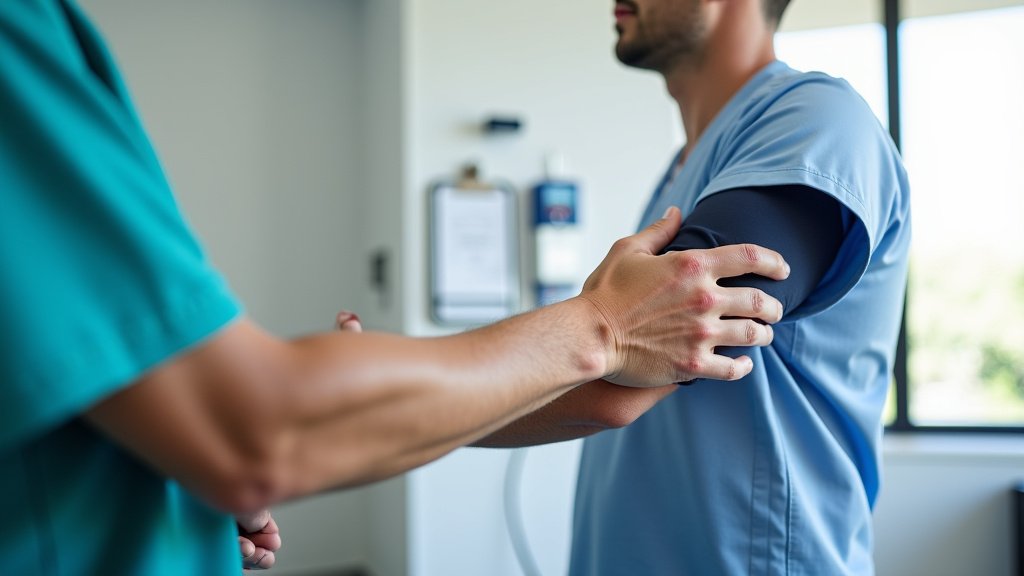
Diagnosing orthostatic hypotension is usually straightforward. Your doctor will likely want to know about your symptoms and medical history. They’ll also perform a physical exam, which includes taking your blood pressure and heart rate in different positions.
The most common diagnostic test is called a tilt table test. You’ll lie on a table that slowly tilts you into a standing position. Your blood pressure and heart rate are monitored throughout. This helps pinpoint exactly when and how much your blood pressure drops. Sometimes, other tests might be done to check for underlying causes, like blood tests to look for anemia or hormone levels.
Managing and Preventing Orthostatic Hypotension
The good news is that there are often simple strategies you can use to manage and prevent the symptoms of orthostatic hypotension. The approach usually depends on the underlying cause, but many tips are helpful for everyone.
Lifestyle Adjustments to Consider
Simple changes in your daily routine can make a big difference. Here are a few things we found helpful:
Stay Hydrated: Drink plenty of fluids throughout the day, especially water. If you’re sweating a lot, be sure to replenish those fluids. Some experts suggest increasing salt intake slightly, but only under a doctor’s guidance, as too much salt isn’t healthy for everyone.
Move Slowly: When you stand up, do it slowly. First, sit on the edge of your bed or chair for a minute. Then, stand up gradually. This gives your body time to adjust. Avoid sudden movements or standing up too quickly.
Compression Stockings: Wearing graduated compression stockings can help prevent blood from pooling in your legs. These are specially designed socks that are tighter at the ankle and gradually looser as they go up your leg. They help push blood back up towards your heart. We’ve seen many people find relief with these.
Dietary Changes: Some people find that eating smaller, more frequent meals helps. Large meals, especially those high in carbohydrates, can sometimes trigger a blood pressure drop after eating. Your doctor might also suggest dietary changes specific to your condition.
When to See Your Doctor
It’s important to consult with your doctor if you experience orthostatic hypotension frequently, if the symptoms are severe, or if you faint. They can help determine the cause and create a personalized treatment plan.
Don’t hesitate to discuss any new medications with your doctor, especially if you notice symptoms after starting a new one. They can check if it might be contributing to your blood pressure issues. Keeping an open dialogue with your healthcare provider is key to managing this condition effectively.
A Quick Checklist for Managing Symptoms
Here’s a quick rundown of things you can do:
- Drink plenty of water throughout the day.
- Stand up slowly from sitting or lying down.
- Consider wearing compression stockings if recommended.
- Avoid skipping meals; opt for smaller, more frequent ones.
- Discuss any new medications with your doctor promptly.
- Listen to your body and sit or lie down if you feel symptoms.
The Impact on Daily Life
Experiencing orthostatic hypotension can sometimes make daily activities feel a bit challenging. The fear of feeling dizzy or even fainting can make people hesitant to move around. This is especially true for older adults, where falls can lead to more serious injuries. We found that managing this condition often involves not just medical treatment but also building confidence in everyday movements.
Many individuals find that once they understand the triggers and implement some of the management strategies, they can significantly reduce the frequency and severity of their symptoms. It’s about taking small steps to regain control and feel more secure in your own body. Knowing what’s happening and having a plan can make a world of difference.
Conclusion
Understanding orthostatic hypotension means you’re better equipped to manage its effects. You’ve learned that it’s a common blood pressure dip upon standing, often linked to hydration, medications, or health conditions. Knowing the symptoms like dizziness and lightheadedness is key to preventing falls and discomfort. By making simple lifestyle adjustments, such as standing slowly and staying hydrated, you can significantly improve your daily experience. Don’t hesitate to talk to your doctor about any concerns. Taking these steps can help you feel more in control and secure throughout your day.
Frequently Asked Questions
What’s the difference between orthostatic hypotension and just feeling dizzy sometimes?
Orthostatic hypotension is a specific type of dizziness that happens predictably when you change positions, usually from sitting or lying down to standing. It’s caused by a sudden drop in blood pressure. General dizziness can have many causes and might not be tied to standing.
Can I prevent orthostatic hypotension if I’m prone to it?
Yes, you can often manage and prevent symptoms. Key strategies include drinking plenty of fluids, standing up slowly, and possibly wearing compression stockings if your doctor recommends them. Eating smaller, more frequent meals may also help some individuals.
Is orthostatic hypotension a serious condition?
While the feeling can be alarming, orthostatic hypotension itself is often manageable. The main concern is the risk of falls and injuries due to fainting or unsteadiness. It can also be a sign of an underlying health issue that needs attention.
How quickly should I feel better after sitting down if I have orthostatic hypotension?
Typically, the symptoms of orthostatic hypotension resolve fairly quickly once you return to a sitting or lying position. Your blood pressure should return to normal within a minute or two, making the dizziness or lightheadedness subside.
Can I still exercise if I have orthostatic hypotension?
Many people with orthostatic hypotension can exercise safely, but it’s important to be cautious. Always stand up slowly from exercises. Discuss your exercise plans with your doctor to ensure they are appropriate for your specific situation and to get advice on how to manage symptoms during physical activity.