Sick Sinus Syndrome: EKG Signs and Symptoms
On this page (9 sections)
Sick sinus syndrome shows specific EKG signs including slow heart rates below 60 beats per minute, irregular rhythms, and long pauses between heartbeats. For another question about home EKG limits, see our guide to home EKG and long QT.
You’ll typically see symptoms like dizziness, fatigue, chest pain, and fainting spells that match the abnormal EKG patterns your doctor finds.
What Is Sick Sinus Syndrome?
Your heart’s natural pacemaker isn’t working right. That’s sick sinus syndrome in simple terms.
The sinus node sits in your heart’s upper right chamber. Think of it as your heart’s electrical control center. When it malfunctions, your heartbeat becomes unreliable.
This condition affects about 3 in every 5,000 people. Most cases happen after age 50, though younger people can develop it too (Cleveland Clinic).
How Your Heart’s Electrical System Works
Your sinus node sends electrical signals about 60 to 100 times per minute. These signals tell your heart chambers when to squeeze and pump blood.
When sick sinus syndrome develops, these signals become weak, irregular, or stop completely. Your heart struggles to maintain a steady rhythm.
Main EKG Signs of Sick Sinus Syndrome
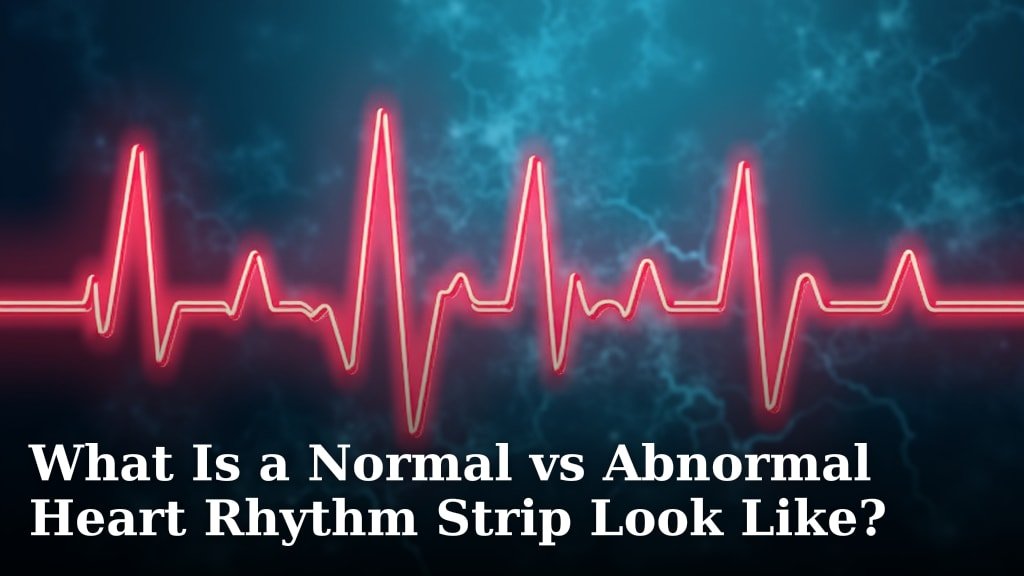
Your doctor will look for several telltale patterns on your EKG strip. These signs often appear together, creating a clear picture of sinus node problems.
Sinus Bradycardia
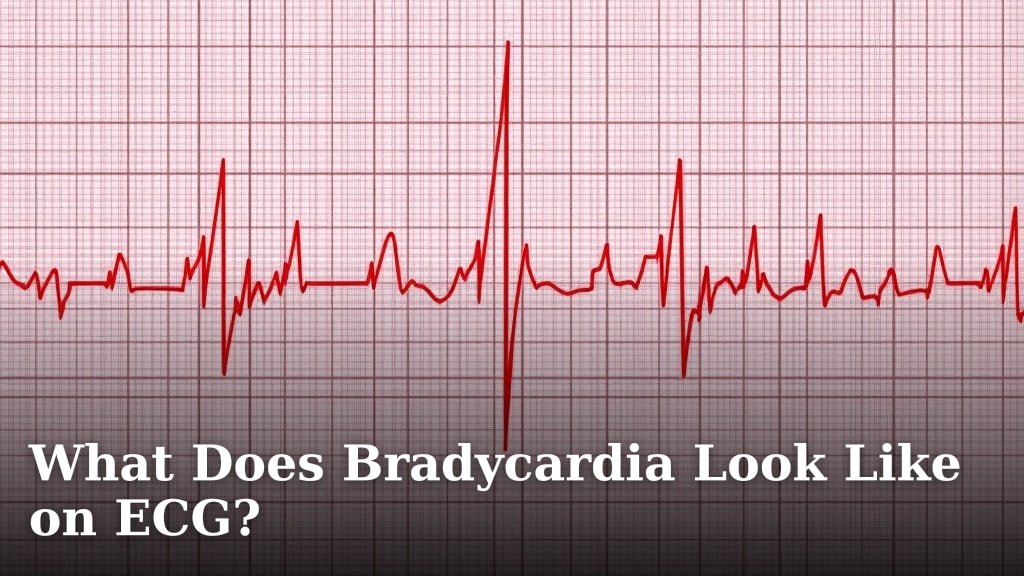
This means your heart rate drops below 60 beats per minute. You’ll see normal-looking heartbeats on the EKG, but they’re spaced too far apart.
Many healthy athletes have slow heart rates. But if you’re not an athlete and feel symptoms, this could signal sick sinus syndrome.
Sinus Pauses and Arrests
Your EKG shows flat lines where heartbeats should appear. These pauses last 3 seconds or longer.
Think of it like your heart’s pacemaker taking unexpected breaks. During these pauses, you might feel dizzy or lightheaded.
Sinus Exit Block
The sinus node fires normally, but the electrical signal gets blocked before reaching your heart muscle. Your EKG shows missing heartbeats in predictable patterns.
Tachy-Brady Syndrome
Your heart alternates between racing fast and beating slowly. One minute you’re in atrial fibrillation with rates over 100. The next minute, your heart crawls along at 40 beats per minute.
This flip-flopping pattern is especially common in sick sinus syndrome. About 50% of patients show this mixed behavior (Mayo Clinic).
Physical Symptoms You Might Experience
EKG changes don’t happen in isolation. You’ll likely notice physical symptoms that match what your heart monitor shows.
Dizziness and Lightheadedness
When your heart beats too slowly, your brain doesn’t get enough blood. You might feel woozy when standing up or during physical activity.
Some people describe it as feeling like they’re going to pass out. This symptom often comes and goes unpredictably.
Fatigue and Weakness
Your body struggles to get the oxygen it needs. Simple tasks like climbing stairs or carrying groceries become exhausting.
Many patients tell their doctors they feel tired all the time, even after a full night’s sleep.
Exercise Intolerance
Your heart can’t speed up properly during physical activity. What used to be an easy walk now leaves you breathless and tired.
Chest Discomfort
You might feel pressure, tightness, or pain in your chest. This happens because your heart muscle isn’t getting adequate blood flow.
The discomfort often occurs during the slow heart rate episodes that show up on your EKG.
Fainting Episodes
When your heart pauses for several seconds, you might lose consciousness briefly. These fainting spells can be dangerous if they happen while driving or walking.
Research shows that about 25% of sick sinus syndrome patients experience fainting (NIH).
Common EKG Patterns Your Doctor Looks For
Medical professionals recognize specific combinations of abnormal rhythms. These patterns help confirm the diagnosis.
| EKG Finding | What It Means | Heart Rate |
|---|---|---|
| Sinus Bradycardia | Slow but regular rhythm | Below 60 bpm |
| Sinus Pause | Missing heartbeats | Varies with pauses |
| Atrial Fibrillation | Chaotic upper chamber rhythm | Usually over 100 bpm |
| Junctional Rhythm | Backup pacemaker takes over | 40-60 bpm |
Chronotropic Incompetence
Your heart rate doesn’t increase appropriately during exercise or stress. A normal heart speeds up when you’re active. With sick sinus syndrome, it stays stubbornly slow.
Doctors often use stress tests to check for this problem. They’ll monitor your EKG while you exercise on a treadmill.
When to Seek Medical Attention
Don’t ignore symptoms that could indicate heart rhythm problems. Some warning signs need immediate medical care.
Emergency Situations
Call 911 if you experience:
- Fainting or near-fainting episodes
- Severe chest pain
- Difficulty breathing
- Heart rate below 40 beats per minute
- Confusion or mental fog
Schedule a Doctor Visit For
Make an appointment if you notice:
- Ongoing fatigue that doesn’t improve with rest
- Dizziness during normal activities
- Feeling like your heart skips beats
- Shortness of breath with mild exertion
Diagnostic Tests Beyond Basic EKG
A standard 12-lead EKG only captures a few seconds of heart activity. Your doctor might need longer monitoring to catch intermittent problems.
24-Hour Holter Monitor
You wear a portable EKG device for a full day. This catches rhythm problems that come and go unpredictably.
Many patients find that their symptoms occur when they’re not at the doctor’s office. The Holter monitor solves this timing problem.
Event Monitors
These devices record your heart rhythm for weeks or months. You press a button when symptoms occur, and the monitor saves that EKG strip.
Electrophysiology Study
This specialized test measures your sinus node’s function directly. Doctors insert thin wires through blood vessels to test your heart’s electrical system.
The procedure helps determine if you need a pacemaker or other treatment.
Treatment Options for Sick Sinus Syndrome
Treatment depends on your symptoms and EKG findings. Some people need immediate intervention, while others can be monitored over time.
Pacemaker Implantation
A pacemaker acts as your heart’s backup electrical system. When your natural pacemaker fails, the device steps in to maintain a steady rhythm.
Studies show that pacemakers eliminate symptoms in about 85% of sick sinus syndrome patients (American Heart Association).
Types of Pacemakers
Single-chamber pacemakers control one heart chamber. Dual-chamber devices coordinate both upper and lower chambers for more natural heart function.
Medication Management
Some medications can help with fast heart rate episodes. Others need to be stopped because they slow the heart rate further.
Your doctor will review all your medications to make sure none are making the problem worse.
Living with Sick Sinus Syndrome
You can maintain a good quality of life with proper treatment. Many people return to normal activities after getting a pacemaker.
Lifestyle Adjustments
Stay hydrated and avoid sudden position changes. These simple steps can reduce dizziness episodes.
Regular gentle exercise helps maintain overall heart health. Work with your doctor to find safe activity levels.
Monitoring Your Condition
Keep track of symptoms and when they occur. This information helps your doctor adjust treatments as needed.
Many people find it helpful to check their pulse regularly. A simple smartphone app can track your heart rate trends over time.
Conclusion
Sick sinus syndrome creates distinctive patterns on EKG that trained medical professionals can readily identify. The combination of slow heart rates, pauses, and alternating fast-slow rhythms tells a clear story about your heart’s electrical problems. When you understand these EKG signs and match them with symptoms like dizziness, fatigue, and fainting, you’re better equipped to work with your healthcare team. Most people with sick sinus syndrome live normal, active lives once they receive appropriate treatment, whether that’s a pacemaker or careful medication management. Don’t let concerning symptoms go unchecked – early detection and treatment make all the difference in managing this condition effectively.
Can sick sinus syndrome develop suddenly or does it progress slowly over time?
Sick sinus syndrome usually develops gradually over months or years as the sinus node ages or becomes damaged. Most people notice symptoms getting slowly worse rather than appearing overnight, though some medications or acute illnesses can trigger sudden worsening of an existing condition.
Will my EKG always show abnormalities if I have sick sinus syndrome?
No, a single EKG might look completely normal even if you have sick sinus syndrome. The abnormal rhythms often come and go unpredictably, which is why doctors use longer monitoring devices like Holter monitors or event recorders to capture the irregular patterns when they occur.
Can younger people develop sick sinus syndrome or does it only affect older adults?
While sick sinus syndrome is much more common after age 50, younger people can develop it due to heart disease, certain medications, or genetic conditions. Athletes sometimes show slow heart rates that mimic sick sinus syndrome, but this is usually normal for their fitness level and doesn’t cause symptoms.
How accurate are smartphone apps and wearable devices at detecting sick sinus syndrome?
Consumer devices can detect some irregular rhythms but aren’t reliable enough to diagnose sick sinus syndrome. They might miss important pauses or misinterpret normal variations as abnormal. These devices are helpful for tracking general trends, but medical-grade EKG equipment is needed for accurate diagnosis.
What happens if sick sinus syndrome goes untreated for a long time?
Untreated sick sinus syndrome can lead to fainting episodes that cause injuries from falls, reduced exercise capacity, and increased risk of stroke from irregular rhythms like atrial fibrillation. Some people develop heart failure if their heart rate stays too slow for extended periods, making early treatment important for preventing complications.