
Heart Symptoms and Conditions
What Is Orthostatic Hypotension?
orthostatic hypotension: understand why blood pressure may drop when standing, common symptoms, and ways it is managed. See what to expect. Read the guide.
Learn how heart monitors relate to symptoms, health conditions, treatment, and recovery.
orthostatic hypotension: understand why blood pressure may drop when standing, common symptoms, and ways it is managed. See what to expect. Read the guide.

Learn what dysautonomia is, its common symptoms, and the diagnostic tests used to identify it, helping you understand your health better.
Discover the top 7 best ECG monitors for diabetics. Our fresh, hands-on guide helps you find the perfect device for your heart health needs.
Learn what POTS syndrome is and understand how it's diagnosed. Get informed about this condition affecting the autonomic nervous system.

An HRV score of 30 indicates a lower resting heart rate variability. Learn what this means for your body and how to improve it.
Learn how to monitor your heart health at home after a heart attack. Discover essential steps for recovery and maintaining a healthy cardiovascular system.
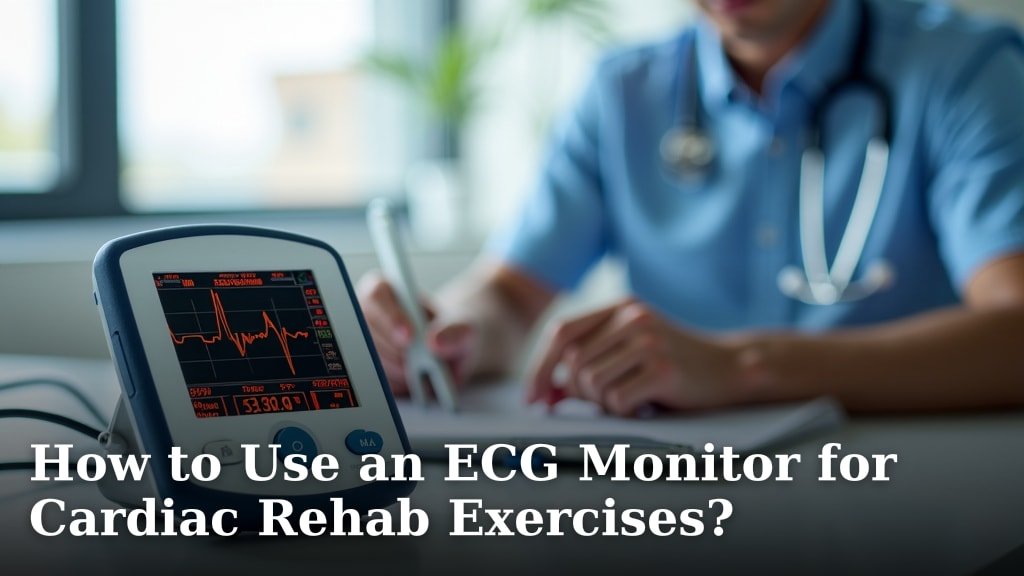
Learn how to safely use an ECG monitor during cardiac rehab exercises to track your heart's response and optimize your recovery.
Discover the top 7 ECG monitors for dysautonomia patients. Our fresh, hands-on guide helps you find the best device for your needs.
Discover the top 7 best ECG monitors for POTS syndrome patients. Our fresh, hands-on picks offer reliable insights to manage your condition.

Learn how to improve HRV through breathing exercises. Discover simple techniques to boost your heart rate variability and enhance your well-being.
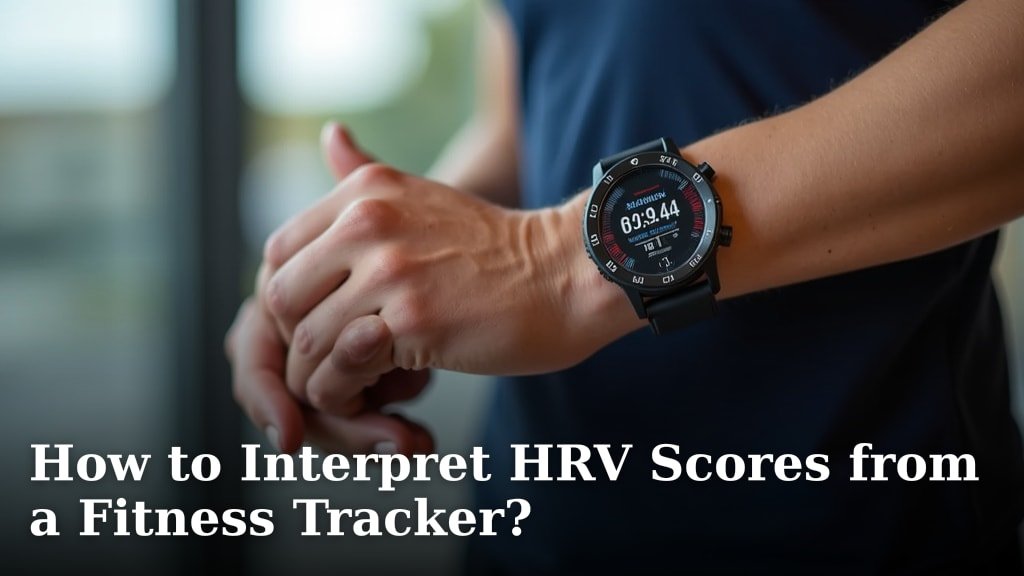
Unlock the meaning behind your HRV scores. Learn how to interpret your fitness tracker's data to understand your body's recovery and readiness for performance.

Discover if low magnesium can cause heart palpitations. Learn the link between magnesium deficiency and irregular heartbeats to understand your symptoms.
Learn if a home ECG monitor can detect heart murmurs and what it means for your heart health. Discover the capabilities and limitations of these devices.
An ECG monitor primarily tracks heart rhythm. Learn if an ECG can detect high blood pressure and what it can tell you about your cardiovascular health.
Discover if an ECG monitor can track HRV trends over time. Learn how to interpret your heart rate variability for better health insights.
Discover the top 7 best ECG monitors for congestive heart failure patients. Get our fresh, hands-on take to find the right device for your needs.
Find the top 7 best ECG monitors for after cardiac ablation. Our fresh, hands-on review helps you choose the right device for peace of mind.
Seeing a high pulse on your heart rate monitor? Learn what this could mean and the steps to take for peace of mind and health.

Long Covid and heart palpitations: learn what is known about the link, possible causes, and when to discuss symptoms with a clinician. See what to expect.

Learn if magnesium can help with heart palpitations. Discover its role in heart health and how it might ease irregular heartbeats.
Find the best ECG monitor for menopause heart palpitations. Our fresh, hands-on take covers 7 top picks to help you monitor your heart.
Discover the top 7 best ECG monitors for medication side effect monitoring. Our fresh, hands-on guide helps you find the right device.
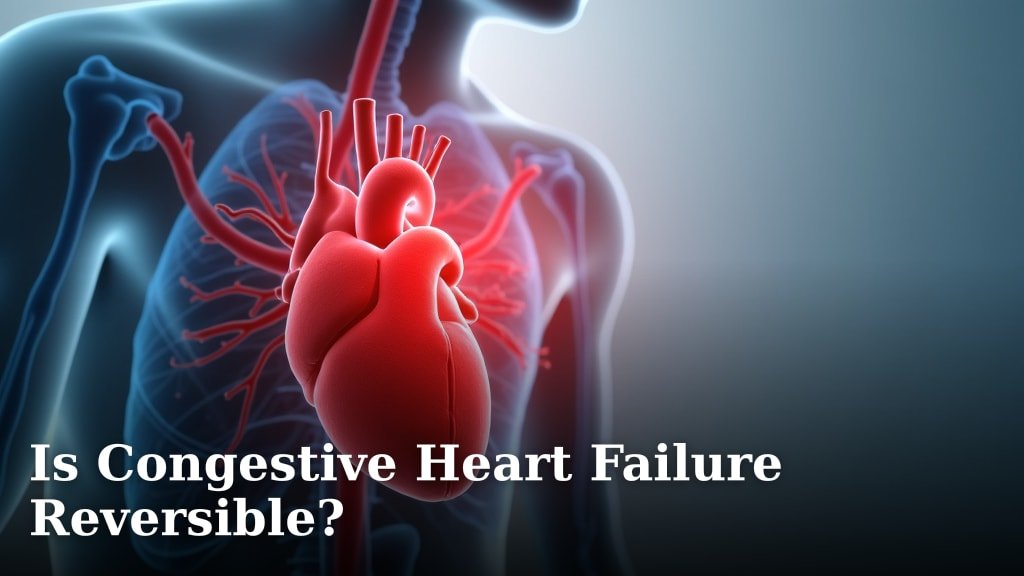
Discover if congestive heart failure is reversible. Learn about treatment options and lifestyle changes that can improve heart health and manage the condition.
home ECG monitoring after a heart attack: learn when home recordings may help, what they cannot replace, and what to ask your doctor. See what to expect.
Discover the top 7 best ECG monitors for cardiac rehab. Our fresh, hands-on review helps you find the perfect device for your recovery journey.
Discover the top 7 best ECG monitors with HRV analysis. Our fresh, hands-on review helps you find the perfect device for your heart health.
A fast heart rate isn't always a heart attack. Learn the common causes and when to seek medical attention for a rapid pulse.
A fast heart rate at rest can be concerning. Learn the potential causes, when to seek medical advice, and what it might mean for your health.

Experiencing heart palpitations after eating? Learn what's normal, common triggers, and when to consult a doctor for peace of mind.
Discover practical ways to improve your heart rate variability. Learn about lifestyle changes that can boost your resilience and well-being.

Discover natural ways to lower your resting heart rate. Learn effective lifestyle changes and habits that can improve your cardiovascular health.
Discover how heart rate variability is measured, understand the key metrics, and learn what they reveal about your body's stress and recovery.
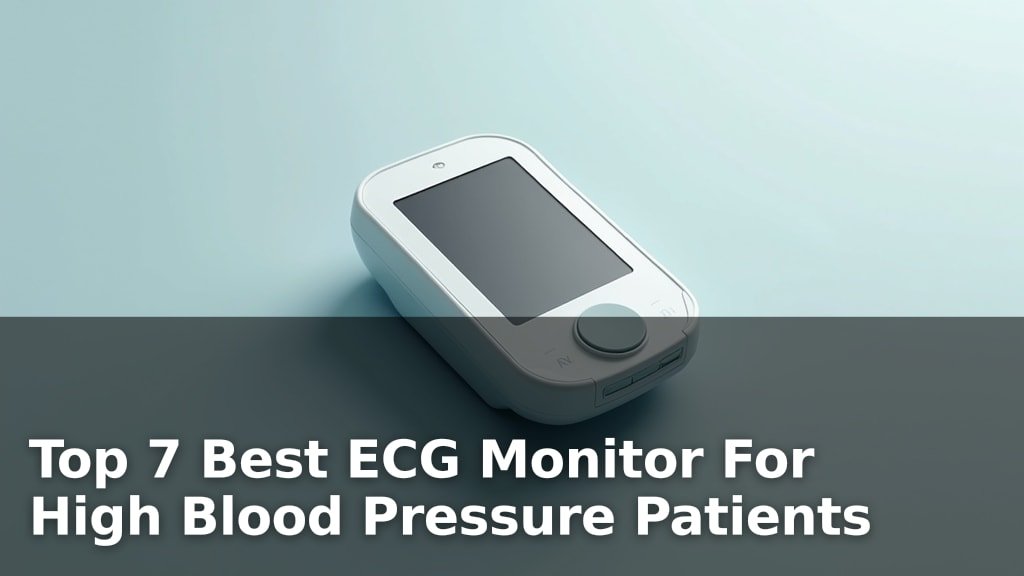
Discover the top 7 best ECG monitors for high blood pressure patients. Our fresh, hands-on guide helps you find the right device for your needs.
Learn what a cardiac ablation procedure is, how it treats arrhythmias, and what to expect during and after the minimally invasive treatment.
Understand congestive heart failure symptoms, causes, and treatments. Learn how to manage this condition for a healthier life.
Find the top 7 best ECG monitors for post heart attack recovery. Our fresh, hands-on review helps you choose the right device for peace of mind.
Discover the top 7 best ECG monitors for pacemaker patients. Our fresh, hands-on guide helps you find the perfect device for your needs.
heart palpitations at rest: explore common causes, signs that need care, and details to track for a medical visit. See what to expect. Read the guide.
Heart palpitations are the sensations of your heart beating too hard, too fast, or skipping a beat. Often, they're harmless and brought on by everyday life.
Uncover what a heart murmur sounds like and learn to distinguish its unique whooshing or swishing noises, helping you understand your heart's health.
Explore what a low heart rate variability means for your health. Understand its causes, implications, and how to improve your autonomic nervous system.
A high resting heart rate can signal underlying health issues. Learn what causes it, when to be concerned, and how to improve your heart health.
Is your ECG monitor showing a low heart rate? Learn common causes, what bradycardia means, and when to seek medical advice for a healthy heart.
Concerned about a high heart rate on your ECG monitor? Learn common causes, from exercise to medical conditions, and understand what your readings mean.
Uncover if an ECG monitor can track blood pressure. Learn the distinct functions of these vital health devices to better understand your heart health.
medication and ECG readings: learn how some medicines can affect heart signals and what to discuss with your clinician. See what to expect. Read the guide.
While an ECG monitor can't directly detect a stroke, learn what it can reveal about stroke risk and heart health for proactive care.
detecting a heart attack with an ECG monitor: learn what a monitor may reveal, its limits, and when emergency help is needed. See what to expect.
heart rate variability accuracy on wearables: learn how watches estimate HRV, what affects readings, and how to interpret trends. See what to expect.
Discover if you can use an ECG monitor with a pacemaker. Learn essential safety information and how these devices interact for your heart health.
Uncover if a home ECG monitor can diagnose a heart attack. Learn its limitations and when to seek emergency care for accurate assessment.

Find your ideal resting heart rate monitor device! Our fresh, hands-on review of the top 7 picks helps you choose the best one for your health.
Discover the 7 best ECG monitors for tracking resting heart rate. Our fresh, hands-on reviews help you find the perfect device for your health needs.
Learn how to track resting heart rate over time to monitor your fitness and health. Discover simple methods and tools to understand your body better.
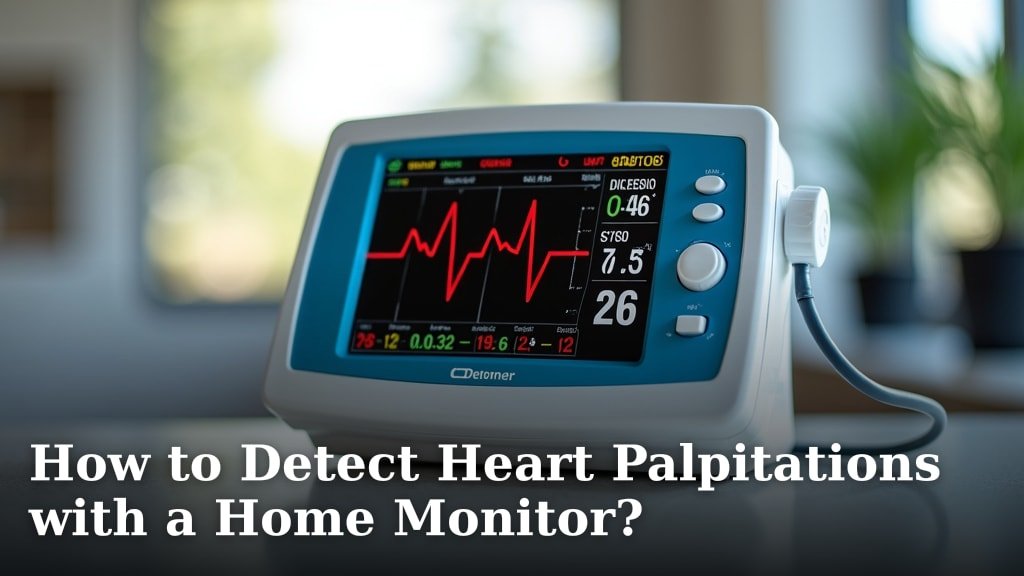
Worried about heart palpitations? Learn how to detect heart palpitations with a home monitor and gain valuable insights into your heart's rhythm.
Uncover what a good heart rate variability score means for your health. Learn how HRV reflects your well-being and how to interpret your numbers.

Discover the 7 best EKG monitors for heart palpitations. Our fresh, hands-on review helps you find the perfect device for peace of mind.

Learn what heart rate variability (HRV) is, how it's measured, and what your HRV score can tell you about your health and well-being.
Discover the 7 best ECG monitors for heart disease patients. Our fresh, hands-on review helps you choose the right device for your health.

when chest tightness is serious: learn possible warning signs, other causes, and when to get urgent medical help. See what to expect. Read the guide.

Worried about a racing heart? Learn how to know if palpitations are an emergency and when to seek medical attention for peace of mind.

when to see a cardiologist about palpitations: learn which symptoms need evaluation, what a visit may involve, and what to track. See what to expect.
Discover the 7 best ECG monitors for heart palpitations. Our fresh, hands-on review helps you find the perfect device for your needs.
An EKG helps identify stroke risk by detecting irregular heart rhythms like atrial fibrillation, which increases your chance of blood clots forming in your
EKG monitoring can detect drug toxicity by identifying abnormal heart rhythm patterns, prolonged QT intervals, and other cardiac changes that occur before
EKG machines detect dangerous electrolyte shifts by measuring changes in your heart’s electrical patterns, revealing imbalances that could be
Home EKG devices let you track your heart rhythm daily, helping you catch irregular heartbeats and manage chronic heart disease more effectively from home.
EKG measures your heart muscle health by recording electrical signals that show how well your heart contracts and relaxes. The test reveals irregular rhythms,
EKG tracks your recovery after heart surgery by monitoring your heart rhythm, detecting irregular beats, and showing how well your heart responds to healing
EKG devices generally do not interfere with pacemakers when used properly, but you should maintain at least 6 inches of distance during testing.
Home EKGs can detect slow heart rates (bradycardia) with good accuracy, typically within 1-3 beats per minute of medical-grade devices. However, their
Home EKG devices can detect signs of ischemia by showing ST-segment depression, T-wave changes, and irregular rhythms that indicate reduced blood flow to your
When your EKG device shows a high heart rate warning, you should take action if your resting heart rate exceeds 100 beats per minute or if you experience
Interpreting EKG results for heart palpitations involves looking for irregular heartbeats, abnormal rhythms, and specific wave patterns that indicate heart
high cholesterol and EKG monitoring: learn when an EKG may be useful, what it can show, and what it cannot detect. See what to expect. Read the guide.
Yes, an EKG can often help find the cause of fainting spells by detecting heart rhythm problems that may trigger these episodes.
EKG and heart inflammation: learn which myocarditis signs may appear and why an EKG alone cannot confirm it. See what to expect. Read the guide.
EKG and stroke prevention: learn how rhythm checks can find AFib, why that matters for stroke risk, and what to discuss. See what to expect.
You can use an EKG device to monitor heart rate changes during fever, helping detect potential complications like increased cardiac stress or irregular
After a chest injury, you should get EKG monitoring within 24-48 hours to check for heart rhythm problems or hidden cardiac damage.
EKG monitoring can detect heart rhythm changes caused by thyroid disorders, helping you spot problems before they become serious.
Yes, an EKG can show signs of heart failure by revealing abnormal heart rhythms, electrical delays, and structural changes in your heart muscle.
An EKG for heavy chest feeling can help rule out serious heart conditions, but the sensation alone doesn’t always mean you need emergency care.
EKG and blood clots: learn what an EKG can reveal, why it cannot find a clot directly, and when to seek care. See what to expect. Read the guide.
Home EKG monitoring after surgery helps track your heart rhythm and catch problems early when you’re recovering at home.
EKG monitoring can help identify heart rhythm problems that may cause lightheadedness, ruling out serious cardiac issues when dizziness occurs frequently.
EKG signs of electrolyte imbalance include T-wave changes, QT interval prolongation, and rhythm abnormalities that reflect disrupted electrical conduction in
magnesium deficiency and EKG: learn which heart rhythm changes may appear and why an EKG cannot measure magnesium levels. See what to expect.
EKG signs of myocarditis: see what an EKG may show, its limits, and symptoms that call for medical care. See what to expect. Read the guide.
Yes, EKG for POTS can help with diagnosis by detecting heart rate changes when you stand up, but it’s not the only test doctors use to confirm POTS
A slow heart rate becomes dangerous on EKG when it drops below 60 beats per minute (bradycardia) and causes symptoms like dizziness, fainting, or chest pain.
EKG monitoring after COVID-19 helps track heart rhythm changes, chest pain episodes, and irregular heartbeats that many people experience during recovery.
Home EKG devices cannot directly detect heart murmurs because murmurs are sounds that require audio detection, while EKGs only measure electrical activity of
Yes, an EKG can detect pericarditis by showing specific electrical changes in your heart rhythm, though it’s not always 100% definitive.
Heart monitors can be helpful for people with chronic fatigue by tracking heart rate patterns that may reveal useful information about energy levels and
EKG devices can help monitor high blood pressure by detecting heart rhythm changes and stress patterns that often accompany hypertension.
An EKG can detect some signs that suggest heart valve problems, but it cannot directly diagnose valve disease on its own.
Yes, home EKG devices can detect certain heart attack signs, but they cannot replace emergency medical care during an actual heart attack.
EKG and clogged arteries: learn what an EKG can suggest, why it cannot show a blockage directly, and what comes next. See what to expect. Read the guide.
Yes, an EKG can help diagnose the cause of dizziness and fainting by detecting heart rhythm problems that reduce blood flow to your brain.
EKG for shortness of breath helps doctors identify heart rhythm problems, blocked arteries, and other cardiac causes that might be making you feel breathless.
An EKG can effectively track heart palpitations by recording your heart’s electrical activity during episodes, helping identify irregular rhythms that
An EKG for chest pain should be done immediately if you have severe crushing chest pain, shortness of breath, or pain radiating to your arm or jaw.
EKG devices can detect dangerous medication side effects by monitoring heart rhythm changes, helping you catch problems before they become serious.
EKG tests cannot directly check electrolyte levels, but they can reveal the effects of electrolyte imbalances on your heart rhythm and electrical activity.
Heart monitors can help POTS patients track their heart rate patterns throughout daily activities and detect episodes early.
Yes, it is generally safe to use EKG with a pacemaker, but you need to inform your healthcare provider about your device beforehand.
When experiencing heart palpitations, place your EKG device firmly against your chest or fingers as instructed, remain still, and record for the full duration
An EKG cannot directly detect a stroke, but it can reveal heart rhythm problems that increase your stroke risk by up to 5 times.
Yes, an ECG can detect signs of a silent heart attack, but only if it’s taken during or shortly after the event when electrical changes are still visible.
HRV and ECG work together by showing different aspects of your heart’s function – ECG records electrical activity while HRV measures beat-to-beat
Heart Rate Variability (HRV) is the tiny time differences between your heartbeats, measured in milliseconds, which shows how well your nervous system responds
Heart palpitations are irregular, rapid, or forceful heartbeats that you can feel in your chest, neck, or throat, and ECG tracking provides real-time