What Is a Normal vs Abnormal Heart Rhythm Strip Look Like?
On this page (9 sections)
- Understanding Your Heart’s Electrical Map: Normal vs. Abnormal Rhythm Strips
- The Basics of a Heart Rhythm Strip
- What a Normal Heart Rhythm Strip Looks Like
- Spotting Abnormalities: When the Rhythm Goes Awry
- Key Differences Summarized
- When to Seek Medical Advice
- Quick Checklist: What to Look For
- Conclusion
- Frequently Asked Questions
A normal heart rhythm strip shows consistent, evenly spaced P waves, QRS complexes, and T waves. For another condition-specific guide, see EKG findings with mitral valve prolapse. An abnormal one may have irregular spacing, missing waves, or odd shapes. This means your heart might be beating too fast, too slow, or unevenly. Doctors look at these patterns to understand how your heart is working. Understanding the difference is key to knowing if your heart rhythm is healthy or needs attention. We’ll show you what to look for.
When a doctor reviews your electrocardiogram (ECG), they are essentially reading a map of your heart’s electrical activity. A normal strip has predictable patterns that indicate your heart is pumping blood efficiently. When those patterns change, it signals a potential problem, like an arrhythmia. These changes can range from minor deviations to serious conditions that require immediate medical care. We’ll break down what these deviations mean.
- A normal heart rhythm strip looks steady and even.
- Abnormal strips show irregular beats, skipped beats, or unusual wave shapes.
- These patterns tell doctors about your heart’s electrical signals.
- Identifying abnormalities helps diagnose heart conditions.
- Knowing the basics can help you understand your heart health better.
Ready to see what these differences look like? Let’s dive into the details of normal versus abnormal heart rhythm strips so you can get a clearer picture of your heart’s signals.
Understanding Your Heart’s Electrical Map: Normal vs. Abnormal Rhythm Strips
Your heart has a natural electrical system that keeps it beating. A heart rhythm strip is like a snapshot of this electrical activity. Doctors use it to see if your heart is beating normally or if something is off. We’re going to walk you through what these strips show.
The Basics of a Heart Rhythm Strip
Think of a heart rhythm strip as a recording of your heart’s electrical pulses over time. This recording is made by an electrocardiogram (ECG or EKG). Tiny sticky patches, called electrodes, are placed on your chest, arms, and legs. These electrodes pick up the electrical signals from your heart. Then, a machine translates these signals into a wavy line on a screen or paper. This wavy line is your heart rhythm strip. It’s a vital tool for understanding heart health.
What the Waves Mean
The wavy line isn’t just random squiggles. Each part of the wave pattern tells us something specific about your heart’s electrical journey. It shows how the electrical signal starts, travels, and makes your heart contract to pump blood.
The P Wave: The Starting Signal
The first little bump you usually see is the P wave. This wave represents the electrical signal starting in the upper chambers of your heart, called the atria. It means the atria are getting ready to contract and send blood down to the lower chambers, the ventricles. A normal P wave is usually smooth and rounded.
The QRS Complex: The Main Pumping Event
Next comes the QRS complex. This is typically the tallest and most noticeable part of the strip. It represents the electrical signal spreading through the ventricles. When the ventricles get this signal, they contract powerfully, pumping blood out to your body and lungs. A normal QRS complex is usually sharp and narrow. Its shape and duration are very important clues for doctors.
The T Wave: Resetting for the Next Beat
Following the QRS complex is the T wave. This wave indicates that the ventricles are electrically resetting themselves. They are getting ready for the next beat. A normal T wave is generally rounded and smooth. Its appearance can also offer hints about your heart’s condition.
Putting It All Together: The Cardiac Cycle
These waves – P, QRS, and T – work together in a specific sequence. This sequence creates a complete heartbeat, or cardiac cycle. The time between these waves and their shapes are precisely measured. This measurement helps doctors see if the timing is right and if the electrical signal is traveling along its normal path. Many guidelines consider a regular pattern of P-QRS-T to be a sign of healthy electrical conduction (American Heart Association).
What a Normal Heart Rhythm Strip Looks Like
So, what does a “good” heart rhythm strip actually look like? It’s all about consistency and predictable patterns. Imagine a steady, reliable drummer keeping a perfect beat. That’s what a healthy heart rhythm aims for.
Key Features of Normal Sinus Rhythm
When a doctor says you have a “normal sinus rhythm,” it means your heart is beating at a healthy pace and following its normal electrical pathway. Here’s what that typically entails:
- Regular Rate: Your heart rate is usually between 60 and 100 beats per minute when you’re resting.
- Consistent P Waves: You’ll see a P wave before every QRS complex. They look similar in shape.
- Normal P Wave Shape: P waves are usually rounded and upright in the main rhythm lead.
- Regular QRS Complexes: The QRS complexes appear at a steady, even rhythm. They are evenly spaced.
- Normal QRS Duration: The QRS complex is narrow, indicating the electrical signal is moving quickly through the ventricles.
- Normal T Waves: T waves follow each QRS complex and have a consistent, rounded shape.
It’s like a perfectly choreographed dance. Each step happens at the right time and in the right order. This rhythm allows your heart to pump blood efficiently throughout your body.
Spotting Abnormalities: When the Rhythm Goes Awry
Now, let’s talk about when things don’t quite go according to plan. An abnormal heart rhythm strip shows deviations from that perfect, steady pattern. These changes can happen for many reasons, and they are the signals doctors look for to diagnose various heart conditions, collectively known as arrhythmias. An abnormal heart rhythm strip shows deviations from that perfect, steady pattern, which can indicate various arrhythmias.
Irregular Heartbeats: The Uneven Drummer
One of the most common signs of an abnormal rhythm is irregularity. The beats don’t come at a consistent interval. It’s like a drummer who sometimes speeds up, slows down, or skips a beat entirely. This can manifest in several ways.
Fast Heart Rate (Tachycardia)
If the heart beats too quickly, above 100 beats per minute at rest, it’s called tachycardia. On the strip, this means the P waves, QRS complexes, and T waves are all closer together than normal. The overall pattern might still be regular, but the pace is too fast. This can make your heart work harder and pump less efficiently because it doesn’t have enough time to fill properly between beats.
Slow Heart Rate (Bradycardia)
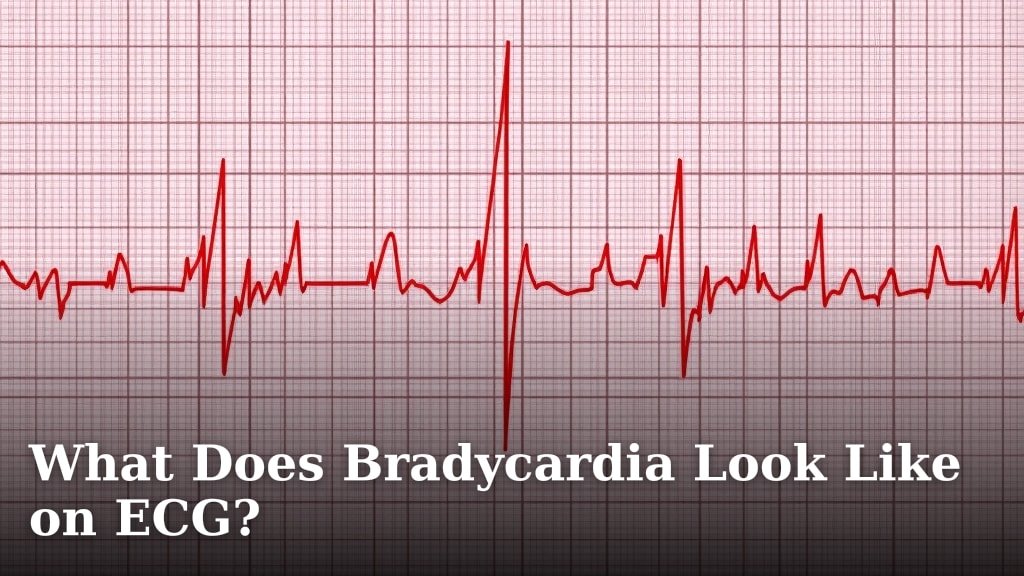
Conversely, a heart rate below 60 beats per minute at rest is called bradycardia. Here, the waves on the strip will be spaced farther apart. The heart is beating too slowly. While a very fit person might have a slow resting heart rate without issues, a sudden or symptomatic slow heart rate can be a concern. It means less blood is being pumped to the body’s vital organs.
Irregularly Irregular Rhythms
Some arrhythmias don’t just speed up or slow down; they become completely erratic. The distance between beats varies wildly. This is often seen in conditions like atrial fibrillation, where the upper chambers quiver instead of beating properly. The P waves might be absent or chaotic, and the R-R intervals (the space between QRS complexes) are unpredictable.
Missing or Malformed Waves: The Missing Dance Steps
Sometimes, the problem isn’t just the timing but the presence or shape of the waves themselves. This indicates a problem with the electrical signal’s generation or conduction.
Skipped Beats (PVCs and PACs)
You might see an extra beat or a skipped beat. These are often premature beats, meaning they happen too early. Premature atrial contractions (PACs) and premature ventricular contractions (PVCs) are common. They appear on the strip as an early P wave or QRS complex. While often harmless, frequent skipped beats can sometimes be a sign of underlying heart strain or disease. We found that occasional PVCs are found in many healthy individuals (Johns Hopkins Medicine). You might see an extra beat or a skipped beat, which are often premature beats.
Absent P Waves
If you don’t see a P wave before a QRS complex, it could mean the electrical signal didn’t start in the atria as usual. It might be originating from a different spot, or the atria might not be contracting effectively. This can be seen in certain types of heart blocks or junctional rhythms.
Abnormal QRS Shape or Width
A QRS complex that is too wide or has an unusual shape can signal that the electrical signal is taking a longer, slower path through the ventricles. This can happen if the signal is bypassing the normal conduction system or if there’s damage to the heart muscle itself, such as after a heart attack.
Common Abnormal Rhythms to Watch For
Doctors classify many different arrhythmias. Here are a few examples of what abnormal strips might look like:
Atrial Fibrillation (AFib): Often described as a chaotic quivering of the atria. On a strip, you’ll see no clear P waves, replaced by irregular wavy lines, and an irregularly irregular ventricular rhythm. It’s a very common cause of irregular heartbeats.
Ventricular Tachycardia (VT): A rapid rhythm originating in the ventricles. Strips show a very fast heart rate with wide, abnormal QRS complexes. This is a serious rhythm that can impair the heart’s ability to pump blood effectively.
Heart Blocks: These occur when the electrical signal is delayed or blocked as it travels from the atria to the ventricles. There are different degrees of heart block. Some might show a dropped beat (a P wave without a QRS complex), while others show a consistently slow ventricular rate regardless of the atrial rate.

Key Differences Summarized
To help you visualize, here’s a quick comparison of what you might see:
| Feature | Normal Rhythm (Sinus Rhythm) | Abnormal Rhythm (Example: Irregularity) |
|---|---|---|
| Rhythm Regularity | Evenly spaced beats, like a clock ticking. | Unevenly spaced beats, sometimes fast, sometimes slow. |
| P Waves | Present before each QRS complex, smooth and rounded. | May be absent, irregular, or have an abnormal shape. |
| QRS Complex | Narrow and sharp, indicating fast conduction. | May be wide, bizarre, or absent, indicating conduction issues. |
| Heart Rate | Typically 60-100 bpm at rest. | Can be too fast (>100 bpm) or too slow (<60 bpm). |
| Overall Pattern | Predictable sequence of P-QRS-T. | Disrupted sequence, missing waves, or abnormal shapes. |
When to Seek Medical Advice
Seeing an abnormal heart rhythm strip is the job of your healthcare provider. However, you can be aware of symptoms that might suggest an issue. If you experience symptoms like chest pain, shortness of breath, dizziness, fainting, or a racing or pounding heart, it’s always a good idea to get checked out. Don’t hesitate to reach out to your doctor. They can order an ECG to get a clear picture of your heart’s electrical activity. Many health organizations, like the National Institutes of Health (NIH), recommend prompt medical evaluation for persistent or concerning symptoms.
Getting an ECG is a simple, painless procedure. It provides invaluable data for your doctor. Understanding these basic strip patterns can help you have more informed conversations with your healthcare team. It’s about being an active participant in your heart health journey!
Quick Checklist: What to Look For
Here’s a simple way to remember the key takeaways when thinking about heart rhythm strips:
- Is the rhythm steady or erratic?
- Are there P waves before every beat?
- Do the QRS complexes look normal?
- Is the heart rate too fast or too slow?
- Are there any skipped beats or extra beats?
- Do you have any symptoms like dizziness or chest pain?
Conclusion
You’ve now learned the basics of what makes a heart rhythm strip look normal versus abnormal. Remember, a normal strip shows a steady, predictable pattern, while abnormalities signal potential issues like fast or slow heart rates, or irregular beats. This knowledge helps you understand your heart’s electrical map better. If you ever experience symptoms like dizziness or chest pain, don’t hesitate to discuss it with your doctor. They can interpret your ECG accurately, ensuring you get the care you need for a healthy heart.
Frequently Asked Questions
Can I tell if I have an abnormal heart rhythm just by how my heart feels?
Sometimes, yes. Symptoms like a racing heart, skipped beats, fluttering, or feeling faint can indicate an abnormal rhythm. However, some arrhythmias don’t cause noticeable symptoms. An ECG is the most reliable way for a doctor to confirm your heart rhythm.
How quickly can a doctor get my heart rhythm strip results?
Typically, an ECG machine provides an immediate strip interpretation on screen. Your doctor can often review the basic findings right away. For more complex analysis or confirmation, it might take a short period for a specialist to review the strip in detail.
What’s the difference between a fast heart rate and an abnormal fast rhythm?
A fast heart rate (tachycardia) means your heart beats over 100 times per minute at rest. An abnormal fast rhythm is a specific type of tachycardia, often caused by an electrical problem in the heart. The rhythm strip helps doctors differentiate between a normal but fast sinus rhythm and a truly abnormal, fast arrhythmia.
Are premature ventricular contractions (PVCs) always a sign of a serious heart problem?
Not necessarily. Research has found that occasional PVCs can occur in many healthy individuals without underlying heart disease. However, if you experience frequent PVCs, or they are accompanied by symptoms, your doctor will want to evaluate them further to rule out any concerning conditions.
Can stress or anxiety cause an abnormal heart rhythm strip?
Stress and anxiety can certainly affect your heart rate and rhythm, sometimes making it beat faster or feel irregular. These can sometimes show up on a rhythm strip as a faster heart rate. However, true arrhythmias usually have specific electrical patterns that a doctor can identify, even if stress is a contributing factor.