What Is Atrial Fibrillation AFib?
On this page (3 sections)
Atrial fibrillation (AFib) is a condition where your heart beats in an irregular rhythm. This happens because the heart’s upper chambers, called the atria, quiver instead of beating effectively. It’s the most common type of serious heart rhythm disorder.
You might feel your heart racing or fluttering, sometimes out of nowhere. AFib can affect your daily life and, if left unmanaged, could lead to more serious health problems like stroke or heart failure. It’s important to understand what’s happening with your heart.
TL;DR:
- AFib causes an irregular heartbeat.
- The heart’s upper chambers quiver.
- It’s the most common serious heart rhythm issue.
- Symptoms include a racing or fluttering heart.
- Untreated AFib can increase stroke risk.
We believe understanding your health is vital. Let’s look at exactly what atrial fibrillation is and what it means for you.
Understanding Atrial Fibrillation (AFib)
Atrial fibrillation, often called AFib, is a common type of heart arrhythmia. It means your heart’s upper chambers beat irregularly, causing an inefficient pump.
But what does that really mean for your body? Let’s break down how your heart works when everything is normal, and then what changes with AFib.
How Your Heart Works Normally
Imagine your heart as a powerful, perfectly timed pump. It has four chambers: two on top called atria, and two on the bottom called ventricles. Each beat is like a carefully choreographed dance.
Normally, a small group of cells in your right atrium, called the sinus node, acts as your heart’s natural pacemaker. It sends out an electrical signal.
This signal travels through your atria, making them contract and push blood into the ventricles. Then, the signal moves to the ventricles, causing them to contract and pump blood out to your lungs and body.
This process happens smoothly and rhythmically, usually 60 to 100 times per minute. It’s truly amazing when you think about it.
What Happens During AFib?
With AFib, this elegant rhythm gets disrupted. Instead of one clear signal from the sinus node, many disorganized electrical signals start firing rapidly and randomly in your atria.
Think of it like a chaotic orchestra where different sections are all trying to play their own tune at the same time. This electrical “noise” makes your atria quiver or fibrillate, rather than contract effectively.
- The atria don’t empty all their blood into the ventricles.
- The signals reaching the ventricles are also irregular, causing your heart to beat fast and unevenly.
This means your heart isn’t pumping blood as efficiently as it should. Your body might not get enough oxygen-rich blood, leading to those feelings of fatigue or shortness of breath you might experience (American Heart Association).
Types of AFib
AFib isn’t always the same for everyone. Doctors often talk about different types based on how long the irregular rhythm lasts and whether it goes away on its own.
- Paroxysmal AFib: This type comes and goes. An episode might last minutes or hours, but usually stops on its own within seven days. You might not even know you have it sometimes.
- Persistent AFib: This form lasts for more than seven days. It won’t correct itself and usually requires medical help, like medication or a procedure, to reset the heart’s rhythm.
- Long-standing Persistent AFib: If your AFib has lasted for more than 12 months, it falls into this category. It often requires more intensive treatment strategies.
- Permanent AFib: In this situation, you and your doctor decide together to stop trying to restore a normal heart rhythm. Instead, treatment focuses on managing your heart rate and preventing complications.
Understanding which type of AFib you have helps guide your treatment plan. It’s a conversation you’ll have closely with your medical team.
What Causes AFib?
Many things can contribute to AFib. Sometimes, doctors can’t pinpoint a single cause, but often, it’s linked to other health conditions that put stress on your heart.
We found that high blood pressure and heart disease are very common culprits. Think of it like this: conditions that damage or strain the heart’s structure can create the perfect storm for electrical chaos.
Common Risk Factors and Conditions
Some factors increase your chances of developing AFib. Many experts say that age is a big one – the older you get, the higher your risk (CDC).
- High Blood Pressure: Untreated high blood pressure can stiffen and thicken your heart muscle, especially the atria.
- Heart Disease: Conditions like coronary artery disease, heart attack, or heart valve problems can damage the heart’s structure.
- Overactive Thyroid (Hyperthyroidism): Too much thyroid hormone can speed up your heart rate and make it irregular.
- Obesity: Carrying excess weight puts strain on your heart and can lead to inflammation and structural changes.
- Diabetes: This condition can damage the heart and blood vessels over time.
- Sleep Apnea: Pauses in breathing during sleep can stress your heart.
- Excessive Alcohol Consumption: Sometimes called “holiday heart syndrome,” heavy drinking can trigger AFib episodes.
- Chronic Lung Diseases: Conditions like asthma or COPD can impact heart function.
- Stress or Illness: Acute stress or severe illness can sometimes trigger AFib, even in people without underlying heart conditions.
This isn’t an exhaustive list, but it gives you a good idea of why it’s so important to manage your overall health. Addressing these underlying conditions can often improve AFib management.
Recognizing AFib: Signs and Symptoms
How do you know if you might have AFib? Sometimes, people don’t feel anything at all, which makes it harder to detect. Other times, the symptoms can be quite noticeable and even alarming.
Your heart might feel like it’s doing a strange dance in your chest. Here are some common symptoms to watch for:
- Heart palpitations (a fluttering, racing, or pounding heart)
- Shortness of breath, especially with exertion
- Weakness or feeling tired all the time
- Dizziness or lightheadedness
- Fainting (syncope)
- Chest pain or pressure
These symptoms can come and go, or they might be constant. If you’re experiencing any of these, especially if they are new or worsening, it’s a good idea to talk to your doctor. They can help figure out what’s going on.
Diagnosing AFib
So, you suspect something isn’t right. How do doctors confirm AFib? They use a combination of physical exams, reviews of your medical history, and various tests.
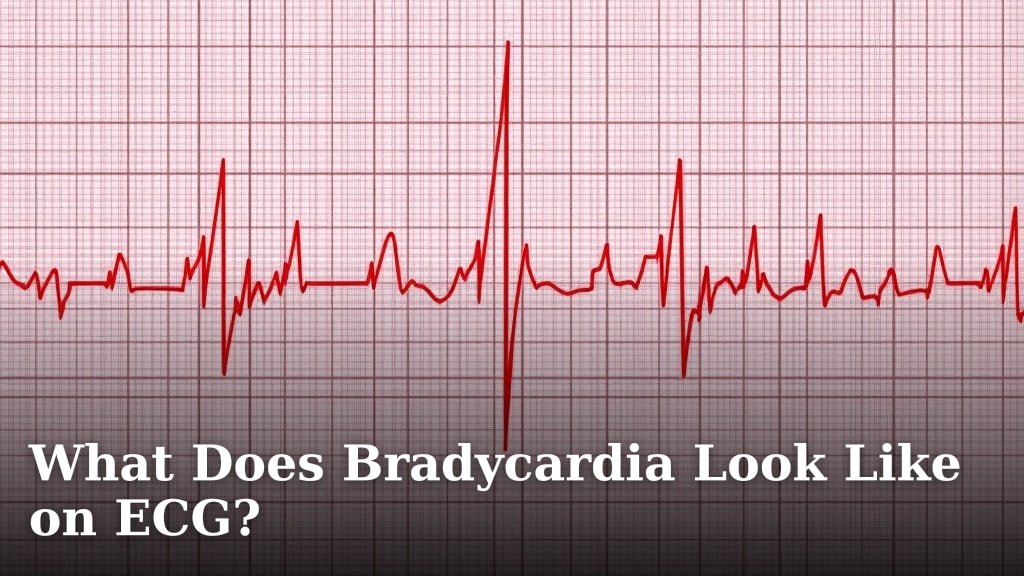
The main tool for diagnosis is an electrocardiogram (ECG or EKG). This simple, painless test records your heart’s electrical activity.
How Doctors Confirm AFib
When you have an EKG, small electrodes are placed on your chest, arms, and legs. They pick up the electrical signals from your heart. The pattern of these signals tells your doctor a lot about your heart’s rhythm.
The American College of Cardiology recommends an EKG as the first step in diagnosing AFib. Sometimes, a one-time EKG might not catch an intermittent AFib episode, so other monitoring devices might be needed.
| Diagnostic Test | What It Does | When It’s Used |
|---|---|---|
| Electrocardiogram (EKG/ECG) | Records heart’s electrical signals at rest for a few seconds. | Initial check for AFib or other heart rhythm issues. |
| Holter Monitor | Wearable device that records heart activity for 24-48 hours. | If AFib is suspected but not caught on a standard EKG. |
| Event Recorder | You activate it when you feel symptoms; worn for weeks. | For symptoms that occur infrequently and irregularly. |
| Insertable Cardiac Monitor | Small device implanted under the skin that monitors for up to 3 years. | When symptoms are very rare and hard to catch. |
Your doctor might also order blood tests to check thyroid function, kidney function, or electrolyte levels, as these can affect your heart rhythm. Sometimes, an echocardiogram (an ultrasound of your heart) is used to examine your heart’s structure and function (Mayo Clinic).
The Importance of Managing AFib
You might be wondering, “Is AFib really that serious?” It’s a fair question. While many people with AFib live full lives, it’s crucial to manage the condition because of potential complications.
The main concern with unmanaged AFib is an increased risk of stroke. When your atria quiver instead of contracting properly, blood can pool there. This pooled blood can form clots.
If a blood clot travels from your heart to your brain, it can block a blood vessel and cause an ischaemic stroke. We found that people with AFib are five times more likely to have a stroke than people without AFib (National Heart, Lung, and Blood Institute).
Here’s why managing AFib is critical:
- Reduces Stroke Risk: Medications like blood thinners are often prescribed to prevent clots.
- Improves Symptoms: Managing heart rate and rhythm can alleviate dizziness, fatigue, and palpitations.
- Prevents Heart Failure: Long-term, uncontrolled AFib can weaken your heart muscle, leading to heart failure.
- Enhances Quality of Life: Feeling better and reducing anxiety about your heart improves your overall well-being.
- Reduces Hospitalizations: Proactive management can help you avoid emergency visits and hospital stays for AFib-related issues.
Taking your AFib seriously and sticking to your treatment plan is one of the best things you can do for your health. It’s about protecting your future.
Conclusion
Understanding AFib, from how your heart normally functions to what happens during an episode, is your first step toward better heart health. We found that recognizing the different types and risk factors, along with knowing the potential symptoms, can help you and your doctor identify and manage this condition effectively. Don’t underestimate the power of early detection and consistent management.
If you suspect you have AFib or are experiencing any concerning symptoms, please speak with your doctor. They can provide an accurate diagnosis and develop a personalized plan to protect your heart.
Frequently Asked Questions
Can AFib be cured?
While AFib can often be managed very effectively, and some people may even experience long periods of normal rhythm, it’s generally considered a chronic condition. Treatment focuses on controlling symptoms, preventing complications like stroke, and improving your overall quality of life.
What lifestyle changes can help manage AFib?
Many lifestyle adjustments can support AFib management. These include maintaining a healthy weight, exercising regularly, eating a heart-healthy diet, limiting alcohol and caffeine, and managing stress. Quitting smoking is also crucial for heart health.
Is it safe to exercise if I have AFib?
In most cases, moderate exercise is not only safe but recommended for people with AFib. However, it’s essential to discuss your exercise routine with your doctor first. They can provide guidance based on your specific condition and current treatment plan.
How often should I get checked for AFib if I have risk factors?
If you have risk factors for AFib, your doctor may recommend regular screenings, especially as you age. The frequency will depend on your individual risk profile and discussions with your healthcare provider. Staying proactive is important.
Are there different medications for AFib?
Yes, medical professionals use various medications to treat AFib. These often include drugs to control your heart rate, medicines to restore a normal heart rhythm, and blood thinners to reduce stroke risk. Your doctor will choose the best combination for you.