What Is a Heart Arrhythmia?
On this page (5 sections)
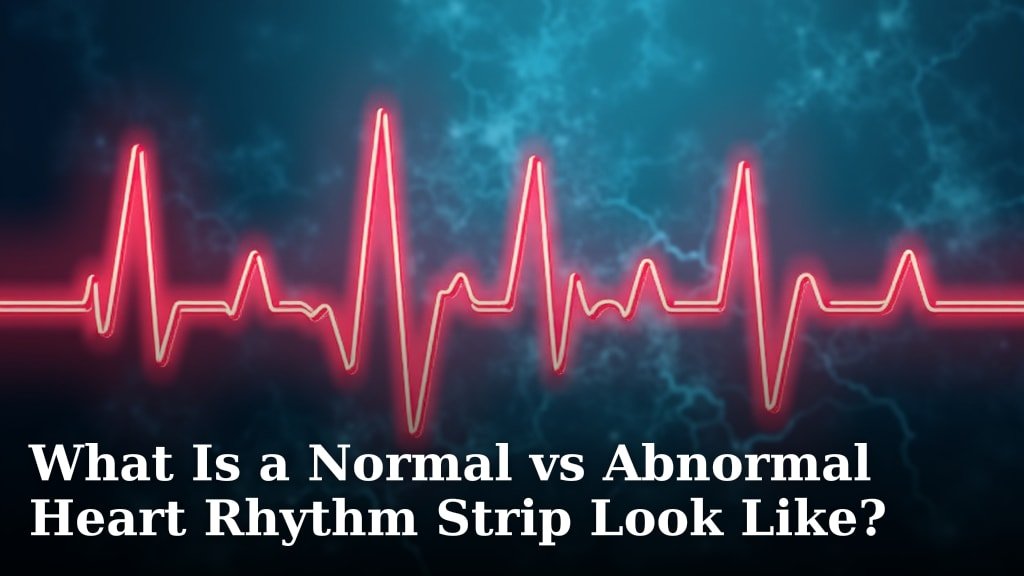
Heart arrhythmia is when your heart beats with an irregular rhythm. This means your heart might beat too fast, too slow, or just irregularly. It happens when the electrical signals that tell your heart how to beat don’t work right.
Your heart has its own electrical system. This system keeps your heart pumping blood throughout your body. When something goes wrong with these signals, it can cause different types of heart rhythm problems. Sometimes, an
Understanding Heart Arrhythmia
A heart arrhythmia is simply an irregular heartbeat. It happens when the heart’s natural electrical system goes a bit haywire. Think of your heart as a well-orchestrated band. Each instrument — or heart chamber — needs to play in perfect time. An arrhythmia means some instruments are playing too fast, too slow, or completely out of sync.
This electrical system uses signals to tell your heart muscles when to contract. These signals keep your blood pumping efficiently. When they misfire, your heart can’t do its job as well. Many people wonder, “Is this serious?” The answer, as we’ll explore, depends on the type and cause of the arrhythmia.
Your Heart’s Electrical Symphony
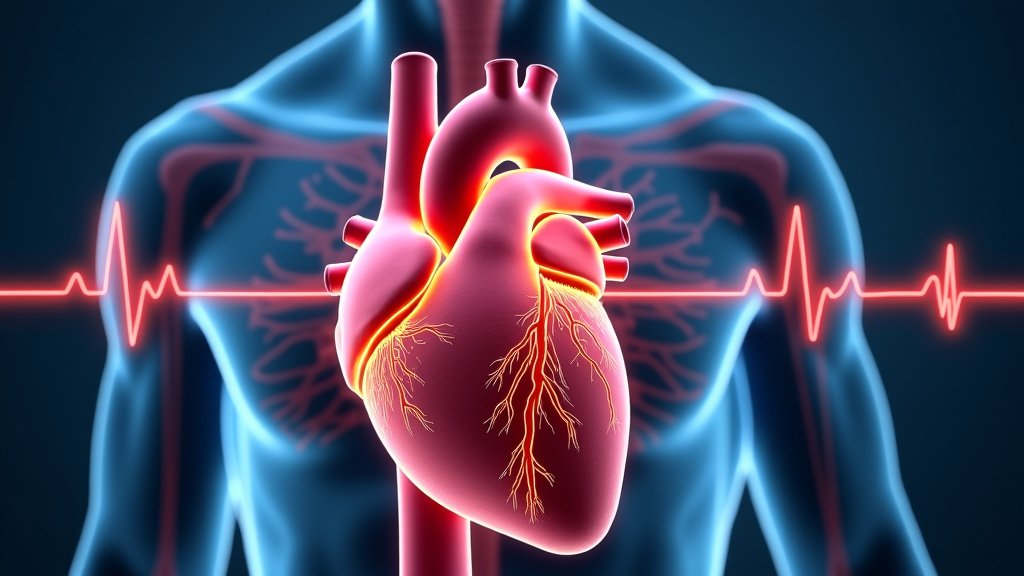
How does your heart know when to beat? It’s all thanks to a tiny group of cells called the sinoatrial (SA) node. This node is often called your heart’s natural pacemaker. It generates electrical impulses that spread through your heart muscle.
These impulses travel a specific path. They make your heart’s upper chambers (atria) contract first. Then, they move to the lower chambers (ventricles), making them contract. This sequence ensures blood flows correctly through your heart and out to your body.
When this electrical pathway is interrupted or changes, you get an arrhythmia. It’s like a short circuit in your home’s wiring. The lights might flicker, dim, or go out completely. Your heart’s rhythm can do similar things.
Common Types of Arrhythmias
Arrhythmias come in many forms. They are generally grouped by whether your heart beats too fast or too slow.
Tachycardia: When Your Heart Races
Tachycardia means your heart beats too fast. For most adults, this means over 100 beats per minute. Your heart might feel like it’s fluttering or pounding in your chest.
- Atrial Fibrillation (AFib): This is the most common type of serious arrhythmia. The upper chambers (atria) beat chaotically and irregularly. This can lead to blood clots, stroke, and other heart-related complications (CDC).
- Supraventricular Tachycardia (SVT): This is a rapid heartbeat originating above the ventricles. It often starts and stops suddenly. It can feel alarming but is often not life-threatening.
- Ventricular Tachycardia (VT): This rapid heartbeat starts in the lower chambers (ventricles). It can be very serious, especially if you have other heart conditions. It might prevent your heart from pumping enough blood.
- Ventricular Fibrillation (VFib): This is a life-threatening emergency. The ventricles quiver uselessly instead of pumping blood. It requires immediate medical attention, like defibrillation.
Bradycardia: When Your Heart Slows Down
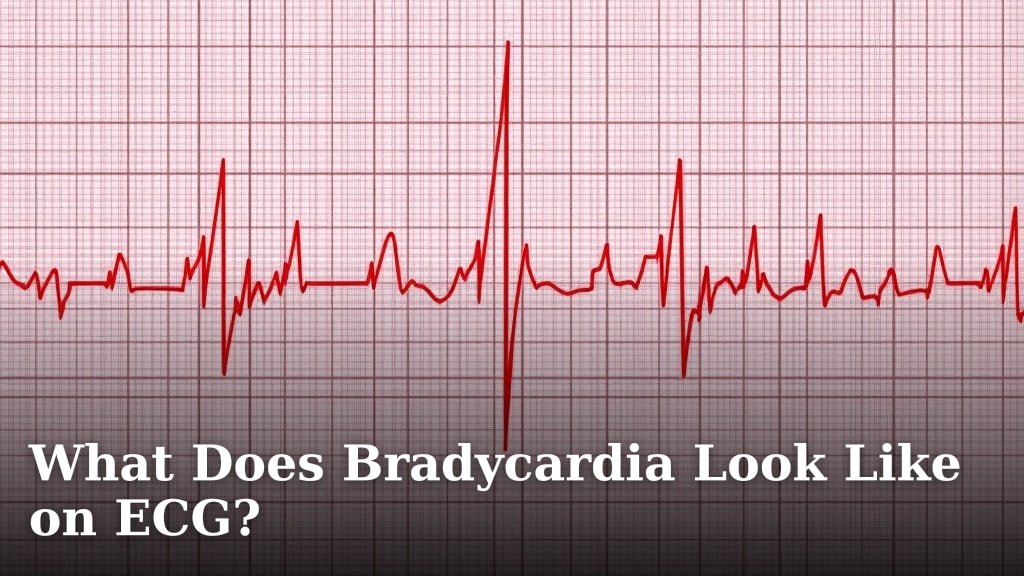
Bradycardia means your heart beats too slowly. For most adults, this is fewer than 60 beats per minute. This doesn’t always cause problems, especially in very fit athletes. But for others, it means not enough blood is reaching your organs.
- Sick Sinus Syndrome: The SA node, your heart’s natural pacemaker, doesn’t fire correctly. Your heart might alternate between too fast and too slow.
- Heart Block (AV Block): The electrical signals from the atria to the ventricles are delayed or blocked. This causes the ventricles to beat slower than they should.
Premature Beats: The Extra Thumps
Sometimes you feel an extra beat or a skipped beat. These are called premature atrial contractions (PACs) or premature ventricular contractions (PVCs). They are very common and often harmless. Many people just describe them as a “flop” or “thump” in their chest.
They can be triggered by stress, caffeine, or lack of sleep. While usually benign, frequent premature beats might sometimes signal underlying issues. Your doctor can help determine if they are a concern for you.
What Causes Heart Arrhythmias?
Many things can disrupt your heart’s electrical system. Sometimes, there’s no clear cause. Other times, it’s a direct result of certain conditions or habits.
Underlying Heart Conditions
Damage to your heart muscle can interfere with its electrical signals. We found that this is a common factor for many people (Mayo Clinic).
- Coronary Artery Disease: Blocked arteries can reduce blood flow to your heart, damaging its tissue.
- Heart Attack: A heart attack can leave scar tissue that interferes with electrical signals.
- High Blood Pressure: Untreated high blood pressure can thicken and stiffen heart muscle.
- Heart Failure: A weakened heart may struggle to pump blood effectively, affecting rhythm.
- Valve Disorders: Problems with heart valves can strain the heart, leading to arrhythmias.
- Congenital Heart Defects: Some people are born with heart conditions that predispose them to arrhythmias.
Other Medical Conditions
Your heart doesn’t operate in isolation. Other health issues can also impact its rhythm.
- Thyroid Problems: Both an overactive (hyperthyroidism) and underactive (hypothyroidism) thyroid can affect heart rate.
- Diabetes: Poorly controlled blood sugar can damage nerves that regulate heart function.
- Sleep Apnea: Pauses in breathing during sleep can put stress on your heart. We know this can contribute to AFib (National Heart, Lung, and Blood Institute).
- Electrolyte Imbalance: Minerals like potassium, sodium, calcium, and magnesium are vital for heart function. Imbalances can trigger arrhythmias.
- Infections: Some infections can inflame the heart muscle (myocarditis).
Lifestyle Factors and Triggers
What you eat, drink, and do can also play a role. These factors don’t usually cause arrhythmias on their own, but they can be triggers.
- Stress and Anxiety: Strong emotions can release hormones that speed up your heart.
- Caffeine: Too much coffee, tea, or energy drinks can make your heart race or flutter.
- Alcohol: Excessive alcohol consumption, especially binge drinking, is known to trigger arrhythmias like AFib.
- Nicotine: Smoking and vaping can damage your heart and blood vessels.
- Certain Medications: Some over-the-counter and prescription drugs can affect heart rhythm. Always discuss potential side effects with your doctor.
- Illegal Drugs: Stimulants like cocaine and amphetamines are particularly dangerous for heart rhythm.
When to Seek Medical Help for Arrhythmias
It can be scary to feel your heart going wild. How do you know if it’s something to worry about? Occasional palpitations are often harmless.
However, some symptoms clearly say, “Hey, get to a doctor!” Don’t ignore these warning signs. Your heart is too important.
| Symptom | Significance |
|---|---|
| Sudden, rapid heart rate | May indicate tachycardia, especially if accompanied by other symptoms. |
| Dizziness or lightheadedness | Suggests your brain isn’t getting enough blood. |
| Fainting (syncope) | A serious sign that blood flow to the brain is severely reduced. |
| Shortness of breath | Your heart might not be pumping blood efficiently enough for your body’s needs. |
| Chest pain or discomfort | Could indicate an oxygen shortage to the heart muscle. |
| Extreme fatigue | Lack of efficient blood circulation can lead to constant tiredness. |
If you experience any of these symptoms, especially if they are new, severe, or occur together, please seek immediate medical attention. We found that early diagnosis and treatment are key (American Heart Association).
Getting a Diagnosis: What to Expect
If you suspect an arrhythmia, your doctor has several tools to figure out what’s going on. They will start by asking about your symptoms and medical history.
Here’s a quick checklist of common diagnostic tests:
- Electrocardiogram (ECG/EKG): This records your heart’s electrical activity at rest.
- Holter Monitor: A portable ECG you wear for 24-48 hours (or longer) to catch intermittent arrhythmias.
- Event Recorder: A device you wear and activate when you feel symptoms.
- Exercise Stress Test: Monitors your heart during physical activity.
- Echocardiogram: Uses sound waves to create images of your heart’s structure and function.
- Blood Tests: Checks for underlying conditions like thyroid issues or electrolyte imbalances.
Your doctor will choose the best tests based on your specific situation. The goal is to understand the type of arrhythmia, its cause, and how it impacts your heart. This information guides the best treatment plan for you.
Conclusion
Understanding heart arrhythmias can feel overwhelming, but remember, you’re not alone. We’ve covered how your heart’s electrical system works, the different types of irregular beats it can produce, and what factors might be causing them. Knowing the warning signs, like dizziness or chest pain, is key to protecting your heart health.
If you suspect an arrhythmia or are experiencing concerning symptoms, please reach out to your doctor. Early diagnosis and proper management can make a significant difference. Your heart works hard for you every second; give it the attention it deserves.
Frequently Asked Questions
Can stress really cause an arrhythmia?
Yes, stress and strong emotions can definitely trigger or worsen arrhythmias. When you’re stressed, your body releases hormones that can speed up your heart rate and alter its rhythm. Managing stress through relaxation techniques can sometimes help.
Is a “skipped beat” always a sign of a serious heart problem?
Not usually. Occasional skipped beats, like premature atrial contractions (PACs) or premature ventricular contractions (PVCs), are very common and often harmless. Many people feel them, especially with caffeine or fatigue. However, if they become frequent or are accompanied by other symptoms, it’s wise to get them checked out.
What’s the difference between a Holter monitor and an event recorder?
A Holter monitor continuously records your heart’s activity for 24-48 hours, catching everything. An event recorder is different; you wear it, but it only records your heart’s activity when you manually activate it, typically when you feel symptoms. Your doctor will choose based on how often your symptoms occur.
Can lifestyle changes help manage an arrhythmia?
Absolutely. Lifestyle modifications are often a crucial part of managing arrhythmias. Reducing caffeine and alcohol intake, quitting smoking, eating a heart-healthy diet, managing stress, and getting regular exercise can all contribute to a more stable heart rhythm for many people.
If my doctor says my arrhythmia is “benign,” what does that mean for me?
If your doctor describes your arrhythmia as “benign,” it means it’s generally