What Is a Long Qt Syndrome?
On this page (8 sections)
Long QT syndrome is a heart rhythm disorder that can cause sudden fainting and even sudden death. It affects the heart’s electrical recharging process after each beat. This condition is often inherited but can also be caused by certain medications.
When the heart’s electrical system doesn’t reset properly, it can lead to dangerous, fast heart rhythms. We found that recognizing the symptoms of Long QT is super important for timely medical help. Many people don’t even know they have it until a fainting spell or worse happens.
- Long QT syndrome is a heart rhythm problem.
- It can cause fainting and serious heart events.
- It’s often genetic but can be triggered by medicines.
- Knowing the signs can save a life.
Let’s walk through what Long QT syndrome is and what you need to know about it.
Understanding Long QT Syndrome (LQTS)
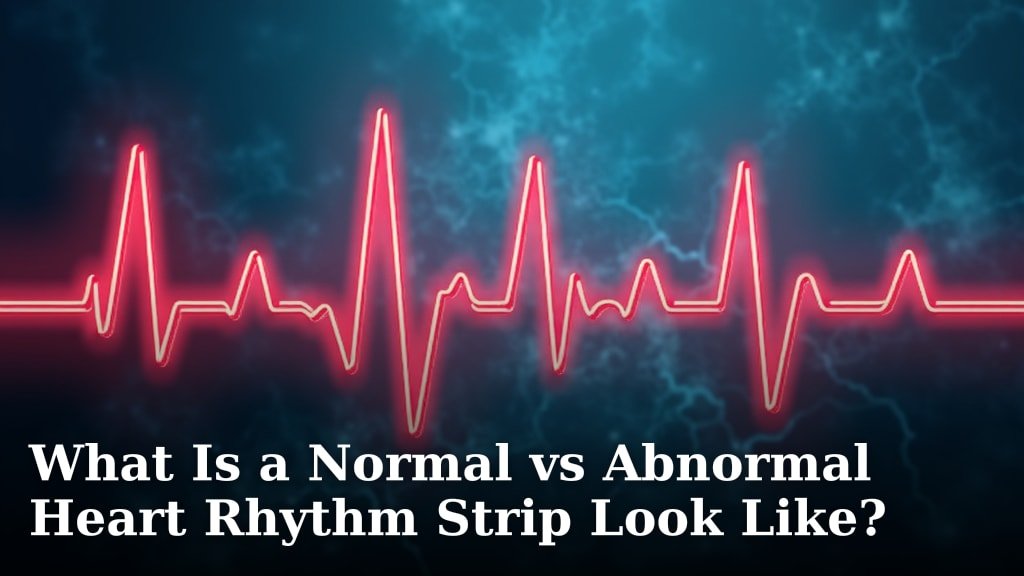
So, what exactly is Long QT syndrome? To learn what a home EKG can show about this condition, see home EKG and long QT. It’s a condition that affects how your heart’s electrical system resets itself after each beat. Think of your heart as a meticulously timed orchestra. Each beat is a note, and the time between beats is the pause that allows the next note to play perfectly. In LQTS, this pause, known as the QT interval on an electrocardiogram (EKG), is longer than it should be. This delay can sometimes lead to a jumbled electrical signal, causing your heart to beat dangerously fast and erratically.
This electrical timing issue can make you feel faint or even cause you to lose consciousness. In rarer, more severe cases, it can lead to a life-threatening arrhythmia, a sudden cardiac arrest. We found that understanding this electrical hiccup is key to grasping how LQTS works. It’s not a structural problem with the heart muscle itself, but rather an electrical one. Another heart rhythm condition involving electrical conduction is Wolff-Parkinson-White syndrome. This distinction is quite important.
What Causes Your Heart’s Pause to Lengthen?
The reasons behind this lengthened QT interval can vary from person to person. It’s not always a clear-cut cause, which can make diagnosis tricky sometimes. Many experts say the most common culprits are inherited genes or certain medications.
Genetic Predisposition: A Family Affair
You might be born with a genetic mutation that affects the tiny channels in your heart cells. These channels control the flow of electrical signals. When they don’t work quite right, the QT interval can lengthen. We found that LQTS can be passed down through families, meaning if a parent has it, their children have a chance of inheriting it. This is why doctors often ask about your family medical history.
There are actually several types of inherited LQTS, each linked to different genes. These genetic forms are often referred to as congenital Long QT syndrome. The most common types are LQTS1, LQTS2, and LQTS3. Research has shown that these different types can sometimes have slightly different triggers or symptoms. Knowing your specific genetic type can help doctors tailor your treatment plan.
Medications: The Unintended Side Effects
Sometimes, LQTS isn’t something you’re born with. It can be acquired later in life. This is often due to certain prescription or even over-the-counter medications. Many drugs can affect the heart’s electrical activity. Some common culprits include certain antibiotics, antifungals, antidepressants, and even some heart medications. We found that it’s crucial to discuss all your medications with your doctor. They can check if any of them might be prolonging your QT interval.
It’s not just medications, either. Electrolyte imbalances can sometimes play a role. Having too little potassium or magnesium in your blood can also affect your heart’s electrical rhythm. These imbalances can be caused by various factors, including certain illnesses or even extreme dieting. It’s a reminder that your overall health deeply impacts your heart.
Recognizing the Signs: What Should You Watch For?
Catching LQTS early is incredibly important. The symptoms can sometimes be subtle, and many people might not connect them to a heart condition. But recognizing them can lead to timely medical attention. We found that the most common symptom is fainting, medically known as syncope. This happens when your heart rhythm is disrupted, and your brain isn’t getting enough blood. The fainting spell is usually brief, and you might recover quickly. However, it’s a definite sign something is wrong.
Common Symptoms to Be Aware Of
Beyond fainting, you might experience:
- Palpitations: A fluttering or racing heart sensation. It can feel like your heart is skipping beats or pounding.
- Dizziness: Feeling lightheaded or unsteady. This can happen even if you don’t fully faint.
- Seizures: In some instances, the chaotic heart rhythm can trigger seizure-like activity. This is often mistaken for epilepsy.
- Sudden Death: Tragically, for some, the first sign is sudden cardiac arrest. This is why awareness and screening are so vital.
When Do Symptoms Typically Appear?
It’s interesting how LQTS symptoms often show up during physical exertion or emotional stress. Think about when you might feel your heart racing – during a workout, a scary movie, or even a sudden fright. These are precisely the times when someone with LQTS might experience an episode. We found that even loud noises, like a doorbell or alarm clock, can sometimes trigger symptoms, especially in certain types of LQTS.
Some individuals might have their first symptoms in childhood, while others might not experience them until adulthood. Age isn’t always a perfect predictor. It’s also worth noting that some people with LQTS may never experience symptoms at all. They might only be diagnosed when they undergo an EKG for another reason or if a family member is diagnosed.
Diagnosing Long QT Syndrome: The Medical Detective Work
Getting a diagnosis for LQTS involves a bit of detective work by your medical team. They need to piece together your medical history, your family history, and specific tests. It’s a thorough process designed to ensure accuracy.
The Role of the Electrocardiogram (EKG)
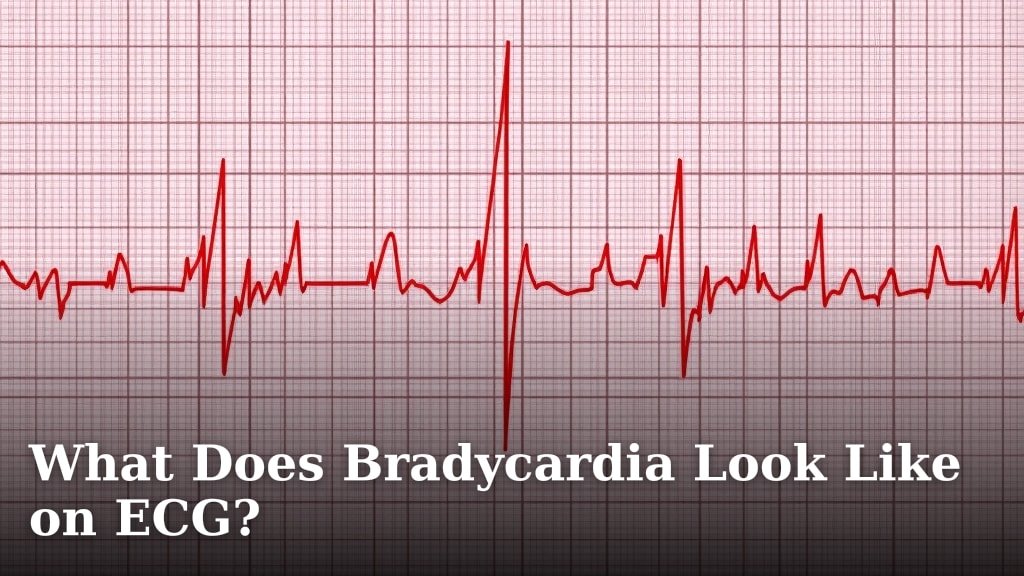
The cornerstone of LQTS diagnosis is the electrocardiogram, or EKG. This painless test records the electrical activity of your heart. A technician places sticky pads on your chest, arms, and legs. These pads are connected to a machine that draws lines representing your heart’s electrical signals. We found that a standard EKG can sometimes show a prolonged QT interval. However, if your QT interval is normal at the time of the test, it doesn’t rule out LQTS. A standard EKG can sometimes show a prolonged QT interval, and this test records the electrical activity of your heart.
That’s where other tests come in. Sometimes, doctors will ask you to exercise on a treadmill while wearing an EKG. This is called a stress test. The exercise can sometimes reveal a prolonged QT interval that isn’t present at rest. It’s all about trying to provoke the underlying electrical issue.
Genetic Testing and Family Screening
If an EKG suggests LQTS, or if there’s a strong family history, genetic testing might be recommended. A simple blood test can look for specific gene mutations known to cause LQTS. This can confirm the diagnosis and help identify the specific type of LQTS you might have. We found that genetic testing is incredibly valuable for family planning and for screening other family members who might be at risk. If one person in a family is diagnosed, it’s recommended that other close relatives get tested too.

Types of Long QT Syndrome
As we touched on earlier, LQTS isn’t just one condition; it’s a group of related disorders. The different types are primarily categorized by the underlying genetic cause. Here’s a quick look at the most common ones:
| Type | Primary Gene Involved | Typical Triggers |
|---|---|---|
| LQTS1 | KCNQ1 | Exercise, especially swimming; emotional stress |
| LQTS2 | KCNH2 | Emotional stress, loud noises, postpartum period |
| LQTS3 | SCN5A | Resting or sleeping; often presents later in life |
Understanding your specific type can help your doctor predict potential risks and guide treatment. For instance, someone with LQTS3 might be at higher risk during sleep, which influences how doctors manage their care.
Living With and Managing LQTS
Receiving a diagnosis of Long QT syndrome can be a lot to take in. But remember, with proper management and lifestyle adjustments, many people with LQTS live full and active lives. The goal is to prevent those dangerous heart rhythms.
Medications to Help Your Heart
Beta-blockers are often the first line of medication for LQTS. These drugs work by slowing your heart rate and reducing the effects of adrenaline. This can help prevent the fast, chaotic heart rhythms. We found that beta-blockers have been shown to significantly reduce the risk of fainting and cardiac events. Your doctor will determine the right dosage and type for you.
In some cases, other medications might be used, depending on the specific type of LQTS and your individual needs. It’s all about finding the right combination to keep your heart rhythm stable.
Lifestyle Adjustments: What You Can Do
Making certain lifestyle changes is just as important as taking medication. These adjustments can help minimize your risk factors. Here’s a checklist of things to consider:
- Avoid certain medications: Always check with your doctor or pharmacist about potential QT-prolonging drugs.
- Limit strenuous exercise: Discuss with your doctor which types of physical activity are safe for you.
- Manage stress: Find healthy ways to cope with stress, such as meditation or yoga.
- Stay hydrated: Dehydration can affect electrolyte balance.
- Avoid excessive alcohol and caffeine: These can sometimes trigger heart rhythm issues.
- Get enough sleep: A consistent sleep schedule is important for overall heart health.
When Surgery Might Be Considered
For individuals with very high-risk LQTS, or those who continue to experience events despite medication, surgery might be an option. The most common procedure is called a pacemaker implantation. Sometimes, a device called an implantable cardioverter-defibrillator (ICD) might be recommended. This small device monitors your heart rhythm and can deliver an electrical shock to restore a normal rhythm if a dangerous one occurs. We found that these interventions are reserved for specific high-risk situations and are decided upon in consultation with a cardiac electrophysiologist.
Conclusion
Long QT syndrome is a heart rhythm disorder that requires your attention and understanding. We’ve discussed how it affects your heart’s electrical timing, whether inherited or triggered by medications. Recognizing symptoms like fainting and palpitations is key to seeking prompt medical care. Remember, early diagnosis through EKGs and genetic testing allows for effective management. By working with your doctor on medication and lifestyle adjustments, you can significantly reduce risks. The most important next step is to have an open conversation with your healthcare provider about any concerns or family history you may have.
Frequently Asked Questions
Can people with Long QT syndrome live a normal life?
Yes, many people with Long QT syndrome can lead full and active lives. Proper management, including medication and lifestyle changes, is essential for preventing serious events. Your doctor will help you create a personalized plan to stay safe.
What are the most common triggers for LQTS symptoms?
Common triggers include strenuous physical activity, emotional stress, and sudden loud noises. For some types, even resting or sleeping can present a risk. Awareness of these triggers can help you avoid them.
If I have LQTS, will my children also have it?
If your LQTS is genetic, there is a chance of passing it on to your children. Genetic testing can help determine your risk and that of your family members. It’s important to discuss family screening with your doctor.
Are there any everyday things I should avoid if I have LQTS?
You should always avoid medications known to prolong the QT interval, which you can discuss with your doctor or pharmacist. Limiting extreme exercise and managing stress are also important. Staying hydrated and avoiding excessive alcohol or caffeine can also be beneficial.
What happens if Long QT syndrome goes undiagnosed?
If left undiagnosed, LQTS can lead to dangerous heart rhythm disturbances. These can cause fainting, seizures, and in the most serious cases, sudden cardiac arrest. Early detection and treatment are critical to prevent these outcomes.