Is It Normal to Have Heart Palpitations After Eating?
On this page (6 sections)
Yes, it can be quite normal to experience heart palpitations after eating, and you’re not alone if you’ve felt this. We found that while often harmless, these feelings might signal a few common triggers related to digestion, diet, or even stress.
These sensations, sometimes described as a fluttering or pounding in your chest, are a frequent concern for many people. Understanding what causes them is key to managing your peace of mind. Many experts say it’s often linked to things you ate or how your body processed them, rather than a serious heart issue.
- Heart palpitations after eating are often normal.
- Common causes include digestion, certain foods, and stress.
- These feelings are usually not a sign of a serious problem.
- Knowing your triggers can help manage them.
Let’s walk through exactly why this might be happening and what you can do about it.
So, you just finished a meal, and suddenly, your heart is doing a little tap dance in your chest. Fluttering, pounding, skipping a beat – it can be startling, can’t it? It’s a common experience, and you’re definitely not alone. Many people wonder if these post-meal heart sensations are a sign of something serious. We found that while it can be unnerving, heart palpitations after eating are frequently harmless and tied to everyday things.
Understanding Those Post-Meal Heart Palpitations
Experiencing a skipped beat or a fluttering in your chest after eating is often normal. Your body is busy digesting, and that process can sometimes affect your heart rate or rhythm. Many experts suggest that for most people, these feelings aren’t a sign of a serious heart condition. They are typically linked to what you ate, how quickly you ate it, or even your body’s unique response to certain foods.
Common Triggers for Heart Palpitations After Eating
Let’s dive into what might be causing your heart to feel a bit lively after you’ve eaten. Understanding these common triggers can help you feel more in control and potentially reduce the frequency of these sensations.
Digestive System Sensations
Your digestive system and your heart are more connected than you might think. When you eat, a lot of blood flow is directed towards your stomach and intestines to help process the food. This shift in blood flow can sometimes affect your heart.
The Vagus Nerve Connection
The vagus nerve plays a big role here. It’s a long nerve that runs from your brain down to your abdomen and connects to your heart. When your stomach is full or stretched after a meal, it can stimulate the vagus nerve. This stimulation can sometimes send signals to your heart, leading to a feeling of skipped beats or palpitations. Think of it like a messenger carrying a message that briefly jolts your heart.
Bloating and Gas
Sometimes, digestive discomfort like bloating or gas can also play a part. When your stomach or intestines are distended, it can put pressure on surrounding areas, including your diaphragm. This pressure can indirectly affect your heart’s rhythm and lead to those fluttering sensations. It’s like a balloon pressing against something nearby – it can cause a noticeable effect.
Dietary Influences on Your Heartbeat
What you put into your body has a direct impact on how it functions, and your heart is no exception. If you are wondering whether magnesium may be involved, see our guide to magnesium and palpitations. Certain foods and drinks are well-known for potentially triggering palpitations.
Caffeine and Stimulants
This is a big one. Caffeine is a stimulant found in coffee, tea, soda, and chocolate. Even though many of us rely on it to start our day, too much caffeine can make your heart beat faster or more forcefully, sometimes leading to palpitations. For context, learn when a fast resting heart rate may be concerning. We found that consuming large amounts of caffeine, especially on an empty stomach or right after a meal, can amplify this effect for some individuals.
Alcohol’s Effect
Many people notice their heart racing or fluttering after drinking alcohol, even in small amounts. Alcohol can affect your heart’s electrical system and also lead to dehydration, both of which can contribute to palpitations. Sometimes, this is even referred to as “holiday heart syndrome,” especially after binge drinking (CDC).
High-Sodium Foods
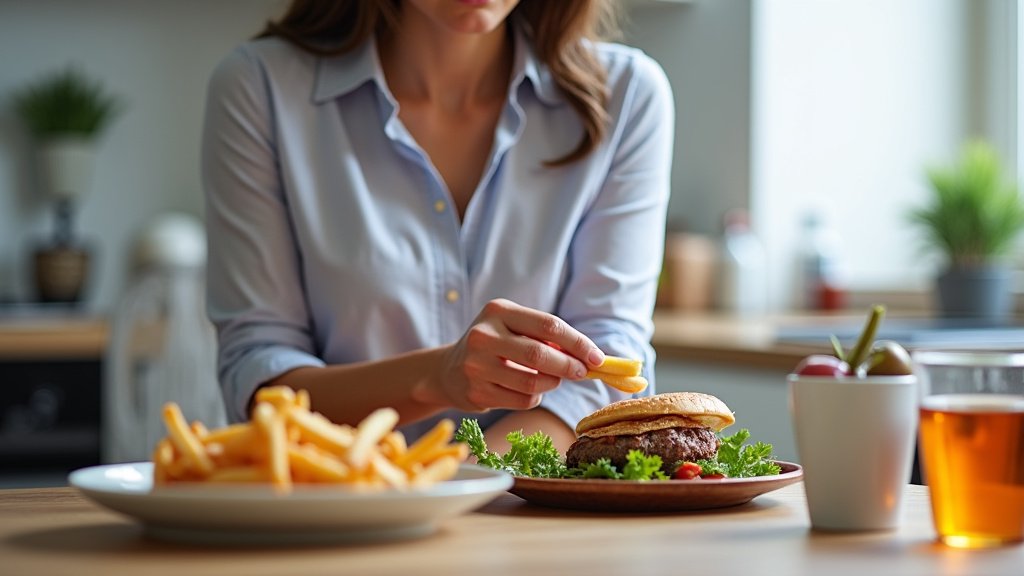
Eating meals that are very high in salt can cause your body to retain more water. This can increase blood volume and put more strain on your heart, potentially leading to palpitations. Foods like processed meals, salty snacks, and fast food are common culprits.
Sugar and Refined Carbohydrates
A meal packed with sugar or refined carbohydrates can cause a rapid spike and then a crash in your blood sugar levels. This fluctuation can sometimes trigger your adrenal glands to release adrenaline, which can make your heart pound or flutter. Think of it as your body’s quick, energetic response to a sugar rush and subsequent drop.
Food Sensitivities and Allergies
For some, hidden food sensitivities or mild allergies can cause an inflammatory response in the body. This inflammation can sometimes manifest as heart palpitations. Common culprits can include dairy, gluten, or specific additives, though it varies greatly from person to person.
How You Eat Matters Too
It’s not just what you eat, but how you eat that can make a difference. Eating habits play a significant role in how your body handles food and its effect on your heart.
Eating Too Quickly
When you’re in a rush, you tend to swallow more air and eat faster. This can lead to indigestion, gas, and a feeling of fullness, all of which can press on your diaphragm and potentially trigger palpitations. Taking your time to chew your food thoroughly is a simple yet effective strategy.
Overeating
Eating a very large meal stretches your stomach significantly. As mentioned earlier, this can stimulate the vagus nerve and put pressure on your diaphragm. Your body is working overtime to digest a large volume of food, and this increased digestive effort can sometimes manifest as heart palpitations.
Stress and Emotional Factors
It’s easy to forget that your emotional state can directly influence your physical sensations, including your heart rate. Stress, anxiety, and even excitement can trigger palpitations, and these feelings can sometimes be more noticeable after eating.
The Mind-Body Connection
When you’re stressed or anxious, your body releases adrenaline and other stress hormones. These hormones prepare your body for “fight or flight” and can cause your heart to beat faster and stronger. If you’re already feeling a bit keyed up, a meal might just be the trigger that makes these sensations more apparent. We found that feeling worried about having palpitations can actually make them more likely to occur, creating a bit of a cycle.
When to Seek Medical Advice
While we’ve discussed common, often harmless causes, it’s important to know when to consult a healthcare professional. If your palpitations are frequent, severe, or accompanied by other symptoms, it’s best to get them checked out. If your palpitations are frequent or severe, learn how to consult a healthcare professional.
You should speak with your doctor if you experience:
- Palpitations that feel very rapid or irregular.
- Chest pain or discomfort.
- Shortness of breath.
- Dizziness or lightheadedness.
- Fainting spells.
- Palpitations that happen very frequently and cause you significant worry.
Your doctor can perform tests to rule out any underlying heart conditions, such as arrhythmias. They might suggest an electrocardiogram (ECG) or other monitoring devices to get a clear picture of your heart’s activity (Mayo Clinic).
Simple Steps to Help Manage Post-Meal Palpitations
If your doctor has confirmed that your palpitations are not due to a serious underlying condition, there are several lifestyle adjustments you can make to help manage them. These are generally good practices for overall heart health too!
Consider these strategies:
- Eat smaller, more frequent meals instead of large ones.
- Slow down when you eat and chew your food thoroughly.
- Identify and limit trigger foods like caffeine, alcohol, and excessively salty or sugary items.
- Stay hydrated, but avoid large amounts of fluids all at once, especially during meals.
- Manage stress through relaxation techniques like deep breathing, meditation, or gentle exercise.
- Maintain a healthy weight and engage in regular, moderate physical activity.
Keeping a food and symptom diary can be incredibly helpful. By jotting down what you eat and when you experience palpitations, you can start to identify personal patterns and triggers. This information will be very useful for you and your doctor.
Conclusion
It’s common to feel heart palpitations after eating, and usually, it’s nothing to worry about. We’ve seen how digestion, things you eat, and even stress can cause these sensations. Your body is a complex system, and sometimes these everyday factors can make your heart flutter. The key is understanding your personal triggers. Understanding why your heart flutter is key to managing these sensations.
By paying attention to what you consume and how you eat, you can often reduce these occurrences. If you’re ever concerned or experience other symptoms, remember to consult your doctor. Taking small steps like slowing down your meals and identifying trigger foods can bring you greater peace of mind.
Frequently Asked Questions
Can eating too much cause heart palpitations?
Yes, overeating can definitely contribute to heart palpitations. When you eat a very large meal, your stomach stretches significantly. This can stimulate the vagus nerve and put pressure on your diaphragm, which may lead to those fluttering sensations you feel in your chest.
What is the connection between caffeine and heart palpitations after eating?
Caffeine is a stimulant that can increase your heart rate. Consuming it in coffee, tea, or soda, especially close to or after a meal, can make you more sensitive to its effects. For some people, this can trigger noticeable heart palpitations.
Does alcohol cause palpitations after a meal?
Alcohol can affect your heart’s electrical system and also lead to dehydration. Many people report experiencing heart palpitations after drinking alcohol, even in moderate amounts. This can sometimes be more noticeable after you’ve eaten.
Should I be worried if I feel palpitations every time I eat certain foods?
If you notice palpitations consistently after eating specific foods, it’s a good idea to pay attention to those patterns. While often harmless, it might indicate a food sensitivity or a common trigger like sugar or salt that you can manage by limiting those foods.
How can I tell if my heart palpitations after eating are serious?
While many palpitations are harmless, you should seek medical advice if they are very frequent, feel extremely rapid or irregular, or come with chest pain, shortness of breath, dizziness, or fainting. These could be signs of an underlying issue that needs professional evaluation.