How to Know If Chest Tightness Is Serious?
On this page (3 sections)
Chest tightness can be serious, and it is a symptom you should never ignore. It can signal anything from a mild anxiety attack to a life-threatening heart event. Knowing the difference could save your life.
If you feel pressure, squeezing, or pain in your chest, it’s natural to worry. Your chest houses vital organs, so any discomfort needs attention. We want to help you understand when to really worry and when you can likely breathe a sigh of relief.
- Chest tightness can be a sign of many things.
- Some causes are mild, like stress or muscle strain.
- Other causes are very serious, like a heart attack.
- Always seek medical help if you are unsure.
- Don’t try to self-diagnose serious symptoms.
Let’s walk through common causes of chest tightness and, most importantly, tell you exactly when to seek emergency help.
Understanding When Chest Tightness Becomes a Red Flag
Pinpointing the exact cause of chest tightness can be tricky because so many different issues can cause it. Knowing the common signs helps you decide when to seek help.
Symptoms That Ring Alarm Bells
When does chest tightness become something you should truly worry about? Look for specific combinations of symptoms.
Distinguishing Heart-Related Chest Pain
Heart-related chest tightness often feels like a pressure, squeezing, or fullness in your chest (Mayo Clinic). It’s not usually a sharp, stabbing pain.
- Pain may spread to your arms (especially the left), back, neck, jaw, or stomach.
- You might feel shortness of breath, cold sweats, nausea, or lightheadedness.
- This discomfort often lasts more than a few minutes, or it goes away and comes back.
- It can happen when you’re resting or when you exert yourself.
These are classic signs of a heart attack. If you experience these, call 911 immediately.
Serious Lung and Other Conditions
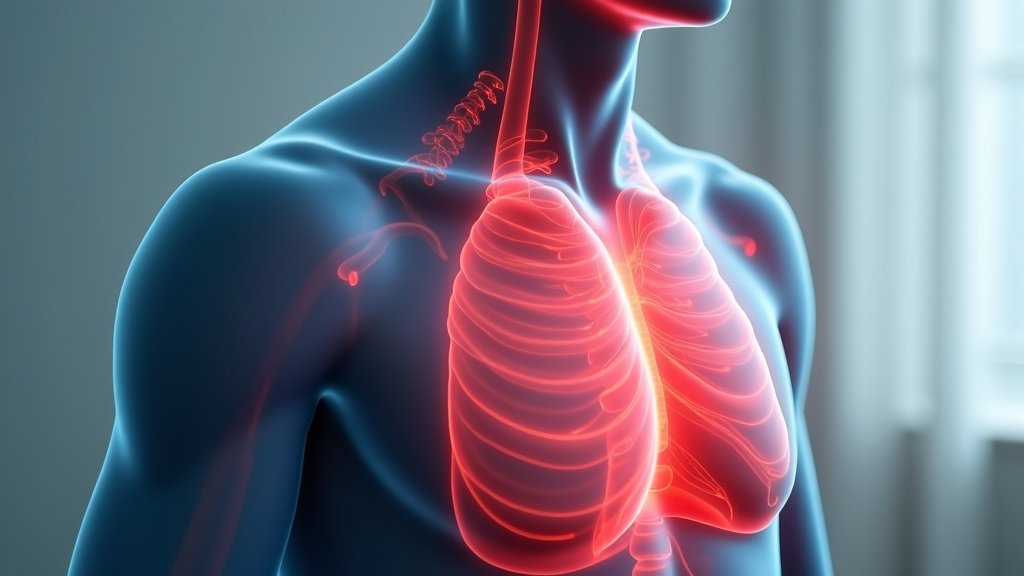
Beyond heart issues, other serious conditions can cause chest tightness. Your lungs, for instance, can be the source of significant discomfort.
- A sudden, sharp chest pain with shortness of breath can signal a collapsed lung (NIH).
- Pain that worsens with deep breaths or coughing may indicate a blood clot in the lung or pneumonia.
- Conditions like asthma or COPD can cause tightness along with wheezing and difficulty breathing.
- Severe heartburn or problems with your esophagus can also create profound chest discomfort (Cleveland Clinic).
These symptoms also warrant urgent medical attention, as they can quickly become dangerous.
Less Alarming Causes of Chest Tightness
Not all chest tightness is a medical emergency. Sometimes, the cause is less serious but still uncomfortable.
Anxiety and Panic Attacks
Feeling overwhelmed can bring on unsettling physical symptoms. A panic attack often includes a sudden onset of chest tightness.
- You might feel a racing heart, shortness of breath, dizziness, and sweating.
- The chest tightness associated with anxiety attacks is often intense but usually passes.
- It’s crucial to remember that anxiety can mimic heart attack symptoms very closely.
While not immediately life-threatening, frequent panic attacks should be discussed with your doctor.
Muscle Strain or Injury
Have you been lifting something heavy or exercising intensely? Muscle strains are surprisingly common causes of chest pain.
- The pain is usually localized and worsens when you press on the affected area.
- It often feels sharp or achy and can be aggravated by certain movements.
- You might recall a specific activity that led to the strain.
Over-the-counter pain relievers and rest usually help with muscle strains. If the pain is severe or doesn’t improve, see your doctor.
Gastrointestinal Issues
Sometimes, what feels like heart trouble is actually coming from your digestive system. Heartburn is a prime example.
- Acid reflux can cause a burning sensation in your chest, often rising into your throat.
- It might feel worse after eating or when lying down.
- Certain foods can trigger heartburn.
Other GI issues, like esophageal spasms, can cause intense chest pain that is difficult to distinguish from heart pain (American College of Gastroenterology).
When to Seek Emergency Care Immediately
This is the most critical takeaway. When in doubt, always err on the side of caution. Call 911 or your local emergency services.
Don’t try to drive yourself to the hospital if you suspect a heart attack. Paramedics can start treatment on the way.
Emergency Checklist: Call 911 If You Have Chest Tightness AND:
- You have sudden chest pain that spreads to your arm, jaw, or back.
- You feel shortness of breath, nausea, cold sweats, or sudden dizziness.
- Your chest pain is constant and doesn’t get better with rest.
- You have a known heart condition and your symptoms are worse than usual.
- You experience sudden, crushing chest pain.
Trust your instincts. If something feels truly “off,” get help without delay.
When It’s Okay to Call Your Doctor (Not 911)
Some chest tightness warrants medical attention, but not necessarily an emergency call.
- Chest tightness that is mild but persistent.
- Pain that worsens with specific movements or breathing but doesn’t have other severe symptoms.
- Chest pain that you believe is related to anxiety, but you’re having trouble managing it.
- Heartburn that is frequent or not responding to over-the-counter medications.
Your doctor can help determine the cause and recommend a treatment plan.
Understanding Risk Factors for Serious Chest Pain
Certain factors make you more susceptible to serious causes of chest tightness. Are you aware of your personal risks?
Here’s a quick look at some common risk factors:
| Risk Category | Examples |
|---|---|
| Heart Disease | High blood pressure, high cholesterol, diabetes, smoking, family history of early heart disease. |
| Lung Disease | Smoking, exposure to environmental toxins, frequent respiratory infections. |
| Gastrointestinal | Obesity, poor diet, excessive alcohol consumption. |
| Mental Health | Chronic stress, anxiety disorders, depression. |
Knowing your risk factors can help you and your doctor be more proactive about your health.
What Happens at the Emergency Room?
If you arrive at the ER with chest tightness, expect a thorough and quick evaluation. What are they looking for?
Doctors will prioritize ruling out life-threatening conditions, especially heart attacks and blood clots in the lungs. They will want to know things like when your pain started, what it feels like, and if anything makes it better or worse.
- You will likely have an electrocardiogram (ECG) to check your heart’s electrical activity.
- Blood tests will check for heart damage markers called cardiac enzymes.
- They might order a chest X-ray to look at your lungs.
- Depending on your symptoms, other tests might include a CT scan or an ultrasound.
It’s important to be honest and detailed with the medical staff. Your input helps them find the right diagnosis quickly.
Conclusion
Understanding when chest tightness is serious is one of the most important health lessons you can learn. Always remember that your instincts are a powerful guide. If something feels genuinely alarming, don’t hesitate to seek immediate medical help. It’s always better to be safe and receive a professional evaluation than to risk delaying care for a potentially life-threatening condition.
Prioritize your well-being. If you’re ever in doubt, call 911 or consult your doctor to get the answers and care you need.
Frequently Asked Questions
Can stress and anxiety really cause severe chest tightness?
Yes, stress and anxiety can absolutely lead to intense chest tightness, sometimes feeling like a heart attack. Your body’s fight-or-flight response can cause muscles to tense and your heart rate to increase, mimicking serious heart issues. If this happens often, talk to your doctor about managing your anxiety.
How long does typical heartburn chest discomfort last?
Heartburn discomfort can vary, but it often lasts from a few minutes to several hours. It usually worsens after eating or when lying down. If over-the-counter antacids don’t help, or if it’s a frequent problem, reach out to your doctor.
Is it possible to have a heart attack without typical chest pain?
Yes, it is possible to have a heart attack without classic chest pain, especially for women, older adults, and people with diabetes. Symptoms can be subtler, like shortness of breath, unusual fatigue, nausea, or discomfort in the back, jaw, or arms. Always be aware of these less common signs.
Can a pulled chest muscle feel like something more serious?
A pulled chest muscle can indeed cause significant pain that might feel concerning. The pain is typically sharp or achy and often worsens with movement or touching the affected area. If you can pinpoint a specific activity that caused the strain, it’s more likely muscular, but if unsure, seek medical advice.
When should I go to an urgent care center instead of the ER for chest tightness?
If you suspect your chest tightness is related to a serious issue like a heart attack, blood clot, or severe respiratory problem, go to the nearest emergency room or call 911 immediately. Urgent care centers are better suited for less severe, non-life-threatening conditions when your primary doctor is unavailable.