Is Magnesium Good for Heart Palpitations?
On this page (5 sections)
Yes, magnesium can be good for heart palpitations. Many studies suggest that a deficiency in magnesium may contribute to irregular heartbeats. Ensuring you have enough magnesium supports a healthy heart rhythm.
You might be wondering if this mineral is the magic bullet for that fluttering feeling in your chest. While magnesium plays a vital role in numerous body functions, including muscle and nerve function, its connection to heart health is particularly interesting. We’ve looked into what research says about this connection.
- Magnesium plays a key role in heart function.
- Low magnesium levels might trigger heart palpitations.
- Getting enough magnesium helps maintain a steady heartbeat.
- Consult your doctor before trying magnesium supplements.
Let’s dive into how magnesium can help with those bothersome palpitations and what you should know about it.
Understanding Magnesium’s Role in Heart Rhythm
Magnesium is a mineral that your body needs to function well. It’s involved in over 300 biochemical reactions. Many of these reactions are critical for your heart’s health. Think of it as a tiny but mighty bodyguard for your heart.
Your heart muscle, like all muscles, needs to contract and relax properly. Magnesium helps regulate these contractions. It acts like a natural calcium blocker. Calcium causes muscles to contract. Magnesium helps them relax.
How Magnesium Supports a Steady Heartbeat
A steady heartbeat is essential for pumping blood efficiently. Magnesium plays a key role in maintaining this rhythm. It helps control the flow of electrical signals in your heart. These signals tell your heart when to beat.
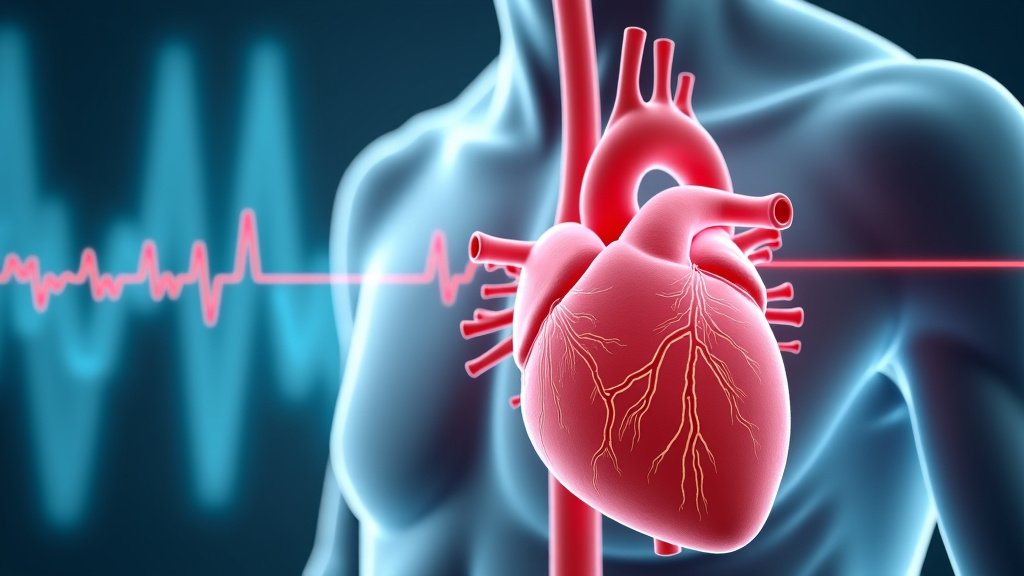
When magnesium levels are low, these signals can become erratic. This can lead to an irregular heartbeat, which we often feel as palpitations. Research suggests that adequate magnesium can help prevent these electrical disturbances. It helps keep the heart’s electrical system on the right track (National Institutes of Health).
The Link Between Magnesium Deficiency and Palpitations
Have you ever felt a skipped beat or a fluttering sensation in your chest? These are common descriptions of heart palpitations. While many things can cause them, a lack of magnesium is a common culprit. Studies have shown a connection between low magnesium and arrhythmias, or irregular heartbeats (American Heart Association). If you’re experiencing palpitations, consider learning about home ECG monitors.
When your body doesn’t have enough magnesium, it can affect how your heart cells communicate. This can lead to overexcitement in the heart’s electrical pathways. It’s like a faulty wire causing a short circuit. This can trigger those unwanted extra beats or a racing heart feeling.
Electrolyte Balance and Your Heart
Magnesium is an electrolyte. Electrolytes are minerals that carry an electrical charge. They are vital for maintaining fluid balance and nerve function. They also help your muscles contract and relax.
Your heart relies heavily on a proper balance of electrolytes. This includes potassium, sodium, and magnesium. If one electrolyte is out of balance, it can affect the others. This imbalance can disrupt your heart’s normal rhythm. Magnesium helps keep these other electrolytes in check.
Signs You Might Not Be Getting Enough Magnesium
It’s possible you aren’t getting enough magnesium without realizing it. Many people in the US have magnesium intake below recommended levels. Factors like diet, certain medical conditions, and medications can affect your magnesium status.
What are some common signs that might point to a magnesium shortfall? You might experience muscle cramps or twitches. Fatigue is also a common symptom. Some people report headaches or migraines. And, of course, unexplained heart palpitations could be a sign.
Dietary Sources of Magnesium
The good news is that you can often increase your magnesium intake through food. What foods are rich in this essential mineral? Leafy green vegetables are excellent sources. Think spinach and kale. Nuts and seeds are also packed with magnesium. Pumpkin seeds, almonds, and cashews are great choices.
Whole grains like brown rice and oats contribute to your magnesium intake. Beans and lentils are also good options. Dark chocolate, in moderation, can provide a magnesium boost too. Aiming for a variety of these foods can help ensure you’re getting enough.
When Food Isn’t Enough: Magnesium Supplements
Sometimes, even with a good diet, your body might still need more magnesium. This is where supplements can come in. However, it’s important to talk to your doctor before starting any new supplement. They can help you determine if a supplement is right for you and what dosage to take.
Magnesium supplements come in different forms. Common types include magnesium citrate, oxide, and glycinate. Some forms are absorbed better by the body than others. Your doctor can guide you on the best choice for your needs. They can also check for any potential interactions with other medications you might be taking.
Magnesium and Specific Heart Conditions
Research has explored magnesium’s role in various heart conditions beyond general palpitations. For instance, some studies suggest it may be beneficial for atrial fibrillation (AFib). AFib is a common type of irregular heartbeat. It can increase the risk of stroke.
Magnesium can also play a role in blood pressure regulation. High blood pressure is a major risk factor for heart disease. While not a cure, adequate magnesium intake is considered part of a heart-healthy lifestyle. Always discuss any heart condition management with your healthcare provider.
Important Considerations Before Supplementing with Magnesium
You might be thinking, “I’ll just start taking magnesium!” It’s smart to be cautious. While generally safe, magnesium supplements can cause side effects. These often include digestive issues like diarrhea or stomach cramps.
Also, if you have certain kidney problems, you need to be extra careful. Your kidneys help filter excess magnesium from your body. If they aren’t working well, too much magnesium can build up. This can be harmful. This is why consulting your doctor is a non-negotiable first step.
Consulting Your Doctor is Key
Your doctor is your best resource for personalized advice. They can assess your individual health status. They can also check your magnesium levels if they suspect a deficiency. They can recommend the appropriate dosage and form of magnesium for you.
Self-treating heart palpitations with supplements can be risky. It’s vital to get a proper diagnosis. Palpitations can sometimes indicate a more serious underlying issue that needs medical attention. Don’t try to guess your way to a healthier heart. Get professional guidance.
Tips for Optimizing Your Magnesium Intake
To wrap things up, let’s review some actionable steps. You want to support your heart health and keep those palpitations at bay. Focus on incorporating magnesium-rich foods into your daily meals.
- Add leafy greens like spinach to your salads or smoothies.
- Snack on a handful of almonds or pumpkin seeds.
- Choose whole grains over refined grains whenever possible.
- Enjoy a piece of dark chocolate as a treat.
- Talk to your doctor about whether a magnesium supplement is right for you.
- Stay hydrated, as good hydration supports electrolyte balance.
Conclusion
You’ve learned that magnesium plays a vital role in keeping your heart beating steadily. Research shows that not getting enough magnesium might contribute to those fluttery feelings you experience. By focusing on magnesium-rich foods like leafy greens, nuts, and seeds, you can naturally support your heart health. If you’re considering supplements, remember that a chat with your doctor is the most important first step. They can help you figure out the best plan for you and ensure any changes are safe and effective for your individual needs.
Frequently Asked Questions
Can I take magnesium for palpitations without talking to my doctor?
It’s strongly recommended that you consult your doctor before starting magnesium supplements for palpitations. They can properly diagnose the cause of your palpitations and advise on the safest and most effective course of action for you.
What’s the difference between magnesium for heart health and other uses?
Magnesium supports overall bodily functions, including muscle and nerve function. For heart health, it specifically helps regulate your heart’s electrical signals and muscle contractions, which is key to maintaining a steady rhythm.
How quickly can I expect to feel a difference if magnesium helps my palpitations?
The time it takes to notice a difference varies. Some people might feel improvements relatively quickly as their magnesium levels normalize, while for others, it may take longer. Consistency with dietary intake or a prescribed supplement is important.
Are there specific types of magnesium supplements that are better for heart palpitations?
Different forms of magnesium supplements, like magnesium glycinate or citrate, have varying absorption rates. Your doctor can recommend the best type and dosage based on your individual needs and how well your body absorbs it.
What happens if I have too much magnesium in my body?
Excess magnesium can lead to side effects like diarrhea, nausea, and stomach cramps. In more severe cases, especially with kidney issues, it can cause serious health problems. This is why doctor supervision is essential when supplementing.