How to Monitor Heart Health After a Heart Attack at Home?
On this page (8 sections)
- Keeping Tabs on Your Heart: Home Monitoring After a Cardiac Event
- Your Daily Heartbeat Check: Blood Pressure and Heart Rate
- Watching Your Weight: A Simple Indicator of Fluid Balance
- Listen to Your Body: Recognizing and Reporting Symptoms
- Your Recovery Toolkit: Medications and Activity
- Your Home Monitoring Checklist
- Conclusion
- Frequently Asked Questions
Monitoring your heart health after a heart attack at home is absolutely possible and highly recommended for a smoother recovery. For the ECG part of that plan, see whether home ECG monitoring is recommended after a heart attack. You can effectively keep track of key indicators like your blood pressure, heart rate, weight, and symptoms using simple tools and regular check-ins. This proactive approach is vital for detecting potential issues early and working with your doctor.
After experiencing a heart attack, your body needs careful attention. Understanding how to monitor your progress from the comfort of your home can provide peace of mind. If you want an ECG device for reassurance after a heart scare, compare ECG monitors for reassurance. It’s about staying informed and feeling in control of your recovery journey, which research shows can lead to better long-term outcomes.
- Track blood pressure and heart rate regularly.
- Monitor your weight for sudden changes.
- Be aware of and report any new or worsening symptoms.
- Follow your doctor’s prescribed medication and exercise plan.
- Know when to seek immediate medical help.
We’ve gathered some straightforward ways you can keep a close eye on your heart health right from your living room. Let’s walk through how to do this step by step.
Keeping Tabs on Your Heart: Home Monitoring After a Cardiac Event
After a heart attack, staying on top of your health at home is a big part of your recovery. For ECG device options, see our guide to monitors for recovery. Think of it like being the captain of your own ship, steering towards a healthier future. You’ve got this! We’re going to walk through some simple, effective ways to monitor your heart health from the comfort of your home. This isn’t about becoming a medical expert overnight; it’s about gathering key information that will help you and your doctor make the best decisions for your well-being.
Your Daily Heartbeat Check: Blood Pressure and Heart Rate
Your blood pressure and heart rate are like the heart’s report card. For another part of cardiac recovery, see how an EKG can track recovery after heart surgery. Keeping track of them daily can show you trends and spot issues early. Many health organizations, like the American Heart Association, stress the importance of regular monitoring for those who have had a cardiac event.
How to Measure Your Blood Pressure at Home
You’ll want to get a digital blood pressure monitor. These are widely available at pharmacies and online. Make sure it’s been validated for accuracy, as recommended by many health professionals.
- Sit quietly for at least five minutes before taking a reading.
- Rest your arm on a table, with the cuff at heart level.
- Don’t talk while the cuff is inflating.
- Take two or three readings, a minute apart, and record them.
- Try to take readings at the same time each day for consistency.
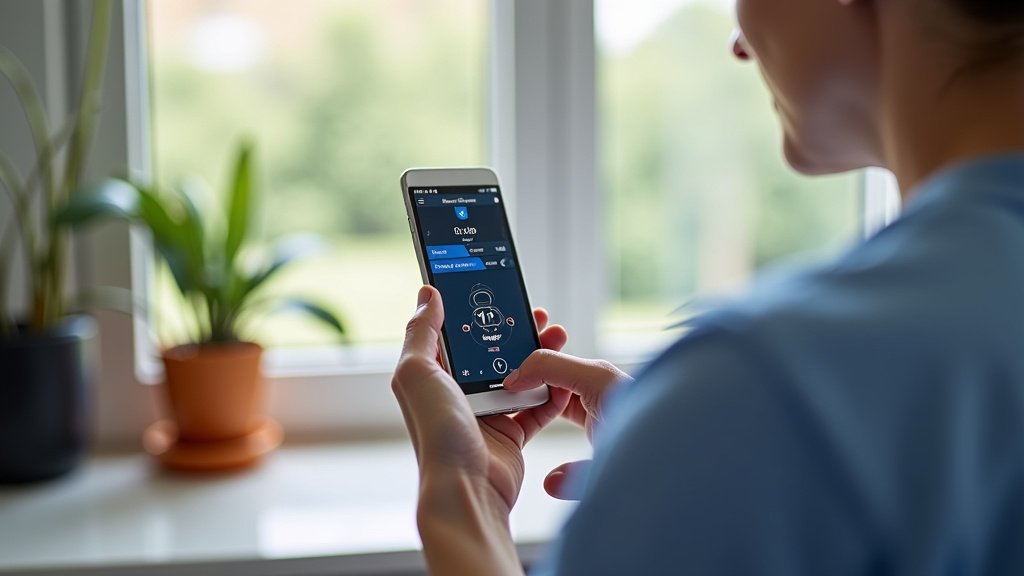
It’s helpful to use a logbook or a smartphone app to build a heart health monitoring routine and keep these numbers organized. This way, you have a clear history to share with your doctor.
Understanding Your Heart Rate
Your heart rate, or pulse, tells you how many times your heart beats per minute. For most adults at rest, it’s between 60 and 100 beats per minute. After a heart attack, your doctor might give you a different target range. You can often track your pulse along with your blood pressure readings.
You can often check your pulse along with your blood pressure. Your blood pressure monitor may also show your pulse rate. Some smartwatches and fitness trackers can also measure your heart rate throughout the day, which can be really useful.
Be aware of how your heart rate changes during activities. Does it jump too high during mild exertion? Does it take a long time to come back down? These are important clues.
Watching Your Weight: A Simple Indicator of Fluid Balance
Did you know that a sudden jump in your weight could be a sign that your body is holding onto too much fluid? This is common after a heart attack and can be a sign of worsening heart function. Weighing yourself daily, or at least a few times a week, is a simple yet powerful tool.
The National Institutes of Health (NIH) suggests that tracking daily weight can help detect fluid retention early. This allows for timely adjustments to your medication or diet.
Getting Accurate Daily Weights
Use the same scale every time. Make sure it’s on a hard, flat surface, not carpet. Weigh yourself first thing in the morning, after you’ve used the restroom and before you eat or drink anything. Wearing the same light clothing or no clothing can also help ensure consistency.
What kind of change should you watch for? Your doctor will give you specific numbers, but generally, a weight gain of 2 to 3 pounds in a day, or 5 pounds in a week, warrants a call to your healthcare provider.
Listen to Your Body: Recognizing and Reporting Symptoms
Your body sends signals, and after a heart attack, it’s extra important to listen closely. New or worsening symptoms could mean something is changing with your heart. Staying alert to these changes can help prevent more serious problems.
Common Symptoms to Watch For
While chest discomfort is the classic sign, heart attack symptoms can be broader. Researchers have found that recognizing a range of symptoms is key to early intervention.
- Chest pain or discomfort: This might feel like pressure, squeezing, fullness, or pain in the center of your chest. It can last more than a few minutes or go away and come back.
- Pain or discomfort in other areas: This can include pain in one or both arms, your back, neck, jaw, or stomach.
- Shortness of breath: This can happen with or without chest discomfort. You might feel like you can’t catch your breath.
- Other signs: These can include cold sweats, nausea, lightheadedness, or unusual fatigue.
It’s also important to note any changes in symptoms you’ve already experienced. If your chest discomfort feels different, or if shortness of breath is becoming a daily struggle, don’t dismiss it.
When to Contact Your Doctor or Seek Emergency Care
Knowing when to act is just as important as knowing what to watch for. If you experience any of the warning signs of a heart attack or a significant change in your symptoms, it’s time to call for help.
Call 911 immediately if you suspect you are having a heart attack or are experiencing severe chest pain, shortness of breath, or other alarming symptoms. Do not drive yourself to the hospital. Emergency medical services can begin treatment en route.
For less urgent concerns, like a slight increase in swelling or a nagging cough that’s worse than usual, contact your doctor’s office. They can advise you on the next steps based on your specific situation. Always trust your gut feeling; if something feels off, it’s worth getting checked out.
Your Recovery Toolkit: Medications and Activity
Your doctor prescribes medications and an activity plan for a reason – they are vital for your healing and long-term heart health. Following these closely is a form of self-monitoring, ensuring you’re giving your heart the best environment to recover.
Sticking to Your Medication Schedule
Medications help manage blood pressure, cholesterol, prevent blood clots, and reduce strain on your heart. It’s essential to take them exactly as prescribed. A missed dose or taking it at the wrong time can affect how well it works.
Consider using a pill organizer or setting daily reminders on your phone or watch. If you have any side effects or questions about your medications, talk to your doctor or pharmacist. They can help you understand the purpose of each pill and how it contributes to your overall heart health, as emphasized by the Mayo Clinic.
Gradual Return to Physical Activity
Exercise is medicine for your heart, but it needs to be the right dose. Your doctor or a cardiac rehabilitation program will guide you on what activities are safe and how to progress. Listen to your body and don’t push too hard, too soon.
Start with short walks and gradually increase the duration and intensity as you feel stronger. Pay attention to how you feel during and after exercise. If you experience chest pain, dizziness, or excessive shortness of breath, stop and rest. Report these to your doctor. Cardiac rehab programs are excellent resources for learning how to exercise safely and effectively.
Your Home Monitoring Checklist
Here’s a quick rundown to help you stay on track:
- Daily: Check your blood pressure and heart rate.
- Daily: Weigh yourself and note any significant changes.
- Daily: Review your medications and take them as prescribed.
- Throughout the day: Be mindful of any new or worsening symptoms.
- As advised: Engage in your prescribed physical activity.
- Regularly: Keep your doctor updated on your readings and how you feel.
Conclusion
You’ve learned how to actively manage your heart health from home after a heart attack. Regularly checking your blood pressure, heart rate, and weight gives you vital data. Paying attention to your body’s signals and sticking to your doctor’s plan are key steps. This consistent monitoring helps you and your healthcare team make informed decisions about your recovery. Take this information and make it a part of your daily routine to build a stronger, healthier future for your heart.
Frequently Asked Questions
How often should I take my blood pressure after a heart attack?
Your doctor will guide you on the best frequency for your situation. Many patients are advised to take readings daily, at the same time each day. Always record these numbers to share with your healthcare provider.
What if my weight suddenly increases?
A sudden weight gain of 2-3 pounds in one day or 5 pounds in a week can indicate fluid retention. This is something your doctor needs to know about. Contact your healthcare provider right away if you notice such a change.
Can I still exercise after a heart attack?
Yes, exercise is a vital part of recovery, but it must be done safely. Follow your doctor’s or cardiac rehabilitation team’s guidance on what activities are appropriate and how to gradually increase your intensity. Listen to your body and report any unusual symptoms.
How do I know if my symptoms are serious enough to call 911?
If you experience severe chest pain, sudden shortness of breath, or any symptoms that feel like a new heart attack, call 911 immediately. Do not try to drive yourself to the hospital.
What is the role of medications in monitoring heart health?
Medications are prescribed to manage your condition and support your heart. Taking them exactly as directed is a form of monitoring. It ensures your treatment is effective and helps prevent complications. Discuss any side effects or concerns with your doctor.