How to Improve HRV Through Breathing Exercises?
On this page (6 sections)
Yes, you absolutely can improve your Heart Rate Variability (HRV) with simple breathing exercises. By focusing on slow, deep breaths, you can help balance your nervous system and make your HRV more robust. An HRV monitor for meditation can help you observe those readings during a regular practice. This is a powerful tool for stress management.
HRV measures the tiny variations in time between your heartbeats. A higher HRV often indicates better health and adaptability. Breathing techniques, especially those focusing on the diaphragm, can help you shift from a stressed state to a more relaxed one, thereby boosting your HRV scores and overall well-being. It’s like a mini-vacation for your nervous system!
- Breathing exercises directly impact your Heart Rate Variability (HRV).
- Slow, deep breaths are key to balancing your nervous system.
- Higher HRV generally means better health and stress resilience.
- Diaphragmatic breathing is particularly effective.
- This is a simple, accessible way to manage stress.
Ready to discover how breathing can transform your HRV? Let’s walk through some easy exercises you can start doing today.
Breathing for a Better HRV: Your Simple Guide
You can indeed improve your Heart Rate Variability (HRV) with simple breathing exercises. Focusing on slow, deep breaths helps balance your nervous system. This makes your HRV more robust and is a powerful tool for managing stress.
Understanding HRV and Why Breathing Matters
What Exactly is Heart Rate Variability?
Think of your heart not as a metronome, but as a flexible conductor. Heart Rate Variability (HRV) measures the tiny time gaps between each of your heartbeats. It’s not about how fast your heart is beating, but the slight variations in its rhythm. A higher HRV generally suggests your body is good at adapting to changing conditions. It’s a key indicator of your autonomic nervous system’s balance.
The Autonomic Nervous System Connection
Your autonomic nervous system has two main branches: the sympathetic and the parasympathetic. The sympathetic side is your “fight or flight” response. It speeds things up when you’re stressed or excited. The parasympathetic side is your “rest and digest” system. It calms you down and helps you recover. HRV reflects the interplay between these two. A well-balanced system leads to higher HRV (National Institutes of Health).
How Breathing Influences Your Nervous System
Breathing is unique because it’s both automatic and voluntary. You can control your breath. When you consciously slow down your breathing, you send signals to your brain. These signals tell your body it’s safe to relax. This shift encourages the parasympathetic nervous system to become more active. This directly impacts your HRV, making it a super accessible tool for well-being.
Getting Started with HRV-Boosting Breathing Techniques
The Power of Diaphragmatic Breathing
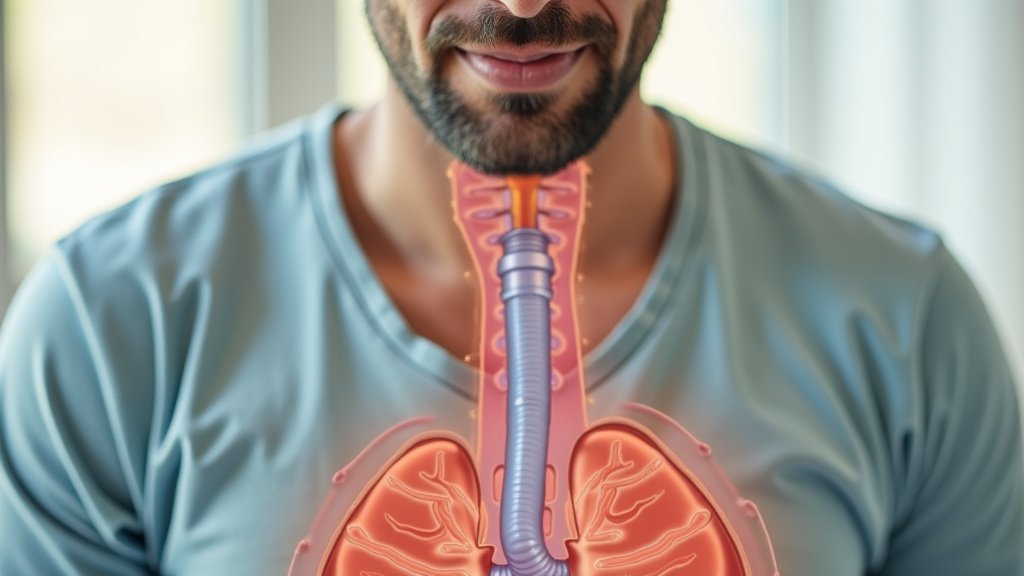
Also known as belly breathing, diaphragmatic breathing is your go-to technique. It involves using your diaphragm, a large muscle below your lungs, to draw air deep into your belly. This is different from shallow chest breathing. Deep breaths stimulate the vagus nerve, a major player in the parasympathetic nervous system. Research shows this can lead to immediate calming effects and improve HRV (Cleveland Clinic).
How to Practice Diaphragmatic Breathing
Here’s a simple way to get started:
- Find a comfortable position, either sitting or lying down.
- Place one hand on your chest and the other on your belly, just below your rib cage.
- Inhale slowly through your nose. You should feel your belly rise, pushing your hand outward. Try to keep your chest hand relatively still.
- Exhale slowly through your mouth, as if you’re gently blowing out a candle. Feel your belly fall inward.
- Focus on making your exhales slightly longer than your inhales.
- Aim for about 6 breaths per minute. This means each inhale and exhale would last about 10 seconds.
Start with just 5 minutes a day. You might be surprised at how quickly you feel a difference. Consistency is key here.
Box Breathing: A Simple Yet Effective Method
Box breathing, also called square breathing, is another excellent technique. It’s easy to remember because it involves four equal steps. This rhythmic pattern can help regulate your breathing and calm your mind. It’s a favorite among many who need to find their center quickly.
Practicing Box Breathing
To try box breathing:
- Exhale completely.
- Inhale slowly through your nose for a count of 4.
- Hold your breath for a count of 4.
- Exhale slowly through your mouth for a count of 4.
- Hold your breath out for a count of 4.
- Repeat this cycle for a few minutes.
This method helps you control your breath and can create a sense of calm. Many people find it helpful before stressful situations.
4-7-8 Breathing for Deep Relaxation
Developed by Dr. Andrew Weil, the 4-7-8 breathing technique is known for its powerful relaxing effects. It’s often recommended for improving sleep quality. The longer exhale helps to activate the parasympathetic response more strongly.
How to Do 4-7-8 Breathing
Follow these steps:
- Exhale completely through your mouth, making a whoosh sound.
- Close your mouth and inhale quietly through your nose to a mental count of 4.
- Hold your breath for a count of 7.
- Exhale completely through your mouth, making that whoosh sound, to a count of 8.
- This completes one breath cycle. Repeat for up to four cycles.
This technique can feel intense at first. Stick with it, and you’ll likely find it very effective for winding down.
Integrating Breathing Exercises into Your Daily Routine
When and Where to Practice
The beauty of these exercises is their flexibility. You don’t need special equipment or a dedicated space. Try incorporating them:
- First thing in the morning to set a calm tone for your day.
- During your commute, if you’re not driving, of course!
- Before a challenging meeting or event.
- When you feel stress or anxiety creeping in.
- As part of your bedtime routine to promote sleep.
Even short, consistent sessions can make a noticeable difference in your HRV and how you feel.
Making it a Habit: A Simple Checklist
Building a new habit takes a little effort, but it’s rewarding. Here’s a quick checklist to help you stay on track:
- Schedule your breathing practice like any other important appointment.
- Start small – even 2-3 minutes counts!
- Find a quiet spot where you won’t be interrupted.
- Focus on the sensation of your breath entering and leaving your body.
- Be patient and kind to yourself; some days will be easier than others.
Conclusion
You now have the tools to boost your Heart Rate Variability (HRV) using simple breathing exercises. Remember, slow, deep breaths signal to your body that it’s safe to relax. This helps balance your nervous system and builds your resilience to stress. You can also use HRV trends to guide workout recovery decisions. Consistency is your best friend here. Start with just a few minutes each day, and you’ll begin to feel the positive effects on your HRV and overall well-being. Make breathing your daily superpower for calm and control.
Frequently Asked Questions
How quickly can I expect to see an improvement in my HRV from breathing exercises?
Some people notice immediate calming effects after just a few minutes of deep breathing. However, noticeable, consistent improvements in your HRV might take a few weeks of regular practice. Track your HRV daily to see your personal progress over time.
Is it okay to do breathing exercises more than once a day?
Yes, absolutely! You can practice breathing exercises multiple times a day. Doing them in the morning, at midday, and before bed can offer continuous benefits. Listen to your body and practice when you feel you need a moment of calm.
Can breathing exercises help with sleep problems related to stress?
Yes, they can be very effective. Techniques like 4-7-8 breathing are specifically designed to induce relaxation and calm the mind. Regular practice before bed can help you fall asleep more easily and improve sleep quality.
What if I feel lightheaded or dizzy during breathing exercises?
This can happen, especially when you’re new to slow breathing. If you feel lightheaded, stop the exercise and take a few normal breaths. Try again with slower inhales and exhales, or shorten the hold times. It often passes with practice.
Do I need any special apps or devices to track my HRV?
While many smartwatches and fitness trackers offer HRV monitoring, you don’t necessarily need them to start. The primary focus is on practicing the breathing techniques consistently. You can begin noticing benefits in how you feel even before you track your HRV data.