Is a Fast Heart Rate Always a Heart Attack Sign?
On this page (8 sections)
No, a fast heart rate is not always a sign of a heart attack. While a rapid heartbeat can be alarming, it often stems from more common causes like exercise, stress, or anxiety. It’s important not to panic, but to understand the context of your situation.
Your heart rate naturally speeds up when your body needs more oxygen. This happens during physical activity or when you feel nervous. Many everyday situations can cause a temporary increase in your pulse. Knowing the difference can help you avoid unnecessary worry about your heart health.
- A fast heart rate doesn’t automatically mean a heart attack.
- Exercise and stress are common reasons for a quickened pulse.
- Sometimes, a fast heart rate is perfectly normal.
- Knowing the difference can ease your mind.
Let’s break down what might be causing your racing heart and when you should really be concerned.
When Your Heart Races: Understanding a Fast Heart Rate
A fast heart rate, medically known as tachycardia, can be unsettling. You might feel your heart pounding in your chest or fluttering. It’s natural to wonder if something serious is happening, like a heart attack. But here’s the good news: most fast heart rates are not caused by a heart attack. Many everyday things can make your pulse speed up.
Your heart is an amazing muscle. It works hard to pump blood and oxygen throughout your body. When your body needs more oxygen, your heart beats faster. This is a normal response. Think of it like your car’s engine revving up when you need to accelerate quickly. It’s doing its job to keep you going.
Common Triggers for a Quickened Pulse
So, what are these common culprits behind a racing heart? You’d be surprised how many things can cause your pulse to quicken. Let’s look at some of the most frequent reasons.
Physical Exertion: The Natural Response
This is probably the most obvious one. When you exercise or do strenuous activity, your muscles need more oxygen. Your heart responds by pumping faster to deliver that oxygen. Running, jumping, lifting weights – all these activities will naturally increase your heart rate. It’s a sign your cardiovascular system is working efficiently.
After your workout, your heart rate should gradually return to its normal resting rate. If you’re fit, this recovery might be quite quick. If your heart rate stays very high long after you’ve stopped exercising, that’s a different conversation. But during the activity itself, a fast heart rate is perfectly normal and expected.
Emotional Stress and Anxiety: The Mind-Body Connection
Ever felt your heart pound before a big presentation or during a scary movie? That’s your adrenaline kicking in. When you feel stressed, anxious, or even very excited, your body releases hormones like adrenaline. These hormones signal your heart to beat faster. It’s your body’s “fight or flight” response preparing you for action, even if the “danger” is just a thought or a situation.
This can happen even when you’re not in any physical danger. A stressful phone call, a looming deadline, or even strong emotions like anger or fear can trigger this. For some people, this response is quite pronounced. If you often experience anxiety, you might notice your heart rate increases frequently.
Caffeine and Stimulants: A Little Boost
That morning cup of coffee or a caffeinated energy drink can give you a nice boost. But it can also give your heart a little extra pep in its step. Caffeine is a stimulant. It affects your central nervous system and can increase your heart rate and blood pressure. The amount of caffeine and your individual sensitivity play a big role here.
Other stimulants, like certain medications or even some decongestants, can also cause a temporary increase in your heart rate. If you notice your heart racing after consuming a caffeinated beverage or taking a new medication, this might be the reason. It’s usually temporary and resolves as the substance leaves your system.
Fever and Illness: Your Body Fighting Back
When you’re sick, your body is working overtime to fight off infection. Your metabolism speeds up as your body tries to heal. This increased metabolic rate requires more oxygen, so your heart beats faster to meet the demand. A fever itself can also directly increase your heart rate (Mayo Clinic).
If you have a fever, especially a high one, you’ll likely notice your pulse is quicker. This is a normal sign that your body is actively fighting illness. Once you recover and your fever subsides, your heart rate should return to normal.
Dehydration: Not Enough Fluid
Believe it or not, not drinking enough fluids can affect your heart rate. When you’re dehydrated, your blood volume decreases. To compensate and ensure your organs still get enough oxygenated blood, your heart has to pump harder and faster. Think of it like trying to push thick syrup through a straw – it takes more effort than pushing water.
If you’ve been sweating a lot, haven’t had much to drink, or are experiencing vomiting or diarrhea, you might be dehydrated. Along with a racing heart, you might feel dizzy or tired. Drinking water is usually the quickest fix.
When a Fast Heart Rate Might Signal a Problem
While many causes are harmless, there are times when a fast heart rate is a sign that something is genuinely wrong. It’s crucial to know these warning signs. Ignoring persistent or severe symptoms can be dangerous.
Symptoms That Accompany a Fast Heart Rate
A fast heart rate becomes more concerning when it’s accompanied by other alarming symptoms. These can include:
- Chest pain or discomfort: This is a classic symptom that should never be ignored. It might feel like pressure, squeezing, or fullness in your chest.
- Shortness of breath: Feeling like you can’t catch your breath, even at rest, is a serious sign.
- Dizziness or lightheadedness: Feeling faint or like the room is spinning.
- Fainting (syncope): Losing consciousness.
- Heart palpitations that feel irregular or like skipped beats: While some palpitations are benign, a change in their pattern can be a concern.
- Sweating more than usual, especially cold sweats.
- Nausea or vomiting.
If you experience any of these symptoms along with a racing heart, it’s time to seek immediate medical attention. Don’t try to tough it out.
When to Seek Professional Help
It’s always best to err on the side of caution. When in doubt, contact a medical professional. Here are some scenarios where you should definitely reach out:
- Your heart rate is consistently over 100 beats per minute even when you are resting.
- Your fast heart rate comes on suddenly without an obvious cause like exercise.
- You have a history of heart problems or other medical conditions that could be affected.
- You experience any of the warning symptoms listed above.
- Your fast heart rate is disrupting your daily life or causing significant anxiety.
Don’t hesitate to call your doctor or go to the nearest emergency room. They have the tools and expertise to figure out what’s going on and provide the right care.
Understanding Different Types of Fast Heart Rhythms
Not all fast heart rates are the same. Doctors often categorize them based on where they originate in the heart and their specific pattern. This helps in diagnosis and treatment.
Supraventricular Tachycardia (SVT)
SVT is a rapid heart rate that starts in the upper chambers of your heart (the atria). It often feels like a sudden onset of a very fast, regular heartbeat. It’s common and not usually life-threatening, but it can be very uncomfortable. Triggers can include caffeine, alcohol, stress, or even nothing specific at all.
Atrial Fibrillation (AFib)
AFib is a more serious condition where the upper chambers of your heart beat chaotically and irregularly. This leads to an irregular and often fast heart rate. AFib significantly increases the risk of stroke because blood can pool and form clots (CDC). It’s often described as a “fluttering” or “racing” feeling, but the rhythm is uneven.
Ventricular Tachycardia (VT)
VT originates in the lower chambers of your heart (the ventricles). This is generally considered more serious than SVT. A rapid heartbeat originating from the ventricles can sometimes be life-threatening because it can affect the heart’s ability to pump blood effectively. VT can be a sign of underlying heart disease.
What Your Doctor Might Do
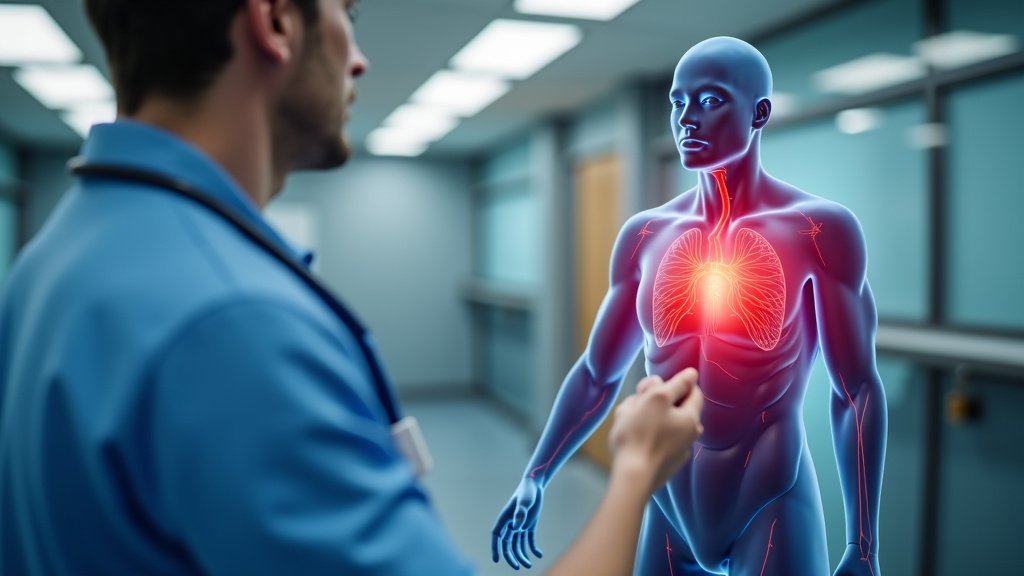
If you see a doctor for a fast heart rate, they will want to gather a lot of information. They’ll ask about your symptoms, medical history, and lifestyle. They might also perform tests to get a clearer picture.
Diagnostic Tools
Common diagnostic tools include:
- Electrocardiogram (ECG or EKG): This is a painless test that records the electrical activity of your heart. It can often pinpoint the type of arrhythmia you’re experiencing.
- Holter Monitor: This is a portable ECG device that you wear for 24-48 hours or longer to record your heart’s activity throughout the day.
- Event Monitor: Similar to a Holter monitor, but you activate it when you feel symptoms.
- Echocardiogram: An ultrasound of your heart to check its structure and function.
- Blood Tests: To check for electrolyte imbalances, thyroid problems, or other underlying issues.
Managing Your Heart Health: A Quick Checklist
Taking care of your heart is a lifelong journey. Here are a few simple steps you can take:
- Stay hydrated by drinking plenty of water.
- Manage your stress through relaxation techniques.
- Limit caffeine and alcohol intake.
- Get regular exercise, but listen to your body.
- Follow your doctor’s advice for any diagnosed heart conditions.
Conclusion
So, we’ve seen that a fast heart rate isn’t always a sign of a heart attack. Your pulse can race due to exercise, stress, caffeine, or even illness. It’s your body’s natural way of responding to various situations. But it’s also vital to listen to your body. If a rapid heartbeat comes with chest pain, shortness of breath, or dizziness, don’t wait. Please, seek medical attention immediately. Understanding these differences can help you manage your health with confidence and peace of mind.
Frequently Asked Questions
Can anxiety cause a heart attack?
Anxiety can cause symptoms that mimic a heart attack, like a racing heart, chest tightness, and shortness of breath. However, anxiety itself does not typically cause a heart attack. If you experience severe symptoms, it’s always best to get checked by a medical professional to rule out serious cardiac issues.
Is a fast heart rate during exercise always normal?
Yes, a fast heart rate during exercise is usually completely normal. Your heart pumps faster to supply your muscles with more oxygen during physical activity. It should return to your resting rate as you cool down. If it stays excessively high long after exercise, consult your doctor.
What’s the difference between a fast heart rate from stress and a heart attack symptom?
A fast heart rate from stress often comes on with an identifiable trigger and usually resolves once the stressor is gone. Heart attack symptoms, on the other hand, often involve chest pain, shortness of breath, and can occur at rest. When in doubt, always seek medical help.
Can dehydration cause a dangerous heart rate?
Dehydration can cause your heart rate to increase because your blood volume decreases, making your heart work harder. While usually not dangerous on its own, severe dehydration can be risky. Drinking fluids should help normalize your heart rate if it’s due to dehydration.
When should I worry about my heart rate if I have AFib?
If you have Atrial Fibrillation (AFib) and your heart rate becomes very fast, irregular, or is accompanied by symptoms like dizziness, chest pain, or shortness of breath, you should seek medical attention promptly. These could be signs of a more serious complication.