What to Do When Heart Rate Monitor Shows High Pulse?
On this page (3 sections)
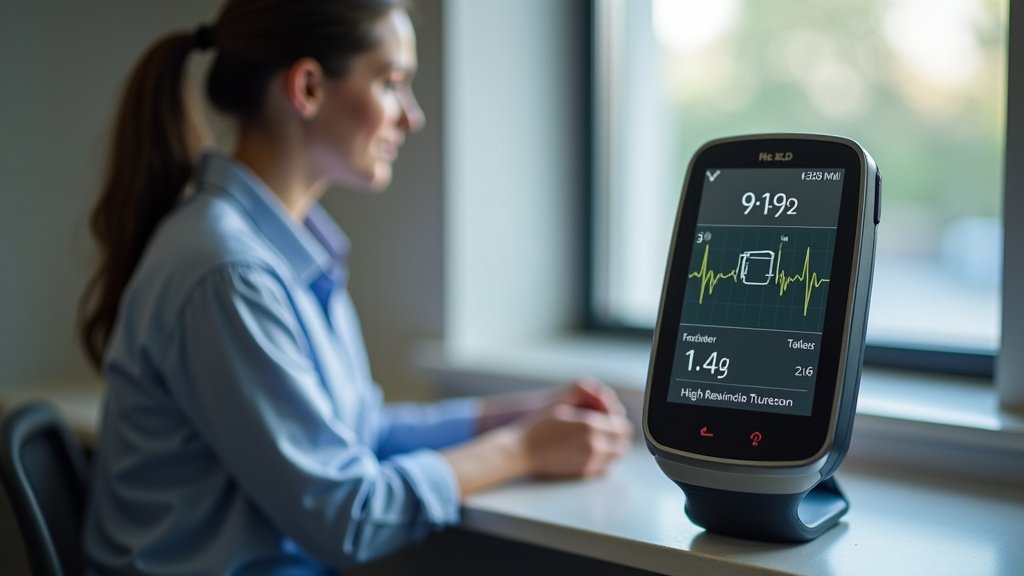
If your heart rate monitor shows a high pulse, don’t panic. First, check the monitor’s fit and consider recent activities like exercise or stress. Often, a high reading is temporary and caused by normal physiological responses. Your next step should be to rest and recheck.
Understanding what’s considered a high pulse is key. For most adults, a resting heart rate above 100 beats per minute is a concern. During exercise, higher rates are expected, but persistent unusually high numbers warrant attention. We found that knowing your baseline helps you spot deviations.
- Check your monitor’s fit.
- Rest and recheck the reading.
- Consider recent physical or emotional stress.
- Know your normal resting heart rate.
- Consult a doctor for persistent high readings.
Below, we’ll walk you through what to do when your heart rate monitor shows a high pulse, from simple checks to knowing when to seek professional advice.
Understanding Your High Pulse Readings
So, your heart rate monitor is flashing a high number, and you’re wondering what it means. It’s natural to feel a little concerned. But before you jump to conclusions, let’s break down what might be happening and what steps you can take.
A high pulse reading on your monitor can be caused by many things. Some are harmless and easily explained. Others might need a closer look. We found that understanding the basics of heart rate helps a lot here. Fever can also affect pulse; see our guide to monitoring heart rate with fever.
What’s Considered a “High” Heart Rate?
Knowing what’s normal for you is key. For adults, a resting heart rate is usually between 60 and 100 beats per minute (bpm). When your monitor shows a resting pulse consistently above 100 bpm, it’s often flagged as tachycardia. Our guide to high heart rate alerts explores possible reasons. This is a general term for a fast heart rate.
During physical activity, your heart rate is expected to go up. For example, vigorous exercise can push your heart rate into the 120-180 bpm range or even higher, depending on your fitness level and the intensity of the workout. The American Heart Association notes that your maximum heart rate during exercise is roughly 220 minus your age.
However, if you’re seeing high numbers when you’re relaxed, or much higher than usual during exercise, it’s worth investigating. Our guide to high AFib heart rates discusses rate and AFib.
Common Culprits for Elevated Heart Rate Readings
Before you worry too much, consider these everyday factors. They can temporarily spike your heart rate without indicating a serious problem.
Physical Activity and Its Aftermath
Did you just finish a workout? Your heart rate will naturally be elevated. It takes time for your heart rate to return to its resting state. We found that many people forget how long this recovery can take. Give
Conclusion
Seeing a high pulse on your heart rate monitor can be unsettling, but it’s often a temporary response. We’ve learned that checking your monitor’s fit, resting, and considering recent activities like exercise or stress are your first steps. Understanding your personal baseline heart rate is essential for spotting deviations. Remember, most high readings have simple explanations, but if you’re consistently concerned or experience other symptoms, reaching out to your doctor is always the right choice for your peace of mind and health.
Frequently Asked Questions
How soon should my heart rate return to normal after exercise?
For most people, heart rate should start to decrease within a few minutes after you stop exercising. A full return to your resting heart rate can take anywhere from 5 to 20 minutes. Factors like your fitness level and the intensity of your workout play a big role.
Can stress or anxiety cause a high heart rate reading?
Yes, absolutely. Emotional stress, anxiety, or even excitement can trigger your body’s “fight or flight” response. This response naturally increases your heart rate. We found that these physiological reactions are common and usually temporary. If you experience a high pulse, understanding how anxiety increases your heart rate can help differentiate symptoms.
What if my heart rate monitor is old or not functioning correctly?
An old or malfunctioning monitor can give inaccurate readings. If you suspect your device is the issue, try wearing it more snugly or ensure it’s clean. Comparing readings with another device or your manual pulse check can help determine if the monitor is faulty.
Are there any medications that can affect my heart rate?
Some medications can indeed influence your heart rate. Stimulants, certain allergy medications, or even some prescription drugs can cause a temporary increase. If you’ve recently started a new medication, discuss any heart rate changes with your doctor.
When should I be worried about a consistently high resting heart rate?
If your resting heart rate is consistently over 100 beats per minute, even when you’re relaxed, it’s a good idea to consult a medical professional. For information about another possible heart concern, see EKG signs of myocarditis. This is especially true if you experience other symptoms like shortness of breath, dizziness, or chest discomfort.