What Is Congestive Heart Failure?
On this page (8 sections)
Congestive heart failure, often just called heart failure, is when your heart muscle can’t pump enough blood to meet your body’s needs. It doesn’t mean your heart has stopped working. Instead, it means it’s working less effectively than it should. We know this can sound scary, but understanding it is the first step.
Think of your heart as a pump. Heart failure means this pump is getting weaker or stiffer. This can make it hard for your body to get the oxygen and nutrients it needs. Many factors can lead to this condition, and it’s important to know the signs. We found that early recognition is key to managing it well.
- Heart failure means your heart isn’t pumping blood as well as it should.
- It’s a chronic condition that often requires lifelong management.
- Key symptoms can include shortness of breath, fatigue, and swelling.
- There are different types and stages of heart failure.
- Management focuses on controlling symptoms and improving quality of life.
Below, we’ll walk you through what congestive heart failure really means, common signs to watch for, and what you can do about it. Let’s get informed together.
So, your heart isn’t pumping blood as well as it should. What does that actually mean for you? It’s not that your heart has suddenly stopped. Instead, it’s like a hardworking engine that’s starting to sputter a bit. It’s still trying its best, but it’s struggling to keep up with the demands of your body. This means less oxygen-rich blood reaches your organs and tissues. This can lead to a lot of different symptoms, and understanding them is key to getting the right help.
Understanding How Your Heart Works (and How Failure Affects It)
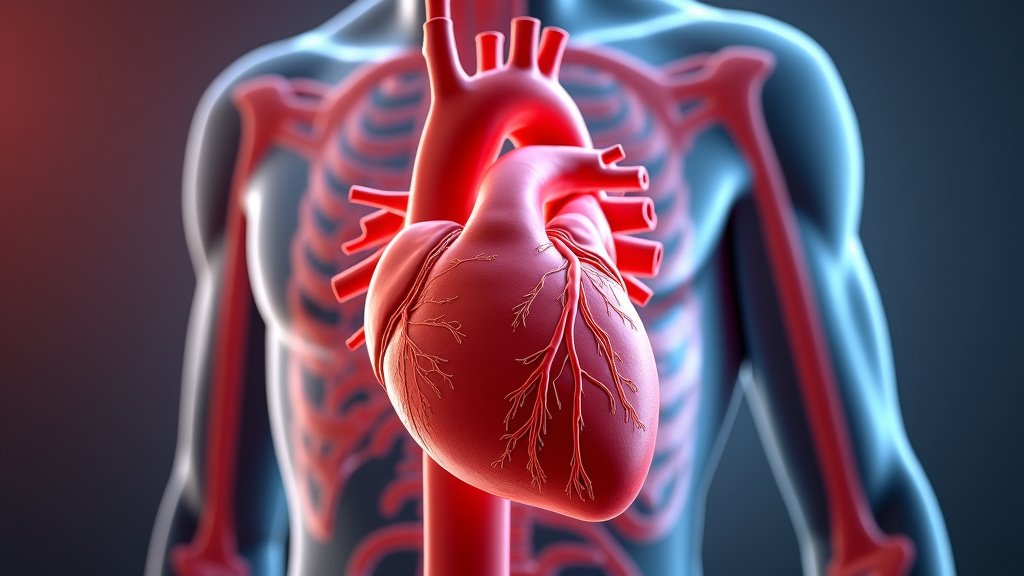
Your heart is a muscular organ. It acts as a pump. It sends blood throughout your body. This blood carries oxygen and nutrients. When you have congestive heart failure (CHF), this pump isn’t working efficiently. It can’t push out enough blood. This leads to a backup of blood. It also leads to fluid buildup. This is where the “congestive” part comes in.
The Two Main Ways Your Heart Can Fail
Think of your heart’s pumping action in two main parts: squeezing and relaxing. Heart failure often affects one or both of these functions. We found that most cases fall into two main categories:
Heart Failure with Reduced Ejection Fraction (HFrEF)
This is often called “systolic” heart failure. It means your heart’s left ventricle doesn’t squeeze forcefully enough. The left ventricle is the main pumping chamber. It has trouble ejecting a sufficient amount of blood. We saw that ejection fraction (EF) is a measure of this. It’s the percentage of blood pumped out of the left ventricle with each beat. In HFrEF, the EF is typically 40% or less.
Heart Failure with Preserved Ejection Fraction (HFpEF)
This is also known as “diastolic” heart failure. Here, your heart’s ventricle doesn’t relax properly. It can’t fill with enough blood between beats. Even though the squeezing action might be strong (normal EF), there isn’t enough blood to pump out. Many experts note that HFpEF is becoming more common (Cleveland Clinic).
What Does “Congestive” Really Mean?
The term “congestive” refers to the congestion that builds up in your body. This happens when your heart can’t pump blood effectively. Blood can back up into your veins. Fluid can leak out into surrounding tissues. This often shows up in your lungs, legs, and abdomen.
Common Signs and Symptoms to Watch For
Recognizing the signs of heart failure is super important. Early detection can make a big difference. These symptoms can develop gradually or come on suddenly. They might also come and go. Here are some of the most common things you might experience:
- Shortness of breath: This is a big one. You might feel this when you’re active. Sometimes, it happens when you’re lying down. It’s because fluid can build up in your lungs.
- Fatigue and weakness: Your body isn’t getting enough oxygen. This can make you feel tired all the time. Even simple tasks can feel exhausting.
- Swelling (Edema): Fluid can collect in your body. This often shows up as swelling in your legs, ankles, and feet. It can also happen in your abdomen.
- Rapid or irregular heartbeat: Your heart might try to compensate. It may beat faster or irregularly. You might feel palpitations.
- Persistent cough or wheezing: Fluid buildup in your lungs can cause a cough. It might produce white or pink mucus.
- Lack of appetite or nausea: When fluid builds up in your abdomen, it can affect digestion. This can lead to feeling full or nauseous.
- Increased need to urinate at night: When you lie down, fluid can move from your legs back into your bloodstream. This makes your kidneys process more fluid.
What Causes Your Heart to Become Weak or Stiff?
Heart failure doesn’t just happen out of the blue. It’s usually the result of other conditions. These conditions damage or weaken your heart muscle over time. We found that some common culprits include:
- Coronary Artery Disease (CAD): This is the most common cause. It happens when your heart’s arteries narrow. This reduces blood flow to your heart muscle.
- High Blood Pressure (Hypertension): When your blood pressure is high, your heart has to work harder. Over time, this can make your heart muscle thicker and stiffer. Many health organizations stress managing blood pressure.
- Heart Valve Problems: If your heart valves don’t work correctly, they can make your heart work harder. This can lead to damage.
- Heart Muscle Diseases (Cardiomyopathy): These are diseases that directly affect the heart muscle itself. They can be inherited or acquired.
- Diabetes: Diabetes can lead to CAD and high blood pressure. It can also directly affect the heart muscle.
- Congenital Heart Defects: Some people are born with heart problems. These can contribute to heart failure later in life.
How is Heart Failure Diagnosed?
If you’re experiencing symptoms, your doctor will want to figure out what’s going on. They’ll start by asking about your medical history and doing a physical exam. They’ll listen to your heart and lungs. They might also order several tests to get a clear picture. An EKG can provide clues about heart function as part of that evaluation. We found that a combination of these tests is usually needed.
Key Diagnostic Tests Include:
- Echocardiogram: This is like an ultrasound for your heart. It shows how well your heart is pumping. It also checks the size and thickness of your heart chambers and how well your valves are working.
- Electrocardiogram (ECG or EKG): This records the electrical activity of your heart. It can help detect abnormal heart rhythms or signs of a heart attack.
- Chest X-ray: This can show if you have fluid in your lungs or if your heart is enlarged.
- Blood Tests: Certain blood tests can show markers of heart damage or stress on the heart. They can also help check kidney function and other body systems.
- Stress Test: This test checks how your heart performs during physical activity. You’ll typically walk on a treadmill or ride a stationary bike.
The Different Stages of Heart Failure
Heart failure is often described in stages. This helps doctors track its progression and choose the best treatment. The most common system is the American Heart Association’s four-stage classification. We found this staging system to be very helpful for patients.
| Stage | Description |
|---|---|
| Stage A | You are at high risk for developing heart failure. You have risk factors like high blood pressure, diabetes, or a history of heart attacks. Your heart structure is still normal. |
| Stage B | You have structural heart changes. You might have had a heart attack or have high blood pressure. You haven’t experienced symptoms of heart failure yet. |
| Stage C | You have current or previous symptoms of heart failure. These symptoms are related to structural heart changes. |
| Stage D | You have advanced heart failure. Your symptoms are severe. You may require specialized treatments like a heart transplant or mechanical support. |
Living Well with Congestive Heart Failure
While congestive heart failure is a chronic condition, it doesn’t mean you can’t live a full and meaningful life. The key is to actively manage it. For home monitoring options to discuss with your clinician, see ECG monitors for heart failure. This involves working closely with your healthcare team. It also means making important lifestyle changes. We found that patients who are actively involved in their care tend to have better outcomes.
Your Action Plan for Better Heart Health: A Checklist
Ready to take charge? Here’s a quick checklist of things you can do:
- Follow your doctor’s treatment plan: Take all medications exactly as prescribed.
- Watch your diet: Limit salt and fluids. Eat heart-healthy foods.
- Monitor your weight daily: Sudden weight gain can signal fluid buildup.
- Get regular, gentle exercise: Ask your doctor what’s safe for you.
- Quit smoking: If you smoke, stopping is one of the best things you can do.
- Manage stress: Find healthy ways to relax and cope.
Conclusion
We’ve walked through what congestive heart failure means for your body. It’s a condition where your heart struggles to pump effectively. This can lead to fluid buildup and various symptoms. Understanding the signs, causes, and stages is your first step to better health. Remember, it’s a manageable condition with the right approach. Your next step is to talk with your doctor. Share your concerns and any symptoms you’re experiencing. Together, you can create a plan to manage your heart health and improve your quality of life.
Frequently Asked Questions
Can heart failure be reversed?
Reversing heart failure entirely is often not possible, as it’s usually a chronic condition. However, with proper medical treatment, lifestyle changes, and diligent management, you can significantly improve your heart function and symptoms. Many people with heart failure live fulfilling lives.
What is the main difference between HFrEF and HFpEF?
The main difference lies in how well your heart’s main pumping chamber, the left ventricle, can squeeze (HFrEF) or relax (HFpEF). In HFrEF, the ventricle doesn’t pump enough blood out. In HFpEF, the ventricle can’t relax properly to fill with enough blood.
How does diet affect congestive heart failure?
Diet plays a major role. Limiting your intake of sodium (salt) is crucial because it helps reduce fluid buildup in your body. Eating heart-healthy foods, like fruits, vegetables, and whole grains, supports overall cardiovascular health.
Is shortness of breath always a sign of heart failure?
While shortness of breath is a common and important symptom of heart failure, it can also be caused by other conditions. If you experience sudden or unexplained shortness of breath, it’s always best to consult your doctor to determine the cause.
What are the most important lifestyle changes for someone with heart failure?
Key lifestyle changes include taking your medications as prescribed, following a low-sodium diet, monitoring your weight daily for sudden changes, engaging in gentle, doctor-approved exercise, and quitting smoking. Managing stress is also very beneficial.