What Triggers Heart Palpitations?
On this page (3 sections)
Common Triggers for Heart Palpitations
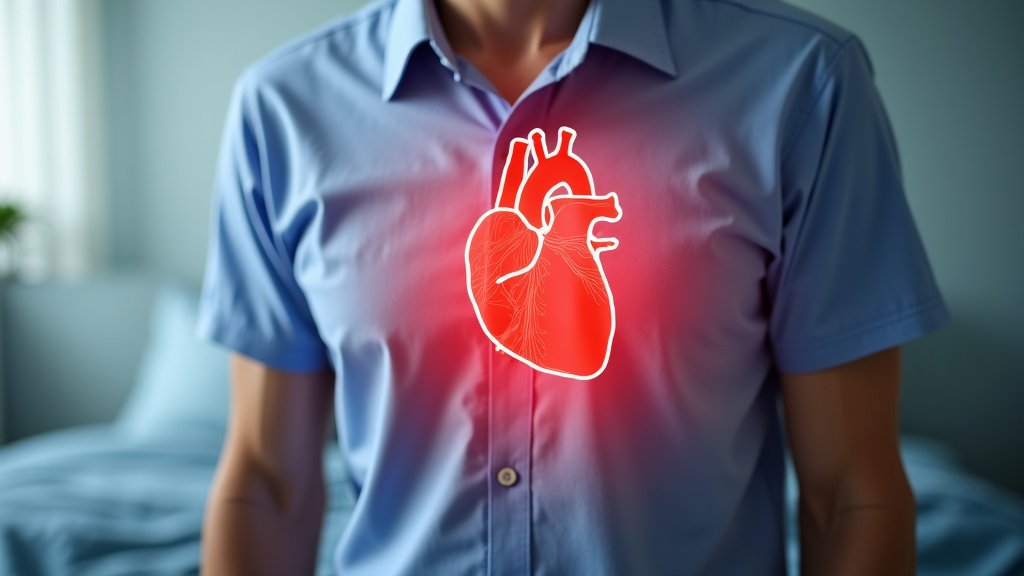
Heart palpitations are the sensations of your heart beating too hard, too fast, or skipping a beat. Often, they’re harmless and brought on by everyday life. Many people feel them from too much coffee, a stressful day, or even after a poor night’s sleep.
Lifestyle Factors That Frequently Spark Palpitations
Your daily routine has a big impact on your heart’s rhythm. We found that lifestyle choices are among the most common causes people report to their doctors (Cleveland Clinic). These triggers are usually temporary and resolve on their own.
Stress and Emotional Overload
Feeling anxious or stressed floods your body with adrenaline. This hormone, often called the “fight or flight” chemical, makes your heart beat faster. Ever notice your heart racing during a heated argument or before a big presentation? That’s your body’s natural response. Chronic stress can make you more sensitive to these feelings.
Caffeine and Other Stimulants
Coffee, tea, soda, and energy drinks are major players. Caffeine is a stimulant that can increase your heart rate. Research suggests that high doses, over 400 mg a day, are more likely to cause palpitations (Food and Drug Administration). Some people are just more sensitive to it than others. Do you ever feel a little jittery after your third cup?
Lack of Sleep and Poor Sleep Quality
Your heart needs rest too. Not getting enough shut-eye puts your body under strain. Studies show that sleep deprivation can increase the risk of irregular heartbeats (National Institutes of Health). Conditions like sleep apnea, where you repeatedly stop breathing at night, are strongly linked to palpitations.
Vigorous Exercise or Overexertion
Working out is great for your heart, but pushing too hard can sometimes trigger flutters. During intense exercise, your heart rate naturally speeds up to meet your body’s demand. For most people, this is normal. However, if palpitations persist long after you’ve cooled down, it’s worth a check-up.
Medical Conditions That May Be Connected
Sometimes, palpitations are a signal from your body that something else is going on. They can be a symptom of an underlying health issue. Experts say it’s important not to panic, but to pay attention to patterns (American Heart Association).
Thyroid Gland Disorders
Your thyroid is a small gland in your neck that controls your metabolism. If it’s overactive—a condition called hyperthyroidism—it speeds up many body functions, including your heart rate. This can lead to frequent or persistent palpitations. A simple blood test can check your thyroid levels.
Heart Rhythm Problems (Arrhythmias)
An arrhythmia is an irregular heartbeat. While many are harmless, some like atrial fibrillation or atrial flutter involve rapid, chaotic heartbeats. These conditions often require medical management. Palpitations are a key symptom, so describing them accurately to your doctor helps.
Low Blood Sugar or Dehydration
When your blood sugar drops or you’re dehydrated, your heart has to work harder. This can cause it to beat faster or irregularly. Staying hydrated and eating regular, balanced meals can often prevent this trigger. It’s a simple fix that many overlook.
The Role of Medications and Supplements
What you put into your body matters. Many common medications and over-the-counter supplements list palpitations as a potential side effect. Always review the labels and discuss concerns with your pharmacist or doctor.
| Common Medication/Supplement Types | Why They Might Trigger Palpitations |
|---|---|
| Decongestants (like pseudoephedrine) | They contain stimulants that raise heart rate and blood pressure. |
| Thyroid hormone medications | If the dose is too high, it can mimic an overactive thyroid. |
| Asthma inhalers (like albuterol) | These relax airway muscles but can also stimulate the heart. |
| Certain weight loss pills or diet aids | Often contain stimulants that directly affect heart rhythm. |
| High doses of iron or thyroid supplements | Can disrupt normal heart function if taken incorrectly. |
Everyday Substances and Environmental Triggers
Beyond your medicine cabinet, other common substances can get your heart fluttering. Alcohol is a well-known trigger, especially in large amounts. Nicotine from cigarettes or vapes is a potent stimulant. Even some herbal supplements like ephedra or ginseng have been linked to palpitations.
Hot weather or a fever can also be culprits. When your body is hot, your heart beats faster to help cool you down. This is usually temporary. Have you ever noticed your heart pounding more during a summer heatwave? You’re not imagining it.
A Checklist for Tracking Your Palpitations
If you’re experiencing frequent palpitations, keeping a log can be incredibly helpful for your doctor. It turns vague feelings into concrete information. Try noting these details the next time you feel a flutter:
- What were you doing? Resting, exercising, or after a meal.
- What did you eat or drink recently? Coffee, alcohol, or a large sugary snack.
- How were you feeling? Stressed, anxious, or calm.
- How long did it last? A few seconds or several minutes.
- Were there other symptoms?
Conclusion
Heart palpitations can feel unsettling, but they’re often your body’s normal reaction to daily triggers. You now know that stress, caffeine, poor sleep, and even some medications or medical conditions can cause them. Most palpitations are harmless and temporary, but it’s important to listen to your body. If you experience frequent or severe palpitations, don’t ignore them. Start by keeping a simple log of your symptoms and share it with your doctor. This small step can help you and your healthcare provider find the right cause and solution for you.
Frequently Asked Questions
Can heart palpitations be dangerous?
Most palpitations are harmless and caused by things like stress or caffeine. However, if they come with chest pain, dizziness, or shortness of breath, they could signal a serious issue like an arrhythmia. Always consult a doctor if you’re worried or if symptoms persist.
What should I do when I feel heart palpitations?
Try to stay calm and take slow, deep breaths. Note what you were doing, eating, or feeling at the time to help identify patterns. If palpitations last more than a few minutes or are severe, seek medical advice promptly.
Can anxiety cause heart palpitations?
Yes, anxiety is a common trigger. When you’re anxious, your body releases adrenaline, which can make your heart race or skip beats. This is a natural response, but managing stress with techniques like deep breathing can help reduce it.
How can I reduce heart palpitations at home?
Limit caffeine and other stimulants, and ensure you get enough sleep each night. Staying hydrated and eating balanced meals can also prevent palpitations. Regular relaxation practices, like meditation, might help if stress is a factor.
Are heart palpitations a sign of heart disease?
Not necessarily. Palpitations can be caused by many benign factors like exercise or diet. But if you have a history of heart problems or palpitations are frequent, it’s important to get evaluated by a healthcare professional to rule out underlying conditions.