Is Home ECG Monitoring Recommended After a Heart Attack?
On this page (8 sections)
- Home ECG Monitoring After a Heart Attack: What You Need to Know
- Understanding Your Heart’s Electrical Signals
- Benefits of Using a Home ECG After a Heart Attack
- Potential Concerns and What to Watch For
- Is a Home ECG Device Always Recommended?
- Getting Started with Home ECG Monitoring
- Conclusion
- Frequently Asked Questions
Yes, home ECG monitoring can be recommended after a heart attack, but it’s usually part of a broader recovery plan. Your doctor will help you decide if a home device is right for you. These devices can help track your heart’s electrical activity between regular check-ups. It’s a smart way to keep an eye on things without constant clinic visits.
The goal of home ECG monitoring is to catch potential problems early. It helps provide a clearer picture of your heart health over time. Your doctor uses this data to adjust treatments and ensure you’re recovering well. Think of it as a helpful tool in your heart attack recovery toolkit.
- Home ECGs can be recommended after a heart attack.
- They help track your heart’s activity between doctor visits.
- This aids in early detection of potential issues.
- Your doctor will guide you on whether it’s right for your recovery.
Let’s dive into what you need to know about using home ECG devices after a heart attack. We’ll cover the benefits, how they work, and what your doctor might be looking for.
Home ECG Monitoring After a Heart Attack: What You Need to Know
Deciding if home ECG monitoring is right for you after a heart attack is a big step. It’s natural to want to keep a close eye on your heart’s health. Your doctor plays a key role in this decision. They will consider your specific situation. This helps ensure you get the best care possible during your recovery.
The primary goal of using a home ECG device is to catch any subtle changes. It can help detect early signs of trouble. This allows for quick adjustments to your treatment plan. It’s about peace of mind and effective management. We’ll walk you through how these devices work and why they might be part of your recovery.
Understanding Your Heart’s Electrical Signals
An electrocardiogram (ECG or EKG) measures the electrical activity of your heart. A chest injury can also affect heart rhythm; see this guide to monitoring after injury. This activity tells doctors a lot about how your heart is beating. It can show if your heart rate is too fast, too slow, or irregular. It can also reveal if there are any signs of damage or strain. Your heart’s electrical system is like its conductor. It ensures every part beats in rhythm. When this rhythm is off, it can signal a problem.
After a heart attack, your heart needs time to heal. The electrical signals might be affected. A home ECG device provides a way to monitor these signals regularly during heart attack recovery. This is done outside of a doctor’s office or hospital. It gives you and your doctor more data points. This data helps track your healing progress. It’s like getting a regular check-up report from your own heart.
How Do Home ECG Devices Work?
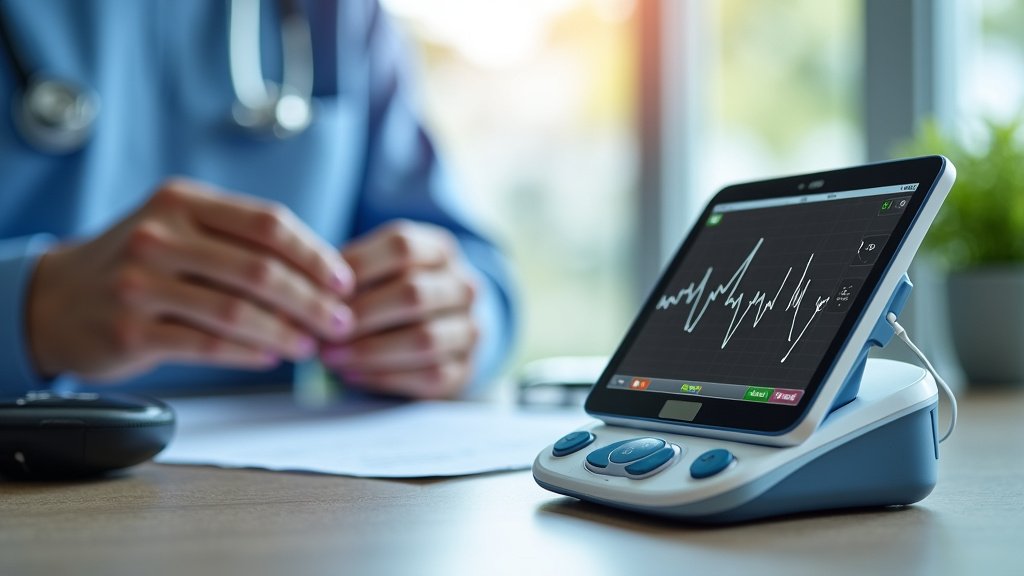
Home ECG monitors are generally user-friendly. They typically involve placing electrodes on your skin. These electrodes are connected to the device. The device then records your heart’s electrical patterns. Some are handheld, while others might be worn like a patch or a wristband. The data collected can often be viewed on a screen. It can also be transmitted to your doctor.
The technology has advanced significantly. Many modern devices are quite sophisticated. They can detect common heart rhythm issues like atrial fibrillation (AFib). AFib is an irregular and often rapid heart rate. It can increase the risk of stroke. Your doctor will guide you on which type of device might be best. They will also show you how to use it correctly. Proper use is key to getting accurate readings.
What Your Doctor Looks For in Home ECG Data
When your doctor reviews the data from your home ECG, they’re looking for specific things. They want to see that your heart rhythm is stable. They are checking for any new or recurring abnormal heartbeats. They also look for changes in your heart rate. For instance, a consistently very slow or very fast heart rate might be a concern.
The information helps them assess how well your medications are working. It also shows if your heart is recovering as expected. Any concerning findings can prompt further investigation or adjustments to your treatment plan. It’s a collaborative effort. You provide the data, and your doctor interprets it for your health. This partnership is essential for a smooth recovery (American Heart Association).
Benefits of Using a Home ECG After a Heart Attack
Using a home ECG monitor offers several advantages during your recovery. One major benefit is convenience. You can take readings in the comfort of your own home. This reduces the need for frequent trips to the clinic. This can be especially helpful if you live far from medical facilities.
Another key benefit is early detection. Home monitoring can catch subtle changes that might be missed between appointments. This allows for prompt intervention. Catching an issue early can prevent more serious complications down the line. It provides peace of mind, knowing you are actively involved in monitoring your health.
Increased Peace of Mind
Living with the aftermath of a heart attack can be anxiety-provoking. You might worry about your heart. You might feel uncertain about your progress. A home ECG device can offer reassurance after a heart scare. Knowing you can check on your heart’s rhythm can ease some of that worry. It gives you a sense of control over your recovery journey.
Seeing regular, normal readings can be very comforting. It shows your heart is doing well. Even if a reading is slightly off, knowing you can report it quickly to your doctor is empowering. This proactive approach can significantly reduce stress. Many patients find this increased peace of mind invaluable for their overall well-being.
Better Management of Your Condition
The data from a home ECG provides a clearer picture of your heart’s day-to-day performance. Your doctor can use this information to tailor your treatment more precisely. They might adjust medication dosages. They might recommend specific lifestyle changes based on your readings. This personalized approach can lead to more effective management of your heart health.
It also helps track the effectiveness of treatments over time. For example, if a new medication is prescribed to control your heart rate, the home ECG can show if it’s working. This continuous feedback loop is vital for successful long-term recovery. It’s about making informed decisions based on real-time data (National Institutes of Health).
Potential Concerns and What to Watch For
While home ECG monitoring is beneficial, it’s important to be aware of potential challenges. One concern is data accuracy. If the device isn’t used correctly, the readings may not be reliable. This could lead to unnecessary worry or missed problems.
Another aspect is interpreting the results. The data might look confusing. It’s crucial to rely on your doctor for interpretation. Don’t try to self-diagnose based on the readings. Your doctor has the expertise to understand what the numbers and patterns mean in the context of your overall health.
Ensuring Accurate Readings
To get the most out of your home ECG device, follow the instructions carefully. Make sure your skin is clean and dry before applying electrodes. Position them as directed. Minimize movement during the recording period. Some devices might have specific requirements about posture or environment. Always refer to the user manual provided with your device.
If you’re unsure about how to use the device, ask your healthcare provider. They can demonstrate the proper technique. Consistent, accurate readings are essential for effective monitoring. Think of it like following a recipe; precise steps lead to the best outcome. A poorly placed electrode is like a missing ingredient.
When to Contact Your Doctor
You should always contact your doctor if you experience new or worsening symptoms. These can include chest pain, shortness of breath, or dizziness. Also, reach out if your home ECG device shows a consistently abnormal heart rhythm. This could be a very fast, very slow, or irregular heartbeat. Your doctor will provide specific guidelines on what readings warrant a call.
Don’t hesitate to ask questions. If you see a reading that worries you, it’s better to err on the side of caution. Your doctor wants to hear from you if something seems off. This proactive communication is a cornerstone of good patient care. They might ask you to send them the recorded data for review. This helps them assess the situation quickly.
Is a Home ECG Device Always Recommended?
No, a home ECG monitor isn’t a standard recommendation for everyone after a heart attack. The decision depends on many factors. Your doctor will consider the severity of your heart attack. They will look at your overall health status. Your risk factors for future heart problems are also evaluated.
Some patients may have a very straightforward recovery. Others might have more complex medical histories or ongoing symptoms. In these cases, home monitoring might be more beneficial. Your cardiologist will make the final recommendation based on your individual needs. It’s a personalized approach to your cardiac care.
Factors Influencing the Recommendation
Several factors influence whether your doctor suggests a home ECG. If you have a history of irregular heart rhythms, such as AFib, it’s more likely. If you experience frequent symptoms like palpitations or unexplained fatigue, monitoring might be advised. For individuals who are at higher risk of certain cardiac events, it can be a useful tool.
The type of heart attack you had and its impact on your heart muscle also play a role. Some heart attacks cause more significant electrical disturbances than others. Your doctor’s assessment of your heart function, often measured by an ejection fraction, is important here. Research shows that continuous or frequent monitoring can be helpful in specific high-risk groups (Cleveland Clinic).
When It Might Not Be Necessary
In some cases, home ECG monitoring may not be recommended. If your heart rhythm is consistently normal during office visits. If you have no symptoms suggestive of an arrhythmia. And if your risk profile for future issues is low, then a home device might not be needed. Your doctor will explain why it is or isn’t a good fit for your recovery plan.
The goal is always to provide the most effective care with the least burden on you. If standard follow-up appointments are sufficient to track your progress, additional devices might not be necessary. The focus is on your individual health journey. Your doctor is your best guide.
Getting Started with Home ECG Monitoring
If your doctor recommends a home ECG device, the next steps are usually straightforward. They will likely help you select an appropriate device. This could be a prescription model or a specific over-the-counter option. They will also provide training on how to use it.
Remember to ask questions during your training. Don’t feel shy about it! You want to be comfortable and confident using the device. Understanding its functions and limitations is key. This ensures you get the most benefit from it. It’s an important tool in your recovery arsenal.
Choosing the Right Device
There are various types of home ECG monitors available. Some are simple handheld devices that take a reading when you place your fingers on them. Others are wearable monitors that record continuously or on demand. The best choice for you will depend on your doctor’s recommendation and your specific needs.
Factors like ease of use, battery life, and data sharing capabilities are important. Your doctor might have specific requirements. For instance, they might need a device that can store a certain amount of data. Or one that can transmit results directly to their system. Discuss these options with your healthcare provider to make an informed choice.
Your Role in the Monitoring Process
Your active participation is vital for successful home ECG monitoring. This involves consistently taking readings as advised. It also means keeping a log of any symptoms you experience. Note the date and time. Mention any activities you were doing. This context can be very helpful for your doctor.
You are the primary caregiver for your health. This device is a tool to help you and your doctor. Being diligent with its use and communicating openly will greatly benefit your recovery. It’s a partnership where you play an active role. This proactive engagement is a powerful aspect of modern healthcare.
A Checklist for Home ECG Monitoring Success
- Understand your device’s instructions thoroughly.
- Perform readings at the times recommended by your doctor.
- Keep a diary of any symptoms you experience.
- Note down the date and time of any concerning readings.
- Know when to contact your doctor.
- Ask questions if you are ever unsure.
Conclusion
Home ECG monitoring can be a helpful addition to your heart attack recovery. It offers convenience and can provide early detection of potential issues. Your doctor will guide you on whether it fits your specific needs. Remember, accurate use and open communication with your healthcare team are key. If a home ECG is recommended, follow your doctor’s instructions closely. Always ask questions and report any concerns you have. This collaborative approach ensures you are actively involved in managing your heart health.
Frequently Asked Questions
Can I buy a home ECG monitor without a doctor’s recommendation?
While many home ECG devices are available over-the-counter, it’s best to discuss this with your doctor first. They can help you choose a device that meets your medical needs. They also ensure you understand how to use it correctly for accurate results.
How often should I use a home ECG monitor?
The frequency of use will depend on your doctor’s recommendation. Some devices are meant for spot checks, while others record continuously or at set intervals. Follow your doctor’s specific instructions for your device.
What if my home ECG shows an abnormal reading?
If your home ECG shows a reading that concerns you, or if you experience new symptoms like chest pain, contact your doctor immediately. Your doctor will tell you what types of readings warrant a call or an urgent visit.
Will my insurance cover a home ECG monitor?
Coverage can vary. Many insurance plans cover medically necessary devices prescribed by a doctor. It’s wise to check with your insurance provider and your doctor’s office about coverage details.
Can a home ECG device detect all heart problems?
Home ECG devices are designed to detect specific electrical patterns and rhythms. They are excellent for tracking heart rate and detecting common arrhythmias like AFib. However, they cannot diagnose all types of heart conditions.