What to Expect During Your First ECG Test at Home?
On this page (8 sections)
Getting your first ECG test at home can feel a bit strange, but it’s a straightforward process. For a clinic test, see this guide to proper resting ECG positioning. You’ll likely attach sticky patches (electrodes) to your chest and potentially your limbs, then connect them to a small recording device. This device captures your heart’s electrical activity, providing a snapshot of its rhythm and function for your doctor. It’s a painless and quick way to monitor your heart health without a trip to the clinic.
This home ECG, sometimes called a portable or ambulatory ECG, is great for catching irregular heartbeats that might not show up during a short in-office test. We found that it helps doctors get a This home ECG, sometimes called a portable or ambulatory ECG, is great for catching irregular heartbeats.clearer picture of your heart’s performance over a longer period. Think of it as giving your doctor more “data” to work with, leading to a more accurate diagnosis and treatment plan. It’s a modern approach to heart health management.
- What is a home ECG? A way to record your heart’s electrical activity outside a clinic.
- How does it work? You’ll attach electrodes to your skin connected to a small recorder.
- Is it painful? No, the electrodes are painless to apply and remove.
- Why is it done at home? To capture heart rhythms that might not happen during a brief doctor’s visit.
- What’s the goal? To help your doctor get a more complete view of your heart’s health.
Ready to learn more about what to expect from your first home ECG? Let’s walk through the steps and what you need to know to feel prepared and comfortable.
Understanding Your At-Home ECG Procedure
So, you’re scheduled for your first ECG test right in the comfort of your own home. It’s natural to wonder what actually happens. Think of it as a simple, painless way to give your doctor a detailed look at your heart’s electrical activity over time. We found that this method is becoming increasingly popular for good reason – it provides a more complete picture than a quick in-office visit.
What Exactly Is a Home ECG Device?
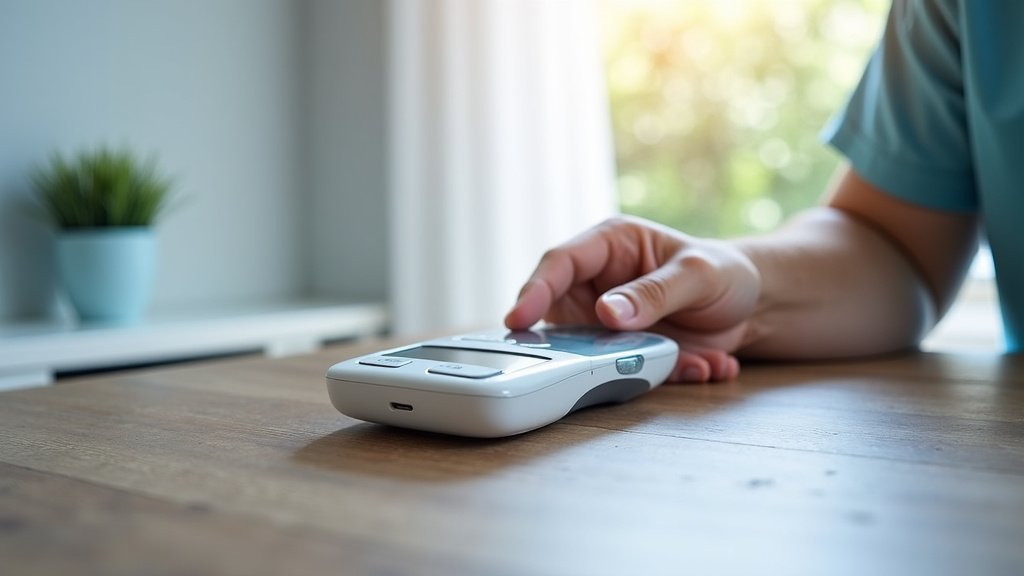
Your home ECG setup will typically involve a small, portable device. This device is designed to record the electrical signals your heart produces. These signals are what tell your heart when to beat and how strong that beat should be. The device is usually about the size of a small smartphone or a deck of cards. It’s meant to be Our guide to the best ECG monitors for home use can help you choose the right device.easy to use and not at all intimidating.
The Key Components You’ll Use
You’ll receive a kit that contains everything you need. The most important parts are the electrodes. These are small, sticky patches that you’ll place on your skin. They act like tiny antennas, picking up your heart’s electrical signals. You’ll also have the main recording unit, which is a small box that connects to these electrodes. Some devices might use a single, larger patch, while others use multiple smaller ones. We found that most kits also come with clear instructions and possibly a charging cable.
Preparing for Your ECG Test at Home
Preparation is minimal, making this process quite convenient. Your doctor or the medical supply company will usually provide specific instructions. Following them closely ensures you get the best possible readings. It’s all about making sure the electrodes can properly connect to your body’s electrical signals.
What to Do Before You Start
Before you attach anything, make sure your skin is clean and dry. Avoid using lotions, oils, or powders in the area where the electrodes will go. These can create a barrier and interfere with the sticky patches adhering properly. Some people find it helpful to take a shower beforehand, but ensure you’re completely dry before proceeding. We found that having a clear, uncluttered space helps too.
Understanding Electrode Placement
The placement of the electrodes is important for accurate readings. Your doctor or the kit’s instructions will guide you. Typically, you’ll place a few electrodes on your chest. You might also be asked to place some on your arms or legs. These electrodes are connected by wires to the recording device. The sticky backing is designed to be gentle but secure. Removal is usually as simple as peeling them off, much like a bandage.
Chest Electrode Placement
For chest leads, you’ll usually place them in specific spots as shown in your instructions. These areas are chosen to capture different views of your heart’s electrical activity. Think of them as looking at your heart from different angles. It’s important to follow the diagram precisely. Many guidelines suggest these locations to get a standard view (American Heart Association).
Limb Electrode Placement (If Applicable)
If your device requires limb electrodes, you’ll attach these to your upper arms or thighs. Again, the placement will be detailed in your instructions. These provide additional information about the electrical flow throughout your body. We found that some newer devices use a single patch that covers multiple lead points, simplifying this step.
During the ECG Recording: What to Expect
Once the electrodes are in place and connected, the recording can begin. This phase is often less about active participation and more about allowing the device to do its job. The goal is to capture your heart’s rhythm naturally, including any variations that might occur during your typical day.
The Recording Process
The recording device will start capturing your heart’s electrical data. Depending on your prescription, this could last anywhere from 24 hours to several days, or even weeks. The device is usually small and lightweight, allowing you to wear it discreetly under your clothing. You can generally go about your normal daily activities while wearing it. This is the whole point – to see how your heart behaves when you’re not in a doctor’s office.
Living with the Device: Daily Activities
You can and should continue your normal routine. Walk, work, sleep, and eat as you usually would. This helps your doctor see how your heart functions under different conditions. However, you’ll likely be advised to avoid strenuous activities that could cause the electrodes to detach. Also, avoid getting the device wet unless it’s specifically designed to be waterproof. We found that most experts recommend keeping a brief log of any symptoms you experience, like dizziness or palpitations, and noting the time.
What to Avoid While Wearing the Device
It’s important to protect the device and ensure good signal quality. Avoid swimming or taking baths unless your specific monitor is waterproof. Steer clear of activities that might cause excessive sweating or jostling, which could dislodge the electrodes. Also, try to keep the device away from strong electromagnetic fields, like those near MRI machines, as they can interfere with readings. Many guidelines suggest avoiding vigorous exercise that could put stress on the electrodes (Mayo Clinic).
After the ECG Test: What Happens Next?
Once the monitoring period is complete, you’ll need to return the device. The information it gathered will then be analyzed by your doctor. This analysis is key to understanding your heart health.
Returning the Device
You’ll typically send the device back using a prepaid shipping label provided in your kit. Make sure all the electrodes are removed from your skin and disposed of properly. The recording unit and any wires should be packed securely. We found that most companies provide a return bag or box for this purpose. Just follow the return instructions carefully.
Understanding Your Results
Your doctor will review the data collected by the ECG monitor. They’ll look for any irregular heart rhythms, such as atrial fibrillation (AFib), or other abnormalities. The length of the recording allows them to catch events that might only occur occasionally. This information is vital for diagnosing heart conditions and creating an effective treatment plan. We found that this data helps in making more informed decisions about your health.
Checklist for Your First Home ECG
To help you feel fully prepared, here’s a quick checklist:
- Confirm Instructions: Read all provided instructions carefully before starting.
- Prepare Skin: Ensure your skin is clean, dry, and free of lotions or oils where electrodes will be placed.
- Proper Placement: Follow the diagram for precise electrode placement.
- Normal Activity: Continue your daily routine, but avoid strenuous exercise and water exposure unless approved.
- Symptom Log: Keep a record of any symptoms and the times they occur.
- Return Kit: Pack and return the device promptly as instructed after the monitoring period.
Comparing Home ECGs with In-Office Tests
It’s helpful to understand why your doctor might choose a home ECG over a standard one. The primary difference lies in the duration of monitoring. A typical in-office ECG records your heart’s activity for only a few minutes. This is great for catching immediate issues, but it can miss problems that are intermittent.
Duration and Detection
The beauty of a home ECG is its extended monitoring period. If you experience occasional palpitations or skipped beats, a short ECG might miss them entirely. A wearable ECG, however, can track your heart for days or even weeks. This significantly increases the chance of capturing those elusive irregular rhythms. Many studies have shown that ambulatory ECG monitoring is more effective for diagnosing certain arrhythmias (NCBI).
Comfort and Convenience
Beyond detection rates, home ECGs offer unparalleled convenience. You avoid extra trips to the doctor’s office or clinic. You can wear the device while living your life, providing a more realistic view of your heart’s function. This comfort can also reduce anxiety, leading to more natural readings. We found that patients often report feeling more relaxed and in control with a home monitoring device.
| Feature | Standard In-Office ECG | Home (Ambulatory) ECG |
|---|---|---|
| Monitoring Duration | A few minutes | 24 hours to several weeks |
| Detection of Intermittent Issues | Limited | High |
| Convenience | Requires clinic visit | Wearable at home, normal activities |
| Patient Comfort | Can be clinical setting | Familiar home environment |
| Cost (General) | Usually lower per test | May be higher, but more diagnostic |
Conclusion
You’ve now learned what to expect during your first home ECG test. It’s a simple, painless process involving sticky electrodes and a small recording device. This method allows your doctor to get a much clearer picture of your heart’s rhythm over time, catching issues a quick in-office test might miss. By preparing your skin and following instructions, you ensure accurate results. Remember to continue your normal activities and log any symptoms. Your next step is to simply follow the specific instructions provided by your healthcare provider for your upcoming test.
Frequently Asked Questions
How long do I have to wear the home ECG device?
The duration for wearing your home ECG device varies. Your doctor will prescribe a specific monitoring period, which can range from 24 hours to several days, or even a few weeks. This allows for comprehensive data collection based on your individual needs.
Can I exercise or shower while wearing the ECG electrodes?
Generally, you should avoid strenuous exercise that might cause the electrodes to detach or interfere with readings. For showering, it depends on your specific device; some are waterproof, while others require careful avoidance of water. Always check your device’s instructions.
What if I feel symptoms like palpitations while wearing the device?
It’s important to keep a log of any symptoms you experience, noting the exact time they occur. This information is critical for your doctor when analyzing the ECG data. Don’t hesitate to read about when to call your doctor after a home EKG if symptoms are severe or concerning.
What should I do with the device and electrodes when the test is finished?
Once the monitoring period ends, you will typically remove the electrodes and dispose of them properly. The recording device and any associated wires are then carefully packed and returned using the prepaid shipping label provided. Always follow the specific return instructions from your provider.
Will the electrodes leave marks or irritate my skin?
The electrodes are designed with gentle adhesive to minimize skin irritation. Most people experience no discomfort. If you have sensitive skin, inform your doctor beforehand. Removal is usually as simple as peeling off a bandage, and any slight redness typically fades quickly.