How Long Should a Home ECG Reading Take?
On this page (5 sections)
A home ECG reading usually takes between 30 seconds and a few minutes. The exact duration depends on the device you’re using and the specific type of reading it performs. Most modern devices are designed for quick checks, making it easy to capture your heart’s rhythm when you need to. Just remember, it’s about capturing a snapshot, not a marathon of your heart!
We’ve found that understanding how long your home ECG should take is part of knowing you’re getting useful information. Whether you’re using a single-lead device for a quick check or a more advanced multi-lead system, the goal is always a clear and accurate reading. Knowing this helps you feel more confident in the data you’re collecting about your heart health.
- Home ECGs are generally quick.
- Most readings take under 5 minutes.
- Device type can affect the time.
- It’s about a clear snapshot of your heart.
Let’s dive into the specifics of how long you can expect your home ECG readings to take and what influences that time.
So, you’ve got a home ECG device and you’re wondering just how long you need to sit still while it does its thing. It’s a great question! Understanding the duration of your ECG reading is key to getting reliable data. You don’t want to cut it short, and you certainly don’t want to wait around longer than necessary. Let’s get into the nitty-gritty of what to expect.
How Long Does a Home ECG Take to Get a Reading?
Generally, a home ECG reading takes anywhere from 30 seconds to a few minutes. Think of it like taking a quick photo of your heart’s electrical activity. It’s not a long movie; it’s a snapshot. Most devices are built for speed and ease of use. This makes it simple to capture your heart’s rhythm when you feel something off or as part of your regular check-ins. The goal is always a clear, accurate picture. Many modern devices aim to deliver results in under two minutes. This speed ensures you can easily incorporate it into your daily routine without feeling like it’s a chore. The technology is designed to be efficient for everyday users.
Factors Influencing ECG Reading Time
Several things can affect how long your ECG reading takes. The most obvious is the type of device you’re using. Some are super basic, while others have more advanced features. The instructions that come with your device are your best friend here. They’ll tell you exactly how long to hold still and what to do. We’ve found that following these instructions precisely leads to the most accurate results. It’s like following a recipe; skip a step, and the outcome might be different.
Device Type: Single-Lead vs. Multi-Lead
The main difference often comes down to whether you have a single-lead or a multi-lead ECG device. A single-lead ECG, common in many consumer wearables and handheld devices, typically captures a single view of your heart’s electrical path. These are designed for quick spot checks and usually require a very short recording time, often around 30 seconds. They are excellent for detecting obvious rhythm issues. Think of it as looking at your heart from one angle. On the other hand, multi-lead ECGs, which might resemble medical-grade equipment more closely, capture multiple views of the heart. These can take a bit longer, perhaps 1 to 3 minutes, to gather enough data from different angles. They provide a more detailed picture, similar to taking photos from several viewpoints. This enhanced detail can be crucial for identifying more subtle irregularities. We found that for most users concerned with general heart rhythm, a single-lead device’s duration is perfectly adequate.
Specific Reading Protocols
Some devices might ask you to take a reading during a specific activity or at rest for a set duration. For example, a device might prompt you to hold your breath for a few seconds, or it might ask you to remain still for a full minute to get the best baseline rhythm. Other devices may automatically run for a set amount of time, usually a minute or two, and then tell you when they’re done. Always check your device’s manual. It’s the ultimate authority on its specific timing. We’ve seen that some newer devices are even getting smarter, stopping the recording once they have enough high-quality data, which can sometimes shorten the time even further.
What to Expect During the Reading Process
The actual process of taking an ECG at home is usually quite simple. You’ll typically need to place electrodes on your skin, or if it’s a wearable, ensure it’s in proper contact. Then, you just need to stay still. Movement can interfere with the reading, causing what’s called artifact. Artifact looks like jagged lines on the ECG strip and can make it hard to interpret the results. So, find a comfortable position, relax, and let the device do its work. Some devices might guide you through the process with prompts on a screen, while others might just require you to place your fingers on sensors for a set time. The key is to get a clear, unobstructed signal from your heart.
The Importance of Staying Still
Staying still is probably the most critical factor for a successful home ECG reading. Imagine trying to take a clear photo of a bird in flight – it’s tough! Your heart is constantly beating, and the electrical signals it generates are very small. If you move your muscles, especially your arms and legs, the electrical activity from those muscles can overwhelm the tiny signals from your heart. This creates noise, or artifact, on the ECG reading. Many experts say this artifact can obscure important details, potentially leading to a false reading or an unreadable strip. So, when the device tells you to hold still, it really means it! We found that sitting or lying down in a quiet environment helps immensely. Try to minimize talking or swallowing, as these can also cause minor movements.
Interpreting the Results Promptly
Once the reading is complete, most modern devices will provide an initial interpretation of your ECG results right away. For more on how software evaluates a tracing, read about AI ECG analysis. This might be a simple message like “Normal sinus rhythm” or “Atrial fibrillation detected.” However, it’s important to remember that these are often preliminary results. They are not a substitute for a diagnosis from a healthcare professional. If your device indicates an issue, or if you’re experiencing symptoms, it’s always best to consult your doctor. They have the training and the tools to properly analyze your ECG and provide medical advice. Think of the home ECG as a great screening tool, not a diagnostic one. It helps you and your doctor stay informed about your heart’s rhythm between office visits.
Typical Timeframes for Different Home ECG Devices
Let’s break down what you might expect time-wise based on the kind of device you have. It’s not one-size-fits-all, and knowing this can set your expectations right.
Wearable Devices (Smartwatches, Fitness Trackers)
Many smartwatches and fitness trackers now come with ECG capabilities. These are designed for convenience. Typically, when you activate an ECG function on a smartwatch, you might be asked to sit down, rest your arm, and place your finger on the watch’s crown or sensor. The recording usually takes about 30 seconds. Some devices might let it run a bit longer to capture more data, but rarely does it exceed a minute. The goal here is quick, on-demand rhythm checks. They are excellent for spotting common arrhythmias like atrial fibrillation. We found that these devices are incredibly user-friendly for frequent, casual checks.
Handheld ECG Monitors
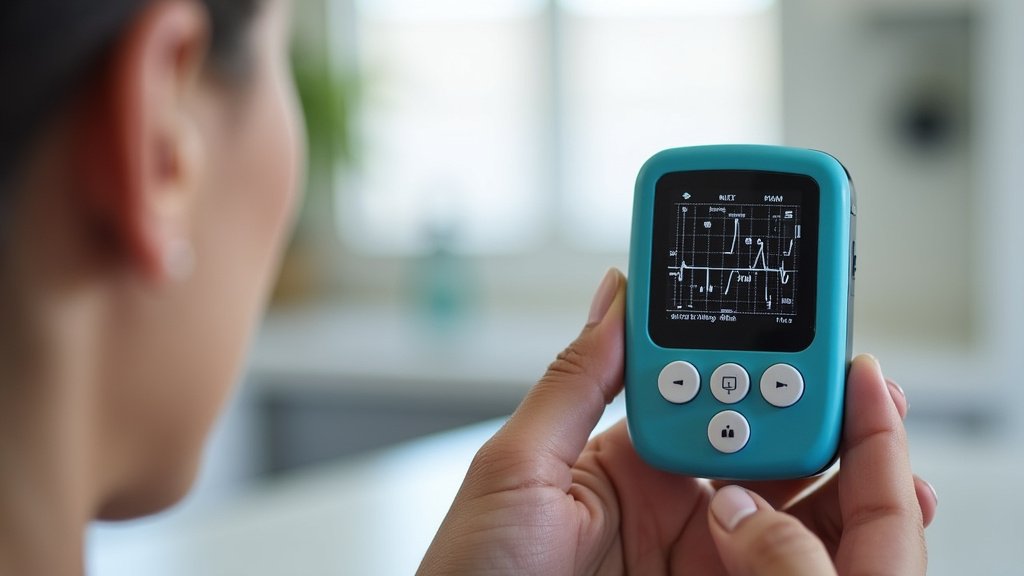
Handheld ECG monitors vary more in their complexity and, thus, their recording times. Some simple, pocket-sized devices might only require you to hold them against your skin for a particular duration, similar to smartwatches, clocking in around 30 seconds to a minute. More advanced handheld units might ask you to apply sticky electrodes to your chest, similar to a medical ECG. These might take a little longer to set up and capture a recording that can last anywhere from 1 to 3 minutes to get a more comprehensive view. These are often used by individuals with known heart conditions who need more detailed monitoring. For these devices, following the specific electrode placement instructions is key to a good reading. We found that the setup time for electrode-based devices can add a minute or two before the actual recording begins.
Advanced Home Monitoring Systems
There are also more sophisticated home ECG systems available, sometimes prescribed by doctors. These might involve multiple electrodes placed on the body and a recording device that captures data over an extended period, potentially 5 to 10 minutes or even longer if it’s for continuous monitoring. These systems are designed to capture more subtle changes and provide a deeper analysis. They are less about a quick spot-check and more about capturing a detailed picture of your heart’s electrical activity over a period. If you have one of these, the instructions will be very specific about the duration and context of the reading. The extended time allows for capturing different heart states and can be vital for diagnosing less common or intermittent heart rhythm issues. We found that these systems offer the most detailed home-based cardiac data available outside a clinical setting.
Tips for Ensuring an Accurate and Timely Reading
Getting a good ECG reading at home is all about preparation and technique. A few simple steps can make a big difference in the quality of the data you collect and how quickly you get it.
Read Your Device’s Manual
This might sound obvious, but honestly, the manual is your best friend. Every device is a little different. What works for one might not be exactly how another operates. The manual will tell you the exact duration required for a reading, how to place electrodes correctly, and any specific preparation needed. We’ve found that users who carefully read and follow their device’s specific instructions tend to get the most reliable results. It’s like getting insider tips directly from the manufacturer!
Prepare Your Environment and Yourself
Find a quiet place where you can sit or lie down comfortably without distractions. Before you start, take a moment to relax. Take a few deep breaths. Avoid caffeine or strenuous exercise right before taking a reading, as these can affect your heart rate and rhythm. Make sure your skin is clean and dry where the electrodes will be placed. If you’re using sticky electrodes, ensure they have good adhesion. For devices requiring finger contact, make sure your fingers are clean and not too dry or oily. Creating a calm atmosphere helps ensure you remain still and relaxed throughout the process.
Follow Electrode Placement Guidelines
If your device uses sticky electrodes, precise placement is key. Your manual will show you exactly where each electrode should go on your chest or limbs. Incorrect placement is a common reason for noisy or uninterpretable ECG readings. Ensure the electrodes are firmly attached and that there are no gaps between the electrode and your skin. If you’re using a device that relies on skin contact through your hands, make sure both hands are properly positioned on the sensors as instructed. Good contact ensures the electrical signals from your heart are transmitted clearly to the device.
Here’s a quick checklist to help you get ready for your next home ECG reading:
- Read the manual for your specific device.
- Find a quiet, comfortable place to take the reading.
- Relax for a minute or two before starting.
- Ensure your skin is clean and dry.
- Follow electrode placement or sensor contact instructions exactly.
- Stay completely still during the recording period.
By following these simple tips, you can help ensure your home ECG readings are not only timely but also accurate and useful for you and your healthcare provider. The goal is to get good data without unnecessary fuss, and these steps will help you achieve that.
Conclusion
You’ve learned that home ECG readings are designed for speed and convenience. Most devices give you a clear picture of your heart’s rhythm in just 30 seconds to a few minutes. Remember, the type of device you use, whether a quick wearable or a more detailed handheld monitor, influences the exact time. Staying still and following your device’s instructions are key for accurate results. Use this knowledge to confidently take your readings and share the data with your doctor. Your next step is to simply follow your device’s guide during your next reading for the best outcome.
Frequently Asked Questions
How can I tell if my home ECG reading is valid?
A valid reading is typically free from jagged lines or “artifact,” which indicates movement during the test. Your device’s manual will explain what a good reading looks like. If your device provides an interpretation, such as “normal sinus rhythm,” that also suggests a valid test.
What if my home ECG reading takes longer than usual?
If your device is taking significantly longer than the recommended time, it might be encountering interference or you might be moving. Try to remain as still as possible and ensure good contact with the sensors. If it consistently takes too long or fails, consult your device’s troubleshooting guide or contact customer support.
Can I take a home ECG reading while exercising?
Generally, no. Home ECG devices are designed for readings taken at rest. Taking an ECG while exercising can cause significant changes in heart rate and electrical activity that make a home reading inaccurate or hard to interpret. You should be still and relaxed.
Do I need to charge my device before taking an ECG reading?
Yes, a stable power source is important for any electronic device. Ensure your home ECG device has sufficient battery charge before you start a reading. Low battery power could potentially affect the device’s performance and the quality of the data it collects.
How often should I take a home ECG reading?
The frequency of home ECG checks depends on why you are using the device. If you have a known heart condition or your doctor recommended it, follow their specific advice. For general wellness checks, taking a reading periodically, perhaps once a week or when you feel a symptom, is often sufficient.