Why Do I Get Heart Palpitations at Night?
On this page (3 sections)
You get heart palpitations at night because many factors can trigger them, such as stress, anxiety, caffeine, and certain medical conditions. Your body’s position or even digestion can also play a role. These sensations are often harmless but can be unsettling.
It’s common for people to notice their heartbeat more when lying still and quiet in bed. This makes nighttime heart palpitations feel more intense or frequent. Understanding these common triggers can help you manage them.
- Nighttime palpitations are often linked to stress or anxiety.
- Caffeine, alcohol, or rich foods before bed can be culprits.
- Underlying health conditions sometimes cause these sensations.
- Your sleeping position might make them more noticeable.
Let’s explore the common reasons why you might experience heart palpitations when you’re trying to sleep and what you can do about them.
Understanding Nighttime Heart Palpitations
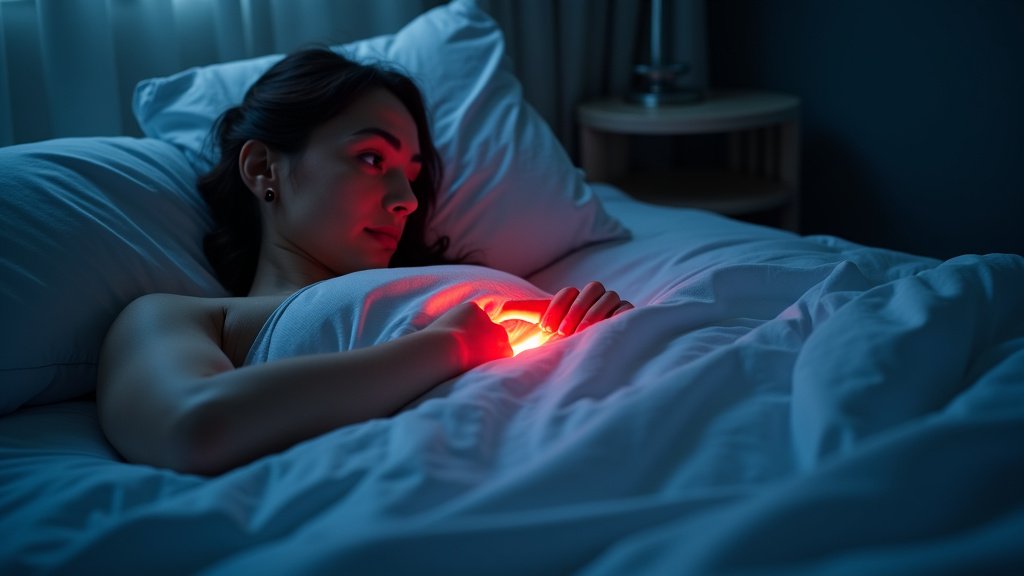
You’re lying in bed, the house is quiet, and suddenly, thump-thump-thump. Your heart feels like it’s doing a drum solo. This can be startling, but often, these nighttime palpitations are your body’s way of reacting to everyday things. We’ve found that many common triggers are at play here.
The good news is that most of the time, they are harmless. Still, knowing why they happen can bring you peace of mind. Let’s break down the most common reasons.
Common Lifestyle Triggers
Your daily habits and what you consume significantly impact your heart’s rhythm, especially when you’re settling down for the night. Think of your body as a sensitive instrument. Certain inputs can make it play out of tune.
Caffeine, Alcohol, and Nicotine Intake
Have you ever noticed your heart racing after an extra cup of coffee? You’re not alone. Caffeine is a stimulant that can increase your heart rate and make your heart beat more forcefully (Cleveland Clinic). Drinking it too late in the day can keep your system buzzing when it should be winding down.
Alcohol can also be a culprit. While a drink might seem relaxing, it can affect your heart’s electrical system, sometimes leading to palpitations, particularly as it leaves your system. Nicotine, found in tobacco products, is another stimulant that can quicken your heart rate and make palpitations more likely.
Stress and Anxiety
Stress and anxiety are major players in the world of heart palpitations. When you’re stressed, your body releases hormones like adrenaline. These hormones prepare your body for a “fight or flight” response, which includes speeding up your heart rate. It’s a survival mechanism, but not ideal when you’re trying to sleep.
If your mind is racing with worries as you lie in bed, your heart might follow suit. We found that a calm mind often leads to a calm heart. Learning to manage stress can be a game-changer for nighttime palpitations.
Dietary Factors and Dehydration
What you eat, and more importantly, what you don’t drink, can contribute to your heart feeling a bit off. Eating a heavy or spicy meal close to bedtime can kick your digestive system into high gear. This can sometimes put pressure on your diaphragm, which in turn can affect your heart’s rhythm.
Dehydration is another sneaky cause. Not drinking enough water can throw off your body’s electrolyte balance. Electrolytes are crucial for proper heart function. Many experts say that keeping well-hydrated throughout the day is a simple but effective step to avoid palpitations.
Sleep-Related Factors
Your sleep environment and habits can also influence whether you experience heart palpitations at night. It’s often when your body is at rest that you become more aware of its functions.
Sleeping Position
Believe it or not, how you lie in bed can sometimes make a difference. We’ve seen reports where sleeping on your left side makes palpitations more noticeable. Some theories suggest this might be due to the heart pressing against the chest wall or internal organs. This slight pressure might make you more aware of your heartbeat.
Try experimenting with different sleeping positions. For some, switching to their back or right side can lessen the sensation. This is a simple change that might offer relief.
Sleep Apnea
Sleep apnea is a condition where your breathing repeatedly stops and starts during sleep. This causes drops in blood oxygen levels and puts stress on your heart. We found that people with sleep apnea often report palpitations (National Institutes of Health). An ECG monitor at night can record heart rhythm while you sleep.
If you snore loudly, wake up gasping for air, or feel tired even after a full night’s sleep, it might be worth discussing sleep apnea with your doctor. Treating this condition can significantly improve your overall heart health and reduce palpitations.
Underlying Medical Conditions
While often harmless, sometimes nighttime heart palpitations can signal an underlying health issue. It’s important to be aware of these possibilities, especially if the palpitations are frequent, accompanied by other symptoms, or cause you significant concern.
Hormonal Changes
Hormones play a powerful role in regulating many bodily functions, including your heart rate. Women, in particular, might experience palpitations during menstrual cycles, pregnancy, or menopause. Fluctuations in estrogen levels can affect the heart’s electrical activity.
Thyroid imbalances can also cause palpitations. An overactive thyroid gland (hyperthyroidism) can speed up your metabolism and heart rate. If you suspect hormonal issues, discussing them with your doctor is a good step.
Heart Rhythm Disorders (Arrhythmias)
Sometimes, palpitations are a sign of an arrhythmia, which is an irregular heartbeat. There are many types of arrhythmias, ranging from very common and benign to more serious conditions (Mayo Clinic). A common example is premature atrial or ventricular contractions, which feel like an extra or skipped beat.
Most arrhythmias are not life-threatening, but some do require medical attention. If your palpitations are frequent, persistent, or come with symptoms like dizziness, chest pain, or shortness of breath, please seek medical advice.
Medication Side Effects
Are you taking any medications? Sometimes, the very drugs meant to help you can cause unintended side effects, including heart palpitations. Certain cold and cough medicines, asthma inhalers, and even some antidepressant medications can have stimulating effects on your heart.
Always review your medications with your doctor or pharmacist if you notice new symptoms. They can help you determine if a medication is the cause and suggest alternatives if needed.
What You Can Do About Nighttime Palpitations
Feeling your heart flutter or pound at night can be unsettling. The good news is that many steps can help you manage or reduce these sensations. Think of it as giving your heart a little extra TLC.
Here’s a quick checklist of things you might try:
- Reduce caffeine and alcohol intake, especially in the evening.
- Practice relaxation techniques before bed like deep breathing or meditation.
- Stay well-hydrated throughout the day by drinking plenty of water.
- Avoid heavy or spicy meals close to bedtime.
- Experiment with different sleeping positions to see what feels best.
- Discuss persistent symptoms with your doctor to rule out underlying issues.
Remember, your body communicates with you. Paying attention to these signals and understanding their potential causes is the first step toward finding relief. If you are concerned, always talk to a healthcare professional.
Conclusion
Nighttime heart palpitations can feel alarming, but we’ve found they’re often tied to common factors. From your evening coffee to daily stress or even how you sleep, many things can make your heart feel a little off-beat. Understanding these triggers is your first step toward finding relief.
You can make simple changes to your routine to significantly reduce these sensations. Pay attention to your body’s signals. If your palpitations are persistent, worsening, or come with other concerning symptoms, always speak with your doctor. Your peace of mind and heart health are paramount.
Frequently Asked Questions
Can dehydration alone cause heart palpitations at night?
Yes, dehydration can certainly contribute to nighttime heart palpitations. When you’re dehydrated, your body’s electrolyte balance can get thrown off. These electrolytes are vital for your heart to beat properly and regularly. Staying well-hydrated throughout the day can often help.
Is it common to feel heart palpitations more when lying on your left side?
Some people report feeling their heart palpitations more intensely when they lie on their left side. This might be because of your heart’s position closer to your chest wall or other organs. Experimenting with different sleeping positions, like sleeping on your back or right side, might help reduce this sensation.
What foods should I avoid before bed if I get palpitations?
If you experience nighttime palpitations, you might want to avoid heavy, fatty, or spicy meals close to bedtime. These can make your digestive system work harder, which sometimes affects your heart. Limiting caffeine and alcohol in the evenings is also a good idea. We found these common triggers can upset your heart’s rhythm.
When should I be concerned about nighttime heart palpitations?
While often harmless, you should be concerned if your nighttime heart palpitations are frequent, persistent, or accompanied by other symptoms. Look out for dizziness, chest pain, shortness of breath, or fainting. These symptoms warrant a prompt visit to your doctor to rule out any underlying medical conditions.
Can stress and anxiety reduction techniques really help with palpitations?
Absolutely. Stress and anxiety are major contributors to heart palpitations. When you’re stressed, your body releases hormones that speed up your heart rate. Practicing relaxation techniques like deep breathing, meditation, or gentle stretching before bed can calm your nervous system. This can significantly help in reducing stress-induced palpitations.


