Pulse Oximeter vs Blood Pressure Monitor: Which Is Better? (November 2026)
A pulse oximeter measures blood oxygen saturation and pulse rate; a blood pressure monitor measures systolic and diastolic pressure. If you need both kinds of readings, you generally need separate devices.
On this page (7 sections)
- Pulse oximeter vs blood pressure monitor: what does each measure?
- When should you choose a pulse oximeter?
- When should you choose a blood pressure monitor?
- Do you need a pulse oximeter and a blood pressure monitor?
- Can an ECG monitor replace either device?
- How do you choose between an upper arm and wrist monitor?
- Which device should you buy?
A pulse oximeter measures blood oxygen saturation and pulse rate; a blood pressure monitor measures systolic and diastolic pressure. If you need both kinds of readings, you generally need separate devices.
The devices answer different questions. A pulse oximeter checks SpO2, while a cuff monitor measures blood pressure.
Some products or searches pair their names, but that wording does not mean one device takes both readings.
For an overview of a pulse oximeter device, start with the measurement you need and how you plan to use it.
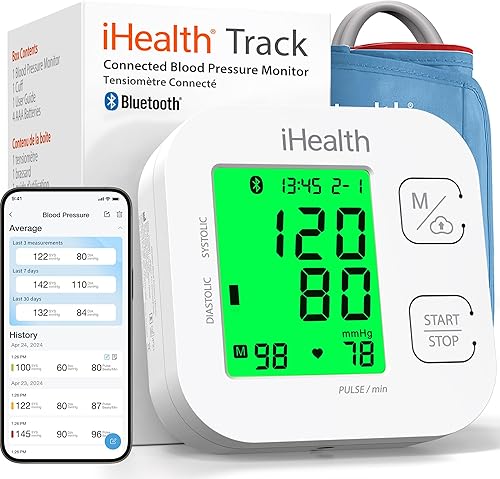 Best for upper arm readings
iHealth Track Smart Upper Arm Blood Pressure
 Best for oxygen and pulse checks
Zacurate Pro Series 500DL Fingertip Pulse Oximeter
Pulse oximeter vs blood pressure monitor: what does each measure?
A pulse oximeter reads SpO2 and pulse rate; a blood pressure monitor reads blood pressure. Neither reading substitutes for the other.
A fingertip pulse oximeter clips onto a finger and estimates blood oxygen saturation using light. Many models also show pulse rate, which is the number of heartbeats per minute.
For factors that can affect those readings, see fingertip oximeter accuracy.
A blood pressure monitor uses a cuff that inflates around your upper arm or wrist. It gives systolic and diastolic readings, which represent pressure as blood moves through your arteries.
A pulse oximeter with blood pressure monitoring may sound like a single device that covers both needs. Check the named functions and instructions carefully.
If a device only describes SpO2 and pulse rate, it is not a blood pressure monitor.
What do the readings tell you?
SpO2 is an estimate of oxygen saturation in the blood. Learn more about pulse oximeter vs SpO2.
A pulse rate is a count of heartbeats per minute during the reading.
Blood pressure readings are written as 2 numbers, systolic over diastolic. A pulse oximeter does not give those pressure numbers, and a cuff monitor does not give SpO2 just because it can detect pulse during a measurement.
A reading from either home device is one piece of information. Follow your clinician's directions about when to measure, how often to record results and what to do with them.
When should you choose a pulse oximeter?
Choose a pulse oximeter when you need SpO2 and pulse rate readings. It can suit someone asked to monitor those values or a person seeking a portable fingertip reading for sports or aviation use.
The Zacurate Pro Series 500DL displays SpO2 and pulse rate on an LED screen that faces the user. It includes 2 AAA batteries, a silicone cover and a lanyard, and it is designed for sports and aviation use rather than as a medical device.
The Zacurate 500 Series also displays SpO2 and pulse rate. It includes batteries, a silicone cover and a lanyard, and its instructions note that low blood flow in the finger can affect accuracy.
A fingertip screen can show several values at once. Our guide to fingertip pulse oximeter readings explains how to interpret the display.
If you're deciding between a pulse oximeter and a heart rate device, see heart rate monitor vs pulse oximeter. A pulse oximeter that shows pulse rate still doesn't measure blood pressure.
When should you choose a blood pressure monitor?
Choose a blood pressure monitor when you need systolic and diastolic pressure readings. Select a cuff style that suits your needs, then follow its instructions for positioning and measurement.
The iHealth Track is an upper arm monitor with a wide-range cuff that fits arms measuring 8.7–16.5 inches around. It stores up to 99 readings on the device, with optional tracking through iHealth's phone apps.
The Oklar Wrist Blood Pressure Monitor stores up to 240 readings for 2 users and has a rechargeable battery with a Type-C cable. Its wrist cuff fits 4.92–8.46 inches around, and positioning the cuff at heart level is part of its measurement guidance.
An upper arm cuff and a wrist cuff have different placement needs. Use the monitor's instructions for cuff placement and posture, and ask a health professional if you're unsure which style is suitable for you.
Do you need a pulse oximeter and a blood pressure monitor?
You need both only if you have a reason to track both oxygen saturation and blood pressure. They measure different values, so having one does not cover the other.
If a clinician asked you to monitor blood pressure, an oximeter will not fulfill that request. If you need SpO2 readings, a blood pressure cuff will not provide them.
You may also have no need to buy either device unless you have a specific use for the readings. Avoid using home measurements to diagnose a condition or change treatment without professional guidance.
A search for a pulse oximeter with blood pressure may return devices described with both functions. Confirm each measurement is explicitly supported and understand the intended use before relying on a device for health decisions.
Can an ECG monitor replace either device?
No. An ECG monitor records electrical activity in the heart, while an oximeter and a blood pressure monitor measure different signals.
An ECG reading does not provide a blood pressure reading.
Read Using EKG to Monitor High Blood Pressure for context on what an EKG can and cannot show. You can also see Can an ECG Monitor Detect High Blood Pressure? for the distinction between heart rhythm data and pressure measurement.
A pulse oximeter that reads blood sugar is not a substitute for a glucose meter either. See whether a pulse oximeter can read blood sugar before treating a combined phrase as a device capability.
How do you choose between an upper arm and wrist monitor?
Choose by fit, instructions and how well you can follow the measuring steps. The upper arm and wrist options here have different cuff locations and storage features.
The iHealth Track uses an upper arm cuff and stores up to 99 readings on the monitor. The Oklar wrist model stores up to 240 readings for 2 users and recharges with a Type-C cable.
Neither storage capacity tells you which monitor is right for your body or care plan. Read the instructions, check the cuff range and discuss the choice with a health professional if you have questions.
Which device should you buy?
Buy a pulse oximeter for SpO2 and pulse rate; buy a blood pressure monitor for blood pressure. Choose both only when you need both kinds of measurements.
For fingertip pulse oximetry, choose between the Zacurate models by their included accessories and intended use. For blood pressure, compare the iHealth upper arm cuff with the Oklar wrist cuff and follow each one's positioning guidance.
If you're new to pulse oximetry, read about which finger to use for a pulse oximeter. Let the measurement you need guide the device choice, and ask a clinician how to use readings in your care.
Frequently asked questions
Can one device measure blood oxygen and blood pressure?
A pulse oximeter and a blood pressure monitor measure different things, so plan on separate devices for both readings. A pulse oximeter checks SpO2 and pulse rate, while a blood pressure monitor uses a cuff to measure blood pressure.
A combined feature name doesn't tell you that both measurements are available.
Does a pulse oximeter measure heart rate?
Many fingertip pulse oximeters display pulse rate along with SpO2. Pulse rate is not the same as blood pressure, and a pulse oximeter does not provide systolic or diastolic pressure readings.
Check the exact device's functions before buying.
Can a blood pressure monitor measure oxygen saturation?
A standard blood pressure monitor measures blood pressure, not oxygen saturation. If you need SpO2 readings, you need a pulse oximeter as well.
Ask a health professional which measurements matter for your situation and how to use them.
Which should I buy first, a pulse oximeter or blood pressure monitor?
Choose based on the measurement you need: buy a pulse oximeter for SpO2 and pulse rate, or a blood pressure monitor for blood pressure. If a clinician has asked you to track a specific reading, follow their guidance on device type and use.