How to Wear a Holter Monitor Properly?
On this page (5 sections)
To wear a Holter monitor properly, you must keep the electrodes firmly attached to your skin and protect the monitor from water. For test-day steps, see our guide to preparing for a 24-hour Holter test. For more on wear holter monitor, see this guide. This ensures the device accurately records your heart’s electrical activity. Your doctor needs these readings to understand your heart health.
You wear this small, portable device for 24 to 48 hours, or sometimes longer. For more on holter monitor uncomfortable wear, see this guide. It continuously monitors your heart rhythm as you go about your normal day. Properly wearing the monitor helps provide the clearest picture of your heart’s function during various activities.
- Properly attach electrodes for clear readings.
- Keep the monitor dry at all times.
- Avoid dislodging wires during daily activities.
- Understand what activities you can and cannot do.
- Record your symptoms accurately in a diary.
Let’s walk through exactly how to wear your Holter monitor, step by step, ensuring you get the most accurate results for your doctor.
Setting Up Your Holter Monitor for Accurate Readings
Getting your Holter monitor set up correctly is the first step toward getting useful data. It’s like preparing a canvas before painting a masterpiece; the foundation needs to be solid. Let’s make sure your setup is perfect.
Understanding the Components of Your Holter Monitor
Before you even put it on, it helps to know what you’re working with. Your Holter monitor system typically has a few main parts. You’ll have the recording device itself, which is usually small and light. Then there are the electrode patches, and the wires that connect the patches to the recorder.
The Recorder Unit
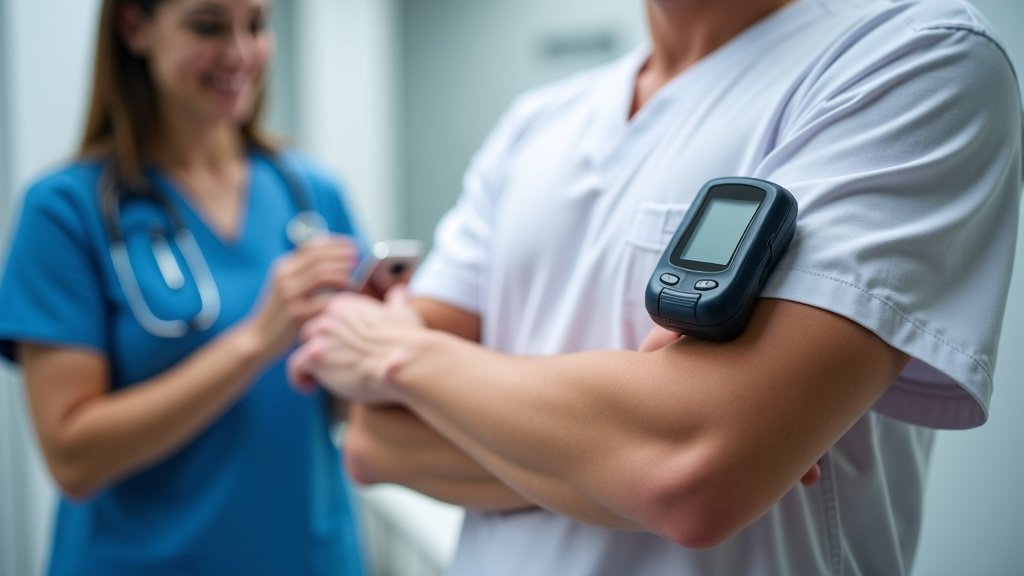
This is the brain of the operation, the part that actually captures your heart’s rhythm. It’s often about the size of a deck of cards or a small cell phone. It might have a small screen or just a few buttons. You’ll usually wear this on a belt or strap, or sometimes in a small pouch (Mayo Clinic).
Electrode Patches and Wires
These are the ears and nerves of the system. The electrode patches are sticky pads that attach to your skin. They contain a gel that helps conduct your heart’s electrical signals. Thin wires connect these patches to the recorder unit. You might have anywhere from three to seven patches, depending on the specific monitor your doctor chose for you. If you need new ones, compare replacement pads for Holter monitors.
Preparing Your Skin for Electrode Placement
This part is really important for good signal quality. Think of it like getting a good radio signal – a little static can make it hard to hear. Clean skin helps prevent static in your heart’s recordings. We found that proper skin prep is often overlooked but makes a huge difference.
- Shave any chest hair: For men, chest hair can prevent the electrodes from sticking well. Gently shave any areas where the electrodes will be placed.
- Clean your skin: Wash your chest thoroughly with soap and water. Use rubbing alcohol on the electrode sites if your doctor or nurse suggests it. This removes oils and dead skin cells.
- Let your skin dry completely: Electrodes won’t stick well to damp skin. Make sure the areas are totally dry before applying the patches.
Proper Electrode Placement and Attachment
Your nurse or technician will typically place the electrodes for you. Pay close attention to how they do it. This ensures you can reattach any that come loose. They’ll show you the exact spots. The placement is precise for capturing different views of your heart’s activity.
Once placed, press firmly on each electrode for a few seconds. This helps create a good seal. The wires then connect to these patches. Make sure the wires are not tangled or pulling on the patches. Loose wires can cause faulty readings.
Living with Your Holter Monitor: Daily Tips
Wearing a Holter monitor shouldn’t stop you from living your life. The whole point is to capture your heart’s activity during your normal routine. So, go about your day, but with a few adjustments. It’s like having a tiny, silent health detective accompanying you.
Keeping Your Monitor Dry: A Top Priority
This is probably the most critical rule: keep your Holter monitor away from water. These devices are not waterproof. Exposure to water can damage the electronics and stop the recording. This would mean starting the test all over again, which no one wants.
What does this mean for your daily routine?
- No showers or baths: You cannot shower or bathe while wearing the monitor. You’ll need to do sponge baths instead.
- Avoid swimming: Swimming pools, hot tubs, and lakes are completely off-limits.
- Stay out of heavy rain: If you get caught in a downpour, try to protect the monitor by tucking it under your clothes or covering it with a waterproof jacket.
- Watch for sweat: Excessive sweating can also be an issue. If you exercise and sweat a lot, try to keep the recorder unit dry. Some people use a small towel to protect it.
Clothing and Comfort Considerations
Wearing comfortable clothing can make a big difference during your monitoring period. Loose-fitting clothes are usually best. They help prevent the wires from getting tugged or tangled. Think of it as dressing for comfort and utility.
You want to avoid anything that rubs directly against the electrodes or wires. This could dislodge them. We found that soft cotton fabrics work well. You might find a loose t-shirt under a button-up shirt to be a good combination. Some people even wear a sports bra (women) or an athletic undershirt (men) to help keep the wires close to the body and prevent snagging.
Maintaining Electrode Adhesion and Wire Integrity
Electrodes are designed to stick, but they can come loose. This is especially true if you move a lot or if your skin gets oily. If an electrode does come loose, try to reattach it in the same spot. If you can’t, a fresh electrode might be needed, but check with your doctor’s office first.
Avoid pulling or tugging on the wires. They are delicate. When getting dressed or moving around, be mindful of where the wires are. It’s helpful to secure them with a bit of medical tape if they feel too loose, but again, ask your healthcare provider if this is okay for your specific device.
Here’s a quick checklist to help maintain your setup:
- Check electrodes morning and night for firmness.
- Secure loose wires with tape (if approved by your clinic).
- Be gentle when changing clothes or turning in bed.
- Ensure the monitor unit is securely clipped or belted.
- Avoid scratching or rubbing the electrode areas.
What to Do During Monitoring: Activity and Symptom Tracking
The Holter monitor is your silent partner, but you have an active role to play too. What you do and how you feel are just as important as the data the machine collects. This is where your observation skills come in handy.
Engaging in Normal Daily Activities
Unless instructed otherwise, you should continue your usual activities. This includes working, light exercise (if you normally do it), and household chores. The goal is to capture your heart’s behavior during your typical day. Don’t go out of your way to do something unusual, like running a marathon if you never run.
The only exceptions are activities that involve water, as we discussed, and potentially very strenuous activities that cause excessive sweating or might dislodge the electrodes. When in doubt, always ask your doctor or nurse about specific activities.
Keeping a Detailed Symptom Diary
This is absolutely crucial for your doctor. The monitor records electrical signals. Your diary connects those signals to how you actually feel. We often hear from cardiologists that the diary is “half the story.” (Cleveland Clinic)
In your diary, record the following:
| What to Record | Why It’s Important |
|---|---|
| Date and Time | Helps precisely match your symptoms to the heart rhythm on the recording. |
| Your Activity | Shows what you were doing when symptoms occurred (e.g., resting, walking, stressed). |
| Specific Symptoms | Describe exactly what you felt (e.g., “pounding heart,” “dizzy,” “chest tightness”). |
| Duration of Symptoms | How long did the feeling last? A few seconds, minutes, or longer? |
| Severity of Symptoms | Rate it from mild to severe (e.g., on a scale of 1-10, or just “mild,” “moderate,” “severe”). |
Even if you feel nothing, it’s a good idea to make a few entries each day. Note times when you were sleeping, exercising, or felt particularly stressed. This gives a fuller picture for the doctors to interpret.
Troubleshooting Common Issues and When to Call Your Doctor
Sometimes, things might not go perfectly. It’s okay. Here’s what to watch for and what to do. Your medical team is there to help guide you.
- If an electrode falls off completely: Try to reattach it. If you have a spare, use that. Call your clinic if you can’t get it to stick or if you have no spares.
- If the wires disconnect from the monitor: Carefully reconnect them.
- If the monitor unit gets wet: Turn it off immediately if possible and call your clinic. Do not try to dry it with a hairdryer or put it in rice.
- If the monitor stops working or beeps continuously: Note the time and call your clinic.
- If you experience significant new or worsening symptoms: Contact your doctor immediately, especially if you have chest pain, severe dizziness, or shortness of breath. This isn’t just about the monitor; it’s about your health.
Remember, the goal is to get the most accurate data possible. Your active participation in wearing the monitor properly and keeping a detailed diary is key to helping your doctor understand your heart health better.
Conclusion
Wearing your Holter monitor properly is key to getting accurate information about your heart. By understanding its components, preparing your skin, and diligently tracking your symptoms, you contribute directly to your heart health assessment. Keeping the monitor dry and electrodes secure ensures uninterrupted recording. Your attention to these details provides your doctor with the clearest picture possible.
If you encounter any issues during your monitoring period, don’t hesitate to reach out to your healthcare provider. Your proactive approach makes all the difference in diagnosing and managing your heart condition.
Frequently Asked Questions
Can I exercise while wearing a Holter monitor?
Yes, you should continue with your normal exercise routine unless your doctor advises otherwise. However, avoid water-based activities like swimming. Also, be mindful of excessive sweating, which can loosen electrodes or potentially damage the monitor unit.
What happens if an electrode comes loose?
If an electrode comes loose, gently press it back onto your skin firmly. If it doesn’t stick, or if you have a spare, you can try replacing it. Always contact your clinic if electrodes continue to come off or if you’re unsure what to do.
How should I sleep with a Holter monitor on?
You can sleep in any comfortable position. Try to avoid sleeping on your stomach if it puts pressure on the electrodes or wires. Many people find wearing a snug-fitting undershirt helps keep everything in place during the night.
Will the Holter monitor alarm or beep?
Most Holter monitors are designed to operate silently. If your monitor starts beeping continuously or making unusual noises, it could indicate a problem. If it beeps, this guide explains common causes and what to check for Holter monitor beeping. Note the time and contact your healthcare provider’s office for guidance.
Can I use electronic devices like phones or microwaves while wearing the monitor?
Generally, you can use most common household electronic devices without interfering with the Holter monitor. Modern monitors are shielded against most electromagnetic interference. However, avoid directly placing cell phones on top of the monitor unit.