Is Holter Monitor Uncomfortable to Wear?
On this page (3 sections)
Most people find wearing a Holter monitor to be only mildly uncomfortable, if at all. While you might feel the small electrodes on your skin or the device in your pocket, it’s generally not painful. The aim is to capture your heart’s activity, and discomfort usually isn’t a major roadblock to that.
The key is understanding what to expect during your monitoring period. It’s a common diagnostic tool that helps doctors understand your heart rhythms over an extended time. Many find that the slight inconvenience is well worth the detailed information it provides about their health.
- Holter monitors are usually not painful, just a little noticeable.
- The electrodes stick to your skin and the monitor is small.
- Most people get used to it within the first day.
- The information gathered is very important for your doctor.
- Discomfort usually doesn’t stop the monitor from working.
Below, we’ll break down what wearing a Holter monitor really feels like and how you can manage any minor discomfort.
What to Expect When Wearing a Holter Monitor
So, you’ve been told you need a Holter monitor. You might be wondering, “Is this thing going to be uncomfortable?” It’s a very common question! We found that most people can wear a Holter monitor without much trouble. Think of it like wearing a new watch for the first time. It’s a bit different, but you get used to it pretty quickly. The goal is simple: to get a clear picture of your heart’s electrical activity over a day or two. Discomfort is usually a minor concern, not a show-stopper. For more details on how to wear a Holter monitor, check out our comprehensive guide.
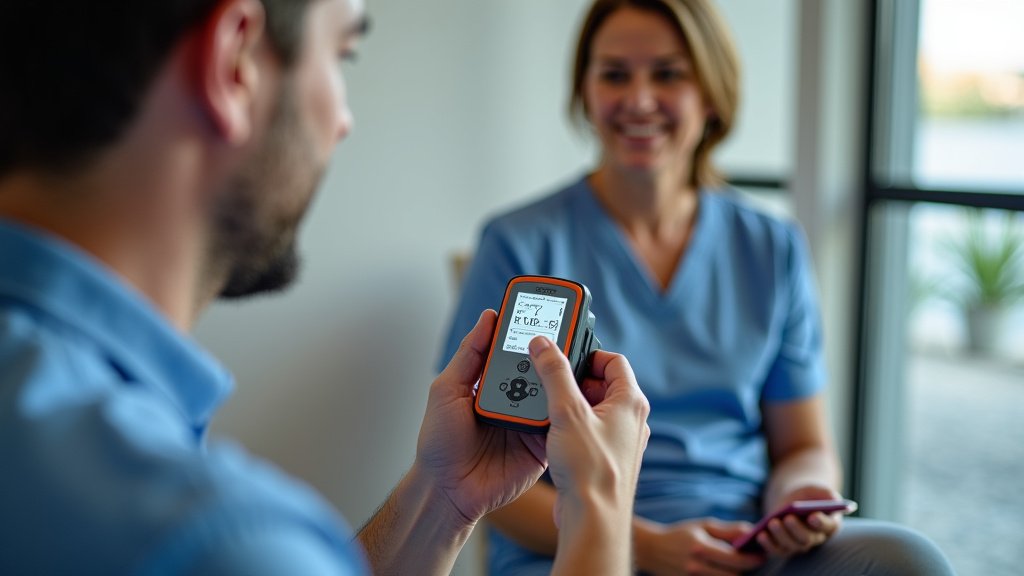
The monitor itself is a small, battery-operated device. It’s about the size of a small pager or a deck of cards. This device records your heart’s rhythm. It connects to your body through small, sticky patches called electrodes. These electrodes are placed on your chest. They are then connected to the monitor by wires. You’ll typically wear the monitor in a pouch or pocket. Many people find they forget it’s even there after a few hours.
Understanding the Holter Monitor Setup
The way the Holter monitor is attached is key to how you’ll feel. Your healthcare provider will clean small areas on your chest. This helps the electrodes stick properly. Then, they’ll place the electrodes. These are usually round and about the size of a silver dollar. They have an adhesive backing to stay put. You should feel minimal sensation when they are applied. Some people might feel a slight tug when they are removed later.
The wires run from the electrodes to the main recording unit. This unit is small and lightweight. You can usually wear it clipped to your belt, a shirt strap, or in a pocket. It’s not meant to be bulky or cumbersome. The goal is to allow you to move around normally. The setup is designed to be as unobtrusive as possible during your daily activities.
The Feel of the Electrodes
Let’s talk about those electrodes. They are the part that actually touches your skin for an extended period. We found that most people report they are not painful. Some describe a mild, almost unnoticeable pressure. If you have sensitive skin, you might experience a bit of redness or slight irritation where the electrodes were. This is usually temporary. It’s similar to what you might feel after wearing a bandage for a while.
The adhesive used is designed to hold the electrodes securely, even if you sweat a little. This is important for getting good readings. However, if you find the adhesive is causing significant discomfort, it’s something to mention to your doctor. They might have alternative options. For most people, it’s just a case of getting used to something new on their skin for a short time. Many find that by the second day, they barely notice them.
Wearing the Monitor: Daily Life and Activities
The Holter monitor is meant to track your heart during your normal daily routine. So, you should try to live as you usually do. This means going to work, exercising (unless your doctor advises otherwise), and sleeping. You’ll be asked to keep a diary. You’ll log activities and any symptoms you experience, like dizziness or palpitations.
This is where the “discomfort” part can sometimes come into play, not from the device itself, but from the need to be mindful. You might feel a little restricted by the wires. You need to be careful not to pull them. Also, showering or bathing is usually not possible while wearing the monitor. This is a temporary inconvenience that most people manage. Keeping the electrodes dry is important for the device to function correctly. Many find using dry shampoo and wipes is a good way to stay fresh (Cleveland Clinic).
Sleeping with a Holter Monitor
Sleeping is often a concern for people. Will the wires get tangled? Will the monitor itself be in the way? Generally, sleeping is quite manageable. You’ll likely sleep on your side or back as you normally would. The wires are usually long enough to give you some freedom of movement. Some people find it helpful to tuck the monitor unit into their pajama pocket or under their pillow.
You might wake up occasionally and feel the wires or the unit. It’s not typically painful, just a reminder it’s there. Research indicates that most patients report no significant sleep disturbances. If you have trouble falling asleep or staying asleep, it’s worth discussing with your doctor. They can offer reassurance or tips for making it easier.
Managing Minor Discomfort and Irritation
So, what if you do experience a little itchiness or irritation? It’s good to be prepared. First, resist the urge to scratch vigorously around the electrodes. This can loosen them or damage the skin. We found that gentle patting can sometimes help relieve itching.
If the adhesive is bothering you, and it’s not causing a rash, you can try placing a small piece of gauze or tape over the electrode. Always check with your doctor before altering the setup. They can advise if this is appropriate. If you develop a rash or significant irritation, contact your doctor’s office immediately. They may need to replace the electrodes with a different type or adjust the monitoring plan (Mayo Clinic).
What to Do If a Lead Comes Off
It’s possible, though not common, for an electrode or wire to come loose. If this happens, don’t panic. If a lead detaches, try to reattach it carefully if you can. However, if you’re unsure or it’s difficult, simply note it in your diary. Mention which lead came off and when. The monitor might still be able to capture data, or your doctor might decide to adjust your monitoring time.
If the main monitor unit becomes detached or you suspect it’s not recording, contact your healthcare provider. It’s better to be safe than sorry. They can guide you on the next steps. The aim is always to get the most accurate data possible, so any issues should be reported.
When Discomfort Might Signal a Bigger Issue
While minor discomfort is normal, it’s important to distinguish it from pain or signs of an allergic reaction. We found that true pain during Holter monitoring is rare. If you experience sharp pain, burning, or significant swelling, it’s not typical. These symptoms could indicate a more serious reaction to the adhesive or the electrodes themselves.
In these cases, you should remove the electrodes if possible and call your doctor’s office right away. They will want to know about it. They may recommend a different type of monitor or a different approach to monitoring your heart. Your comfort and safety are the top priorities. So, don’t hesitate to reach out if something feels significantly wrong (NIH).
Getting Used to the Holter Monitor: A Timeline
How long does it take to get used to it? Most people report feeling comfortable within the first few hours of wearing the monitor. By the end of the first day, many have completely forgotten they are wearing it. The initial sensation of having something attached to your skin or the wires can feel a bit strange. But your body usually adapts quickly.
The entire Holter monitoring period is typically 24 to 48 hours, though it can sometimes be up to 7 days. By the time the monitor is removed, you’ll likely be accustomed to it. The relief of taking it off is often met with a sense of accomplishment. You’ve helped your doctor get important health information!
Checklist for a Comfortable Holter Experience
Here’s a quick rundown to help make your Holter monitor experience as comfortable as possible:
- Wear loose-fitting clothing: This helps avoid snagging wires.
- Keep the monitor dry: Avoid showers unless instructed otherwise.
- Follow your doctor’s instructions: They know what’s best for your situation.
- Move normally: Live your life as usual to get accurate readings.
- Note any symptoms: Your diary is very important for diagnosis.
- Communicate any concerns: Don’t hesitate to call your doctor if you experience real discomfort or irritation.
Conclusion
You’ve learned that wearing a Holter monitor is usually a mild inconvenience rather than a painful experience. Most people adapt quickly to the electrodes and the device. The slight feeling of something on your skin or in your pocket is temporary. This brief period of adjustment is essential. It provides your doctor with vital information about your heart’s rhythm. If you do experience any irritation, remember to communicate it. Your doctor can help manage these minor issues. Ultimately, the Holter monitor is a safe and effective tool for understanding your heart health.
Frequently Asked Questions
Can I sleep comfortably with a Holter monitor on?
Yes, most people find sleeping with a Holter monitor quite manageable. The wires are usually long enough for you to move naturally in your sleep. You might feel the device occasionally, but significant sleep disturbances are uncommon. If you’re concerned, talk to your doctor for tips on how to position yourself comfortably.
Will the electrodes cause a rash or skin irritation?
While some mild redness or slight irritation can occur, it’s not typical for the electrodes to cause a rash. This is similar to wearing a bandage. If you have sensitive skin, you might be more prone to it. If you notice a significant rash or burning sensation, contact your doctor immediately.
What if an electrode or wire comes loose during monitoring?
If a lead detaches, try to reattach it if it’s easy to do. If you’re unsure or it’s difficult, simply note it in your diary. It’s important to mention which lead came off and when. If the main monitor unit becomes detached, contact your healthcare provider for guidance.
Can I shower or bathe while wearing a Holter monitor?
Generally, you cannot shower or bathe while wearing a Holter monitor. The electrodes and the device need to be kept dry to ensure accurate readings. Your doctor will advise you on how to stay clean. Using wipes or dry shampoo is often recommended for daily hygiene.
How long does it take to get used to wearing a Holter monitor?
Most people report getting used to the Holter monitor within the first few hours of wearing it. By the end of the first day, many have forgotten they are even wearing it. The initial sensation is usually minor and your body adapts quickly to the presence of the device and electrodes.