How to Prepare for a 24 Hour Holter Monitor Test?
On this page (3 sections)
Preparing for a 24-hour Holter monitor test is mostly about knowing what to expect and how to make it work for you. You’ll need to wear a small device that records your heart’s activity for a full day. The key is to live your life normally so the monitor captures your typical rhythms and any potential issues. Getting ready involves a few simple steps to ensure accurate readings.
This test is designed to catch heart rhythm problems that might not show up during a regular doctor’s visit. It helps doctors understand your heart’s patterns over an extended period, which is super helpful for diagnosis. Think of it as giving your heart a chance to reveal its secrets over 24 hours. Following the right preparation steps can make the whole experience much smoother.
- Wear loose clothing.
- Prepare for electrode placement.
- Keep a symptom diary.
- Avoid MRIs and strong magnetic fields.
- Know how to get it removed.
Let’s walk through exactly how to get ready so you can feel confident and prepared for your Holter monitor day.
You’ve got a 24-hour Holter monitor test coming up. It might sound a bit daunting, but preparing for it is quite straightforward. The main goal is to help your doctor get a clear picture of your heart’s electrical activity over a normal day. This means you’ll be wearing a small, portable device. Think of it as a tiny heart detective, working around the clock. Getting ready properly ensures the detective gets all the clues it needs. We’ll walk through everything you need to know to make this test as smooth and informative as possible. We cover how to wear your Holter monitor to ensure accurate results.
Getting Ready for Your Heart’s Close-Up
Preparing for your 24-hour Holter monitor test is mostly about understanding the process and making a few simple arrangements. Your doctor will explain the specifics, but here’s a general guide to help you feel prepared. The aim is to capture your heart’s rhythms during normal activities and any symptoms you might experience. This helps your physician diagnose conditions that might not appear during a quick in-office check-up.
Understanding the Holter Monitor Itself
First off, what exactly is a Holter monitor? It’s a small, battery-operated device. It’s about the size of a deck of cards, or sometimes even smaller. It’s connected to your chest with electrodes. These are like tiny stickers. The monitor records your heartbeat continuously for 24 to 48 hours. This extended monitoring is key. It allows for the detection of irregular heart rhythms that might be occasional and fleeting.
What to Expect When It’s Applied
When you get the monitor, a technician will place the electrodes on your chest. They’ll clean your skin first to ensure a good connection. The electrodes are usually painless. You might have a small area of hair removed for better adhesion, but this is typically very minor. The wires from the electrodes connect to the monitor device, which you’ll wear around your waist or carry in a pouch. The technician will show you how it works and answer any immediate questions.
How Long Will You Wear It?
The most common duration for a Holter monitor is 24 hours. However, your doctor might request a 48-hour or even longer recording period. This depends on how often you experience symptoms or what your doctor is looking to detect. They will confirm the exact duration before you leave the clinic or hospital. It’s important to keep it on for the entire prescribed period. This ensures the most accurate data is collected.
Practical Preparations for the Test Day
Before you head in to get your monitor, there are a few things you can do to make the day go smoothly. Think of it as packing for a short, very important trip. You want to be comfortable and ready to go.
Clothing Choices Matter
When you wear the Holter monitor, comfortable and loose-fitting clothing is your best friend. The electrodes are attached to your chest, and you’ll have wires running from them to the monitor. Tight clothing can pull on the electrodes, potentially dislodging them or causing discomfort. Opt for loose t-shirts, button-down shirts, or blouses. This makes it easier to hide the monitor and wires discreetly. It also allows for easy access for the technician if adjustments are needed.
Showering and Hygiene Considerations
This is a common question: can you shower with a Holter monitor? Generally, no, you cannot shower or bathe while wearing the device. The monitor and electrodes are not waterproof. You’ll need to keep them dry. This means planning your showers around the test. You might shower the morning before the test or right after it’s removed. The technician will advise you on this. If you get sweaty, you can gently pat the area dry. Good hygiene is still important, of course.
Bathing and Swimming Restrictions
Similar to showering, you’ll need to avoid baths and swimming. Water is the enemy of the Holter monitor’s electronics. So, plan to skip your usual swim or relaxing bath for the duration of the test. If you have a particularly active job or lifestyle that involves a lot of sweating, mention this to your doctor. They may have specific advice for you.
Living Your Life — The Right Way
The whole point of a Holter monitor is to see your heart during your normal routine. So, the best preparation is to plan to live your life as you usually would. However, there are a few key things to be aware of.
Activity Levels During the Test
You should try to do your normal daily activities. This includes exercising, working, and going about your usual routines. If you exercise regularly, you should do so during the monitoring period. This helps capture your heart rate during physical exertion. If you experience any symptoms, such as chest pain, shortness of breath, or dizziness, the monitor is designed to pick those up. Your doctor wants to see how your heart behaves under different conditions.
What to Avoid During Monitoring
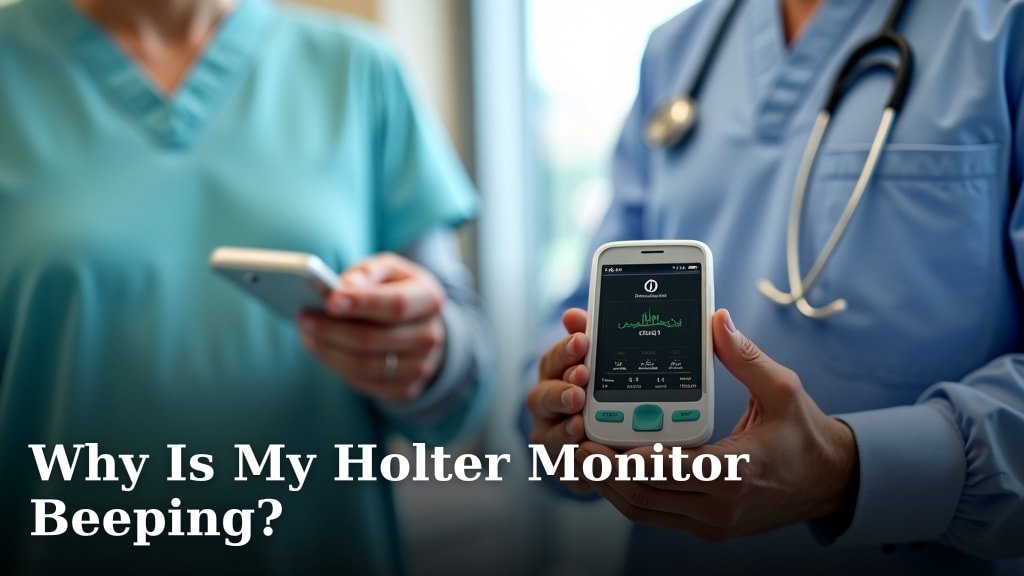
While you want to live normally, there are a few environmental factors to avoid. Strong magnetic fields can interfere with the monitor’s readings. This means you should stay away from MRI machines, large industrial magnets, and sometimes even strong X-ray equipment. It’s also wise to avoid sleeping on top of the monitor device itself. Keep electronic devices like cell phones away from the monitor, though general use is usually fine. If your device starts beeping, see what may be causing the Holter monitor alert.
The Symptom Diary is Your Best Friend
This is perhaps the most critical part of your role. You’ll be given a diary or log to keep. Whenever you feel any symptoms, no matter how small, you need to write them down. Note the time the symptom started and stopped. Also, record what you were doing at that moment. For example, “Felt a flutter at 10:15 AM while walking up stairs.” This diary is a vital tool for your doctor. It helps them correlate your symptoms with the heart rhythm recordings.
Here’s a quick checklist for your symptom diary:
- Time you started feeling a symptom.
- Type of symptom (e.g., palpitations, dizziness, chest pain).
- Duration of the symptom.
- Activity you were doing when it happened.
- Time the symptom stopped.
Understanding Potential Interference
Some everyday things can affect the monitor’s ability to record accurately. Being aware of these can save you and your doctor a lot of trouble.
Electrical Devices and Interference
While modern Holter monitors are quite robust, very strong electrical fields can sometimes cause interference. This means you should try to keep the monitor device itself away from high-powered appliances like microwaves when they are in use. Also, avoid sleeping with a heating pad directly over the electrode sites. These are usually minor issues, but it’s good to be mindful.
Checking Electrode Adhesion
The electrodes are attached with a special adhesive. If you notice an electrode is peeling off, try to gently press it back into place. If it won’t stick well, or if you have significant irritation, contact your doctor’s office. Do not try to reapply it yourself with regular tape, as this could interfere with the readings or damage your skin.
When the Test is Over: Removal and Follow-Up
The 24 hours (or longer) will fly by, and then it’s time to get the monitor off. The removal process is just as simple as the application.
Returning the Device
You’ll need to return the Holter monitor to your doctor’s office or the clinic at the scheduled time. This is usually immediately after the monitoring period ends. The technician will disconnect the electrodes and remove the monitor. They will then send the device to be analyzed by a cardiologist or a specialized lab. Don’t try to remove the electrodes or the monitor yourself unless instructed to do so.
What Happens Next?
After the monitor is removed and the data is analyzed, your doctor will schedule a follow-up appointment. This is when you’ll discuss the results. The doctor will interpret the recordings along with your symptom diary. They will then explain what the test showed about your heart rhythm. This information is crucial for any diagnosis and treatment plan.
To summarize, preparing for your Holter monitor involves a few practical steps:
- Wear comfortable, loose clothing.
- Avoid showering or swimming while wearing the device.
- Keep a detailed symptom diary.
- Try to do your normal daily activities.
- Avoid strong magnetic fields.
- Return the monitor on time for removal.
By following these simple guidelines, you’ll help ensure your Holter monitor test provides the most accurate and useful information for your healthcare provider. It’s a small commitment for potentially big insights into your heart health!
Conclusion
You’ve learned how to prepare for your 24-hour Holter monitor test. It’s all about making simple adjustments to help your doctor get the clearest picture of your heart’s activity. Remember to wear loose clothing, keep your symptom diary meticulously, and try to maintain your normal routine. Avoiding strong magnetic fields is also key for accurate results. This test is a powerful tool for understanding your heart health. Schedule your follow-up appointment to discuss your results so you can make informed decisions about your well-being.
Frequently Asked Questions
Can I exercise with a Holter monitor?
Yes, it’s usually encouraged! Your doctor wants to see how your heart performs during your regular activities, including exercise. Be sure to record any symptoms you experience during your workout in your diary.
What if an electrode falls off?
If an electrode becomes loose, try gently pressing it back into place. If it won’t reattach properly or if you experience skin irritation, contact your doctor’s office for guidance. Do not use regular tape to secure it.
Can I use a heating pad or electric blanket?
It’s best to avoid using heating pads or electric blankets directly over the electrode sites. Strong heat or electrical fields can potentially interfere with the monitor’s readings.
How will I know if the monitor is working correctly?
The technician will explain how to check if the device is on and recording. If you have any concerns about the monitor’s function or notice error lights, reach out to your doctor’s office.
When can I expect to get my Holter monitor results?
Your doctor will analyze the data after you return the monitor. They will typically schedule a follow-up appointment to discuss the findings and any next steps based on the results.