How Does a Holter Monitor Work?
On this page (3 sections)
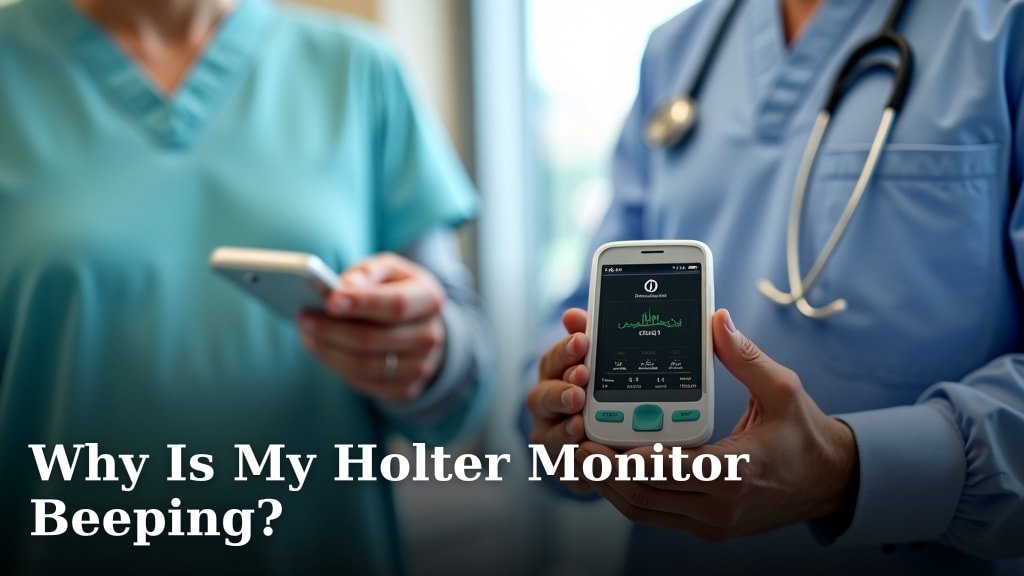
A Holter monitor works by wearing a small, portable device that continuously records your heart’s electrical activity for 24 to 48 hours, or sometimes longer. For an idea of what the test may cost, read our guide to Holter monitor costs. This allows your doctor to detect heart rhythm problems that might not show up during a routine EKG. Think of it as a super-powered heart diary. You wear it to help pinpoint issues like irregular heartbeats or skipped beats that come and go.
When your heart beats, it sends tiny electrical signals. The Holter monitor captures these signals and stores them. Later, a doctor analyzes the recording to see if your heart rhythm was normal during the monitoring period. It’s a non-invasive way to get a clearer picture of your heart’s performance outside the doctor’s office, looking for patterns that might otherwise be missed. Doctors often use it to figure out the cause of symptoms like dizziness or fainting.
- A Holter monitor continuously records your heart’s electrical signals.
- It’s worn for 24-48 hours, sometimes longer.
- The device helps doctors find heart rhythm issues.
- It records patterns that might not show on a regular EKG.
- Your doctor analyzes the recording to check your heart’s performance.
Ready to understand exactly what’s happening with this handy heart tracker? Let’s walk through how a Holter monitor works, step by step, so you know what to expect.
Understanding How a Holter Monitor Tracks Your Heart
A Holter monitor is a small, portable device that keeps a close eye on your heart’s electrical activity. It’s like a personal cardiologist, but it follows you around for a day or two. This tool helps doctors diagnose heart rhythm issues that might pop up when you’re not in their office.
What Exactly Does a Holter Monitor Do?
At its core, a Holter monitor is a type of electrocardiogram (EKG or ECG). But instead of a quick snapshot during a doctor’s visit, it provides a continuous recording. You wear it for an extended period, usually 24 to 48 hours, sometimes up to 7 days. This allows it to capture any irregular heartbeats or changes in rhythm that might not happen during a standard EKG. Doctors use it to find patterns that could explain symptoms like dizziness, fainting, or shortness of breath (American Heart Association).
The Electrical Symphony of Your Heart
Your heart beats thanks to a complex electrical system. Each beat starts with a small electrical impulse. This impulse travels through your heart muscle, telling it when to contract and pump blood. Sometimes, this electrical signaling can get a bit off-track. This is what causes arrhythmias, or abnormal heart rhythms. The Holter monitor is designed to pick up on these electrical signals.
Capturing Every Beat
The device uses small, sticky pads called electrodes. These electrodes are attached to your chest. They are connected by wires to the Holter monitor itself, which is usually worn on a belt or a strap around your neck. These Holter electrode patches detect the electrical activity from your heart. The monitor then records this information onto a memory card or internal storage.
Setting Up Your Holter Monitor: What to Expect
Getting a Holter monitor hooked up is a straightforward process. A technician or nurse will place the electrodes on your chest. They’ll make sure they are positioned correctly for the best possible signal. They’ll also show you how to wear the monitor and how to keep a diary of your activities and symptoms. It’s important to follow their instructions carefully.
The Electrode Placement
Proper electrode placement is key to a clear recording. The technician will clean small areas of your skin on your chest. Then, they’ll attach the electrodes. These are typically placed in a pattern that allows the monitor to get a good view of your heart’s electrical signals from different angles. You should feel no pain during this process.
Your Daily Diary: A Crucial Component
While the monitor is busy recording, you’ll be asked to keep a diary. This diary is super important for your doctor. You’ll note down when you feel symptoms like palpitations, dizziness, or chest pain. You’ll also record your daily activities, like exercising, sleeping, or eating. This helps your doctor connect any detected heart rhythm changes to what you were doing at the time.
Life with a Holter Monitor: Daily Activities and Limitations
Living with a Holter monitor is mostly like your normal life. However, there are a few things to keep in mind to ensure the best recording. The goal is to capture your heart’s behavior during everyday activities, including when you might experience symptoms.
What You Can Do
You should try to continue your normal routine as much as possible. This includes walking, working, and even sleeping. If you normally exercise, it’s often encouraged to do so. This helps the monitor capture your heart’s response to physical activity. However, always follow any specific instructions your doctor gives you about strenuous activities.
What to Avoid
There are some things you’ll need to steer clear of. Strong magnetic fields can interfere with the monitor’s recording. So, avoid MRI scans and large magnets. Also, try to keep the monitor and electrodes dry. Most Holter monitors are not waterproof. You’ll likely need to avoid showering or swimming while wearing it. Some newer models may be water-resistant, so check with your provider.
Potential for Discomfort or Skin Irritation
While generally comfortable, some people might experience minor skin irritation from the electrodes or adhesive. If you notice any redness, itching, or discomfort, let your doctor’s office know. They can advise on how to manage it or may provide different types of electrodes.
Analyzing the Data: What Happens Next?
Once the monitoring period is over, you’ll return the Holter monitor to your doctor’s office. The recorded data is then downloaded and analyzed. This is where the real detective work begins for your doctor.
Decoding the Electrical Signals
A computer program first helps to process the vast amount of data. It flags any abnormal heart rhythms or significant events. Then, a cardiologist or a trained technician reviews these findings. They look for specific patterns that indicate conditions like atrial fibrillation, bradycardia (slow heart rate), or tachycardia (fast heart rate). The diary you kept plays a vital role here. It helps them correlate the electrical readings with your reported symptoms.
The Goal: A Clear Diagnosis
The ultimate aim is to gather enough information to make an accurate diagnosis. If the Holter monitor reveals a persistent problem, your doctor can develop a treatment plan. If it shows normal heart rhythms throughout the monitoring period, they might consider other diagnostic tests. The information gathered is essential for guiding your care.
Why is a Holter Monitor So Useful?
The Holter monitor is a powerful tool because it captures information over a longer period than a standard EKG, one reason doctors recommend Holter monitoring. Many heart rhythm issues are intermittent, meaning they don’t happen all the time. A 12-lead EKG done in a clinic might miss these brief episodes.
Detecting Occasional Symptoms
For individuals who experience symptoms like palpitations or fainting only occasionally, a Holter monitor is often the best way to catch the problem; heart event monitors may help capture less frequent episodes. If you only feel dizzy once a week, a 5-minute EKG is unlikely to record it. But a 48-hour recording has a much higher chance of capturing that event.
Assessing Treatment Effectiveness
Doctors also use Holter monitors to see if treatments for known heart rhythm disorders are working. After starting a new medication or procedure, a Holter can confirm if it has successfully controlled the abnormal rhythm.
Providing Peace of Mind
Sometimes, a Holter monitor can also provide peace of mind. If the recording shows a normal heart rhythm, it can help rule out certain heart conditions. This can be a great relief for patients who have been worried about their symptoms.
Holter Monitor Checklist: Key Takeaways
To help you remember the essentials, here’s a quick checklist:
- Wear the monitor as instructed, usually 24-48 hours.
- Keep a detailed diary of your activities and symptoms.
- Avoid water and strong magnetic fields.
- Inform your doctor of any skin irritation.
- Return the device promptly after the monitoring period.
- Ask questions if you are unsure about anything.
Conclusion
You’ve learned how a Holter monitor acts as your heart’s personal detective, continuously tracking its electrical signals for a day or more. This non-invasive tool is vital for spotting those tricky heart rhythm issues that might otherwise go unnoticed. By understanding how it works, what to expect, and how your daily activities play a role, you can feel more prepared. If your doctor has recommended a Holter monitor, the next step is to schedule your appointment and get that important monitoring started.
Frequently Asked Questions
Will a Holter monitor shock me or hurt?
No, a Holter monitor is entirely painless. The electrodes are simply sticky pads placed on your skin to detect electrical signals. You won’t feel any electrical current or discomfort from the device itself.
Can I shower or bathe while wearing a Holter monitor?
Generally, you should avoid showering or swimming while wearing a Holter monitor. Most devices are not waterproof. Your doctor or technician will advise you on how to keep the electrodes dry or if you need to temporarily remove the device for bathing.
What if I forget to log an event in my diary?
Don’t worry too much if you miss a diary entry. While helpful, the monitor still records your heart’s activity. It’s best to log symptoms and activities when you can, but the data collected by the monitor is the primary focus for diagnosis.
How long does it take to get the results from a Holter monitor?
The time it takes to get results can vary. After you return the monitor, the data needs to be downloaded and analyzed by a specialist. This process can take anywhere from a few days to a couple of weeks, depending on your doctor’s office and their analysis schedule.
Can I exercise while wearing a Holter monitor?
In most cases, yes. Doctors often encourage you to continue your normal daily activities, including light to moderate exercise, as this helps capture your heart’s response under different conditions. However, always follow your doctor’s specific instructions regarding strenuous physical activity.