Why Do Doctors Recommend a Holter Monitor?
On this page (8 sections)
Doctors recommend a Holter monitor primarily because it provides a continuous, detailed record of your heart’s electrical activity over a longer period than a standard EKG. This allows them to detect intermittent heart rhythm problems or symptoms that might not show up during a short, in-office test. It’s a key tool for understanding your heart’s behavior throughout a typical day.
When you experience symptoms like dizziness, palpitations, or shortness of breath, pinpointing the cause can be tricky. A Holter monitor helps your doctor gather the necessary data to diagnose these issues. It captures your heart’s rhythm during daily activities, making it easier to correlate symptoms with specific heart events. This non-invasive test is widely used in cardiology.
- Doctors use it to see how your heart acts over 24-48 hours.
- It’s great for spotting heart rhythm problems that don’t happen all the time.
- It helps diagnose symptoms like palpitations and fainting.
- This monitor provides a clearer picture than a quick EKG.
Let’s walk through exactly why your doctor might suggest this helpful device and what you can expect.
Why Your Doctor Might Suggest a Holter Monitor
So, your doctor mentioned a Holter monitor. You might be wondering, “What exactly is it?” and “Why me?” It’s a pretty straightforward device designed to give your doctor a clearer picture of your heart’s electrical activity. Think of it like a long-term eavesdropper for your heart. Unlike a quick EKG you might have had at the office, which only captures a few seconds, a Holter monitor records for 24 to 48 hours, or sometimes even longer. This extended recording period is key to catching things that don’t happen all the time.
Understanding Your Heart’s Rhythm Over Time
Your heart is a busy organ, beating constantly. Most of the time, it follows a steady rhythm. But sometimes, it can skip a beat, beat too fast, or too slow. These irregular heartbeats are called arrhythmias. An EKG can spot an arrhythmia if it’s happening right then and there. But what if your arrhythmia only happens once in a while? That’s where the Holter monitor shines.
Catching Intermittent Arrhythmias
Many heart rhythm problems aren’t constant. They can be triggered by exercise, stress, sleep, or even just random chance. If your symptoms – like feeling dizzy, a racing heart, or chest discomfort – don’t line up with a standard EKG, your doctor needs more information. The Holter monitor records your heart’s electrical signals continuously. This allows your doctor to see if your symptoms occur at the same time as a specific heart rhythm change. It’s like catching a fleeting suspect on a security camera instead of just seeing an empty hallway.
Diagnosing Symptoms That Come and Go
You might be experiencing symptoms that are worrying but hard to explain. Things like:
- Palpitations (feeling like your heart is fluttering, pounding, or skipping beats)
- Dizziness or lightheadedness
- Shortness of breath
- Chest pain
- Unexplained fatigue
How the Holter Monitor Works
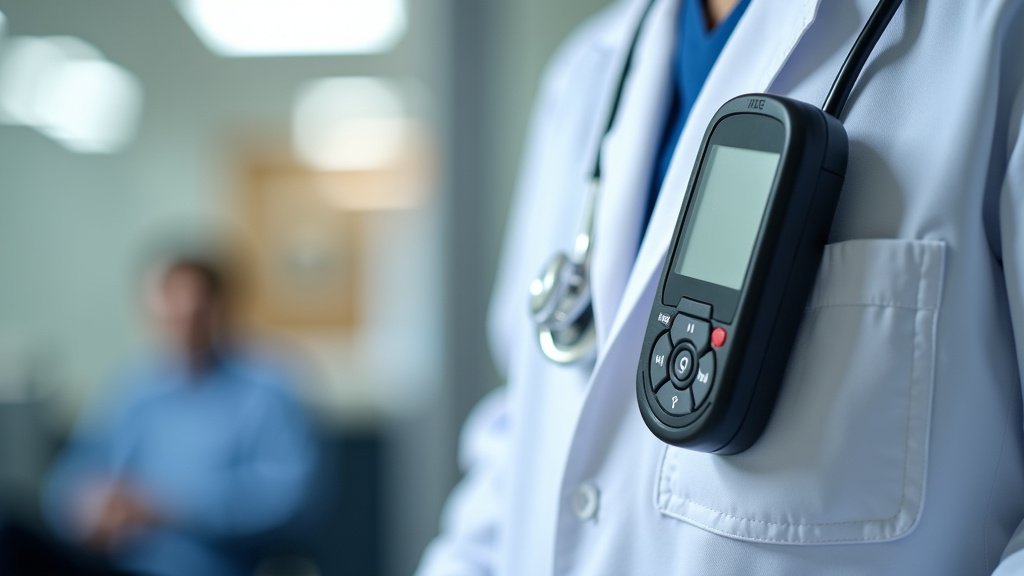
Using a Holter monitor is generally quite simple. You’ll have a few small, sticky patches called electrodes attached to your chest. These electrodes are connected by wires to a small, portable recording device that you’ll wear, usually clipped to a belt or a pocket. It’s designed to be worn under your clothes.
The Recording Process
The device continuously records the electrical signals from your heart. You’ll likely be asked to keep a diary while wearing the monitor. In this diary, you’ll note down any symptoms you experience, along with the time they occur. You’ll also log activities like exercising, sleeping, or periods of stress. This diary is incredibly important. It helps your cardiologist match up your feelings and actions with what the monitor recorded. For example, if you feel dizzy at 3 PM and the monitor shows a slow heart rate at that exact time, it provides a strong clue.
What to Expect While Wearing It
The monitor is designed to be worn throughout your regular daily routine. You can sleep, eat, walk, and work while wearing it. However, there are a few things to be aware of. You’ll want to avoid activities that could interfere with the readings, like strong magnetic fields or swimming unless you have a waterproof model. Showering can also be tricky, as you’ll need to keep the electrodes dry. Your doctor or nurse will give you specific instructions on how to manage this. Generally, it’s a very low-risk procedure.
When is a Holter Monitor Recommended?
Your doctor may recommend a Holter monitor in several common scenarios to get a better understanding of your heart health.
After a Suspicious EKG or Irregular Heartbeat
Sometimes, a standard EKG might show a minor abnormality or suggest a problem that isn’t clearly defined. Or, you might have mentioned feeling an occasional odd sensation in your chest. In these cases, a Holter monitor is the next step to get a more detailed look. It can confirm or rule out more serious issues that a brief EKG might miss.
Evaluating Dizziness and Fainting Spells
Dizziness and fainting (syncope) can be concerning. They can have many causes, but heart-related issues are a significant possibility. If your doctor suspects your symptoms are due to an abnormal heart rhythm, a Holter monitor is often prescribed. It helps determine if your heart rate drops too low, speeds up excessively, or becomes chaotic during these episodes. A study published in the Journal of the American Medical Association (JAMA) highlighted the effectiveness of ambulatory ECG monitoring in diagnosing syncope.
Monitoring Treatment Effectiveness
If you’ve been diagnosed with an arrhythmia and are undergoing treatment, a Holter monitor can be used to check how well your medication or treatment plan is working. It can show if your heart rhythm has improved or if there are still problematic events occurring. This helps your doctor adjust your treatment as needed, ensuring you get the best possible care.
Assessing Risk in Certain Conditions
For individuals with certain heart conditions, like a history of heart attack or heart failure, doctors might use a Holter monitor to assess their risk of developing dangerous arrhythmias. This proactive approach helps in planning preventative care. The American Heart Association suggests that continuous monitoring can be beneficial for patients at high risk.
Holter Monitor vs. Event Monitor: What’s the Difference?
You might hear about other heart monitoring devices, like event monitors. It’s helpful to know how they compare to a Holter monitor.
| Feature | Holter Monitor | Event Monitor |
|---|---|---|
| Recording Duration | Continuous (24-48 hours, sometimes longer) | Continuous, but only records when triggered by the patient or auto-detected. Worn for weeks. |
| Purpose | Captures frequent or daily rhythm changes and symptoms. | Catches less frequent, intermittent events that may not occur during a Holter wear. |
| User Involvement | Patient logs symptoms and activities. Monitor records automatically. | Patient must manually start recording when symptoms occur, or it may auto-detect. |
| Data Captured | Complete record of heart rhythm during wear period. | Only captures segments of rhythm related to events. |
Essentially, a Holter monitor is for when your doctor suspects you have symptoms or rhythm changes happening relatively often, perhaps daily. An event monitor is for when symptoms are rare, occurring perhaps once a week or less, and you need to capture that specific episode.
Preparing for Your Holter Monitor Test
Getting ready for a Holter monitor test is usually quite straightforward. Here’s a quick checklist to help you feel prepared:
- Wear comfortable clothing: Loose-fitting clothes will make it easier to conceal the device and electrodes.
- Avoid lotions and powders: Don’t apply lotions, oils, or powders to your chest area before getting the electrodes attached. They can prevent the electrodes from sticking properly.
- Know your medications: Be prepared to tell your doctor or technician about all the medications you are currently taking.
- Plan for showering: Ask your doctor about showering instructions. You may need to use a washcloth or sponge bath during the monitoring period.
- Get ready to write: Keep a pen and paper handy for your symptom diary.
- Ask questions: Don’t hesitate to ask your healthcare provider any questions you have before you leave with the monitor.
Your doctor’s goal is to get the most accurate information possible about your heart. By following these simple steps, you help ensure the test provides the clearest picture.
Conclusion
Your doctor recommending a Holter monitor is a smart step towards understanding your heart health better. This device provides a detailed, continuous look at your heart’s rhythm, which is essential for pinpointing intermittent issues that a standard EKG might miss. By capturing your heart’s activity during everyday life, it helps connect your symptoms to specific events. This leads to a more accurate diagnosis, especially for things like palpitations or dizziness. If your doctor suggests a Holter monitor, trust that it’s to get you the clearest picture and the right treatment plan. Your next step is to follow their instructions carefully and ask any questions you have.
Frequently Asked Questions
Can I exercise while wearing a Holter monitor?
Yes, in most cases, your doctor wants you to continue your normal daily activities, including exercise. This helps them see how your heart responds to physical exertion. Be sure to log your exercise in your diary and follow any specific instructions your provider gives you regarding strenuous activities.
What if I don’t feel any symptoms during the 24-48 hours?
That’s perfectly fine and actually a good sign! If you don’t experience any symptoms during the monitoring period, it might indicate that your heart rhythm is stable. Your doctor will still review the recorded data to ensure there are no underlying issues occurring unnoticed.
Will the Holter monitor affect my daily life significantly?
The Holter monitor is designed to be as unobtrusive as possible. While you’ll need to be mindful of keeping the electrodes dry and avoiding strong magnetic fields, you can generally continue most of your normal activities, including sleeping and working. You might need to adjust your showering routine slightly.
How long does it take to get the results from a Holter monitor?
After you return the monitor, a cardiologist or technician will analyze the recorded data along with your symptom diary. This process can take a few days to a week or more, depending on the clinic’s workflow and the complexity of the data. Your doctor will then discuss the results with you.
Can a Holter monitor detect a heart attack?
A Holter monitor is primarily used to detect heart rhythm abnormalities (arrhythmias) and how they correlate with symptoms. While it records your heart’s electrical activity continuously, it is not designed to diagnose a heart attack itself, which typically requires other diagnostic tests like an EKG at the time of the event or blood tests.