How Accurate Is Apple Watch Blood Oxygen?
Apple Watch blood oxygen readings are useful for spotting trends, not for replacing a medical pulse oximeter. Fit, movement, skin contact, temperature, and circulation can all affect the result.
On this page (8 sections)
- How accurate is Apple Watch blood oxygen?
- What affects Apple Watch pulse oximeter accuracy?
- How should you take an Apple Watch oxygen reading?
- Is Apple Watch oxygen sensor accurate during exercise?
- Does the Apple Watch model change oxygen accuracy?
- Is a silicone band better for Apple Watch oxygen readings?
- What should you do with an unusual reading?
- What is the bottom line on Apple Watch blood oxygen accuracy?
Apple Watch blood oxygen readings are best treated as wellness estimates that may show trends, not as replacements for a medical pulse oximeter or a clinical test. The Apple Watch uses light from sensors on the back of the case to estimate the percentage of oxygen carried in your blood.
That estimate can be useful when you want a rough sense of how readings look over time. It is less useful when you need a single number to decide whether something is medically normal or abnormal.
The result can change when the watch moves, loses skin contact, or measures a cold hand. A loose fit, a shifting case, a bent wrist, or pressure against a hard surface can all change how well the sensors read the skin.
Temperature also matters because cold skin may have less blood flow near the surface. Sweat, lotion, dirt, tattoos, and hair under the case can make that contact less steady as well.
This is why one reading should not be read in isolation. A pattern across several similar readings, taken while calm and still, is easier to interpret than a lone result taken after climbing stairs or coming in from the cold.
It also helps to separate a wellness trend from a clinical answer. A medical pulse oximeter is designed for that different purpose, and symptoms still matter more than a watch number when something feels wrong.
If you are deciding whether Apple Watch can measure oxygen levels at all, see our guide to can Apple Watch measure oxygen levels. That guide explains availability, while accuracy depends on how well the watch can make steady contact on your wrist.
How accurate is Apple Watch blood oxygen?
Apple Watch blood oxygen accuracy depends on stable contact and a still arm. A reading may be more useful when several measurements taken under similar conditions show a similar pattern, but one number cannot confirm that your oxygen level is medically normal.
Apple describes the Blood Oxygen app as a wellness feature. Its guidance explains that the measurement is not intended for medical use, and that several conditions can affect the result.
Read Apple's Blood Oxygen app guidance for model, region, and measurement details.
A watch-based reading also differs from a medical test because it estimates oxygen saturation from the wrist. Wrist measurements may be more sensitive to fit and circulation than a fingertip pulse oximeter.
What affects Apple Watch pulse oximeter accuracy?
Fit, motion, temperature, and circulation are the main factors that can reduce reliability. Your result can also be affected by skin contact, tattoos, and the position of your arm.
The watch should sit flat on the top of your wrist with enough contact for the sensors to work. It should not be so loose that it shifts, but it should not be painfully tight.
Movement can interrupt the measurement or change the sensor's contact with your skin. Rest your arm on a table or your lap and keep your hand relaxed while the app takes its reading.
Cold hands may have reduced blood flow near the skin. Warm up naturally before measuring, and do not use a reading from a cold or numb hand to make a health decision.
Tattoos or heavy body markings under the sensor may interfere with the light-based measurement. Hair, sweat, lotion, and dirt can also make contact less consistent.
How should you take an Apple Watch oxygen reading?
Sit quietly, wear the watch snugly, and keep your wrist still for the full measurement. Clean, dry skin and a clean watch back can also help the sensors maintain contact.
Use these steps:
- Put the watch on the top of your wrist.
- Adjust the band so the case stays flat without pinching.
- Rest your arm on a table or your lap.
- Open the Blood Oxygen app.
- Keep still and avoid talking until the measurement finishes.
- Repeat the reading later if the result seems unusual.
A single result that does not match how you feel may reflect measurement conditions. Recheck under better conditions, but do not delay care if you have serious symptoms.
Can a replacement watch band improve sensor contact?
A better-fitting band may help keep the watch steady, but it cannot correct every source of error. Choose a band that matches your watch's lug width and gives you a secure, comfortable fit.
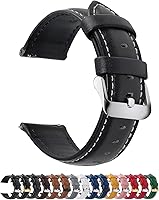
The Fullmosa 12/14/16/18/19/20/21/22/24mm Quick Release Leather Watch Band has adjustable eyelets, a quick-release design, and a stated fit range for compatible 22mm watches.
Measure your watch lugs before ordering. This band is offered in several widths, but the correct width depends on the watch rather than the sensor feature.
Is Apple Watch oxygen sensor accurate during exercise?
Exercise is a poor time to judge a single Apple Watch oxygen reading. Arm movement, changing contact, sweat, and shifts in circulation can all make a wrist measurement harder to interpret.
During activity the watch may slide, bounce, or press unevenly against the skin. That movement can break the steady contact the sensors need, even if the watch feels secure at the start of a workout.
Sweat can also change contact under the case, and a band that was snug at rest may feel different once your wrist warms up. Running, cycling, lifting, and rowing all move the wrist in different ways.
Wait until you have stopped moving and your breathing has settled. Sit down first, rest your arm on a table or your lap, and keep your hand relaxed while the app takes its reading.
Even then, treat the result as a wellness estimate rather than proof that your oxygen level is safe or unsafe. A calmer reading is easier to compare with other readings taken under the same conditions.
A workout reading also cannot explain why a number changed. Fitness level, altitude, illness, breathing problems, and circulation may all matter, so persistent concerns belong with a health professional.
For most people, the practical choice is simple. Use exercise readings, if at all, as a prompt to recheck later, not as a final answer about oxygen during activity.
Does the Apple Watch model change oxygen accuracy?
Model and region matter because not every Apple Watch supports the same Blood Oxygen features. Availability can also change because of software and regulatory limits.
Check your exact model in the Watch app and confirm whether the Blood Oxygen app is available where you live. For related buying questions, read which Apple Watch can check blood pressure.
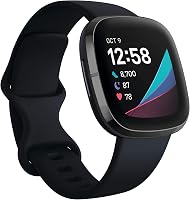
You can also compare the oxygen-sensor information for Apple Watch Series 10 and Apple Watch Series 11. A newer model does not make a wrist estimate equivalent to a clinical measurement.
Is a silicone band better for Apple Watch oxygen readings?
Silicone can be practical for exercise and sweat, while the main goal is still a stable, comfortable fit. The material alone does not make the oxygen sensor accurate.
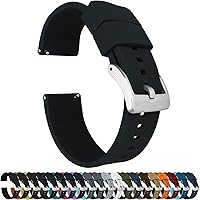
BARTON Elite Silicone Watch Bands use quick-release spring bars, include 2 lengths for the long side, and are made in several widths. The band is designed for compatible watches with the matching lug width.
Check the band width and wrist fit before choosing it. A band that is too loose can let the watch move, while one that is too tight may be uncomfortable and still will not solve poor circulation.
What should you do with an unusual reading?
Repeat an unusual reading under calm, stable conditions, then consider symptoms and professional advice. Do not use the watch alone to decide whether you need urgent care.
A low or changing result can reflect the watch, your circulation, the environment, or a real health issue. The number itself does not identify the cause.
Seek urgent medical help for severe breathing trouble, chest pain, blue or gray lips or skin, confusion, fainting, or rapidly worsening symptoms. For ongoing concerns, use a medical device recommended by a clinician.
Apple Watch ECG accuracy is a separate question because an ECG records electrical heart activity rather than oxygen saturation. Our guide to how accurate is an Apple Watch ECG explains what that feature can and cannot show.
For another wearable comparison, see how accurate is a Fitbit ECG sensor.
What is the bottom line on Apple Watch blood oxygen accuracy?
Apple Watch blood oxygen is most useful for repeated wellness tracking under similar conditions, not for diagnosing low oxygen. For a similar wearable estimate, see how Fitbit measures oxygen saturation.
Keep the watch steady, check the fit, repeat unexpected readings, and use medical equipment when a clinical measurement matters.
Pick a secure, correctly sized band if the watch shifts during readings. Choose the Fullmosa band for compatible watches when you want adjustable leather and quick release, or the BARTON band when you prefer silicone with 2 long-side lengths.
The key decision rule is simple: trust symptoms and clinical advice over a single Apple Watch oxygen number.
Frequently asked questions
How accurate is Apple Watch blood oxygen?
Apple Watch blood oxygen readings can be reasonably useful when the watch fits correctly and you stay still, but they are not a diagnosis. Movement, loose contact, cold skin, tattoos, circulation, and other factors can affect the reading.
Use a medical pulse oximeter and contact a clinician when symptoms or concerns persist.
Is Apple Watch oxygen sensor accurate enough for medical decisions?
No. Apple Watch oxygen readings should not be used alone for medical decisions or emergency checks.
The sensor estimates oxygen saturation through the skin, and the result can vary with fit, motion, temperature, and circulation.
Follow your clinician's advice and use approved medical equipment when you need a clinical measurement.
How can I get a better Apple Watch blood oxygen reading?
Wear the watch snugly on the top of your wrist, keep the watch and skin clean and dry, rest your arm on a table, and stay still during the measurement. A loose band, movement, cold skin, or poor contact can make a reading less reliable.
Repeat the measurement if the result seems unusual.
Can Apple Watch detect low oxygen levels?
Apple Watch can estimate blood oxygen on supported models and in supported regions, but a reading does not confirm a medical condition. The feature may be unavailable on some models or affected by regulatory restrictions.
Treat symptoms seriously and seek medical advice instead of relying on one watch reading.