Can Apple Watch Measure Oxygen Levels?
Some Apple Watch models can measure blood oxygen levels with the Blood Oxygen app, but support depends on the model, region, and whether the feature is enabled. The reading is for wellness reference, not diagnosis.
On this page (8 sections)
- Which Apple Watch models can measure oxygen levels?
- What does the Apple Watch blood oxygen sensor measure?
- What do you need before checking oxygen levels?
- How do you check oxygen levels on Apple Watch?
- What can make an Apple Watch oxygen reading fail?
- Can Apple Watch blood oxygen readings diagnose a problem?
- Can Apple Watch Series 10 and Series 11 measure oxygen?
- What should you check before buying an Apple Watch for oxygen readings?
Some Apple Watch models can measure blood oxygen levels with the Blood Oxygen app, but support depends on the watch model, region, and feature availability. The reading estimates oxygen saturation at your wrist for wellness reference, so it shouldn't replace a medical pulse oximeter or advice from a clinician.
The feature is separate from the Apple Watch ECG app. For that feature, see how to use ECG on Apple Watch Series 11.
A watch can support ECG while lacking blood oxygen access, or blood oxygen readings may be unavailable because of regional restrictions.
Which Apple Watch models can measure oxygen levels?
Apple Watch Series 6 and later main Series models generally have the hardware needed for blood oxygen readings, while Apple Watch SE models do not include the same sensor. Availability also depends on the country where the watch was bought and the feature status for that model.
Apple introduced the Blood Oxygen app with Apple Watch Series 6. Later Series models continued to include the sensor system, but newer models sold in some regions may have the feature disabled or unavailable because of legal or regulatory restrictions.
Apple Watch Ultra models also include blood oxygen hardware in supported configurations. Before buying a used or imported watch, check the exact model number and country support instead of relying only on the case name.
For a separate health feature, read our guide to which Apple Watch can check blood pressure. Blood oxygen and blood pressure are different measurements, and a blood oxygen sensor doesn't make a watch a blood pressure monitor.
Does Apple Watch SE measure oxygen levels?
Apple Watch SE models don't provide the same Blood Oxygen feature as supported Series and Ultra models. The SE line focuses on core Apple Watch functions and does not include the blood oxygen sensor used for the app.
If oxygen readings are a priority, confirm that the watch is a supported Series or Ultra model before you buy. Also check whether the feature works in your country and on the specific unit you plan to use.
What does the Apple Watch blood oxygen sensor measure?
The sensor estimates blood oxygen saturation, often shown as a percentage, by shining light into the skin and reading the reflected light. It uses red and infrared light through the back of the watch to estimate how much oxygen is carried in your blood.
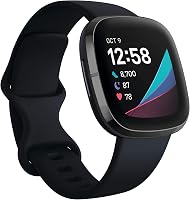
The result is commonly called SpO2. Learn how Fitbit measures oxygen saturation in its wearable guide.
It isn't the same as oxygen in the air around you, breathing rate, heart rate, or the ECG waveform.
A reading can change because of movement, a loose band, poor skin contact, cold skin, tattoos, or the watch sitting too far from the wrist. The number also doesn't explain why it changed.
Our guide to how accurate Apple Watch blood oxygen explains why a watch reading can differ from a fingertip pulse oximeter.
What do you need before checking oxygen levels?
You need a supported Apple Watch, the Blood Oxygen app, a compatible iPhone setup, and a snug fit on your wrist. The watch and iPhone should also run software that supports the feature in your region.
The Blood Oxygen app may already be installed on a supported watch. If it is missing, check the Watch app on the paired iPhone and confirm that the app is available for your model and country.
Wear the watch on the top of your wrist with the back touching your skin. The band should be secure without being painfully tight.
A loose strap can let light enter around the sensor and make the reading less consistent.
Can a replacement band help with Apple Watch oxygen readings?
A secure band can help the watch stay in the same position during a reading, but a band cannot add a blood oxygen sensor to an unsupported model. Choose the correct lug width and keep the sensor area clean.
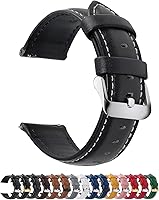
The Fullmosa 12/14/16/18/19/20/21/22/24mm Quick Release Leather Watch Band is a replacement option for compatible watches that use the matching width. Its quick-release design and adjustable eyelets can help you set a steady fit.
Measure the watch lugs before ordering. This band is not a way to enable oxygen measurements, and its listed compatibility focuses on other smartwatch and traditional-watch models.
How do you check oxygen levels on Apple Watch?
Open the Blood Oxygen app, keep your wrist still, and rest your arm on a table or other flat surface. The watch will guide you through the reading and save completed measurements when the feature is available.
To take a reading:
- Wear the watch on the top of your wrist.
- Open the Blood Oxygen app.
- Rest your wrist and keep the watch facing upward.
- Hold still during the countdown.
- Review the result after the measurement finishes.
You can review earlier readings in the Health app on the paired iPhone. Search for Blood Oxygen or browse the respiratory section, depending on the iPhone's current Health layout.
For a more detailed walkthrough, see how to check your oxygen level with Apple Watch.
If the app repeatedly fails, check the fit, clean the back of the watch, warm your wrist, and reduce movement. A failed reading doesn't automatically mean your oxygen level is low.
What can make an Apple Watch oxygen reading fail?
Movement and poor contact are the most common practical reasons for an incomplete or inconsistent reading. The watch needs a stable connection with your skin while the sensors collect data.
A band that is too loose can shift during the measurement. A band that is too tight can be uncomfortable and still may not position the sensor correctly if the watch is placed over the wrist bone.
Cold hands, tattoos, body hair, scars, and changes in skin contact can also affect optical sensors. Try another position on the wrist and follow the app's instructions.
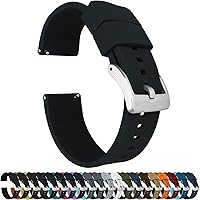
The BARTON Elite Silicone Watch Bands come in several widths and include quick-release spring bars, two lengths for the long side, and a locking feature for the free end.
Select the exact band width that matches the watch lugs. BARTON describes its 20mm band as compatible with several Samsung Galaxy Watch and Amazfit models, so confirm the fit for your Apple Watch before ordering.
Can Apple Watch blood oxygen readings diagnose a problem?
No. Apple Watch blood oxygen readings are not a diagnosis and should not guide urgent treatment on their own.
A single unusual number can result from fit, movement, sensor contact, or other factors.
Use the feature to observe general patterns when you feel well. If you have shortness of breath, chest pain, blue lips, confusion, fainting, or another urgent symptom, seek immediate medical help instead of waiting for another watch reading.
A fingertip pulse oximeter may be more suitable when a clinician has advised you to monitor oxygen at home. Even then, use the device and thresholds your clinician recommends.
The Apple Watch ECG feature answers a different question. For a rhythm recording, follow the Apple Watch Series 7 EKG guide.
For more context, read how accurate is an Apple Watch ECG.
Can Apple Watch Series 10 and Series 11 measure oxygen?
Apple Watch Series 10 and Series 11 oxygen support depends on the exact unit, region, and feature availability. The model name alone doesn't guarantee that the Blood Oxygen app will work.
Read our focused guide to the Apple Watch 10 oxygen sensor before choosing a Series 10 model. You can also compare the details in the Apple Watch 11 oxygen sensor guide if you're considering Series 11.
Imported, refurbished, and second-hand watches need extra care because the original sales region can affect feature access. Check the model number, activation setup, and current availability before assuming blood oxygen will appear.
If you want an ECG rather than oxygen readings, compare the best Apple Watch alternative for ECG and confirm that the device supports the feature you need.
What should you check before buying an Apple Watch for oxygen readings?
Confirm the exact model, region, Blood Oxygen app access, and iPhone compatibility before you buy. Then plan to wear the watch securely and treat its readings as wellness information.
Use this checklist:
- Choose a supported Series or Ultra model rather than assuming every Apple Watch has the sensor.
- Confirm that the Blood Oxygen feature is available in your country.
- Ask about regional restrictions on used or imported watches.
- Check that your iPhone and watch software can complete setup.
- Make sure the band fits the watch's lug width.
- Expect failed readings if you move or lose skin contact.
- Don't use the reading as a diagnosis or emergency test.
So, can Apple Watch measure oxygen levels? Yes, supported models can estimate blood oxygen, but the feature is not universal and the result is not medical advice.
Choose a supported watch if you want wellness trends, and choose a clinician-approved device when you need dependable home monitoring.
Frequently asked questions
Can Apple Watch measure oxygen levels?
Yes, supported Apple Watch models can measure blood oxygen with the Blood Oxygen app. The watch uses its sensors to estimate oxygen saturation at the wrist, but model, country, and software settings affect access.
Treat the result as a wellness reading, not a medical diagnosis.
Which Apple Watch models have a blood oxygen sensor?
Apple Watch Series 6 and later models in the main Series line introduced or continued blood oxygen hardware, while Apple Watch SE models do not include the same sensor. Availability can also vary by country and by when the watch was sold, so check the model and regional feature support.
How do I check oxygen levels on Apple Watch?
Open the Blood Oxygen app on a supported Apple Watch, keep your wrist still, and follow the on-screen instructions. The watch needs a snug fit and clear contact with your skin.
You can review saved readings in the Health app on the paired iPhone.
Is Apple Watch blood oxygen accurate enough for medical use?
Apple Watch blood oxygen readings are intended for general fitness and wellness, not medical decisions. Movement, a loose fit, skin contact, temperature, tattoos, and other factors can affect the result.
If you have symptoms or health concerns, contact a qualified health professional.