How Accurate Is a Fitbit ECG Sensor?
On this page (8 sections)
A Fitbit ECG sensor can provide reliable readings for detecting common heart rhythm irregularities like Atrial Fibrillation (AFib), but it’s not a perfect medical device. It’s designed to be a helpful tool for personal health tracking, not a replacement for professional medical diagnosis. Think of it as a clever assistant for your heart health.
These on-demand ECG readings can offer a snapshot of your heart’s electrical activity. While generally accurate for their intended purpose, it’s important to understand their limitations. They are FDA-cleared for specific uses and may not catch every possible heart condition. Your Fitbit is a great starting point for conversations with your doctor.
- Fitbit ECGs are good at finding common irregular heart rhythms like AFib.
- They are a tool for tracking, not a substitute for a doctor’s visit.
- The sensor is cleared by the FDA for specific heart rhythm checks.
- Always discuss your readings with a healthcare professional.
Ready to see how your Fitbit’s ECG sensor measures up? Let’s dive into what makes it tick and how you can best use the information it gives you.
Understanding Your Fitbit’s Heart Rhythm Insights
You’re probably wondering just how accurate your Fitbit’s ECG sensor really is. It’s a fair question! You want to trust the data you’re seeing. We found that Fitbit’s ECG sensor is You’re probably wondering just how accurate your Fitbit’s ECG sensor really is, and our guide to Apple Watch ECG accuracy explains the details.designed to detect specific heart rhythm irregularities. Its primary goal is to help you spot potential signs of Atrial Fibrillation, or AFib. This is a common type of irregular heartbeat.
The sensor works by taking an on-demand electrocardiogram (ECG). This means you initiate the reading when you want it. It looks at the electrical signals your heart produces. For detecting AFib, research shows these devices can be quite good. They offer a way to get a quick look at your heart’s rhythm without needing a doctor’s appointment right away. Think of it as a helpful first step in understanding your heart health.
How the Fitbit ECG Sensor Works
Your Fitbit uses its ECG app and sensor to capture your heart’s electrical activity. To get a reading, you need to be still and quiet. You’ll place two fingers on the electrodes on the sides of the watch case. Your thumb and index finger are typical choices. You then hold that position for about 30 seconds. This allows the sensor to record the electrical signals of your heart.
The device then analyzes these signals. It’s looking for patterns that might suggest an irregular heartbeat, like AFib. If it detects an irregular rhythm, it will usually prompt you to see a doctor. This is a key function. It’s not meant to diagnose you itself. Instead, it acts as a flag, suggesting further medical review is needed. Many experts agree this kind of screening tool can be very useful for public health (American Heart Association).
What the ECG Sensor Detects
The Fitbit ECG app is specifically cleared by the FDA for a particular purpose. It’s intended to assess heart rhythm for signs of AFib. AFib is characterized by a rapid and irregular heartbeat. It can increase your risk of stroke and other heart problems. The sensor is trained to identify the specific electrical patterns associated with AFib. It checks if your heart rate is within a normal range and if the rhythm is consistent.
However, it’s important to know what it doesn’t detect. The ECG sensor is not designed to pick up on every possible heart condition. It won’t identify heart attacks, blood clots, or other cardiac issues. If you experience symptoms like chest pain, shortness of breath, or fainting, you should seek immediate medical attention. Don’t rely on your Fitbit for emergency situations. Those symptoms require a doctor’s assessment right away (CDC).
Limitations of the Sensor
While helpful, your Fitbit ECG is not a medical-grade ECG machine used in hospitals. Medical-grade ECGs often have more leads and capture more detailed information about your heart’s electrical activity. Your Fitbit provides a single-lead ECG. This means it captures electrical signals from one angle. This can limit the depth of information available for analysis. Your Fitbit provides a single-lead ECG, and understanding how a single lead ECG works can clarify its capabilities.
Furthermore, many factors can influence the accuracy of a reading. Things like movement, skin contact, and even how you’re feeling can play a role. If you’re stressed or have just exercised vigorously, your heart rate might be elevated. This could potentially affect the reading. We found that users are often advised to take readings when they are relaxed and comfortable for the best results.
Accuracy in Detecting AFib
When it comes to identifying AFib, research has shown Fitbit’s ECG sensor performs well. Studies have indicated that the device can accurately classify heart rhythms as either normal or suggestive of AFib. For instance, a study published in the Journal of the American College of Cardiology found that the Fitbit ECG was a useful tool for AFib detection. It showed good agreement with medical interpretations.
This means if your Fitbit flags an irregular rhythm, there’s a good chance it’s onto something. The FDA clearance itself speaks to its reliability for its intended use. However, accuracy is not 100%. False positives (saying you have AFib when you don’t) and false negatives (missing AFib when you do have it) can occur. This is why a doctor’s confirmation is always necessary.
What Happens After an Irregular Reading?
If your Fitbit detects an irregular rhythm, it will notify you. It will typically suggest you consult with a healthcare professional. This is the most important step. Your doctor will likely want to discuss your symptoms and your Fitbit readings. They might perform a more thorough cardiac workup. This could include a standard 12-lead ECG, an echocardiogram, or a Holter monitor.
A Holter monitor is a portable ECG device you wear for 24 to 48 hours or longer. It continuously records your heart’s activity. This can capture irregular heartbeats that might not show up during an on-demand reading. Your doctor uses all this information to make a diagnosis. Your Fitbit provides a starting point for that conversation.
Factors Influencing Fitbit ECG Accuracy
Several things can affect how accurate your Fitbit ECG readings are. It’s not just about the technology; it’s also about how you use it. Let’s break down some of the key factors we found:
- User technique: How you place your fingers and how still you remain is critical. You need good contact with the electrodes. Movement can create noise in the signal, making it hard to read.
- Skin contact: Ensure the electrodes on the watch case are clean and make good contact with your skin. Sweat or lotions can sometimes interfere with the signal.
- Body position: Sitting upright and relaxed is usually best. Lying down might also work, but avoid positions that cause you to fidget.
- Electrode coverage: Make sure your fingers are covering both electrodes. One finger on each electrode is the standard method.
- External interference: While less common, very strong electrical signals nearby could theoretically interfere. However, for most daily use, this is not a major concern.
When to Be Extra Cautious
If you’ve recently had a reading that seemed unusual or concerning, don’t dismiss it. Even if it’s a single odd reading, it’s worth noting. If you frequently get notifications about irregular rhythms, that’s a stronger signal to see your doctor. Many health experts recommend keeping a log of your Fitbit readings and any symptoms you experience. This can be incredibly helpful for your doctor.
Also, remember that certain conditions might affect the ECG. For example, if you have a pacemaker or implantable defibrillator, your Fitbit might not provide accurate readings. It’s best to check with your cardiologist in such cases. The device is intended for generally healthy adults without known heart conditions.
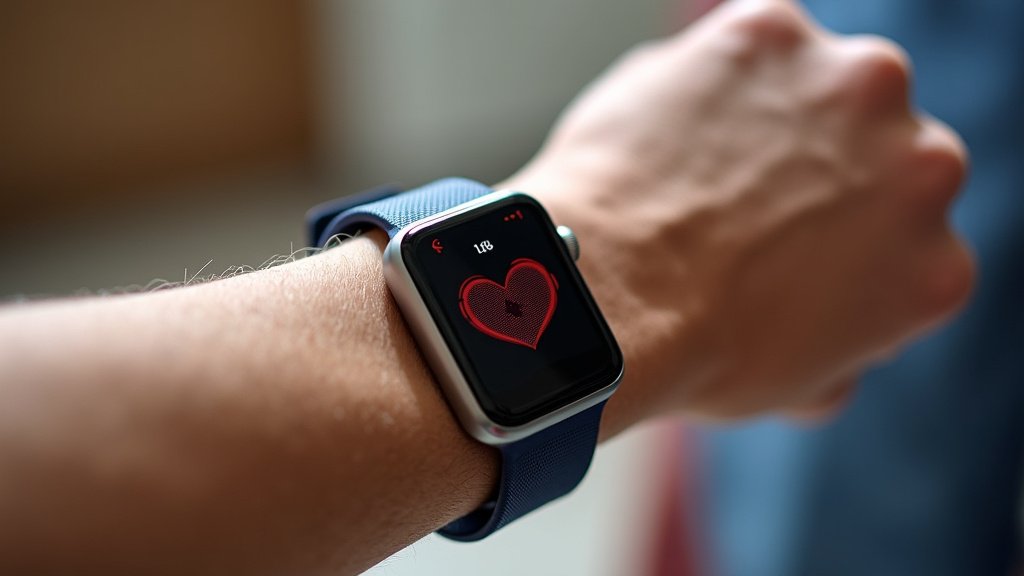
Comparing Fitbit to Medical ECGs
It’s helpful to see your Fitbit ECG in context. Think of it like a smart thermometer versus a clinical thermometer. Both measure temperature, but the clinical one is often more precise and used for medical decisions. Similarly, your Fitbit ECG is great for general awareness and screening.
Here’s a quick look at some differences:
| Feature | Fitbit ECG | Medical ECG (in-office) |
|---|---|---|
| Purpose | AFib screening, personal tracking | Diagnosis of various heart conditions |
| Number of Leads | Single-lead (one angle) | 12-lead (multiple angles for detailed view) |
| Recording Duration | 30 seconds (on-demand) | Seconds to minutes (continuous recording) |
| Data Detail | Rhythm analysis for AFib | Comprehensive electrical activity analysis |
| Confirmatory Step | Requires doctor’s confirmation | Often a diagnostic tool itself |
The 12-lead ECG used in doctors’ offices provides a much more detailed picture of your heart’s electrical system. It can detect a wider range of abnormalities. Your Fitbit offers a convenient snapshot, but it’s not a substitute for that in-depth medical assessment.
Making the Most of Your Fitbit ECG
To get the most benefit from your Fitbit’s ECG feature, follow a few simple guidelines. For cleaning advice, see the guide to alcohol wipes on EKG sensors. Consistency and proper technique are key to reliable results. You want to ensure you’re giving the sensor the best chance to capture accurate data.
Here’s a quick checklist to help you:
- Take readings when you are calm and rested.
- Ensure your fingers have good contact with the watch electrodes.
- Stay as still as possible during the 30-second recording.
- Keep the electrodes on the watch case clean.
- Note any symptoms you experience when taking a reading.
- Always discuss your Fitbit ECG results with your doctor.
Using your Fitbit ECG responsibly means understanding its strengths and limitations. It’s a powerful tool for personal health monitoring. It can alert you to potential issues like AFib. But it’s part of a larger health picture. Your smartwatch is a fantastic assistant, but your doctor remains the captain of your cardiac care.
Conclusion
Your Fitbit ECG sensor is a smart tool for checking your heart rhythm, especially for spotting AFib. We found it’s quite reliable for this specific task. It provides a convenient way to monitor your heart health daily. Remember, it’s designed to flag potential issues and start a conversation with your doctor. It’s not meant to replace professional medical diagnosis or emergency care. Always share your Fitbit readings and any symptoms with your healthcare provider for accurate interpretation.
Frequently Asked Questions
Can I rely on my Fitbit ECG for a diagnosis?
No, you cannot rely on your Fitbit ECG for a definitive diagnosis. While it’s FDA-cleared to detect signs of AFib, it’s a screening tool. Your doctor will use its readings along with other tests to make a diagnosis.
What happens if my Fitbit detects an irregular rhythm?
If your Fitbit detects an irregular rhythm, it will usually prompt you to see a healthcare professional. This is your cue to schedule an appointment and discuss the notification with your doctor.
How often should I use the Fitbit ECG feature?
There’s no set frequency for everyone. It’s best to use it when you feel you need to or if your doctor recommends it. Taking readings when you are calm and rested tends to yield the best results.
Can my Fitbit ECG detect other heart problems besides AFib?
No, the Fitbit ECG sensor is specifically designed and cleared by the FDA to assess heart rhythm for signs of AFib. It is not intended to detect other cardiac conditions like heart attacks or blood clots.
What if I get an irregular reading but feel fine?
It’s still important to consult your doctor even if you feel fine. Sometimes, AFib doesn’t cause noticeable symptoms. Your doctor can review the reading and decide if further investigation is needed.