How Does Fitbit Measure Oxygen Saturation?
Fitbit measures oxygen saturation with red and infrared light sensors on compatible devices. It estimates the percentage of oxygen in your blood during sleep and shows the result in the Fitbit app or on certain clock faces.
On this page (10 sections)
- How does Fitbit measure oxygen saturation?
- Can Fitbit measure blood oxygen levels?
- Where does Fitbit show oxygen saturation data?
- What is oxygen variation in Fitbit?
- Why can Fitbit oxygen readings vary?
- Which accessories can help with a Fitbit setup?
- How can you get a more useful Fitbit blood oxygen estimate?
- What should you do if Fitbit SpO2 is not working?
- How accurate is Fitbit oxygen saturation?
- What does Fitbit blood oxygen level mean?
Fitbit measures oxygen saturation by shining red and infrared light into the skin and analyzing the reflected light with optical sensors. Compatible Fitbit devices collect these signals during sleep, then estimate your blood oxygen level as a percentage called SpO2.
Red light and infrared light travel through blood in different ways depending on how much oxygen it carries. The sensor measures small changes in the reflected signal and uses them to build an estimate for the night.
The result helps show general overnight patterns. It does not diagnose a condition, replace a medical device, or confirm that a single reading is correct.
That limit matters because the estimate depends on fit and contact. A device that shifts, sits too loosely, or loses contact can collect weaker data, even when the sensor itself is working.
It is most useful when you follow the same routine across several nights. Similar wear time, similar placement, and a clean sensor give you a fairer basis for comparison.
Think of the number as a starting point for observation. Trends over time carry more weight than one value on one morning.
You should also check that your model supports the feature before you expect to see it. Software and display options vary by device, so compatibility sets the first boundary.
How does Fitbit measure oxygen saturation?
Fitbit uses pulse oximetry-style sensors built into the back of a compatible device. Red and infrared light interact differently with oxygen-rich and oxygen-poor blood, and the device uses those differences to estimate oxygen saturation.
The watch or tracker needs steady contact with your wrist. Fitbit generally collects the most useful data while you sleep because less movement makes it easier for the sensors to read the reflected light.
This process is similar in principle to a fingertip pulse oximeter, but the device location and measurement conditions are different. Fitbit's estimate should therefore be treated as wellness information rather than a clinical result.
Can Fitbit measure blood oxygen levels?
Yes, some Fitbit devices can measure or estimate blood oxygen levels during sleep. The feature is not available on every Fitbit model, and the exact display depends on the device, Fitbit app, clock face, and region.
The estimate may appear as a percentage, an overnight range, or an average connected to a sleep session. Fitbit may also show changes over time instead of presenting one number as a final health judgment.
Before relying on the feature, check which Fitbit monitors blood oxygen to confirm whether your model supports it. Compatibility matters because installing an SpO2 clock face cannot add sensors that a device does not have.
Where does Fitbit show oxygen saturation data?
Fitbit usually places oxygen saturation data in the Health Metrics section of the Fitbit app. Open the app after syncing, then review the overnight health measurements connected with your sleep period.
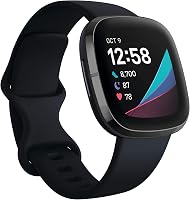
Some compatible Fitbit devices can show SpO2 through a clock face. A clock face may display the latest value or a range, while the app gives you a broader view of the collected data.
The information may not appear immediately after waking. Sync the device, keep the app open long enough to finish, and check that the device was worn during sleep.
For Sense owners, how to install SpO2 on Fitbit Sense explains the setup path. Installation is only one part of the process, since the device still needs a secure fit and enough usable sleep data.
What is oxygen variation in Fitbit?
Oxygen variation describes changes in estimated oxygen levels during sleep rather than one confirmed oxygen percentage. Fitbit uses the pattern to show whether your readings stayed fairly steady or varied during the night.
A variation chart can help you notice repeated changes across several nights. It should not be used by itself to identify the cause of those changes.
Movement, a loose fit, pressure from sleeping on the device, and gaps in data can all change the pattern. Those factors make the chart a prompt for closer review rather than a direct answer.
Learn more about what oxygen variation in Fitbit means before interpreting a graph. Look for repeated patterns, not one unusual night caused by movement, fit, or incomplete data.
A steady pattern on most nights tells a different story from a single disrupted night. Compare sleep length and fit as well, because both affect how clean the signal is.
If variation appears often, keep notes on how the device was worn and how well you slept. That context helps you decide whether the next step is a fit check or a conversation with a health professional.
Why can Fitbit oxygen readings vary?
Fitbit oxygen readings can vary because the sensors need stable skin contact and a clear optical signal. Movement, a loose band, a tight band, cold skin, and sleeping on the device can all affect the measurement.
The device's position also matters. Wear it as instructed, keep the sensor area clean and dry, and avoid placing the tracker so loosely that it shifts while you sleep.
A damaged or dirty sensor surface can interfere with contact. A protective accessory can also matter if it covers the device incorrectly or traps moisture around the watch.
Which accessories can help with a Fitbit setup?
A replacement band can help when your current band no longer holds the device securely. The Picowe Watch Band Strap is a soft rubber replacement with 15 adjustment holes and compatibility with Suunto Ambit 1, 2, 2S, 2R, 3 Sport, 3 Run, and 3 PEAK models.
It includes 1 black watch band strap and 1 screwdriver. The screws are not included, so check whether your existing screws can be reused before replacing the band.
This accessory is for compatible Suunto Ambit watches, not a general Fitbit band. Choose it only if the device fit matches the listed compatibility.
A screen protector case can help protect a compatible smartwatch during daily wear. The BHARVEST [8 Pack] Screen Protector Case Compatible fits Samsung Galaxy Watch Active 2 40mm and uses a TPU bumper with a screen protector.
The case covers the watch body and screen, while its design allows access to ports and buttons. Remove it before swimming or showering because moisture may collect between the case and the screen.
This case is for Samsung Galaxy Watch Active 2 40mm, not Fitbit devices. It belongs in this guide as a general smartwatch accessory example, but it cannot add SpO2 tracking to a Fitbit.
How can you get a more useful Fitbit blood oxygen estimate?
Wear the device consistently during sleep and keep the sensor in steady contact with your skin. Follow Fitbit's fit guidance, avoid wearing the device over clothing, and keep the sensor surface clean.
Don't tighten the band so much that it becomes uncomfortable. A secure fit should limit shifting without causing pain, numbness, or skin irritation.
Keep the device charged before bed and sync it after waking. Missing data can result from a short sleep session, movement, poor contact, or a device that did not complete its reading.
For model-specific steps, see how to use SpO2 tracking on Fitbit Charge 6 or how to use SpO2 tracking on Fitbit Inspire 3.
What should you do if Fitbit SpO2 is not working?
Check compatibility, clock face installation, device fit, battery level, and syncing first. These checks address the most common reasons that a blood oxygen estimate does not appear.
If the result remains missing, use the steps in why is Fitbit SpO2 not working. Charge the device, restart it if appropriate, and confirm that the Fitbit app is up to date.
Charge 6 users can also review why Fitbit Charge 6 SpO2 is not working. Keep the device on your wrist during sleep and allow enough time for the app to sync after waking.
How accurate is Fitbit oxygen saturation?
Fitbit oxygen saturation is useful for observing general overnight patterns, but it is not a clinical measurement. The estimate can be affected by movement, wrist position, circulation, skin contact, and the way the device sits during sleep.
Do not treat one low or unusual result as a diagnosis. If you have symptoms, repeated concerns, or a reading that conflicts with a medical device, speak with a qualified health professional.
Our guide to how accurate Fitbit oxygen saturation explains the main limits in more detail. A medical pulse oximeter or clinical test may be more suitable when you need a measurement for health care.
Fitbit's oxygen feature also differs from ECG tools. An ECG can record electrical activity from the heart, but it does not measure blood oxygen.
See can an ECG monitor track blood pressure too for the difference between wearable measurements, and can you use an EKG to track stress levels for another example of what ECG data can and cannot show.
What does Fitbit blood oxygen level mean?
Your Fitbit blood oxygen level is an estimate of oxygen saturation collected under specific conditions, usually during sleep. It is most useful when you compare similar nights and consider the fit, sleep duration, and data quality.
Fitbit can measure oxygen saturation only on compatible devices with the required sensors and software support. Check the model first, wear it securely, and use the app's Health Metrics view to review the result.
If you want a quick decision rule, use Fitbit SpO2 for broad overnight trends, not diagnosis. Investigate missing data through compatibility and fit checks, and ask a health professional about persistent symptoms or concerning readings.
Frequently asked questions
Can Fitbit measure blood oxygen levels?
Yes, compatible Fitbit devices can estimate blood oxygen saturation, also called SpO2, during sleep. Fitbit uses red and infrared sensors to analyze light reflected from your wrist.
The result is an estimate, not a medical diagnosis, and availability depends on the device, region, app setup, and clock face.
Where does Fitbit show blood oxygen data?
Fitbit usually shows blood oxygen estimates in the Health Metrics section of the Fitbit app after a sleep session. Some compatible devices can also show an SpO2 value or range through an SpO2 clock face.
Sync the device and allow time for the data to appear.
Why is Fitbit SpO2 missing?
Fitbit SpO2 may be missing because the device is not compatible, the clock face is not installed, the device did not collect enough sleep data, or syncing has not finished. A loose fit, movement, cold skin, and a blocked sensor can also affect collection.
Is Fitbit oxygen saturation accurate?
Fitbit oxygen saturation is an estimate intended for general wellness, not a replacement for a medical pulse oximeter or clinical test. Readings can vary with movement, fit, skin contact, sleep position, circulation, and device conditions.
Contact a health professional about symptoms or persistent concerns.