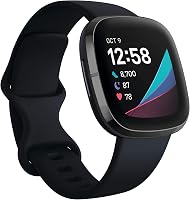
How to Use SpO2 Tracking on Fitbit Charge 6
Use the SpO2 feature on Fitbit Charge 6 during sleep, then sync the device with the Fitbit app to view your oxygen saturation trend. The reading is for general wellness, not medical diagnosis.
On this page (7 sections)
- How do you set up Fitbit Charge 6 SpO2 tracking?
- How does Fitbit Charge 6 collect SpO2 data during sleep?
- Where do you see Fitbit Charge 6 SpO2 results?
- What should you do if Fitbit Charge 6 SpO2 is not working?
- How should you interpret a Fitbit Charge 6 SpO2 trend?
- Can accessories affect Fitbit Charge 6 SpO2 tracking?
- How do you get the best Fitbit Charge 6 SpO2 reading?
Use Fitbit Charge 6 SpO2 tracking by wearing the device during sleep, adding an SpO2 clock face or app if needed, and syncing with the Fitbit app after waking.
The app is the main place to review oxygen saturation trends, while the device can show a current or recent value when the feature is installed.
That routine suits people who already wear a tracker to bed and want a simple wellness trend to check in the morning. It is less suited to anyone expecting an instant daytime reading, because overnight wear gives the tracker more time to collect data.
SpO2 means peripheral oxygen saturation, an estimate of the oxygen level in your blood. For background, see how Fitbit measures oxygen saturation.
The estimate is taken from the wrist, so fit and skin contact matter. Wear the tracker snugly enough that it stays in place when you turn over in bed.
Keep the sensor area clean and dry before putting the device on for the night. Charge it before bed if the battery looks low, since a flat tracker cannot record a full sleep period.
After waking, open the Fitbit app and let the Charge 6 sync before judging whether data is present. Give the sync a little time, especially if the phone was not nearby when you woke up.
The app view is usually clearer than the small screen, because it places the result beside other sleep and health information. Check the result as part of a pattern over several nights, rather than reacting to one isolated value.
Note conditions around the night, such as travel, a late bedtime, a disrupted sleep, or a looser band than usual. Those details help you avoid reading too much into a change from a poor fit or short night.
Treat the result as general wellness information, not as a medical measurement or diagnosis. If the feature is missing, check the installed clock face or app first, then confirm the tracker is charged and syncing.
How do you set up Fitbit Charge 6 SpO2 tracking?
Set up SpO2 tracking through the Fitbit app, then wear the Charge 6 overnight. The exact menu names can change with app updates, but the feature is generally added through the device's clock face or available apps.
Open the Fitbit app and select your Charge 6. Look for the clock face or app area, then choose an option that includes SpO2 or oxygen saturation.
Follow the setup instructions and allow the device to sync.
Keep the Charge 6 charged before bed. For another Fitbit model, see how to charge Fitbit Sense 2.
Wear it firmly enough to keep the sensor against your skin, but not so tightly that it feels uncomfortable.
A loose or shifting fit can make overnight data less useful.
If you also use another Fitbit tracker, the setup path may look different. The Fitbit Inspire 3 SpO2 guide explains the same general process for that model.
How does Fitbit Charge 6 collect SpO2 data during sleep?
Fitbit Charge 6 collects SpO2 estimates while you sleep, when the tracker can remain on your wrist for a longer period.
Movement, an uneven fit, and a short or interrupted sleep period can affect whether a reading appears. Sleep helps because the device stays in one position for hours, giving it a steadier chance to collect usable data.
The tracker uses sensors on the underside of the device. These sensors shine light into the skin and examine the returning signal to estimate oxygen saturation.
The underside position is why the back of the tracker needs to sit directly against the wrist. A case, sleeve, or loose band that lifts that area away from the skin can make the signal less consistent.
This is different from a medical-grade test taken with a dedicated device. A dedicated device is made for a specific measurement setting, while a wrist tracker estimates through everyday wear.
Fitbit may present the result as a nightly value or a trend. Look for patterns across several nights instead of treating one number as a diagnosis.
SpO2 is only one health metric. Sleep duration, breathing changes, altitude, illness, skin contact, and device position can all affect how useful a single reading is.
Altitude can change the conditions under which the estimate is collected. Illness and congestion can also change a night, so the number alone does not explain the cause.
Device position matters too, especially if the tracker shifts during sleep or sits over a bony area. Check the fit in the evening and again if you notice the band has loosened by morning.
For daily use, focus on consistent wear, a clean sensor, and a stable band position. Sync after waking so overnight data is available in the app.
Compare a few recent nights before drawing any conclusion about a change. Keep notes about sleep quality, travel, or symptoms separately from the tracker result.
That separation helps you see what the device recorded without asking it to explain why. Over time, that habit makes the trend easier to read and keeps the focus on general wellness information rather than medical judgment.
Where do you see Fitbit Charge 6 SpO2 results?
Open the Fitbit app and select the oxygen saturation or health metrics area after syncing the Charge 6. The app gives you a clearer view of recent readings and longer-term patterns than the small tracker screen.
Sync after waking and give the app time to finish importing the overnight data. If the result does not appear immediately, keep the phone and tracker nearby, confirm Bluetooth is enabled, and try another sync.
An SpO2 clock face or app may show a value on the Charge 6 itself. That display is useful for a quick check, but the app is the better place to compare nights.
Read the result as an estimate. Fitbit explains that its oxygen saturation feature is intended for general wellness and is not meant to diagnose or treat a medical condition.
What should you do if Fitbit Charge 6 SpO2 is not working?
Check the fit, battery, feature setup, and sync before assuming the sensor has failed. Most missing readings are easier to investigate when you work through those basics in order.
First, charge the tracker and wear it overnight with the back of the device touching your skin. Avoid wearing it over clothing, and keep the band secure without making it painful.
Next, open the Fitbit app and confirm that the SpO2 feature is still installed. Sync the device manually after waking, then check the health metrics page again.
A short sleep period or frequent movement can leave you without a usable result. Try again on another night after charging the tracker and checking the band position.
For a focused troubleshooting sequence, read why Fitbit Charge 6 SpO2 is not working.
How should you interpret a Fitbit Charge 6 SpO2 trend?
Use the trend as general wellness information, not as a medical measurement. A change from your usual pattern may be worth noticing, but one reading does not explain why it changed.
Compare readings from similar nights and consider factors such as travel, altitude, sleep disruption, congestion, or a different band fit. Keep notes about symptoms separately because the tracker cannot explain the cause of a reading.
Do not use Fitbit Charge 6 SpO2 data to decide whether to start, stop, or change treatment. If you have symptoms such as serious breathing trouble, chest pain, confusion, or blue lips, seek urgent medical help rather than waiting for a wearable reading.
For more context about limitations, see how accurate Fitbit oxygen saturation tracking is.
Can accessories affect Fitbit Charge 6 SpO2 tracking?
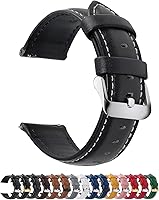
A secure, comfortable band can help keep a wearable in a steady position, but an accessory must fit the exact device model. The two products below are for other watch models, so they should not be treated as Fitbit Charge 6 replacements.
The Picowe band is a soft rubber replacement with 15 adjustment holes, a clasp closure, a screwdriver, and compatibility with listed Suunto Ambit models. It does not state Fitbit Charge 6 compatibility.
Choose it only for one of the listed Suunto Ambit devices. The package includes 1 black band and 1 screwdriver, but screws are not included, so check whether your existing screws can be reused.
The BHARVEST case is an 8-pack of TPU screen protector cases for the Samsung Galaxy Watch Active 2 40mm. Its stated fit is for that Samsung model, not Fitbit Charge 6.
The case has a screen protector and is designed to be removed before swimming or showering so moisture does not stay between the case and screen. Confirm the model before buying any protective accessory, since a case that shifts over the sensor can interfere with normal wear.
For another device-specific comparison, see how accurate a Fitbit ECG sensor is. ECG and SpO2 are different measurements, so one feature cannot substitute for the other.
How do you get the best Fitbit Charge 6 SpO2 reading?
Wear the Charge 6 consistently overnight, keep the sensor clean and dry, and sync soon after waking. Consistent use makes trends easier to interpret than occasional readings.
Keep the band secure and check that the tracker has enough battery for the full sleep period. Clean the sensor area according to Fitbit's care guidance, and avoid adding a case or band that is not made for the Charge 6.
If you need to charge a separate health device, our guide to how to charge an ECG monitor covers general charging habits. ECG monitors and Fitbit trackers use different systems, so follow each device's own instructions.
Fitbit Charge 6 SpO2 tracking works best as a long-term wellness trend. Set it up, wear it during sleep, sync the app, and treat unusual readings as a reason to consider the wider context rather than as a diagnosis.
Frequently asked questions
How do I turn on SpO2 tracking on Fitbit Charge 6?
Open the Fitbit app and check the device's available clock faces or apps for an SpO2 option. Add the feature if needed, wear the Charge 6 during sleep, and sync it after waking.
Availability can depend on your region, account, device settings, and Fitbit software.
Where can I see SpO2 data from Fitbit Charge 6?
Sync the Charge 6 with the Fitbit app, then open the health metrics area and select Oxygen Saturation or SpO2. You may also see the value on the device if an SpO2 clock face or app is installed.
The app is better for viewing trends across several nights.
Why is Fitbit Charge 6 SpO2 data missing?
Missing data can result from a loose fit, too little sleep data, movement, a disrupted sleep period, low battery, or a device that has not synced. Charge the tracker, wear it snugly, sync again, and check that the SpO2 feature is installed and available in your region.
Is Fitbit Charge 6 SpO2 accurate enough for medical decisions?
No. Fitbit Charge 6 SpO2 readings are wellness estimates and should not replace a medical pulse oximeter or advice from a clinician.
Trends can provide context, but a concerning symptom or repeated concern should be discussed with a qualified health professional.