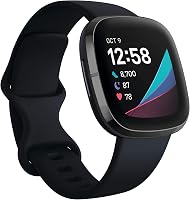
How Does Apple Watch Sleep Tracking Work?
Apple Watch sleep tracking works by using wrist sensors, your sleep schedule, and the Health app to estimate sleep time and stages. It records signals such as movement and heart rate, then presents the results as sleep trends rather than a medical diagnosis.
On this page (8 sections)
- How does Apple Watch sleep tracking work overnight?
- How do you set up Apple Watch sleep tracking?
- What do Apple Watch sleep stages mean?
- How should you wear an Apple Watch for better sleep data?
- Can an Apple Watch track naps?
- Which alternatives help with everyday sleep tracking?
- How can you make Apple Watch sleep data more useful?
- What is the simplest way to understand Apple Watch sleep tracking?
Apple Watch sleep tracking works by combining wrist movement, heart rate signals, and your sleep schedule to estimate when you are asleep, awake, and moving between sleep stages. The Health app then organizes those estimates into nightly results and longer-term trends.
The watch does not directly measure your thoughts or confirm every sleep stage. It makes an estimate from sensor data, so the results are best used to notice patterns in your routine.
How does Apple Watch sleep tracking work overnight?
Apple Watch uses sensors on your wrist to estimate sleep and wake periods. Movement is a key signal, while heart rate and other available measurements add context to the overnight record.
When you wear the watch in bed, its accelerometer detects whether your wrist is still or moving. A quiet period may match sleep, while movement may suggest wakefulness, but stillness alone cannot prove that you are asleep.
The Health app uses this information with your sleep schedule and Sleep Focus settings. That combination helps separate planned sleep time from the times you actually appear to be asleep.
For a broader explanation of wrist-based sensors, see how sleep tracking watches work.
What does Apple Watch measure during sleep?
Apple Watch can record sleep duration, time in bed, sleep stages, heart rate, and related overnight measurements, depending on the watch model, operating system, and settings. Some models also support respiratory information and wrist temperature features.
Check Apple Watch blood oxygen availability for details. For reliability context, read Apple Watch blood oxygen accuracy.
Sleep stages are usually shown as awake, REM, core, and deep. These labels are estimates based on patterns in movement and other sensor signals, not direct readings from the brain.
The most useful result for many people is the pattern across several nights. One unusual night may reflect a late meal, travel, stress, illness, a different bedtime, or a watch that was too loose.
How do you set up Apple Watch sleep tracking?
Set up a sleep schedule in the Health app, enable Sleep Focus, and wear the watch overnight. The exact menu names can vary by iPhone and watch software version.
A practical setup usually includes these steps:
- Open the Health app on your iPhone.
- Choose the Sleep section and create a sleep schedule.
- Set your target bedtime and wake time.
- Turn on Sleep Focus if you want fewer alerts at night.
- Charge the watch before bed or use a charging routine that leaves enough power for overnight use.
- Wear the watch snugly on your wrist while you sleep.
- Check the result in the Health app the next morning.
Your schedule is a target, not a guarantee. If you go to bed earlier, wake during the night, or sleep at a different time, the recorded result may not match the planned window exactly.
If you use another brand, our guide to Samsung Watch sleep tracking explains a similar setup process for Galaxy Watch users.
What do Apple Watch sleep stages mean?
Sleep stages are estimates that divide the night into broad periods of wakefulness, REM, core, and deep sleep. They can help you compare nights, but they should not be treated as a clinical report.
Awake periods include times when you are clearly up or moving enough for the watch to detect a change. Short awakenings may be missed, especially if you remain still.
Core sleep is a broad stage used for much of the night. Deep sleep is generally shown as a smaller portion, while REM sleep is linked with periods when dreaming is more likely.
The watch estimates these stages from sensor patterns rather than measuring brain waves.
A sudden change in one stage does not automatically mean something is wrong. Look at bedtime, wake time, total sleep, and repeated patterns together.
How is Apple Watch sleep tracking different from a sleep study?
A sleep study uses clinical equipment and may measure brain activity, breathing, oxygen levels, muscle activity, and eye movement under controlled conditions. Apple Watch sleep tracking uses a wrist device for everyday trend monitoring.
That makes the watch easier to use at home, but it also limits what it can confirm. It cannot independently diagnose sleep apnea, insomnia, restless legs syndrome, or another sleep disorder.
If you regularly wake gasping, feel unusually sleepy during the day, or have ongoing sleep problems, speak with a health professional.
How should you wear an Apple Watch for better sleep data?
Wear the watch comfortably snug, with the sensors touching your skin and the band secure enough to avoid sliding. A loose fit can create gaps in the sensor readings, while an overly tight fit can cause discomfort.
Clean and dry the watch and your skin before bed. If you switch wrists, change bands, or remove the watch for part of the night, make a note of it when comparing results.
Battery planning also matters. Charge before bed if the watch has enough power for the night, or charge earlier in the day.
A missing night is more useful as an absence of data than as a result to interpret.
For general smartwatch sleep routines, how to track sleep with a smartwatch covers fit, charging, schedules, and everyday use.
Can an Apple Watch track naps?
Apple Watch can record some daytime sleep when you wear it and the software recognizes a sleep period. Nap results may be less consistent than overnight tracking because naps are shorter and may not follow your sleep schedule.
A short nap can also be confused with quiet sitting or reading. Check whether the timing matches your actual rest before using it to compare one day with another.
If naps become necessary because you feel tired most days, focus on the larger pattern and discuss persistent fatigue with a health professional.
Which alternatives help with everyday sleep tracking?
Apple Watch is not the only wearable that can record sleep-related trends. These options can help readers who use Android phones, prefer longer battery life, or want a simpler watch-based tracker.
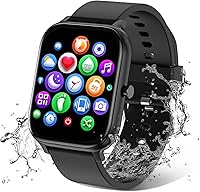
Who may prefer the TORJALPH smartwatch?
The TORJALPH Smart Watch for Men Women Compatible may suit someone who wants sleep monitoring alongside heart rate, blood oxygen, steps, notifications, and multiple exercise modes. It supports Android 5.0+ and iOS 9.0+ smartphones, uses Bluetooth, and has a silicone band.
Its stated features include sleep monitoring, heart rate, blood pressure, and blood oxygen measurements. Those health readings are for general tracking and should not replace medical equipment or advice.
The watch also includes call and message notifications, weather information, music control, a remote camera feature, and 12 sports modes. Check phone compatibility and fit before ordering.
Who may prefer the Tensky smartwatch?
The Tensky Smart Watch for Men/Women Android/iPhone/Samsung may fit readers who want sleep stages, stress tracking, heart rate, blood oxygen monitoring, calls, notifications, and many exercise modes in one watch.
Tensky describes sleep analysis through its app with deep, light, and awake results. It supports iPhone and Android phones, includes a 3ATM water-resistance rating, and has a silicone band.
The watch also includes cycle tracking, sedentary and water reminders, weather forecasts, music control, and a remote camera function. Its health features are for lifestyle tracking, not diagnosis.
Who may prefer the aeac smartwatch?
The aeac Smart Watch for Women may suit someone who wants sleep analysis, heart rate, blood oxygen, stress tracking, activity routes, and a smaller rose-gold watch design.
The aeac watch supports iPhone and Android smartphones, including many iPhone 6 and newer models and a range of Android brands. It includes a metal band, Bluetooth communication, and GPS via a smartphone.
Its other features include calls, voice commands, message notifications, music control, cycle tracking, and more than 200 watch faces. Measure your wrist and check phone compatibility before ordering.
Readers who want sleep data without wearing a watch can also compare the best smart ring with ECG and sleep tracking.
How can you make Apple Watch sleep data more useful?
Use Apple Watch sleep tracking to compare routines over time, not to judge one night in isolation. Watch for repeated changes in bedtime, wake time, total sleep, and how often you wake.
Keep your sleep schedule close to your real routine. Wear the watch consistently, charge it before bed, and avoid comparing nights when the watch was removed for a long period.
Write down major changes such as travel, illness, late exercise, alcohol, or a different wake time. These details can explain a result that looks unusual.
Apple Watch health features can also show other information, but a sleep tracker and an ECG serve different purposes. For the ECG feature specifically, read how accurate an Apple Watch ECG is.
What is the simplest way to understand Apple Watch sleep tracking?
Apple Watch sleep tracking is best for seeing repeated sleep timing and stage patterns from everyday wear. Set a realistic schedule, wear the watch securely, keep it charged, and treat the results as estimates.
Choose Apple Watch if you already use an iPhone and want sleep data connected to the Health app. Choose a compatible alternative if Android support, longer battery life, or a different form factor matters more.
The right device is the one you can wear consistently. If your main goal is comparing sleep habits, regular use matters more than a single detailed chart.
Frequently asked questions
How does Apple Watch sleep tracking work?
Apple Watch sleep tracking uses wrist movement, heart rate, and other sensor signals to estimate when you are asleep or awake. The Health app combines those readings with your sleep schedule and shows sleep duration, stages, respiratory information on supported models, and longer-term trends.
Does Apple Watch track sleep automatically?
Apple Watch can track sleep automatically when Sleep Focus or a sleep schedule is set up and you wear the watch to bed. You can also use manual sleep settings and third-party apps, but results depend on wearing the watch correctly and keeping it charged.
Is Apple Watch sleep tracking accurate?
Apple Watch sleep tracking can help you see patterns in sleep duration and timing, but it is not a sleep-lab test. Movement-based estimates can confuse quiet wakefulness with sleep, and sleep stages are estimates.
Use persistent concerns about sleep as a reason to speak with a health professional.
Can you sleep with an Apple Watch on?
Yes, Apple Watch is designed to support overnight wear when it fits comfortably and has enough battery. Wear it snugly without making it tight, keep the band and skin clean and dry, and stop wearing it if you develop irritation or discomfort.