How Do Sleep Tracking Watches Work?
How do sleep tracking watches work? They use heart rate, movement, and sometimes blood oxygen or breathing signals on your wrist to estimate when you were asleep, awake, or in light, deep, or REM sleep. Those estimates are useful for spotting patterns over time, but they are not the same as a lab sleep study.
On this page (8 sections)
- Which sensors do sleep tracking watches use?
- How does a watch estimate sleep stages?
- What does a sleep score actually mean?
- How accurate are sleep tracking watches?
- How do Samsung and other brands track sleep?
- How do you set up a watch for better sleep data?
- What are the limits of wrist sleep estimates?
- How do sleep tracking watches work summary: what to check before you buy?
How do sleep tracking watches work? They use heart rate, movement, and sometimes blood oxygen or breathing signals on your wrist to estimate when you were asleep, awake, or in light, deep, or REM sleep.
Those estimates are useful for spotting patterns over time, but they are not the same as a lab sleep study.
You wear the watch to bed like a normal watch. It records signals all night, then software sorts the night into periods of sleep and wake.
The result is a chart, a total sleep time, and often a score.
Which sensors do sleep tracking watches use?
Sleep tracking watches mainly use heart rate, motion, and sometimes blood oxygen. Heart rate comes from a light sensor that reads blood flow changes at the wrist.
Motion comes from an accelerometer that notes movement and position changes.
Some watches also track blood oxygen saturation, or SpO2, and breathing rate. Those extra signals can help the software spot dips in oxygen or changes in breathing.
Our guide to EKG for Sleep Apnea: Tracking Oxygen & Rhythm explains how oxygen and rhythm signals connect, and where a watch ends and a medical test begins.
Fit matters for every sensor. A loose watch can move during sleep and miss the pulse signal.
A watch worn snugly, as you would for a workout, usually gives steadier readings. Sweat, sleeve cuffs, and tattoos can also weaken the signal.
Temperature sensors appear on some models too. A small change in skin temperature during the night can add one more clue about sleep timing.
No wrist sensor measures brain waves, so no watch reads sleep stages directly.
How does a watch estimate sleep stages?
A watch estimates sleep stages from heart rate patterns, movement, and breathing changes. Deep sleep tends to show slower, steadier heart rate and less movement.
REM sleep often shows a heart rate and breathing pattern that is more variable. Light sleep sits between those states.
The software compares your signals with models built from large groups of sleep records. It then labels each few minutes of the night as light, deep, REM, or awake.
That process is called staging, and it is an estimate based on proxy signals.
This is why two brands can disagree on the same night. Each brand uses its own sensors, rules, and training data.
A best sleep tracking watch roundup can help you compare the sensor mix and app features before you pick one.
How does Apple Watch sleep tracking work?
Apple Watch uses heart rate, motion, and breathing signals to label sleep stages in its Health app. The labels are estimates from wrist sensors, not brain measurements.
Our explainer on apple watch sleep tracking explained walks through how those labels appear on iPhone.
What does a sleep score actually mean?
A sleep score is a summary number that compares your night with a target range. It often combines total sleep time, sleep efficiency, wake time, and stage balance.
A high score usually means a long, steady night with few wake periods.
The score is not a medical grade. It does not diagnose sleep apnea, insomnia, or any other condition.
Think of it as a prompt to look at the chart underneath, not as a verdict on your health.
Look at the details behind the number. Total time in bed, time asleep, and wake time tell you more than one score.
If your score drops because you woke often, the chart will show when those wake periods happened.
Consistency matters more than a single night. A week of steady sleep times often helps more than chasing one perfect score.
Trends also show whether a change, such as a new bedtime, is working.
How accurate are sleep tracking watches?
Sleep tracking watches are best at estimating total sleep time and worst at exact sleep stages. Total sleep time is fairly simple to estimate from low movement and a steady heart rate.
Stage labels depend on subtler patterns, so they carry more error.
Studies that compare watches with lab sleep studies find wide variation by brand and model. Watches tend to do better at spotting wake periods and overall sleep duration than at naming each stage correctly.
Several factors shift accuracy. Loose fit, a dead battery mid-night, and sleeping with a partner who moves a lot can all add noise.
Shift work, alcohol, and some medications also change heart rate and breathing patterns at night.
How do watches handle restless sleep and naps?
Restless sleep is harder for a watch to sort out. Frequent movement can look like wake time, even when you stayed asleep.
The software must decide whether motion means a brief arousal or a longer wake period.
Naps add another limit. Short naps may not trigger full sleep detection, and some apps need a minimum sleep window to start a record.
Check the app settings, and log a nap manually if your watch misses it.
How do Samsung and other brands track sleep?
Samsung watches track sleep through the Samsung Health app with heart rate, movement, and related signals. The app adds coaching features, such as bedtime guidance, on top of the basic sleep chart.
Our guide to samsung watch sleep tracking covers setup and the features you get in that app.
Other brands follow the same basic approach. They add their own mix of sensors, such as blood oxygen or skin temperature, and their own scoring rules.
The differences show up in the details, not in the core idea.
A ring or a chest strap can add signals a watch cannot. If you want a different form factor, our guide to the Best Smart Ring With ECG And Sleep Tracking compares ring sensors with wrist sensors for night use.
Which watches in this guide fit sleep tracking?
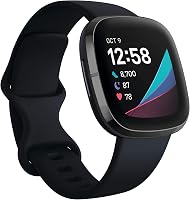
The Samsung Galaxy Watch 8 40mm is a Bluetooth smartwatch in Graphite with a cushion design and a quick button. Samsung says it adds Advanced Sleep Coaching and Bedtime Guidance to keep nights on track.
It pairs with Android phones through the Galaxy Wearable and Samsung Health apps.
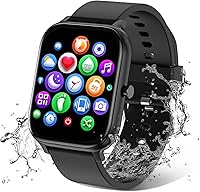
The TORJALPH watch has a 1.69 inch full touch screen, IP68 waterproofing, and Bluetooth. It tracks heart rate, blood pressure, blood oxygen, and sleep, and it works with iPhone, Samsung, and Android phones from Android 5.0 or iOS 9.0 and up.
The Tensky watch has a 1.8 inch touch screen, 3ATM waterproofing, and Alexa built in. It tracks heart rate, SpO2, stress, and sleep stages, with 120 or more sport modes and a 350mAh battery.
It works with iOS 9.0 and up and Android 6.0 and up.
How do you set up a watch for better sleep data?
Good sleep data starts before you get into bed. Charge the watch during the evening so it lasts the night.
Clean the sensor, put the watch on snugly, and turn on sleep tracking in the app.
Wear the watch on the same wrist every night. Set your sleep schedule in the app if it asks for one, and allow notifications that affect bedtime alerts.
Keep the phone nearby only if your watch needs it to sync.
Our step by step guide on how to track sleep with smartwatch covers pairing, permissions, and the settings that most affect accuracy. A few minutes of setup pays off over weeks of cleaner charts.
Check the record each morning. If the watch missed the first hour or stopped mid-night, look for a loose fit, low battery, or a permission that was off.
Fix one issue at a time so you know what helped.
What are the limits of wrist sleep estimates?
Wrist estimates have clear limits. A watch cannot measure brain activity, so it cannot stage sleep the way a lab study does.
It also cannot diagnose sleep apnea or other sleep disorders.
Blood oxygen readings from a watch are estimates too. A dip on the chart can come from a loose watch or a hand position that blocks the sensor.
It is a reason to note a pattern, not a diagnosis.
Sleep disorders need a proper test. If you snore loudly, wake up gasping, or feel very sleepy in the day, talk with a doctor.
A home sleep test or a lab study measures the signals a watch cannot.
Health data also needs careful reading. Heart rate, blood pressure, and SpO2 from a watch are for general tracking.
They do not replace a medical device or a clinician's judgment. Treat unusual readings as a prompt to check your fit and, if needed, to seek care.
How do sleep tracking watches work summary: what to check before you buy?
How do sleep tracking watches work, in short? Your wrist signals feed software that estimates sleep time and stages, then turns them into charts and scores.
The charts are useful for habits and routines. The scores are summaries, not medical results.
Before you buy, check the sensor mix, the app, and the fit. Blood oxygen and breathing tracking add useful detail for some buyers.
A clear app with sleep history, bedtime tools, and export options helps you use the data.
Pick the Samsung Galaxy Watch 8 40mm if you use Android and want sleep coaching and bedtime guidance. Pick the TORJALPH watch if you want a large touch screen, IP68 waterproofing, and broad phone compatibility at a simpler feature set.
Pick the Tensky watch if you want Alexa built in, SpO2 and stress tracking, and 120 or more sport modes.
Wear whichever watch you choose snugly, charge it before bed, and watch trends over weeks. If sleep problems persist, talk with a doctor about a proper sleep study.
For setup help, start with how to track sleep with smartwatch.
Frequently asked questions
How do sleep tracking watches work?
Sleep tracking watches read heart rate, movement, and sometimes blood oxygen or breathing signals from your wrist. Software turns those signals into estimates of sleep time, wake time, and sleep stages.
The estimates show patterns well, but they cannot measure brain activity the way a lab study does.
Can a watch tell you what sleep stage you were in?
A watch can estimate light, deep, and REM sleep from heart rate, movement, and breathing patterns. Those labels are inferred, not measured directly.
Expect the broad pattern to be useful while exact stage timing stays approximate.
Why is my watch sleep score different from my partner's?
Scores use different formulas, sensors, and baselines, so two watches can rate the same night differently. Compare trends on one watch over weeks rather than comparing one night across brands, and check fit and wear time first.
How accurate are sleep tracking watches?
Accuracy varies by sensor, fit, and algorithm. Watches usually estimate total sleep time better than exact sleep stages.
If you snore loudly, wake unrefreshed, or worry about sleep apnea, talk with a doctor about a proper sleep study.
Do I need to wear the watch snug for sleep tracking?
Yes, a snug but comfortable fit helps the sensor stay in contact during the night. Place it snugly before bed, keep the sensor clean, and charge it before sleep so gaps do not break the record.