What to Expect Wearing a Holter Monitor for the First Time?
On this page (5 sections)
Wearing a Holter monitor for the first time can feel a little strange, but it’s a This guide explains how to wear a Holter monitor properly for accurate readings.simple way for your doctor to track your heart’s activity. This device records your heart rhythm for 24 to 48 hours. It helps diagnose irregular heartbeats that might not show up on a regular EKG. You’ll likely feel a bit self-conscious at first, but it’s a painless and non-invasive test.
Think of it as a wearable diary for your heart. The electrodes attached to your chest are like tiny sensors. They send information to a small recording unit you’ll carry. It’s important to know that the monitor itself doesn’t send or receive signals, so there are no privacy concerns. Your doctor will explain exactly what they are looking for in your heart’s data.
- Holter monitors are painless heart trackers.
- They record your heart rhythm for 1-2 days.
- It helps doctors find heart rhythm problems.
- You wear it under your clothes and carry a small recorder.
- It is a safe and common test.
Below, we’ll walk you through exactly what to expect when you get fitted for your Holter monitor, what you can and can’t do, and how to get the most out of the test. Let’s get you prepared!
Getting Your Holter Monitor Fitted: What to Anticipate
So, you’ve been told you need a Holter monitor. It’s natural to wonder what the actual fitting process will be like. Don’t worry, it’s quite straightforward and painless. Your doctor or a trained technician will place a few small sensors, called electrodes, onto your chest. These are usually attached with a special adhesive. Think of them like tiny stickers that help listen to your heart. The electrodes connect to a small recording device. This device is about the size of a small MP3 player or a deck of cards. You’ll wear this recorder in a pouch or on a strap. It often goes around your neck or waist. This whole process usually takes about 10 to 15 minutes. You can get dressed and go about your day right after.
The Electrode Placement: Don’t Be Alarmed
You might feel a slight coolness when the technician cleans your skin. This is to ensure the electrodes stick well. Sometimes, a small amount of conductive gel is used. This helps the electrodes pick up your heart’s electrical signals more clearly. The technician will ask you to wear a loose-fitting shirt. This makes it easier to apply the electrodes and hide the monitor. They will show you how to wear the monitor and keep it safe. You’ll likely see three to five electrodes placed on your chest. They’re arranged in a pattern to best capture your heart’s activity. It’s not painful at all, just a gentle touch. The technicians are experienced in making you comfortable. They want this test to be as easy as possible for you.
Understanding the Recorder Unit
The recording unit is the brains of the operation. It’s battery-powered and designed to be lightweight. You won’t be attached to any wires that restrict your movement. This is a key difference from the EKG you might have had in the doctor’s office. That one is quick and only captures a snapshot. This monitor is like a long-term reporter for your heart. The recorder continuously saves the electrical data from your heart. It’s programmed to run for a specific period, usually 24 to 48 hours. The device itself doesn’t do anything else; it just records. Your doctor will go over how to use any buttons on the device. There might be a button to press if you feel symptoms.
Living With Your Holter Monitor: Daily Life
Once the monitor is on, your daily routine is mostly unchanged. The goal is to live as you normally would. This helps your doctor see how your heart behaves under real-world conditions. You’ll be wearing electrodes and carrying a small device, which might feel a bit odd at first. But most people adapt quickly. Think of it as a temporary, helpful accessory. It’s important to be mindful of the equipment, but not overly worried. Your doctor wants to see your everyday activities, both good and challenging. Learn how to sleep with the Holter monitor on to ensure continuous monitoring.
What You Can and Cannot Do
Generally, you can do most of your normal activities. This includes walking, working, eating, and sleeping. The monitor is designed to be worn continuously. However, there are a few important things to keep in mind. Avoid getting the monitor wet. This means no showering, bathing, swimming, or hot tubs. The electrodes are not waterproof. Getting them wet could affect the recording. If your technician uses disposable electrodes, you’ll need to reapply them if they fall off. If you have reusable ones, they might show you how to do that. Also, try to avoid strong magnetic fields. This includes things like MRI machines. These can interfere with the recording. It’s always best to ask your doctor about specific activities if you’re unsure.
Showering and Bathing Restrictions
This is a common question, and the answer is usually no. You’ll typically need to wait until the monitor is removed to shower or bathe. Your technician will likely give you instructions on how to keep the electrodes dry. They might suggest using a washcloth for sponge baths. This is a temporary inconvenience. The information gathered is very important for your health. Many people find it’s a small price to pay for accurate results. If you have a critical event you need to clean up for, discuss options with your doctor. But for daily hygiene, plan for a sponge bath.
Exercise and Physical Activity
Are you an active person? You can usually continue your exercise routine. Your doctor wants to see how your heart responds during physical exertion. If you run, jog, or hit the gym, keep it up. Just be extra careful not to dislodge the electrodes. Avoid activities where you sweat excessively and might rub them off. Vigorous sports with a high risk of contact might be a concern. Again, consult your doctor if you participate in very strenuous or high-impact activities. They can give you personalized advice based on your health.
Keeping a Symptom Diary: Your Role is Key
This is one of the most crucial parts of wearing a Holter monitor. You’ll be given a logbook or diary to record your activities and any symptoms you experience. Note the time whenever you feel something unusual. This could be palpitations, shortness of breath, dizziness, chest pain, or fatigue. Also, record when you eat, exercise, sleep, or feel stressed. Even if you feel perfectly fine, it’s good to jot down what you’re doing. This diary helps your doctor correlate your symptoms with your heart’s electrical activity. For example, if you feel dizzy at 2 PM, the doctor can look at the recording from that exact time. This connection is vital for diagnosis.
Potential Interference and What to Do
Modern Holter monitors are designed to minimize interference. However, some electronic devices can disrupt their function. Keep your cell phone and other electronic devices at least 6 inches away from the monitor. Avoid using microwave ovens while the monitor is active. These strong electromagnetic fields can sometimes corrupt the data. If you suspect interference, try moving away from the device. If the monitor beeps or shows an error message, contact your doctor’s office. They can guide you on what to do. Usually, it’s a minor issue that can be resolved easily.
Understanding Your Holter Monitor Data
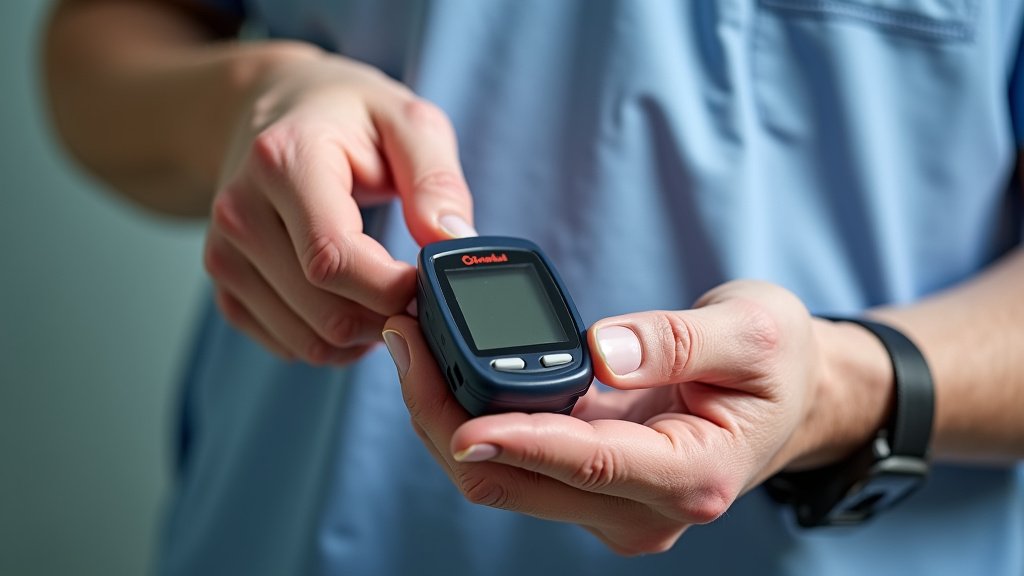
After the monitoring period is over, you’ll return the device to your doctor’s office. The data recorded is then downloaded and analyzed by a cardiologist or a trained technician. They look for patterns and irregularities in your heart rhythm. This is where your symptom diary becomes incredibly useful. By matching your reported feelings with the electrical data, they can pinpoint potential causes for your symptoms. It’s like putting together a puzzle. The more accurate your diary, the easier it is for them to find the pieces.
What the Monitor Detects
Conclusion
You’ve learned that wearing a Holter monitor is a straightforward and painless process. It’s a temporary tool to give your doctor a clear picture of your heart’s activity over 24-48 hours. Remember to keep it dry and log your symptoms carefully. This simple device can provide vital information for your health. Once you’ve completed the monitoring period, follow up with your doctor to discuss the results and your next steps in understanding your heart health.
Frequently Asked Questions
How will I know if the Holter monitor is working correctly?
Your Holter monitor is designed to record continuously. Most devices have indicator lights or small screens to show they are active. If you notice any error messages or if the device seems to stop working, contact your doctor’s office immediately for guidance.
Can I sleep with the Holter monitor on?
Yes, you absolutely can and should sleep with the Holter monitor on. Your doctor wants to understand your heart’s rhythm during rest and sleep, as this can reveal important patterns. Just be mindful of the electrodes and wires so they don’t get pulled off during the night.
What if an electrode falls off?
If an electrode falls off, it’s important to try and reattach it if possible, especially if you have disposable ones. Your technician likely provided you with extra electrodes and adhesive wipes. If you’re unsure how to reapply it or if it falls off repeatedly, call your doctor’s office for instructions.
Will the Holter monitor affect my daily activities and work?
For the most part, you can continue with your normal daily routine, including work. The monitor is small and worn under your clothes. The main restrictions involve avoiding water and strong magnetic fields. You might feel a little self-conscious initially, but most people adapt quickly.
How long does it take to get the results from a Holter monitor test?
After you return the monitor, the data needs to be downloaded and analyzed by a cardiologist. This process can take a few days to a week. Your doctor will schedule a follow-up appointment or contact you to discuss the findings.