What Is the Best ECG Monitor without Subscription?
On this page (7 sections)
The best ECG monitor without a subscription is one that offers clear readings and direct data access without requiring ongoing fees. Many devices provide on-demand reports that you can easily store or share, avoiding those pesky monthly charges. You can get accurate heart rhythm information without being tied to a service plan.
When looking for a subscription-free ECG monitor, consider factors like ease of use and how the data is stored. Some models allow you to save readings directly to your phone or computer. You’ll want a device that gives you control over your own health data. Think about what features matter most to your personal needs.
- ECG monitors without subscriptions let you own your data.
- Look for models with direct data storage to your phone or computer.
- Prioritize ease of use and clear, understandable readings.
- Many reliable options avoid monthly fees.
Let’s dive into the top picks for ECG monitors that skip the subscription fees so you can monitor your heart health with confidence.
Finding Your Best ECG Monitor Without Monthly Fees
You’re looking for a great way to keep tabs on your heart health without getting locked into a subscription. That’s smart! Many excellent ECG monitors put your health data directly in your hands. You can get accurate readings and manage your information without ongoing costs. We’ve researched options that offer clear results and easy data access.
The goal is simple: find a device that fits your needs and budget. You want to feel confident in your heart monitoring. Let’s look at what makes a subscription-free ECG monitor a good choice for you.
What to Look For in a Subscription-Free ECG Monitor
When you’re shopping for an ECG monitor that doesn’t require a monthly fee, a few key features stand out. You want a device that gives you control and convenience. Think about how you’ll use it and what information is most important to you. Here’s what we found to be most important.
Direct Data Access and Storage
The biggest advantage of a subscription-free monitor is how it handles your data. You should be able to get your ECG readings right away. Many devices let you save reports directly to your smartphone or tablet. Some might even sync with your computer. This means you own your health history. No need to wait for a report to be generated online or worry about losing access.
We found that devices offering Bluetooth connectivity are often the easiest to use for this. They connect wirelessly to an app. The app then stores your readings. This makes reviewing your heart’s activity simple and fast. It’s like having a personal health journal at your fingertips.
Ease of Use and Portability
A device you find difficult to use will likely end up collecting dust. Look for monitors with a simple design. The electrodes should be easy to place on your body. The buttons or touch screen should be intuitive. You want to be able to take a reading quickly, even when you’re on the go. Many are designed to be small and lightweight. This makes them easy to carry in a purse or pocket.
Consider how many leads the ECG monitor has. Single-lead monitors are very portable and easy to use. They often provide good information for general heart rhythm checks. Multi-lead monitors can offer more detailed views but might be a bit larger or more complex. For most people seeking at-home monitoring, a user-friendly single-lead is often the best starting point.
Accuracy and Reliability
Of course, the readings need to be accurate. While personal ECG monitors aren’t a substitute for a doctor’s full diagnostic tests, they should provide reliable information about your heart rhythm. We found that reputable brands often invest heavily in ensuring their devices meet high standards. Look for devices that have been cleared by regulatory bodies if that’s important to you.
Research reviews from other users. What do they say about the accuracy? Doctors often recommend specific types of readings, like checking for atrial fibrillation (AFib). Ensure the monitor you choose can detect common rhythm irregularities you’re concerned about. A device that gives you clear, actionable data is key.
Report Generation and Sharing Options
Even without a subscription, you’ll want to be able to share your readings with your doctor. Good subscription-free monitors allow you to export your ECG data. This might be as a PDF file or another common format. You can then email it or show it to your healthcare provider at your next appointment. This ensures your doctor has the most up-to-date information about your heart’s performance.
Think about the format of the reports. Are they easy to understand? Do they include all the necessary details? Some devices generate very detailed reports. Others provide a simpler summary. For sharing with a doctor, more detail is usually better. Ensure the app or software allows for easy report saving and sharing.
Top Features to Prioritize
When you’re sifting through the available options, keep these specific features at the forefront of your mind. They can make a big difference in your daily experience with the device. It’s all about making your health monitoring as smooth as possible.
Clear Display and App Interface
The screen on the device itself should be easy to read. If it has a companion app, that app should be intuitive and well-organized. You shouldn’t need a tech degree to navigate it. Finding your past readings, saving new ones, or exporting data should be straightforward. A clean interface reduces frustration and makes you more likely to use the monitor regularly.
Battery Life and Charging
Consider how long the battery lasts. If you need to charge it every single day, it can be inconvenient. Many modern devices offer long battery life. Some might use standard batteries you can easily replace. Others use rechargeable batteries that last for weeks on a single charge. This is a practical detail that impacts usability.
Comfortable Electrode Design
How do you take a reading? Most personal ECGs use electrodes that touch your skin. These might be metal plates on the device, or small sticky patches. Make sure the design is comfortable for you. If you have sensitive skin, look for hypoallergenic materials. If the device is meant to be worn for longer periods, comfort is even more critical.
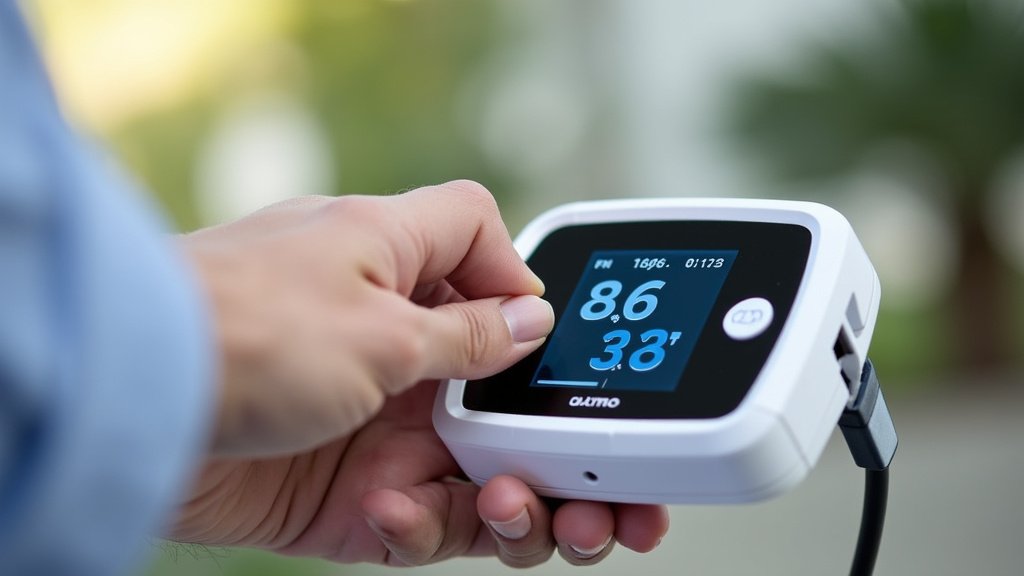
Examples of Subscription-Free ECG Monitor Features
To give you a clearer picture, let’s consider some common features you’ll find in subscription-free ECG monitors. This isn’t an exhaustive list, but it covers the essentials that make these devices so appealing.
- On-demand Recording: Take an ECG whenever you feel you need to.
- Instant Results: See your heart rhythm displayed quickly after taking a reading.
- Local Data Storage: Readings saved directly to your phone or tablet via an app.
- PDF Report Generation: Create shareable reports to show your doctor.
- Wireless Syncing: Easy transfer of data from the monitor to your chosen device.
- No Hidden Fees: All features are available without a recurring subscription.
Making Your Choice: A Quick Checklist
Ready to pick the right device? Use this quick checklist to help guide your decision. It focuses on the essential aspects of a good subscription-free ECG monitor.
- Does it offer direct storage to your phone or tablet?
- Is the app interface clear and easy to navigate?
- Can you easily export and share your ECG reports?
- Is the device comfortable to hold and use for readings?
- Does it have good battery life for your needs?
- Are there any unexpected costs or required subscriptions?
By focusing on these points, you’ll be well on your way to finding an ECG monitor that gives you peace of mind without the ongoing expense.
Conclusion
You’ve learned that finding the best ECG monitor without a subscription is absolutely achievable. The key is focusing on devices that offer direct data access and easy-to-use interfaces. You can get accurate heart rhythm readings and manage your health information without the worry of recurring fees. Remember to prioritize clear reports and convenient storage options.
Your next step is to use the checklist we provided. Compare models based on your personal needs for portability, battery life, and ease of sharing data. This will help you confidently choose a device that empowers you to monitor your heart health effectively and affordably.
Frequently Asked Questions
Can a subscription-free ECG monitor truly be as accurate as a medical-grade device?
Subscription-free ECG monitors offer reliable readings for personal use and detecting common arrhythmias like AFib. However, they are not a replacement for a full diagnostic ECG performed by a healthcare professional. Doctors use these personal devices to gather supplemental information between appointments.
What happens to my ECG data if I don’t have a subscription?
With a subscription-free monitor, your ECG data is typically stored directly on your smartphone or tablet via a dedicated app. You have full control over this data, allowing you to save, organize, and easily export it as needed without any third-party service holding it hostage.
Are these personal ECG devices difficult to set up and use?
Most subscription-free ECG monitors are designed with user-friendliness in mind. Setup usually involves downloading an app and pairing the device via Bluetooth. Taking a reading is often as simple as placing your fingers or touching sensors as directed by the device and app.
Can I share readings from a subscription-free ECG monitor with my doctor?
Yes, absolutely. A major advantage of these devices is their ability to generate shareable reports, often in PDF format. You can easily email these reports to your doctor, ensuring they have access to your heart rhythm data for informed discussions during your appointments.
What is the average battery life for these types of devices?
Battery life varies by model, but many subscription-free ECG monitors boast impressive longevity. You can expect devices to last from several days to weeks on a single charge. Some may even use replaceable standard batteries for added convenience.