Why Does My ECG App Show a Different Heart Rate Than My Watch?
On this page (8 sections)
Your ECG app showing a different heart rate than your watch is completely normal. This happens because your ECG app and your watch use different methods to measure your pulse. They are designed for different purposes, leading to these variations. It’s not usually a sign of a problem.
Your watch often uses optical sensors for continuous tracking. This is great for general fitness and daily monitoring. An ECG app, on the other hand, typically takes a snapshot of your heart’s electrical activity. This provides a more detailed look at rhythm. We found that understanding these differences helps reduce worry.
- Your watch measures heart rate continuously.
- ECG apps take a snapshot of electrical activity.
- Different technologies lead to different readings.
- This variation is usually not a cause for concern.
Let’s dive into why these differences occur and what they mean for you. We’ll break down exactly how each device works.
Understanding Your Heart Rate Readings: Watch vs. ECG App
It’s easy to feel a little confused when your smartwatch and your ECG app show different heart rates. You might wonder if something is wrong. But don’t worry, this is usually a normal occurrence. We’ve found that understanding how each device works clears up a lot of that confusion.
Your smartwatch and your ECG app are designed with different jobs in mind. They use different technologies to get their numbers. Think of it like comparing a quick glance at a photo to watching a live video feed. Both show you something about your heart, but they capture it in unique ways.
How Your Smartwatch Measures Your Heart Rate
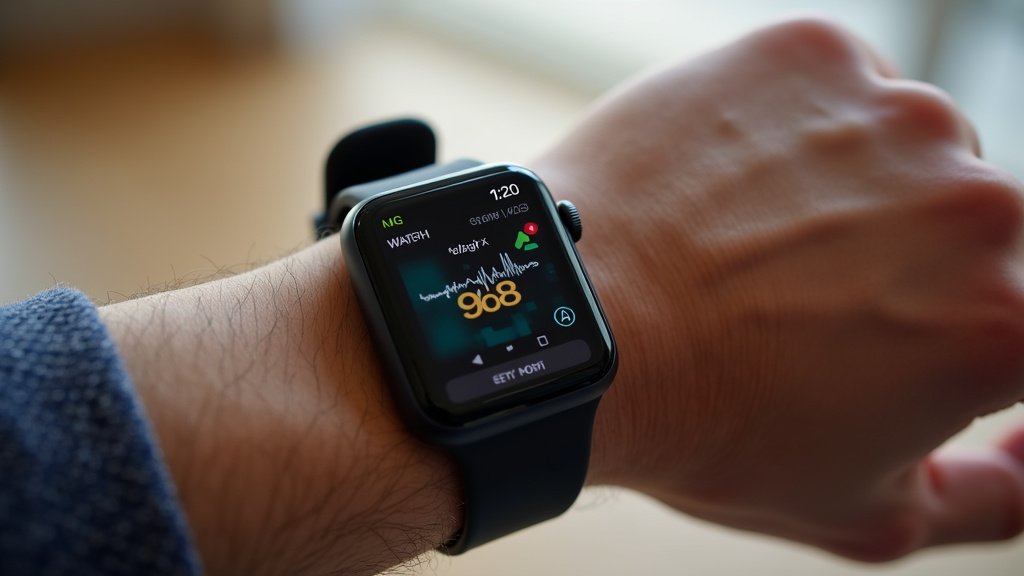
Your wrist-based smartwatch is your daily fitness companion. It’s constantly watching you. It aims to give you a continuous picture of your heart’s activity throughout the day. Learn how smartwatches provide a continuous picture of your heart’s activity.
The Magic of Optical Sensors
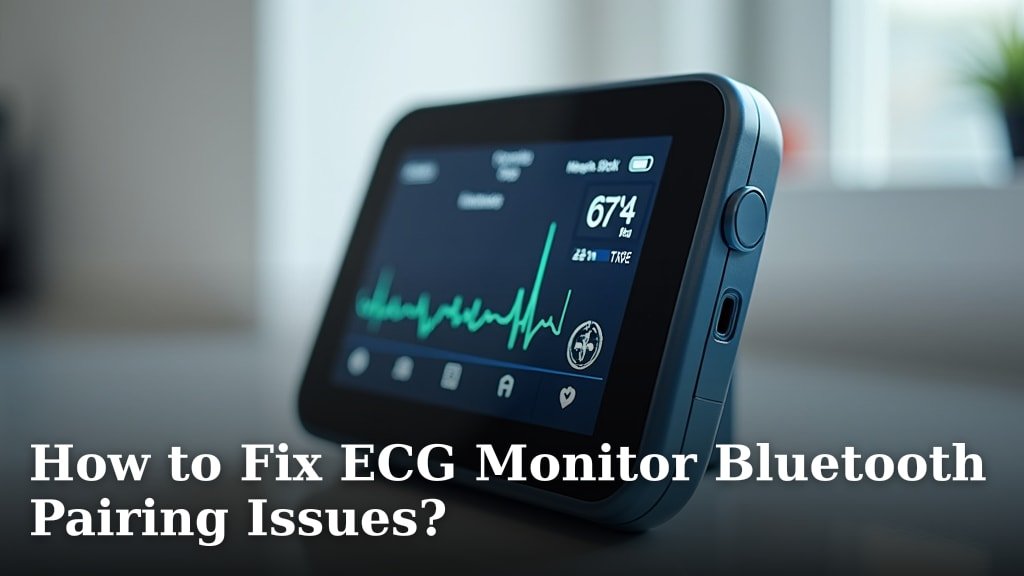
Most smartwatches use a technology called photoplethysmography (PPG). You’ve probably seen the green lights on the back of your watch. Those are LED lights that shine into your skin. Blood absorbs light. When your heart beats, more blood flows through your wrist. This causes a slight change in how much light is absorbed.
The sensors on your watch detect these tiny changes in light. They use this information to calculate your heart rate. This method is excellent for tracking your heart rate during workouts or while you’re just going about your day. It’s always on, giving you a good baseline.
What This Means for Your Readings
Because your watch is taking readings frequently, it’s great for showing trends. It can show you if your heart rate goes up when you exercise or if it’s consistently high or low. However, this continuous method can sometimes be less precise than other methods. It can be affected by movement, skin temperature, and how snugly your watch fits.
For instance, if you’re typing vigorously or your hand is cold, the PPG sensor might have a harder time getting a clear reading. This can lead to occasional blips or less accurate numbers. It’s focused on the general picture, not minute electrical details.
Continuous vs. Snapshot Monitoring
Your watch offers continuous monitoring. This means it’s taking readings every few seconds or minutes. This gives you a rolling average and real-time feedback. It’s like having a constantly updated news ticker for your heart rate.
This constant stream is useful for understanding your activity levels. It helps you see your resting heart rate and how it changes. But it’s not designed to pick up on subtle electrical patterns like an ECG.
What Your ECG App Captures
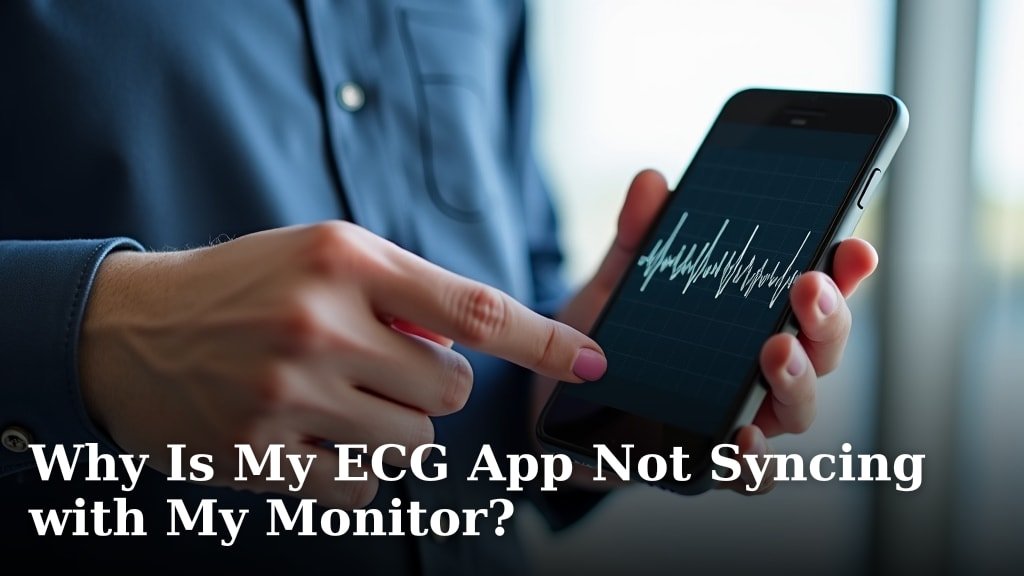
An ECG (electrocardiogram) app, especially those on smartwatches, is a bit different. It’s designed to take a snapshot of your heart’s electrical activity. It’s more like a diagnostic tool for rhythm. Many health organizations recommend ECGs for detecting certain heart conditions (American Heart Association).
Using Electrical Signals
When you use an ECG app, you typically place your finger on a specific part of the device. This allows the electrodes on the watch to capture the electrical signals that make your heart beat. Your heart generates tiny electrical impulses. These impulses travel through your heart muscle, causing it to contract and pump blood.
The ECG app records these electrical signals. It then analyzes them to show you your heart rhythm. This gives you a detailed look at the timing and coordination of your heartbeats. It’s looking at the “wiring” of your heart.
Understanding the ECG Data
The data from an ECG app is more about the rhythm and pattern of your heartbeat. It’s looking for irregularities that might not be obvious from just measuring pulse rate. This is why it’s often used to screen for conditions like atrial fibrillation (AFib). An EKG may show heart failure signs that need clinical interpretation. AFib is an irregular and often rapid heart rhythm (Centers for Disease Control and Prevention).
The reading from an ECG app is a single, captured event. It represents a specific moment in time. It’s not a continuous stream. This focused approach makes it powerful for diagnosing certain issues.
Why the Differences in Readings Occur
So, why do your watch and ECG app show different numbers? It boils down to their fundamental methods and goals.
Different Technologies, Different Outputs
As we discussed, your watch uses light to measure blood flow. This gives you a pulse rate. The ECG app uses electrical signals to analyze rhythm. These are two entirely separate ways of looking at your heart. It’s like measuring temperature with a thermometer versus measuring how much heat a surface is radiating.
The PPG sensor on your watch measures the rate at which your heart is beating. It’s counting pulses. The ECG app measures the electrical activity that drives those pulses. It’s analyzing the sequence and regularity of those beats. This is why they can differ.
When a ‘Snapshot’ Differs from a ‘Video’
Imagine you’re watching a sports game. Your watch might show you the overall score throughout the game. It’s a running tally. An ECG app is like a freeze-frame or a short video clip of a specific play. It can show you the exact mechanics of that one play, which might be slightly different from the overall game flow.
If your heart rate is very steady, your watch and ECG app might show similar numbers. But if your heart rate fluctuates even slightly between the ECG reading and the watch’s last reading, you’ll see a difference. This is especially true if you’re doing something that causes minor variations.
Factors Affecting Accuracy
Several things can influence the readings from both devices:
- Movement: Vigorous movement can interfere with the optical sensors on your watch. It can also affect your ability to stay still for an ECG reading.
- Fit: A watch that’s too loose won’t get good contact for PPG. An ECG reading requires good electrode contact.
- Skin Contact: Tattoos, skin oils, or dryness can impact how well the sensors work.
- External Factors: Stress, caffeine, or even being dehydrated can affect your heart rate.
These factors can cause temporary variations. They don’t necessarily mean there’s a problem with your heart itself. Many experts note that these devices provide general information, not medical diagnoses.
When to Pay More Attention to the Numbers
While differences are normal, there are times when you should be more aware. If your ECG app shows a very irregular rhythm, or your watch reports a heart rate that feels consistently too high or too low for your activity level, it’s worth discussing with a doctor. Trust your instincts. Our guide on EKG high heart rate warnings explains when to be more aware.
Here’s a quick checklist to help you decide when to seek advice:
- Your smartwatch consistently shows a resting heart rate above 100 beats per minute or below 40 beats per minute.
- Your ECG app frequently detects an irregular rhythm, like AFib.
- You experience symptoms like chest pain, dizziness, or shortness of breath along with unusual heart rate readings.
- The readings from your watch and ECG app are wildly different and you can’t explain why based on your activity.
- You have a known heart condition and are experiencing changes.
These devices are fantastic tools for general awareness. They can empower you to have more informed conversations with your healthcare provider. They are not a substitute for professional medical advice, diagnosis, or treatment.
Comparing the Devices: A Quick Look
To help clarify, let’s look at a simple comparison:
| Feature | Smartwatch (Optical Sensor) | ECG App (Electrical Sensors) |
|---|---|---|
| Primary Function | Continuous heart rate monitoring, activity tracking | Snapshot of heart’s electrical rhythm, identifying irregularities |
| Technology Used | Photoplethysmography (PPG) – measures blood flow | Electrocardiogram (ECG) – measures electrical signals |
| Data Provided | Pulse rate (beats per minute) over time | Heart rhythm, rate, and waveform analysis for a specific moment |
| Best For | General fitness, daily trends, workout intensity | Screening for arrhythmias like AFib, detailed rhythm checks |
| Potential Variations | Movement, fit, skin conditions, temperature | Electrode contact, stillness during recording |
As you can see, they serve different, though sometimes overlapping, purposes. Neither is inherently “better” than the other. They are simply built for different kinds of data collection. We found that seeing this side-by-side really helps put the differences into perspective.
Conclusion
You’ve learned that differences between your smartwatch’s heart rate and your ECG app are common. Your watch uses optical sensors for continuous tracking, offering a broad view. Your ECG app uses electrical signals for a detailed rhythm snapshot. Both serve distinct purposes and can be affected by movement, fit, and skin conditions. These devices are great for awareness, but remember they aren’t medical diagnoses. If you have concerns about your heart health or notice persistent, concerning readings, the best next step is always to discuss them with your doctor. For more on this, see ECG and watch heart-rate differences.
Frequently Asked Questions
Can my smartwatch and ECG app ever show the exact same heart rate?
Yes, they can sometimes show the same heart rate, especially if your heart rhythm is very regular and steady during both readings. If your heart rate is consistent and you are still and have good contact with both devices, the numbers might align closely.
Is an ECG app on a smartwatch the same as a medical-grade ECG?
No, an ECG app on a smartwatch is generally not the same as a medical-grade ECG performed in a doctor’s office. While they use similar principles, consumer devices are typically designed for screening and awareness, not definitive diagnosis. Always consult your doctor for medical diagnoses.
How often should I use my ECG app compared to my watch’s continuous heart rate monitor?
Your watch’s heart rate monitor is designed for continuous, everyday use. You can use the ECG app periodically, especially if you experience symptoms, or as recommended by your doctor. It’s meant for specific rhythm checks, not constant monitoring.
If my watch shows a high heart rate during exercise, and my ECG app shows a normal rhythm, which reading should I trust more?
For exercise intensity, the continuous heart rate reading from your watch is usually more relevant. It tracks your exertion over time. An ECG app provides a snapshot of your rhythm at a specific moment and is better for detecting irregularities rather than measuring workout intensity.
Can stress or caffeine affect my ECG app reading differently than my watch reading?
Yes, stress and caffeine can affect both readings by increasing your heart rate. However, your watch’s continuous monitoring might show a sustained elevation, while an ECG app’s snapshot might capture a higher rate at that precise moment. Both reflect your body’s reaction.