What Is the Best ECG App for iPhone?
On this page (7 sections)
Finding the best ECG app for iPhone isn’t about a single “winner,” but rather what suits your specific needs. Many apps offer basic heart rate monitoring, while others connect to external devices for more detailed readings. Some even provide FDA-cleared ECG capabilities right on your phone.
While your iPhone’s built-in health features can track heart rate, a dedicated ECG app often provides a deeper look at your heart’s electrical activity. We’ve researched options that help you monitor your heart health more closely, from simple rhythm checks to more advanced tracking.
- No single app is “best” for everyone.
- Consider your needs: basic vs. advanced monitoring.
- Look for FDA-cleared options for medical accuracy.
- External devices often enhance iPhone ECG app functionality.
- Your iPhone can already do some heart tracking.
Let’s take a look at some of the top contenders and what makes them stand out for monitoring your heart health with your iPhone.
“`htmlChoosing the Right iPhone ECG App for Your Heart Health
So, you’re looking for the best ECG app for your iPhone. It’s smart to want to keep tabs on your heart health right from your pocket. The good news is there are several excellent options out there. We’ve done the digging to help you figure out which app might be your perfect match.
Think of it like choosing a fitness tracker. Some are super basic, just counting steps. Others do much more, like tracking your sleep or measuring your blood oxygen. ECG apps are similar. Some give you a quick heart rate check. Others are designed for deeper analysis, especially when paired with special gadgets.
Your iPhone already has some built-in heart health features. The Health app can track your heart rate and irregular rhythms. But an ECG app can go a step further. It’s designed to capture more detailed information about your heart’s electrical signals. This can be really helpful for understanding your heart’s overall rhythm and activity.
We found that the “best” app really depends on what you need. Are you just curious about your heart rate? Or are you looking for something that can provide more clinical-grade data, perhaps even something your doctor might find useful? Let’s break down some of the top choices.
Understanding What an ECG App Does
At its core, an ECG (electrocardiogram) app on your iPhone helps you record and analyze the electrical activity of your heart. This activity is what makes your heart beat. By tracking these signals, you can get a snapshot of your heart’s rhythm.
How Do iPhone ECG Apps Work?
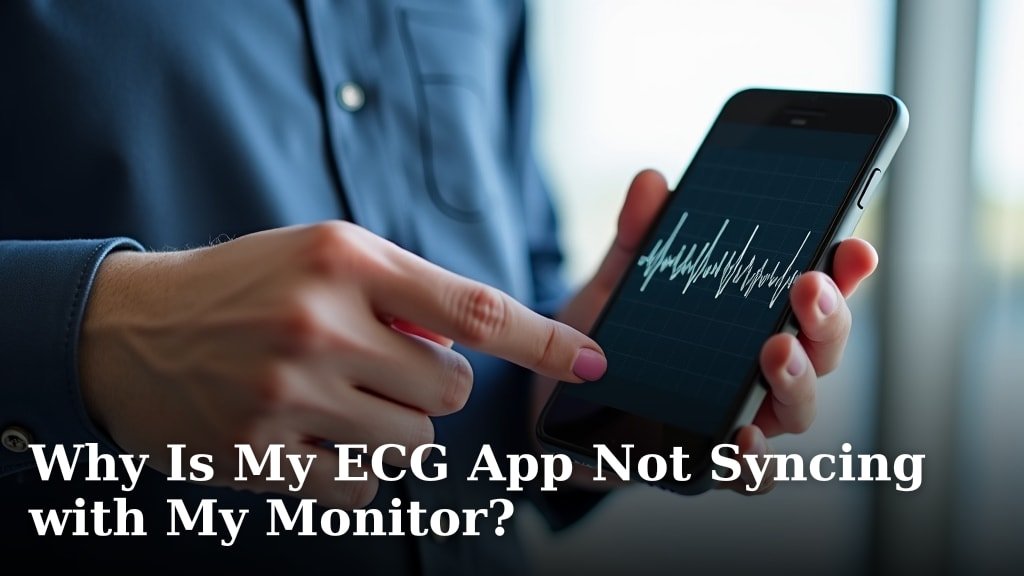
Most standalone iPhone ECG apps use your phone’s camera and flashlight. You place your finger over the camera lens and flashlight for a short period, typically 30 seconds to a minute. The app uses the light to detect changes in blood flow in your fingertip. These changes correlate with your heartbeat. This method gives you a single-lead ECG reading, which is like a basic view of your heart’s electrical signals. This method gives you a single-lead ECG reading, which is discussed further in our guide to the best single-lead ECG monitors.
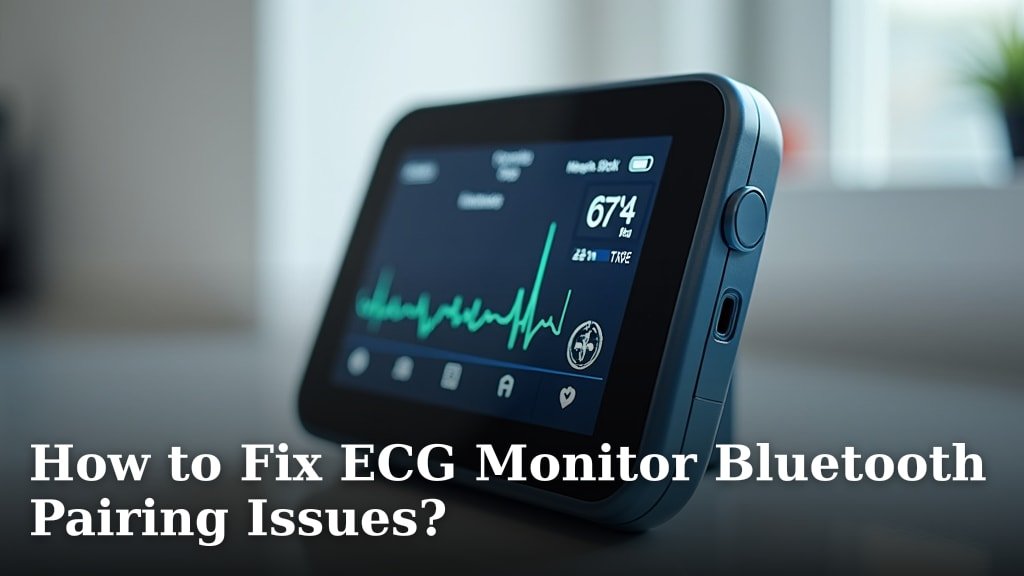
Some advanced apps require a separate, FDA-cleared device. These are often small, portable ECG monitors that connect wirelessly to your iPhone. These external devices can capture more detailed readings, sometimes offering multiple leads for a more comprehensive view. They are often recommended for individuals with known heart conditions or those advised by their doctor to monitor their heart closely.
Accuracy and FDA Clearance
When looking at ECG apps, one of the most important things to consider is FDA clearance. The U.S. Food and Drug Administration (FDA) reviews medical devices to ensure they are safe and effective. An FDA-cleared ECG app or device means it has met rigorous standards for accuracy and reliability.
While many apps can show you heart rate and basic rhythm, only those with FDA clearance are truly considered medical-grade. This is a big deal if you’re looking for data you can share with your doctor or if you have concerns about your heart rhythm. For example, the FDA has cleared certain Apple Watch ECG features and specific external ECG monitors.
Top iPhone ECG Apps and Devices to Consider
We researched several apps and connected devices. Our goal was to find options that offer a good balance of features, ease of use, and reliability for monitoring your heart rhythm.
Apple Watch: The Integrated Champion
If you own an Apple Watch, you already have a powerful ECG tool built-in. The ECG app on Apple Watch Series 4 and later can record a single-lead ECG. This is directly accessible from your wrist.
How it Works with Apple Watch
To take an ECG, you open the ECG app on your Apple Watch. You then rest your finger on the Digital Crown. The watch records your heart’s electrical activity for 30 seconds. It can then classify your heart rhythm as sinus rhythm, atrial fibrillation (AFib), or inconclusive. If an app cannot classify a reading, our guide to unclassified ECG results explains possible next steps. These results can be saved in the Health app on your iPhone. This integrated approach is incredibly convenient for many users.
Benefits and Limitations
The major benefit is convenience. It’s always with you. The ECG app is FDA-cleared for detecting signs of AFib. However, it’s important to remember that it’s a single-lead ECG. This means it provides a limited view compared to a 12-lead ECG used in hospitals. It’s a fantastic tool for awareness and preliminary checks, but it’s not a replacement for professional medical diagnosis.
AliveCor KardiaMobile: The Professional-Grade Portable Option
For those seeking more advanced, medical-grade ECG readings without a smartwatch, the AliveCor KardiaMobile is a top contender. This is a small, pocket-sized device that pairs with your iPhone via Bluetooth.
How it Works with KardiaMobile
The KardiaMobile device has two electrodes. You hold one in each hand while using the companion app on your iPhone. This setup allows for a more comprehensive single-lead ECG recording, often considered more robust than the Apple Watch’s. The app itself is also FDA-cleared for detecting AFib, as well as other rhythm issues like bradycardia (slow heart rate) and tachycardia (fast heart rate).
Features and Data Sharing
One of the standout features of KardiaMobile is its ability to provide instant analysis. For help reviewing saved readings, see ECG app history. You can also choose to have your ECGs reviewed by a cardiologist for an additional fee. This makes it a popular choice for individuals with diagnosed heart conditions who need regular monitoring. The ability to easily share these detailed reports with your doctor is a significant advantage. The ability to easily share these detailed reports with your doctor is a significant advantage, as explored in our guide to ECG monitors for sharing with cardiologists.
Other Notable Apps and Devices
While Apple Watch and KardiaMobile are leading options, other apps and devices offer useful features. Some focus on basic heart rate tracking and trend analysis, while others pair with different types of external sensors.
Apps for Basic Heart Rate Monitoring
If your primary goal is to simply track your heart rate throughout the day or during workouts, many standard health and fitness apps can do this. These often use your iPhone’s camera for spot checks or work with basic fitness trackers. They are great for general wellness but do not provide ECG-level analysis.
External ECG Monitors with App Integration
Beyond KardiaMobile, other companies offer portable ECG devices that connect to iPhones. These vary in complexity and features. Some might offer longer recording times or different lead configurations. When considering these, always check for FDA clearance and read user reviews carefully.
Making Your Choice: What to Look For
Selecting the right ECG app or device involves a few key considerations. Your personal health needs and your doctor’s recommendations should guide your decision.
Consider Your Health Goals
Are you generally healthy and just want to stay informed? Or do you have a history of heart issues and need detailed, consistent monitoring? For general awareness, the Apple Watch is often sufficient. If you need medical-grade accuracy and detailed reporting, a device like KardiaMobile might be a better fit.
Ease of Use and Convenience
How easy is the app or device to use on a daily basis? A smartwatch app is incredibly convenient as it’s always on your wrist. A separate device requires you to carry it and actively start a reading. Think about what fits best into your routine.
Doctor’s Recommendation
Ultimately, your doctor is your best resource. If you have concerns about your heart health, talk to them about using an ECG app or device. They can advise you on whether monitoring is necessary and which type of device or app would be most appropriate for your specific situation. They can also tell you how to interpret the results you get.
Cost and Subscription Fees
Some apps and devices are a one-time purchase, while others have optional subscription plans for advanced features or cardiologist reviews. Be sure to understand the full cost involved before committing. For example, while the Apple Watch ECG app is free, its functionality is tied to the watch purchase. KardiaMobile devices have a cost, and their advanced analysis services often require a subscription.
Checklist for Choosing Your iPhone ECG App
Here’s a quick list to help you zero in on the best option for you:
- Define your needs: Basic tracking or medical-grade accuracy?
- Check for FDA clearance: Especially if you have heart concerns.
- Consider integration: Do you prefer a smartwatch or a separate device?
- Evaluate ease of use: Will you use it consistently?
- Consult your doctor: Get personalized advice for your health.
- Understand the costs: Factor in device price and any subscription fees.
Conclusion
Choosing the best ECG app for your iPhone boils down to your personal health journey. You’ve learned that while your iPhone and Apple Watch offer convenient, FDA-cleared monitoring for general awareness and AFib detection, options like KardiaMobile provide more detailed, medical-grade readings. Your doctor’s advice is key here. They can guide you on which features best suit your specific heart health needs. Take the time to consider your health goals and how easily a solution fits into your daily life. Start by discussing your options with your healthcare provider to make the most informed choice for your well-being.
Frequently Asked Questions
Can an iPhone ECG app replace a doctor’s visit?
No, an iPhone ECG app is not a replacement for professional medical diagnosis or treatment. While many apps are FDA-cleared for detecting certain heart rhythms like AFib, they provide a snapshot of your heart’s activity. Always consult your doctor with any health concerns or for a definitive diagnosis and treatment plan.
Are all iPhone ECG apps FDA-cleared?
Not all iPhone ECG apps are FDA-cleared. For medical-grade accuracy, it’s important to look for apps and associated devices that have received FDA clearance. This clearance indicates that the device or software has met rigorous standards for safety and effectiveness in its intended use.
How accurate are iPhone ECG apps compared to hospital ECGs?
iPhone ECG apps, especially those paired with FDA-cleared devices like Apple Watch or KardiaMobile, offer good accuracy for specific purposes like detecting AFib. However, they typically provide a single-lead ECG, which is less detailed than the 12-lead ECGs used in hospitals. Hospital ECGs offer a more comprehensive view of the heart’s electrical activity.
What’s the difference between a heart rate app and an ECG app?
A heart rate app simply measures how fast your heart is beating at a given moment. An ECG app, on the other hand, records the electrical signals your heart produces with each beat. This allows it to analyze your heart’s rhythm and detect potential irregularities, going beyond just the beat count.
Can I share my iPhone ECG app results with my doctor?
Yes, most reputable iPhone ECG apps, particularly those designed for more detailed readings, allow you to easily export and share your recorded ECG data. This capability is very helpful for your doctor, as it provides them with objective information to review and discuss your heart health with you.