Suunto Run Watch Review: Worth It? (November 2026)
The Suunto Run is a lightweight GPS watch for runners who want customizable training screens, route navigation and daily activity and sleep tracking. Its main trade-off is that it doesn't provide offline maps.
On this page (7 sections)
The Suunto Run is a lightweight GPS running watch with customizable training screens, route tracking and daily activity and sleep tracking. It makes the most sense for runners who want running-focused tools on their wrist and don't need offline maps.
Suunto lists a 36 g weight with the textile strap, a 1.32-inch AMOLED touchscreen and up to 20 hours of high-precision GPS training. For another watch's dimensions, see the Amazfit GTR 4 size guide.
We compared those details with the Garmin Forerunner 55 and Suunto Core to show where each watch fits.
What does the Suunto Run offer runners?
The Suunto Run combines GPS tracking, training metrics and customizable sport screens in a 36 g watch with the textile strap. It can record routes and show breadcrumb navigation, while the Suunto app provides a place to analyze performance.
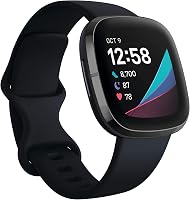
SUUNTO Run GPS Sport Running Watch: Best for running-focused training

- 36 g with textile strap
- 1.32-inch AMOLED touchscreen
- Dual-frequency GPS
- Up to 20 hours of high-precision GPS training
A running-focused watch with customizable sport data screens, GPS route tracking and daily activity and sleep tracking. It fits runners who want training details without offline maps.
Pros
- Lightweight textile strap setup
- Customizable sport data screens
- Breadcrumb route navigation
- Daily activity and sleep tracking
Cons
- No offline maps
- GPS training is stated at up to 20 hours
The watch's training information includes training load, post-exercise heart rate and Training Stress Score. Those metrics may help you follow changes in your workouts, but they aren't a substitute for a coach or a medical assessment.
Suunto also lists modes for activities beyond running, including hiking, cycling, yoga, tennis and boxing. You can customize sport data screens in the app, which is useful if you want different information visible for different activities.
Suunto Run watch review: who is it best for?
This Suunto Run watch review finds the strongest fit is a runner who wants GPS route tracking and adjustable training screens in a light watch. Its stated weight, long daily tracking claim and range of sports modes also make it relevant for everyday activity.
It is less suited to someone who depends on offline maps. Suunto says the watch doesn't provide them, although it can show your track on the watch and in the app and use breadcrumb routes offline.
How do its training controls and GPS work?
The Suunto Run gives you customizable sport data screens and GPS route features, including dual-frequency GPS, breadcrumb trails and navigation. That combination suits runners who want to follow a route and choose which workout information appears on the watch.
You can personalize sport screens in the Suunto app for a specific sport mode. Think about the numbers you actually check during a run, then see whether the available customization covers them.
Breadcrumb navigation can help you follow a saved route without full offline maps. If you need a map view to choose a new road or trail at a junction, this watch's stated navigation features may not be enough on their own.
The Garmin Forerunner 55 takes a different approach to training guidance. It offers daily suggested workouts based on training history and fitness level, plus PacePro GPS-based pace guidance for a selected course or distance.
PacePro isn't compatible with on-device courses.
For a broader look at running options, compare the best Suunto watch for running. The right choice depends on which controls, route tools and training prompts you want close at hand.
What does it track each day?
The Suunto Run is designed to track daily activity and sleep, with Suunto stating up to 12 days of battery life for that use. If oxygen tracking matters in your comparison, see Apple Watch oxygen tracking.
It also records heart rate and can show post-exercise heart-rate information as part of its training features.
A wearable heart-rate reading is not a medical diagnosis. If you are comparing smartwatch ECG options, see how to Pixel Watch 4 ECG guide.
If you have a health concern or need an ECG, check what a device actually measures and consult a health professional about symptoms. For an example of wrist based rhythm screening, see Samsung Galaxy Watch AFib detection.
This review is about running and everyday tracking, not ECG recording. For device-specific questions, see our guides to ECG on Suunto Race 2 and Suunto Race S EKG.
You can also compare how a different device's reading is discussed in How Accurate Is an Apple Watch ECG? and Best Apple Watch Alternative For ECG.
How does battery life compare?
Suunto states up to 12 days for daily activity and sleep tracking, and up to 20 hours for high-precision GPS training. The Garmin Forerunner 55 is also stated to last up to 20 hours in GPS mode, with up to two weeks in smartwatch mode.
Those figures describe different settings and usage patterns, so they aren't a guarantee of the same runtime for every runner. Frequent GPS workouts, screen use and other settings can change how often you need to charge.
Suunto says a full recharge takes one hour. If you run long events or use GPS for several hours at a time, compare the stated GPS runtime with your typical activity and leave room for variation.
The Forerunner 55 may suit you better if you prefer button controls and suggested workout prompts. For instructions on maintaining an older Suunto model, see how to update the Suunto 3 Fitness.
Suunto Run vs Garmin Forerunner 55
Choose the Suunto Run for a touchscreen, customizable sport screens and breadcrumb route navigation. Choose the Forerunner 55 if daily suggested workouts, PacePro guidance and button controls matter more.
Garmin Forerunner: Best for suggested workouts

- Daily suggested workouts
- GPS-based pace guidance
- Up to 20 hours in GPS mode
- Built-in activity profiles
The Forerunner 55 is an alternative for runners who want suggested workouts based on training history and fitness level, along with GPS pace guidance.
Pros
- Daily suggested workouts
- PacePro GPS-based pace guidance
- Multiple activity profiles
- Button controls
Cons
- PacePro isn't compatible with on-device courses
- No touchscreen is specified
The Garmin also has built-in profiles for running, cycling, track run, virtual run, pool swim, Pilates, HIIT and breathwork. Its wellness features include intensity minutes, fitness age and all-day respiration.
The Suunto Run's 1.32-inch AMOLED touchscreen and crown provide another way to view and interact with information. Its lightweight textile strap setup is stated at 36 g, and the watch also tracks daily activity and sleep.
Neither set of features makes one watch right for every runner. Pick based on the controls you'll use and whether you value customizable data screens, suggested workouts or route guidance most.
When does the Suunto Core make more sense?
The Suunto Core makes more sense when you want outdoor condition tools such as an altimeter, barometer, compass and storm alarm. Its feature set is geared toward outdoor use rather than GPS running workouts.
SUUNTO Core Series Outdoor Watch: Best for outdoor conditions

- Storm alarm
- Altimeter, barometer and compass
- Sunrise and sunset times
- Depth meter up to 30 feet
A traditional outdoor watch for people who value environmental tools such as an altimeter, barometer, compass and storm alarm over running-specific GPS features.
Pros
- Includes an altimeter, barometer and compass
- Sunrise and sunset times
- Dual time, date and alarm
Cons
- GPS isn't specified
- Running training controls aren't specified
It includes sunrise and sunset times, dual times, a date display, an alarm and a depth meter accurate up to 30 feet. The available information doesn't specify GPS, running training load or customizable sport data screens, so don't choose it as a direct substitute for the Suunto Run's running controls.
For hiking, biking or camping where environmental readings are a priority, these tools may be more useful than a running-focused screen. For pace, GPS route recording and training summaries, the Suunto Run is the more direct fit.
Is the Suunto Run worth choosing?
The Suunto Run is a strong match for runners who value light weight, adjustable workout screens, GPS route tracking and daily activity and sleep tracking. Its key compromise is the lack of offline maps, so check how you plan routes before deciding.
Choose the Garmin Forerunner 55 if suggested workouts and PacePro guidance would shape your training. Choose the Suunto Core if you mainly want outdoor readings such as a compass, altimeter and barometer.
Our score weighs specs, features and buyer feedback against what you're shopping for. For runners who want training-focused GPS tools in a lightweight watch, the Suunto Run earns a 9.7 score.
Check Suunto's official product information for current compatibility and setup details before buying.
Frequently asked questions
Is the Suunto Run a good watch for runners?
The Suunto Run suits runners who want GPS route tracking, customizable sport data screens and training load information on a lightweight watch. It also tracks daily activity and sleep.
Consider another option if you need offline maps, or compare its up-to-20-hour high-precision GPS training claim with the length of your longest outings.
Does the Suunto Run have offline maps?
No, the Suunto Run doesn't provide offline maps. It can show your track on the watch and in the Suunto app, and its breadcrumb feature supports route navigation offline.
If you rely on full map views without a phone connection, check whether that distinction works for your routes before choosing it.
How long does the Suunto Run battery last?
Suunto states up to 12 days for daily activity and sleep tracking, and up to 20 hours of training with high-precision GPS. Those are different use cases, so frequent GPS sessions will affect how often you recharge compared with basic daily tracking.
Suunto also describes a full recharge in one hour.
Can the Suunto Run track activities besides running?
Yes. The Suunto Run includes sports modes such as hiking, cycling, yoga, tennis and boxing, alongside running.
You can customize sport data screens in the Suunto app to show relevant information for a chosen sport.
Check the available mode and metrics for your activity before relying on a particular measure.