Is a Chest Strap More Accurate Than a Wrist Heart Rate Monitor?
On this page (9 sections)
- Chest Straps vs. Wrist Monitors: Which Delivers More Accurate Heart Rate Data?
- How Your Heart Rate is Measured: The Science Behind the Numbers
- Factors Affecting Accuracy: Why Chest Straps Often Win
- When Wrist Monitors Can Be Sufficient
- Making the Choice: What’s Right for Your Fitness Journey?
- Key Differences Summarized
- Making Sure You Get the Best Reading
- Conclusion
- Frequently Asked Questions
When comparing heart rate monitors, a chest strap heart rate monitor is generally more accurate than a wrist-based heart rate monitor. This is because chest straps use electrical signals from your heart, offering a direct reading, while wrist monitors rely on optical sensors that can be affected by movement and skin tone. If you want the most precise heart rate data, a chest strap is your best bet.
We’ve all been there, right? You’re mid-workout, and your fitness tracker seems to be guessing your heart rate. Wrist monitors can struggle with accuracy during high-intensity workouts or when your skin is sweaty or dark. Chest straps, on the other hand, are designed for consistent, reliable tracking, making them a favorite for serious athletes and anyone who demands precise biometric feedback.
- Chest straps are more accurate than wrist monitors.
- They measure electrical heart signals, not just blood flow.
- Wrist monitors can be less reliable during intense workouts.
- Accuracy depends on the sensor type and how the device is worn.
We found that understanding these differences can really help you pick the right tool for your fitness goals. Let’s get into the nitty-gritty of why one beats the other for accuracy.
“`htmlChest Straps vs. Wrist Monitors: Which Delivers More Accurate Heart Rate Data?
When you’re aiming to get the most out of your workouts, having accurate heart rate data is super important. You want to know if you’re hitting those target zones for fat burning or cardio fitness. It’s a common question: does a chest strap heart rate monitor give you better numbers than a wrist-based one? The short answer, as many fitness enthusiasts and athletes have found, is yes. Chest straps generally provide a more reliable and precise reading of your heart rate.
How Your Heart Rate is Measured: The Science Behind the Numbers
Understanding how these devices work is key to seeing why one is often more accurate than the other. It all comes down to what they’re actually measuring and how they’re doing it.
Chest Strap Technology: Electrical Signals at Work
Your heart is an electrical powerhouse. With every beat, it sends tiny electrical signals through your body. A chest strap heart rate monitor has electrodes that sit directly against your skin. These electrodes are designed to pick up these electrical impulses from your heart. Think of it like a very sensitive wire listening directly to your heart’s electrical rhythm. This method gives a very direct and responsive reading of your heart’s activity. It’s like getting a direct phone call from your heart.
Because it’s capturing electrical activity, it’s less affected by things like blood flow changes in your extremities. This is a big reason why research and many experts point to chest straps as the gold standard for accuracy. You’re essentially measuring the very source of the heart’s beat.
Wrist Monitor Technology: Optical Sensors and Blood Flow
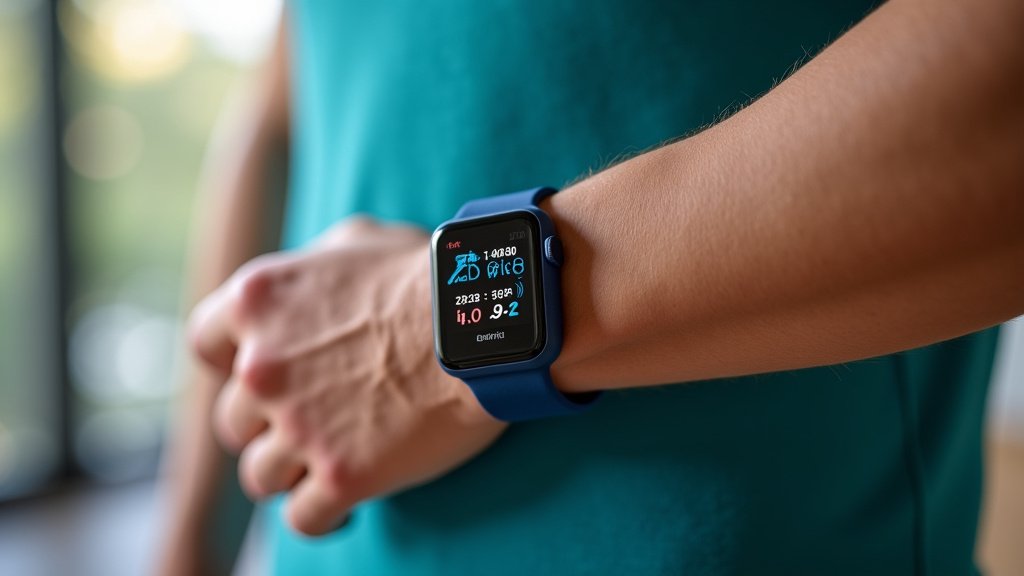
Wrist-based monitors, like those found in many smartwatches and fitness trackers, use a different method. They employ optical sensors, often called photoplethysmography (PPG). These sensors emit green light into your skin. They then measure how much light is absorbed or reflected back. When your heart beats, it pumps blood. More blood flow means more light is absorbed. The sensor detects these changes in light to estimate your heart rate. It’s like watching the tide ebb and flow to guess the moon’s cycle.
This optical method works well in controlled situations. However, it has a few common challenges. Blood flow can change for many reasons. Think about cold weather, when your blood vessels might constrict. Or during intense exercise, when blood is shunted to your working muscles. These changes can make it harder for the optical sensors to get a consistent reading. You might see spikes or dips that don’t quite match what your heart is actually doing.
Factors Affecting Accuracy: Why Chest Straps Often Win
So, we’ve touched on the technology, but let’s dive deeper into what can throw off your readings, especially with wrist monitors. Many athletes and casual exercisers have experienced these frustrations.
Movement Artifacts: The Workout Wobble
Wrist-based monitors are particularly susceptible to what we call “movement artifacts.” When you’re doing exercises with a lot of arm movement, like weightlifting, boxing, or even just vigorous running, your wrist is moving a lot. This movement can shake the sensor against your skin. It can trick the optical sensor into thinking there’s a change in blood flow when there isn’t. This leads to inaccurate heart rate spikes or drops. It’s like trying to read a book while riding a roller coaster; the pages are constantly jiggling.
Chest straps, on the other hand, are worn around your torso. This area tends to move much less relative to your heart during most exercises. The electrodes stay more stable against your skin, ensuring a clearer signal from your heart. This stability is a major advantage for accurate readings during dynamic activities.
Skin Tone and Perfusion: The Color and Flow Challenge
Research has indicated that skin tone can influence the accuracy of optical heart rate sensors. Melanin, the pigment that gives skin its color, can absorb and scatter light. Denser skin pigmentation can require the sensor to work harder to get a clear reading. Additionally, factors like tattoos or even temporary changes in skin perfusion (the blood flow through the skin) can interfere. If your hands get cold, for example, less blood goes to your skin, and the wrist monitor might struggle.
Chest straps are not affected by skin tone or minor changes in skin perfusion. Their electrodes measure electrical signals, which are present regardless of these external factors. This makes them a more universal solution for accurate tracking across different individuals and conditions.
Sweat and Hydration: The Slippery Situation
Sweat is a common companion during workouts. For wrist monitors, sweat can create a barrier between the sensor and your skin. It can also cause the device to slide around, leading to inaccurate readings. It’s like trying to get a clear signal through a steamy window. If the strap isn’t tight enough, sweat can actually wash away the signal.
Chest straps, when worn correctly, are designed to work with sweat. The electrodes need good contact with moist skin to conduct electricity effectively. Many chest strap designs are made to be comfortable even when wet. This means sweat often enhances rather than hinders their performance.
When Wrist Monitors Can Be Sufficient
While chest straps generally lead in accuracy, it doesn’t mean wrist monitors are useless. For many people, they provide data that is “good enough” for their fitness goals.
Low-Intensity Activities: Gentle Movement, Gentle Data
For activities like walking, casual cycling, or gentle yoga, wrist-based monitors can often provide reasonably accurate heart rate readings. The lower intensity means less arm movement and less dramatic changes in blood flow. In these scenarios, the optical sensors can typically keep up without major issues. If you’re just trying to get a general sense of your effort level, a wrist monitor might be perfectly fine.
Comfort and Convenience: The Everyday Advantage
Let’s be honest, wearing a chest strap all day isn’t always comfortable. Wrist-based devices, integrated into smartwatches or fitness bands, offer unparalleled convenience. You wear them all day, every day. They track your steps, sleep, and general activity without you having to think about it. For many users, this constant, albeit sometimes less precise, stream of data is more beneficial than the intermittent accuracy of a chest strap.
Plus, the ease of just putting on a watch is hard to beat. You don’t need to remember to put on a separate strap before every workout. This ease of use can lead to more consistent tracking over time, even if individual readings are less precise.
Making the Choice: What’s Right for Your Fitness Journey?
So, how do you decide? It really depends on your priorities and your type of training. Ask yourself what you need your heart rate monitor to do.
The Dedicated Athlete: Precision is Key
If you’re a serious runner, cyclist, triathlete, or someone who trains at high intensities regularly, accuracy is likely your top concern. You’re probably working with specific heart rate zones for training adaptations. In this case, a chest strap heart rate monitor is the superior choice. It will provide the most reliable data for optimizing your training and tracking your progress accurately. Many professional athletes and coaches rely on them for this reason.
The Casual Exerciser: Good Enough is Often Great
If you’re looking to increase your general fitness, track your daily steps, monitor your sleep, or just get a general idea of your exertion during moderate workouts, a wrist-based monitor might be all you need. The convenience factor is a huge plus here. You’ll still get valuable insights into your activity levels and general health trends. The data may not be perfect down to the last beat, but it can still be very motivating and informative.
Considering Both: The Best of Both Worlds
Many people find a good balance by using both. They might wear a smartwatch daily for general activity tracking and convenience. Then, for specific, high-intensity workouts where precision matters most, they strap on a chest monitor. This approach gives you the best of both worlds: everyday tracking and sport-specific accuracy. It allows you to tailor your tools to your activity.
Key Differences Summarized
To help you visualize the comparison, here’s a quick rundown of the main differences.
| Feature | Chest Strap Heart Rate Monitor | Wrist Heart Rate Monitor |
|---|---|---|
| Measurement Method | Electrical signals from the heart | Optical sensors measuring blood flow (PPG) |
| Accuracy (General) | High, especially during intense exercise | Moderate, can be affected by movement and skin tone |
| Movement Interference | Low | High, especially with arm movements |
| Skin Tone Impact | None | Can be significant |
| Sweat Impact | Often enhances signal | Can interfere if sensor slips or contact is lost |
| Comfort/Convenience | Less comfortable for all-day wear, requires separate use | High, integrated into watches, comfortable for daily wear |
| Primary Use Case | Serious training, precise tracking | General fitness, daily activity, convenience |
Making Sure You Get the Best Reading
No matter which type you choose, there are ways to optimize your readings. Here’s a quick checklist:
- Chest Strap: Ensure electrodes are moist before starting.
- Chest Strap: Wear it snug, but not uncomfortably tight.
- Wrist Monitor: Wear it high on your forearm if it struggles on your wrist.
- Wrist Monitor: Keep the sensor clean and free of debris.
- Both: Make sure the device is updated to the latest firmware.
- Both: Understand that no device is 100% perfect all the time.
Conclusion
So, you’ve seen that chest strap heart rate monitors generally offer superior accuracy. This is thanks to their ability to directly measure your heart’s electrical signals. Wrist monitors, while convenient, can be less precise due to movement and skin tone interference. If you’re a dedicated athlete focused on training zones, a chest strap is likely your best bet for reliable data. For everyday fitness tracking and general activity, a wrist monitor often provides “good enough” information with unmatched convenience. Consider your training intensity and personal needs to make the right choice for your fitness journey.
Ready to find the perfect monitor? Think about your workouts and which device will best support your goals.
Frequently Asked Questions
Can my skin tone really affect my heart rate monitor?
Yes, research indicates that skin tone can impact the accuracy of wrist-based optical heart rate monitors. Melanin in the skin can absorb and scatter light, making it harder for the sensors to get a consistent reading. Chest straps are not affected by skin tone.
Is a chest strap uncomfortable to wear during a workout?
Comfort is subjective, but many chest straps are designed to be worn snugly without being restrictive. While they require a separate strap, they often feel less intrusive during high-intensity movement than a watch potentially sliding on your wrist. Sweat can actually help improve contact for chest straps.
When would a wrist heart rate monitor be accurate enough for me?
For lower-intensity activities like walking, casual cycling, or yoga, wrist monitors usually provide sufficient accuracy. These activities typically involve less arm movement and less dramatic blood flow changes, allowing the optical sensors to perform better.
Do I really need a chest strap if I’m not a professional athlete?
Not necessarily. If your goal is general fitness, tracking daily steps, or monitoring moderate workouts, a wrist monitor is often perfectly adequate. You’ll still get useful health and activity insights. A chest strap is mainly for those who need precise heart rate data for serious training optimization.
Can I use both a chest strap and a wrist monitor at the same time?
Absolutely! Many people use a smartwatch or fitness tracker daily for convenience and general tracking. For more demanding workouts where accuracy is paramount, they’ll pair it with a chest strap. This gives you the best of both worlds.