How to Prevent Skin Irritation from ECG Patches?
On this page (3 sections)
Preventing skin irritation from ECG patches is simpler than you might think. You can minimize discomfort by properly preparing your skin before application and choosing the right type of patch. Most irritation stems from the adhesive or a reaction to the materials, but smart preparation can often prevent these issues altogether.
Dealing with itchy, red skin after an ECG can be a real bummer. Many people experience mild irritation, and sometimes it can be more persistent. Understanding the potential causes, like adhesive sensitivity or even just friction, helps you take steps to protect your skin. This proactive approach ensures your monitoring is effective without causing unnecessary pain or redness.
- Clean and dry skin is key.
- Consider hypoallergenic patches if sensitive.
- Avoid lotions or oils before application.
- Gently remove patches to reduce pulling.
- Moisturize after removal to soothe skin.
Ready to learn the best ways to keep your skin happy during your ECG monitoring? Let’s go over the simple steps that make a big difference.
Keeping Your Skin Happy During ECG Monitoring
Dealing with ECG patches can sometimes lead to skin irritation. Thankfully, there are several easy steps you can take to prevent or minimize discomfort. Most issues arise from the adhesive or materials used in the patch itself. By following a few simple guidelines, you can ensure a much more comfortable monitoring experience.
Understanding Potential Skin Reactions
It’s helpful to know what can cause irritation. Many people don’t realize the adhesive is the most common culprit. Some individuals have a sensitivity to the specific glue used. Others might experience redness or itching due to friction from the patch moving. Even the materials the patch is made from can sometimes cause a mild reaction (Cleveland Clinic).
Sometimes, it’s not just about the patch itself. How long you wear it matters too. Wearing a patch for an extended period can increase the chances of irritation. It can trap moisture and heat against your skin. This creates a perfect environment for redness and itching to develop. So, following the recommended wear time is always important.
Preparing Your Skin for Patch Application
The most effective way to prevent irritation starts before you even apply the patch. Think of it like preparing a canvas before painting. A clean, dry surface is essential for good adhesion and healthy skin.
Cleansing the Skin Area
First, you’ll want to gently wash the area where the patch will go. Use mild soap and water. Then, pat the skin completely dry with a clean towel. Avoid using any harsh soaps or scrubbing vigorously, as this can already irritate your skin. The goal is a clean slate, not an irritated one.
Why is this so important? Residue from lotions, oils, or even sweat can prevent the patch from sticking properly. It can also create a barrier. This barrier can trap irritants against your skin. So, a thorough but gentle cleanse is your first line of defense.
Avoiding Lotions, Creams, and Oils
It might seem counterintuitive, but you should avoid applying any skincare products to the patch site. This includes lotions, body oils, and even some sunscreens. These products can interfere with the adhesive. They can make the patch less effective. More importantly, they can trap moisture. This can lead to skin breakdown and irritation underneath the patch (Mayo Clinic).
Think of it this way: you wouldn’t try to stick a label onto a greasy surface, right? It just won’t hold well. The same principle applies here. Ensure the skin is clean and completely free of any moisturizing agents before placing the ECG patch. Your skin will thank you for it.
Shaving Unnecessary Hair (If Applicable)
In some cases, dense hair in the application area can affect patch adhesion. If you have very thick hair, gently shaving the area might help. Use a clean razor and shave in the direction of hair growth. Be very careful not to nick or cut your skin. Any small cuts can become entry points for irritation or infection. If you have sensitive skin, consider skipping this step or using an electric trimmer instead of a razor.
Choosing the Right ECG Patches
Not all patches are created equal. If you have a history of skin sensitivity, you might want to explore ECG patches for Holter monitors. Sometimes, the brand or type of patch makes a difference.
Hypoallergenic Options
Many manufacturers now offer hypoallergenic ECG patches. These are specifically designed for individuals with sensitive skin or a history of allergic reactions. They typically use a gentler adhesive. They might also be made from different materials that are less likely to cause irritation. If you know you’re prone to reactions, ask your healthcare provider if these are a suitable option for you.
Considering Patch Size and Material
The size of the patch can also play a role. Larger patches cover more skin. This can sometimes lead to increased moisture buildup. Smaller patches might be an option in certain situations. The material itself matters too. Some patches are more breathable than others. Breathable materials allow air to circulate. This can help keep your skin drier and reduce the risk of irritation.
Proper Application Techniques
How you apply the patch is just as important as preparing your skin. Gentle and firm application is key.
Applying with Gentle Pressure
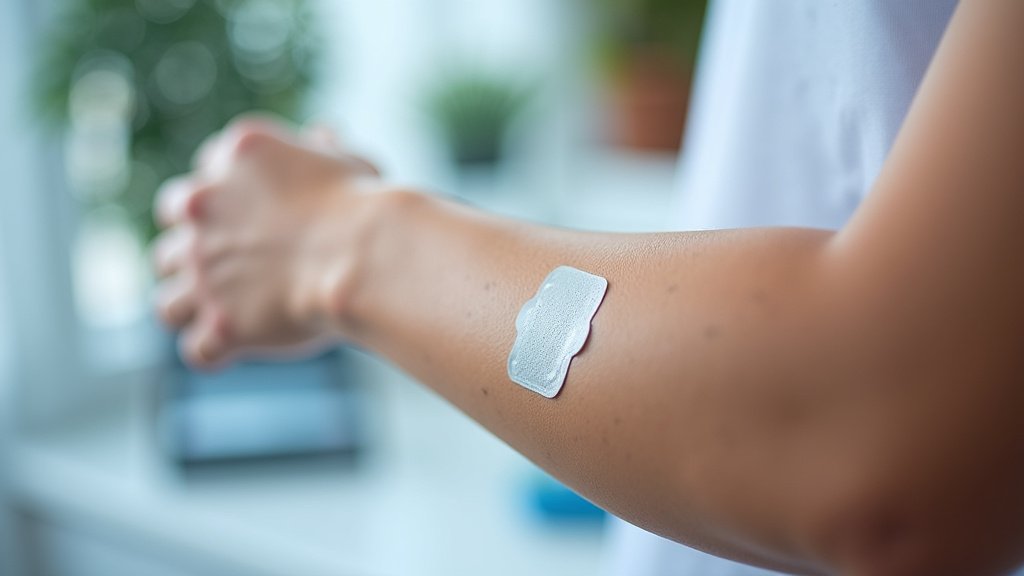
Once your skin is clean and dry, carefully apply the patch. Position it correctly according to the instructions provided by your healthcare provider. Then, press down firmly but gently. Smooth out any wrinkles or air bubbles. Avoid stretching the skin while applying. Stretching can cause discomfort later on. You want good contact, but you don’t want to pull or tug at your skin.
Ensuring Correct Placement
The placement of the patch is usually determined by the monitoring device. However, ensure it’s not placed over bony prominences or areas where it might constantly rub against clothing. Friction is a common cause of skin irritation. If you notice a specific spot always gets irritated, talk to your doctor about alternative placement if possible.
Best Practices for Patch Removal
Removing the patch is another critical step where irritation can occur. Don’t just rip it off! Think of removing tape from a delicate surface.
The “Stretch and Peel” Method
The best way to remove an ECG patch is slowly and carefully. Gently hold the skin taut with one hand. With the other hand, begin to peel the patch back slowly. Peel it in the direction of hair growth. Many experts recommend keeping the patch as flat as possible against the skin as you peel. This helps reduce the pulling force on your skin. It makes the process much less painful and minimizes redness.
Using Adhesive Removers (If Necessary)
If you’re having trouble removing the patch, or if there’s significant residue left behind, you might consider an adhesive remover. These are specially formulated to break down the glue. Your healthcare provider might recommend a specific type. Always use these products as directed. Test a small area first if you have very sensitive skin. These removers can help prevent skin damage from excessive pulling.
Post-Application Skin Care
The care doesn’t stop once the patch is off. What you do afterward can help your skin recover.
Soothing Irritated Skin
If you do develop redness or ECG electrode irritation, there are ways to soothe it. Applying a gentle, fragrance-free moisturizer can help. Aloe vera gel is also a popular choice for calming irritated skin. Avoid scratching, as this can worsen the irritation and potentially lead to infection. If the irritation is severe, consult your healthcare provider.
Moisturizing the Area
Even if your skin looks fine after removal, a little extra hydration can be beneficial. Gently applying a hypoallergenic moisturizer to the area can help restore your skin’s natural barrier. This is especially true if you’ve had to wear patches for a long time. Keeping your skin well-moisturized generally helps it stay healthier and more resilient.
When to Seek Medical Advice
While most skin irritation from ECG patches is mild and manageable, it’s important to know when to get help. If you experience any of the following, it’s a good idea to contact your doctor:
- Severe redness or swelling
- Blistering or open sores
- Signs of infection, like increased pain, warmth, pus, or fever
- A widespread rash that doesn’t improve with home care
Your healthcare provider can help identify the cause of the irritation. They can also recommend specific treatments or alternative monitoring methods if needed. Don’t hesitate to reach out if you’re concerned about your skin’s reaction.
Your Simple Checklist for Happy Skin
Here’s a quick rundown to keep your skin comfortable:
- Always start with clean, dry skin before applying any patch.
- Skip lotions, oils, or powders at the application site.
- Consider hypoallergenic patches if you have sensitive skin.
- Apply the patch gently without stretching your skin.
- Remove the patch slowly, peeling in the direction of hair growth.
- Moisturize your skin after patch removal to help it recover.
Conclusion
You’ve learned that keeping your skin comfortable during ECG monitoring is entirely achievable. By focusing on proper skin preparation, choosing the right patches, and using gentle application and removal techniques, you can significantly reduce the risk of irritation. Remember that clean, dry skin is your best friend before applying a patch. Gentle care during removal and soothing your skin afterward are just as important. Take these simple steps to ensure your monitoring experience is as comfortable as possible. Your skin health matters!
Frequently Asked Questions
What if I have very sensitive skin and react to most adhesives?
If you have highly sensitive skin, ask your healthcare provider about hypoallergenic ECG patches. These are made with gentler adhesives and materials. You might also discuss patch testing with your doctor before your monitoring period begins.
Can I wear lotion on my skin before applying the ECG patch?
No, you should always apply ECG patches to clean and dry skin. Lotions, oils, and creams create a barrier. This barrier prevents the patch from adhering properly and can trap moisture, leading to irritation.
How often should I check my skin under the ECG patch?
It’s a good idea to gently check your skin at least once daily, or if you feel any discomfort. Look for redness, itching, or any signs of irritation. Early detection makes it easier to manage any issues.
Is it okay to use rubbing alcohol to clean the skin before applying the patch?
While some healthcare providers might recommend it, it’s best to stick to mild soap and water for cleaning. Rubbing alcohol can dry out your skin. This might actually increase the chance of irritation for some individuals.
What should I do if the ECG patch causes a rash that doesn’t go away?
If you develop a persistent rash, blistering, or signs of infection, you should contact your healthcare provider immediately. They can assess the reaction and recommend appropriate treatment or alternative monitoring solutions.